
When it Comes to Investment Pieces, There’s No “One Size Fits All”
One woman's wardrobe essential is another's closet clutter. Here's how to figure out which pieces are actually worth investing in! Image: iStock
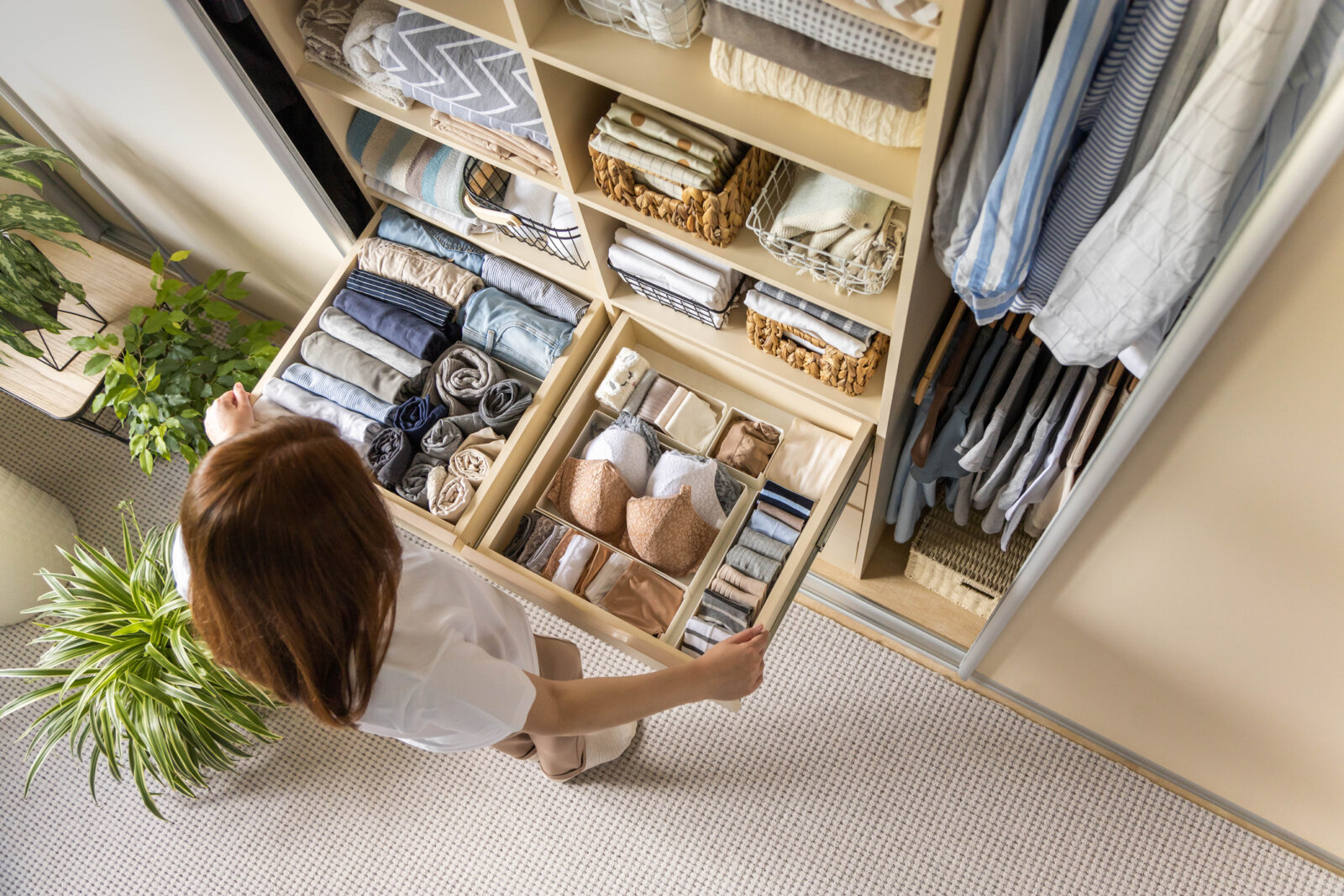
Nashville-based fashion stylist and wardrobe consultant Carson Love explains why wardrobe staples aren’t one-size-fits-all and shares how to identify the investment pieces worth splurging on, based on your lifestyle, personal style, and what you already own.
**********
As promised in last month’s column, we’re going to take a deep dive into wardrobe staples. As a personal stylist, I am almost always asked, “What investment pieces do I need this season?” or “What are the staples everyone should have?” I hate to burst an eager shopper’s bubble, but the truth is that the answers aren’t so straightforward.
Despite the Instagram carousels and retailer roundups claiming to have the complete capsule you need for fall, I’m here to tell you to take any claim of a universal shopping list with a grain of salt. Why? Because after more than a decade of helping clients curate their closets, I can safely say that no two women’s lists of investment pieces are the same.
Personal Curation Over Comparison
One thing I love most about working in closets is that they often reflect the chapter of life we’re in — almost like a visual timestamp. So it makes sense that as life changes and evolves, our closets should too. What you considered a foundational or investment piece five years ago may look totally different from what belongs on that list today.
For example, if you’re a mom of toddlers, a closet full of dry-clean-only pieces may not make sense. If you’re someone who attends board meetings every week, a smart, well-fitting blazer might top your priority list . Other factors, such as a preference for certain silhouettes or a commitment to natural fibers and ethical standards, can also come into play. The bottom line is that your “must-have” criteria will look different from anyone else’s.

Start With What You Already Own
So, what’s the first step in building your list of staple pieces? Before you do any shopping or scrolling, take inventory of what you already own. (If you missed last month’s column, I go deeper into why this matters.) I could never come up with a list of investments for a client without first auditing her closet. It’s not just about clearing out clutter. It’s about investigating which pieces work the hardest for her and which ones she wears on repeat.
To create an investment shopping list from your closet inventory, break it down into categories: bottoms, tops, shoes, dresses or jumpsuits — whatever makes sense to you. If that feels overwhelming, remember that you don’t have to do it all at once. Pick one category a week and get started!
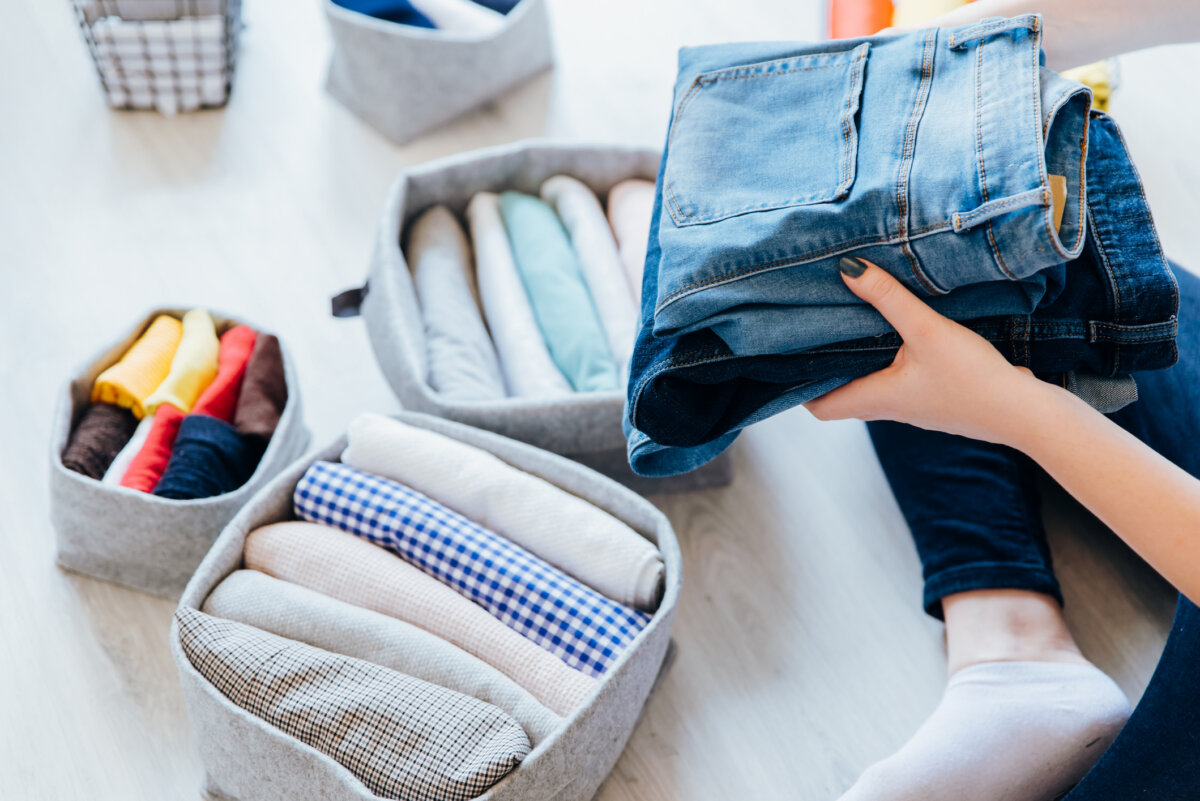
Let’s use jeans as an example. Pull out every pair of denim in your closet and group them by style (bootcut, cropped, straight, etc.). Then ask yourself the following:
- Which style do I have the most (and least) of?
- Which pair do I actually reach for the most?
- Which pairs don’t fit well or have seen better days?
- What style do I wish I had?
You can get a lot of information from this one simple inventory check. Once you’ve identified the styles you’ve gotten the most use out of, take a good look at them. If they’re damaged or worn out, you might simply need to buy a replacement pair. Or maybe you add more pairs to this category. This is where adding variety makes sense!
Love It, Need It, or Use It?
Another helpful question to ask yourself when identifying staples is: Do I love it, need it, or use it? Each of your staples needs to check at least two of these boxes.
Scrubs, for example, might be something you need and use for your job, but you wouldn’t necessarily say you love wearing them. Some pieces are worth keeping purely because they bring you joy, but you don’t really need them or reach for them daily. If you’re trying to determine whether something is an investment piece (i.e., worth a chunk of your clothing budget), it should ideally check the “use” box regularly.
The “Cost-per-Wear” Ratio
When I’m shopping for clients, cost per wear is always on my mind. It simply means that when you look at a price tag, you think about how many wears you’ll actually get out of that piece. While it’s not always true, a general rule is that you typically pay a premium price for premium quality when it comes to mass-produced clothes.
But what if you’re unsure how often you’ll really wear it? This is where I actually recommend purchasing the less expensive version. If you find yourself reaching for it over and over, that’s the validation you need to upgrade to an investment piece that will serve you for years to come.
A Note on Alterations and Care
Most clothing these days is mass-manufactured, and nothing is made to measure, so you can almost guarantee you’ll need some tweaks here and there. That’s why I highly encourage building a good relationship with a local tailor or seamstress. Alterations should be considered part of the initial price tag.
Taking proper care of garments is also an important part of extending the lifespan of your investments. Remember, the most sustainable (and budget-friendly) piece of clothing is one that lasts. Good care doesn’t need to be complicated. Gentle washing, proper storage, and timely repairs go a long way.

Leave Room for Joy
While I just spent a whole style column emphasizing the importance of the foundational, staple pieces in your wardrobes and the care you should put into them, it’s important to leave room in your closet for joy — those pieces that just spark some happiness are totally part of the holistic wardrobe puzzle.
Think of the 80/20 rule: About 80 percent of your closet should be filled with the foundational pieces that you devote your dollars to, while the other 20 percent should be reserved for those items that spark a dopamine hit, add some novelty to your wardrobe, and reflect your unique personality.
**********
Keep up with the best parts of life and style in the South. Subscribe to StyleBlueprint!

Carson Love
Carson Love is a Nashville fashion stylist and wardrobe consultant who helps clients find their own unique style and encourages them to be unapologetically authentic.