

How Food & Family Carried One Alabama Woman Through IVF
An Alabama woman shares her IVF story — plus three of the comforting family recipes that helped carry her through the journey. Image: SHOW ME THE LINE
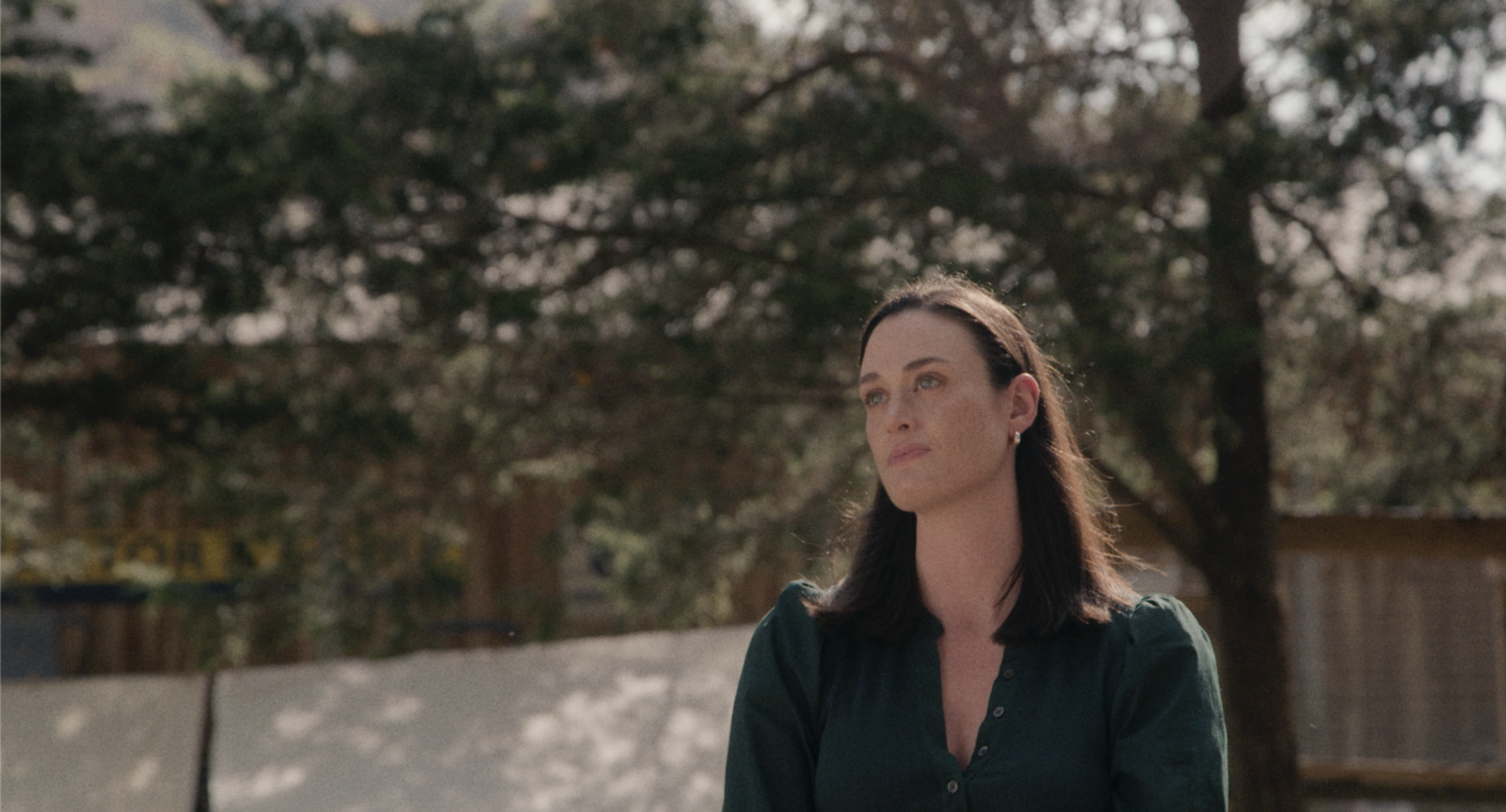
Today’s Southern Voices essay and recipes come to us from Emily Capilouto, who’s featured in SHOW ME THE LINE, a new documentary exploring fertility and creative resilience among Southern women. For Emily, much of that story unfolds in the kitchen, where food, family, tradition, and hope have long been intertwined.
**********
How Years of IVF Brought Me Back to My Kitchen — And My Roots
I am not what anyone would call a cook. I don’t have a signature dish, and I don’t watch cooking shows for fun. But SHOW ME THE LINE, a new documentary by Kelsey Ianuzzi, is not about food. It’s about what it takes for Alabama women to build the families and lives they want. For me, that meant years of fertility treatments, including multiple rounds of in vitro fertilization (IVF) before my son Elias existed anywhere other than my prayers.
The documentary cameras kept landing on me in my kitchen, and it took me a while to understand why. Creating the dishes I made on repeat was the only part of that stretch of my life that still worked the way it was supposed to. You show up, you follow the steps, and you make something you can hold at the end. That is not nothing when your own body has stopped feeling like something you can trust.
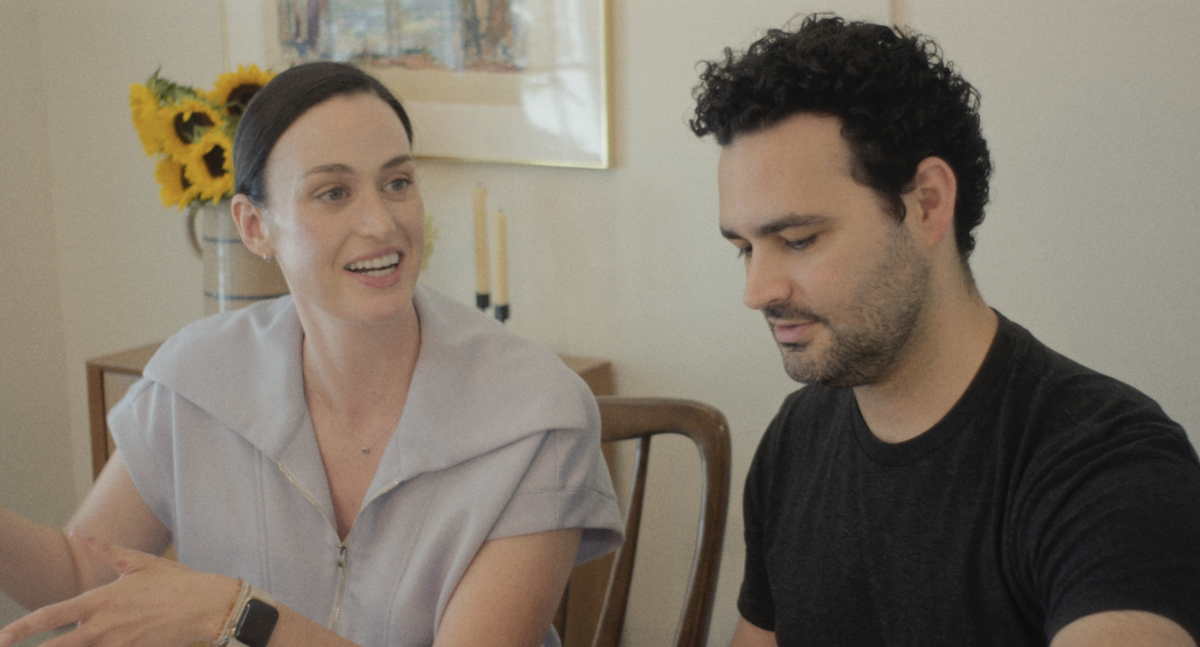
It is also very Southern. The years I spent trying to become a mother came with notes from friends tucked into a casserole dish or plate of food because they were thinking of me that day. Food was how people cheered me on when they didn’t know what else to do with all that hope they carried on my behalf. It said “I’m rooting for you” in a way that didn’t require saying the words out loud.
My husband, James, and I both grew up in Birmingham. Our families, for all their differences (I’m a Sephardic Jew, and James is a Melkite Catholic Palestinian), are in and of the South. Sephardic Jews have been in Alabama for generations, and the Palestinian community has built its own long, quiet roots here.
Although neither culture started in the South, both share the same instinct to feed people through hard times and in times of celebration, and they honor the belief that a full table says more than any conversation ever could. That’s the backdrop from which three of the dishes I made in the film come from — two faraway traditions that ended up completely at home in Alabama.
Yaprakis, Stuffed Grape Leaves
My family calls stuffed grape leaves Yaprakis. It’s a word that traces back to our Sephardic roots in Spain and later in Rhodes, where Ottoman and Greek influences shaped the way my ancestors cooked. In James’s family, the same dish is called Warak Enab, part of his Palestinian and Lebanese background.
Every family makes it unique with slightly different ratios of rice to meat or a special way of folding the leaf, but the dish itself belongs to an entire stretch of the Eastern Mediterranean, spanning farther than either of our families.
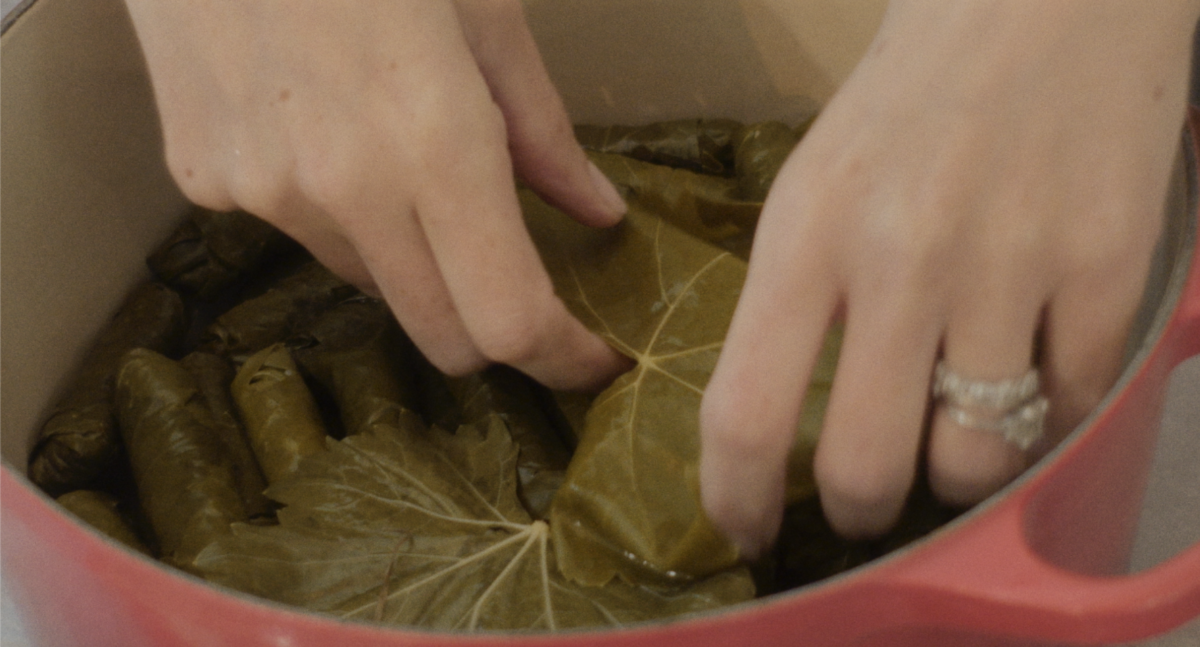
The dish is traditionally made at large gatherings where there is room for a dozen hands and a big pot. Now James and I roll them together in our own kitchen, just the two of us, and somehow that makes the tradition feel less like something I inherited and more like something we are building on purpose — just like our family.
Harb Family Stuffed Grape Leaves
Ingredients
- 1 lb ground beef coarsely ground
- 1 cup rice
- 1 tsp salt
- 1 tsp black pepper
- Allspice liberal amount
- 1 qt/jar grape leaves
- 1 qt chicken broth
- 1 Tbsp lemon juice to taste
Instructions
- Prepare the stuffing: Wash the rice and mix all ingredients together.
- Prepare the grape leaves: If leaves are packed in salt and water, rinse and drain before rolling. If fresh, wash thoroughly, then drain. Remove stems before rolling.
- Put 1 tsp stuffing in the center of each leaf, on the rough side. Fold the stem side horizontally over the stuffing, then fold the two vertical sides over the first fold. Roll tightly until it reaches the leaf point, forming a cylinder about 3” long by ½” thick.
- Place the rolls side by side, in layers, in a baking pot. Pour in chicken broth as needed to cover the leaves in the pot.
- Cover and bake for 1 hour at 350°F.
- Drain after cooking, then add lemon juice to taste. Serve.
Challah Bread
Challah does not ask much of its baker. It is a simple, forgiving dough that comes together without any real skill, which is probably why I stuck with it through the years when little else in my life felt simple. I made it most weeks for Shabbat throughout my IVF treatments, less because I love baking and more because it was the one appointment on my calendar that I kept on my own terms and that allowed me to end my week on a high note.
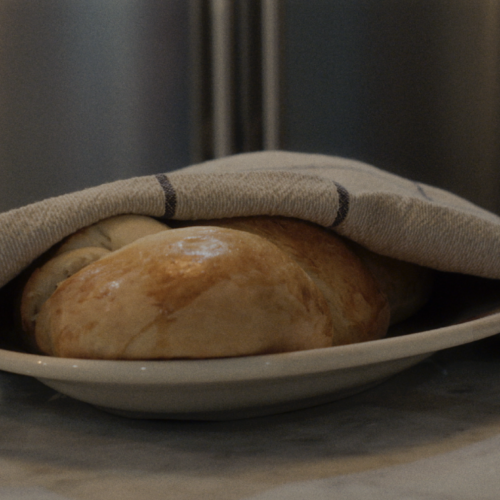
Emily’s Challah
Ingredients
Dough Ingredients
- 8 cups all-purpose flour
- 3/4 cup sugar
- 3 Tbsp instant yeast
- 1.5 Tbsp salt
- 1 1/8 cup vegetable oil
- 3 cups lukewarm water, plus extra as needed
Egg Wash Ingredients
- 1 large egg
- 1 Tbsp water
- 1 pinch salt
Instructions
Make the dough:
- In a large bowl, mix flour, sugar, yeast, and salt. Add oil and water.
- Mix with hands. If too dry after a minute or two, add up to ⅜ cup extra water. Knead 8-10 minutes until smooth and soft.
- Place in a greased bowl, cover, and proof until doubled in size (about 60-90 min).
Shape the challah:
- Line a large baking sheet (or two) with parchment paper.
- Punch down the dough and divide into two large pieces. Divide each piece into three, shape into smooth balls, and cover.
- For one loaf: roll three portions into long ropes (thicker than usual). Place parallel on a floured surface, ends toward you, and pinch tops together.
- Cross the right strand over the middle strand.
- Cross the left strand over the new middle strand.
- Continue alternating right and left over the middle until fully braided, keeping strands tight and even. Pinch ends together and tuck under.
- Repeat with remaining dough for the second loaf. Place both loaves on the baking sheet, spaced well apart.
Proof and Bake:
- Proof 45-60 minutes, until doubled.
- Preheat oven to 180°C / 355°F.
- Make egg wash: whisk egg, water, and salt until frothy.
- Brush both loaves generously with egg wash, getting into the braid crevices. Bake 30-35 minutes until deep golden and hollow-sounding when tapped.
- Cool at least 10-15 minutes before slicing. Enjoy!
Shakshuka
Shakshuka traces its roots to North Africa, especially Tunisia, with ties to Ottoman-era cooking and a firm place in Yemeni Jewish cuisine. It is also a longstanding Palestinian and Bedouin dish. In this way, the flavors still evoke mutual recognition in our household.
It never asks for planning — a complete contrast to the regimented lifestyle of someone going through IVF. Shakshuka needs only what is already in the refrigerator. It is also great with challah, torn straight into the sauce.
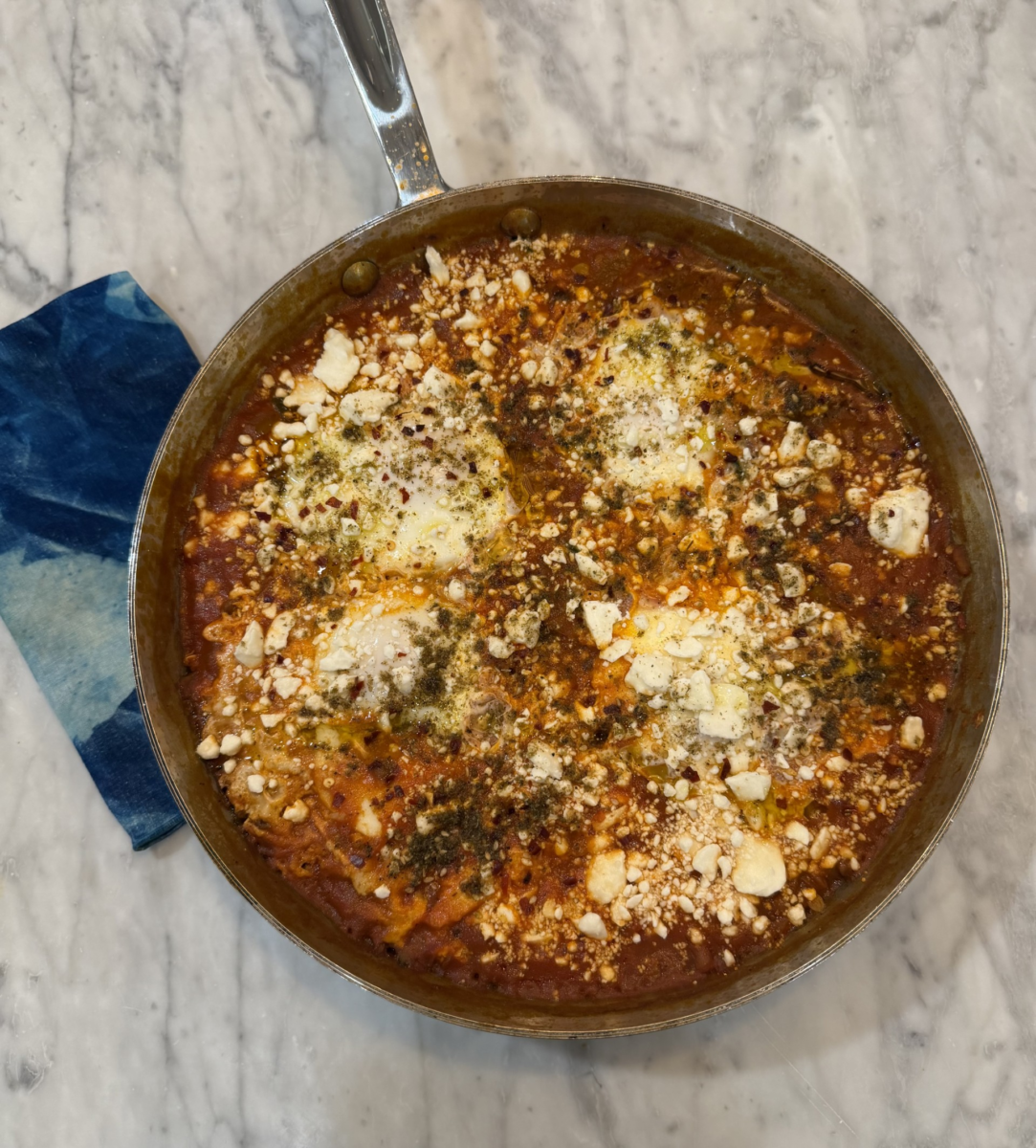
Emily’s Shakshuka, adapted from “The Jewish Cookbook”
Ingredients
- 3 Tbsp extra-virgin olive oil Plus more for serving
- 1 medium onion, finely chopped
- 2 medium red or yellow bell peppers, sliced into thin strips
- 5 garlic cloves, thinly sliced
- 1 can (28 oz/795 g) diced (chopped) tomatoes
- 4 Tbsp tomato paste (purée)
- 1 tsp kosher salt, plus more as needed
- 1/4 tsp ground black pepper
- 4 large eggs
- 2 oz crumbled feta cheese (optional)
- Za’atar and crushed pepper flakes, for serving
Instructions
- In a large frying pan, heat the oil over medium heat. Add the onion and bell peppers, and any other vegetables you are using and cook until softened, 6–8 minutes. Add the garlic and spices stirring, until fragrant, about 2 minutes.
- Stir in the diced tomatoes and tomato paste or pre-made tomato sauce, salt, and black pepper. Bring to a simmer and cook, stirring occasionally, until the mixture thickens slightly, about 10 minutes.
- Break eggs into the sauce, making sure eggs do not overlap. Cover the pan and cook, basting the eggs once or twice with the sauce, until the whites are set and the yolks are still soft, about 5 minutes.
- Remove from the heat and sprinkle with the feta, za’atar, and crushed red pepper flakes over the top. Serve hot.
Notes
With the birth of our son Elias, my relationship with cooking has shifted. I now desire to share the recipes we grew up enjoying with him. I still would not call myself someone who cooks for the love of it, but these three dishes showed up through weeks of never-ending appointments, family occasions, and ordinary Fridays, and they are still showing up now that the family I was trying so hard to build is actually sitting at the table. That, more than any recipe, is what SHOW ME THE LINE is really about.
SHOW ME THE LINE premiered as part of the Sidewalk Film Festival in Birmingham, Alabama, on Saturday, August 29. It will also be screening as part of the 37th Annual New Orleans Film Festival from October 22-27. For more information, visit showmetheline.com.
**********
Got a story to tell? We’d love to hear it! You can find the submission guidelines for Southern Voices HERE.

Emily Capilouto
Emily Capilouto is a Birmingham, Alabama, native whose story is featured in SHOW ME THE LINE, a documentary exploring fertility and creative resilience among Southern women. Drawing on her Sephardic Jewish roots and her husband’s Palestinian heritage, she shares the family recipes and traditions that carried them through years of IVF and into parenthood.
6 thoughts on “How Food & Family Carried One Alabama Woman Through IVF”
Leave a Comment
Our unofficial motto at StyleBlueprint is "Be kind. Do good." We encourage this to be the basis for all comments on our articles. Provide feedback that adds to the story. Some controversy or disagreements are part of any good dialogue between friends, but anything that tears down or belittles others is subject to disapproval or removal. Thank you for being a member of the StyleBlueprint community! View our Community Guidelines.
You must log in to post a comment.


Delicious!
Yum!
Love this!
What a beautiful, comforting dish!
So delicious
This is such a great breakfast OR dinner!