

This Louisville Gut Health Expert Raised 8 Kids, Beat Chronic Illness & Reinvented Medicine … Twice!
How does one woman raise eight kids, beat chronic illness, and reinvent medicine? Medical Transformation Center CEO Terri Paige shares her data-backed approach to wellness and why finding "balance" is highly overrated. Image: Amy Barber / Bluegrass Bebe Photography
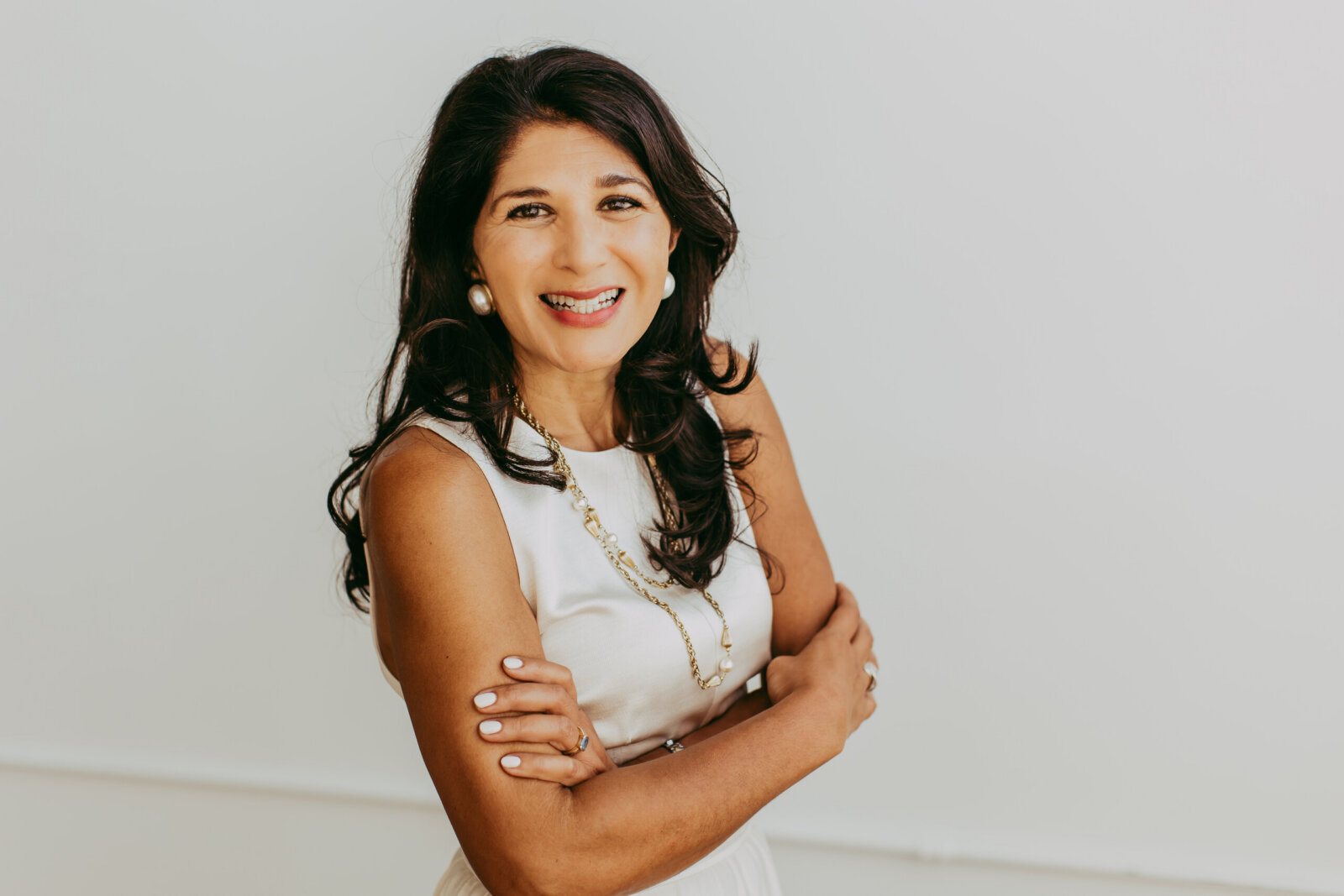
Terri Paige is a force. Between raising eight children, overcoming her own chronic illness, and reinventing her career, she seems to possess the energy of three women. Today, as the CEO and co-founder of Medical Transformation Center, this certified health coach is on a mission to change the way we look at wellness. We caught up with the grandmother of three to talk about her revolutionary approach to health, how to embrace life’s different seasons, and why she gave up on the myth of finding “balance.”
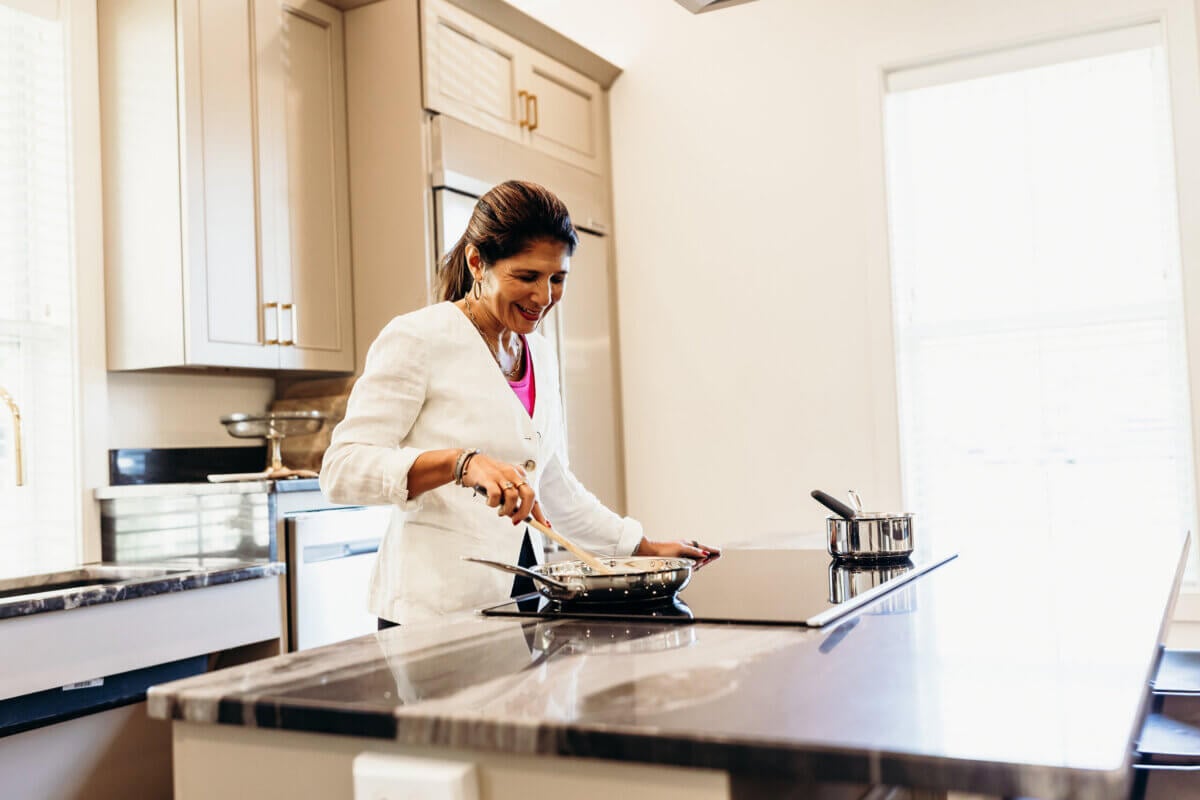
You and your husband, Dr. Carl Paige, co-founded the Medical Transformation Center. How does cellular medicine differ from traditional medical care?
It all goes back to what we learned in biology, and exploring what could be happening at the cellular level that could be creating a disease state. Traditional medicine starts with a symptom, then there’s a diagnosis, and then there’s usually medication. We’re asking how we can improve that process.
Medication is not the only tool. Our toolbox is really big and full of data-backed, evidence-based tools that just haven’t made it to the mainstream.
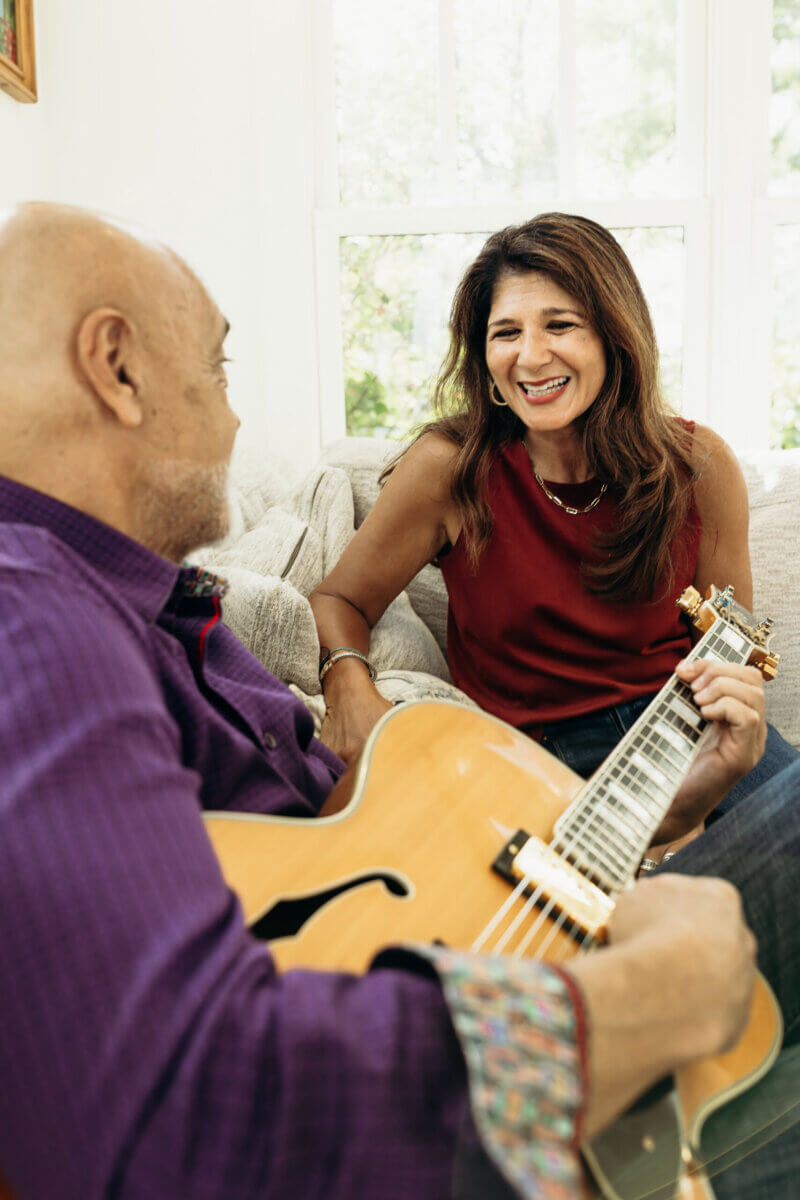
What prompted your interest in cellular medicine?
We started out in 1992 with an internal medicine and pediatrics practice, and we sort of grew up with our patients. Young families, like us, were our core crew, and then we all started getting older. I heard from a lot of moms, especially, that they were experiencing some adverse health as they moved through their 30s and 40s, and for most of them, seeing their traditional doctors, the answer was “sorry, there’s nothing we can do. You just have to ride it out.”
Then in 2008, my health problems hit the fan. Autoimmune diseases, chronic fatigue, shingles, fibromyalgia, depression, anxiety, and weight problems. The answer seemed to be one more pill. One night, I had a “come to Jesus” talk with my husband. I needed him to get curious again as a physician. We zeroed in on gut health, and it grew from there.
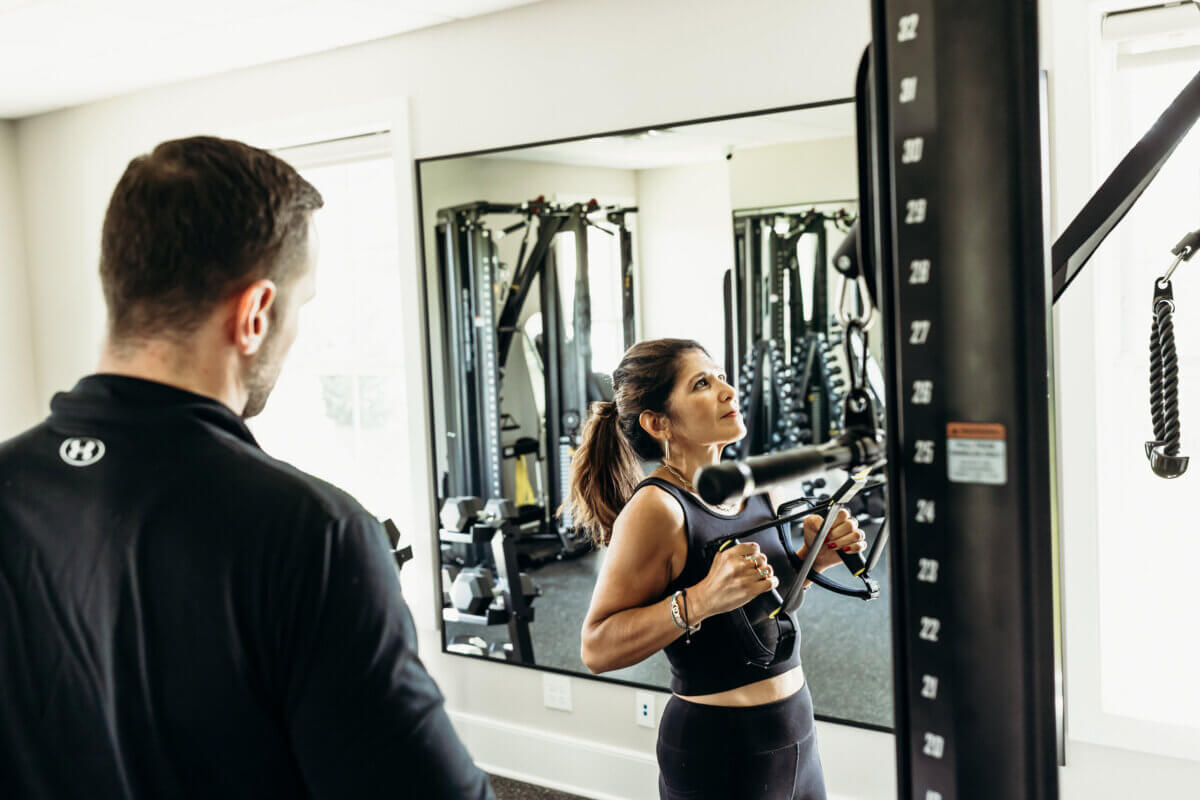
We started a wellness function in our primary care practice because, ultimately, this should be the standard of care — clinicians with a big toolbox who can really identify what’s needed. It is too complicated to deliver that kind of care during 15-minute primary care visits. We opened the Medical Transformation Center in 2013 and sold the primary care practice to give this approach our full attention.
What brings people to your clinic?
First of all, we believe them. Our patients have been everywhere and have not gotten any answers. Most of our patients fall into three categories: those with a “mystery illness” who haven’t gotten answers on what is going on; those who have a diagnosis but want to manage it differently; or those who are looking to age better and feel their best for as long as possible.
We require patients to keep their primary care physician for acute care and long-term medication management, as that is a crucial part of their treatment. We’re Switzerland. We play really well in the sandbox with other physicians.
In addition to being co-founder and CEO of Medical Transformation Center, you are also a professional performance and lifestyle coach. What inspired that addition to your résumé?
When you turn 50, there’s a new awareness that becomes an inflection point. You ask, “What’s next? I’m not going to live forever, and what is it that I still want to do? What am I not willing to put up with anymore?” It challenges our assumptions and our way of being. If we are open, every stage is amazing. I’m grateful for the opportunity to reinvent every ten or twenty years.
I’ve always been interested in health and wellness. Around 2013, I began training to be a coach, and I became fascinated with all that it is — and all that it isn’t.
Therapy is where we look backward to how our past affects our present. Consulting is “Let me tell you what to do.” But coaching is co-creating and asking powerful questions, assuming your client already has everything they need to get where they want to go. In coaching school, you take yourself on.
You occasionally teach cooking classes at the Medical Transformation Center. Why is that an important part of the practice?
Nutrition is a big part of improving my own health. I don’t eat cow dairy or gluten, and stick to a paleo-Mediterranean diet.
We don’t just eat for nutrition. We eat for flavor, for family, for sensory experience. We can easily get stuck in the idea that we don’t have time and can only grab a protein bar. But really, it’s okay! You can take a few extra minutes and have real food.

You built your family on a non-traditional timeline. Can you tell us more about that?
I was a teen mom. My husband and I had our first son when I was 16. I went to college in 1981, baby in tow. We got married in the spring semester of my freshman year at the University of Kentucky, and then had our first daughter shortly after I graduated with my degree in accounting. She jokes that she’s the only one of our eight kids who was planned, which is actually kind of true.
My husband graduated from medical school, and we set up his internal medicine and pediatrics practice, and then I took a step back. So much of my early adulthood was spent on other people’s goals; I wanted to think about what I really wanted to do, and I knew it wasn’t corporate accounting.
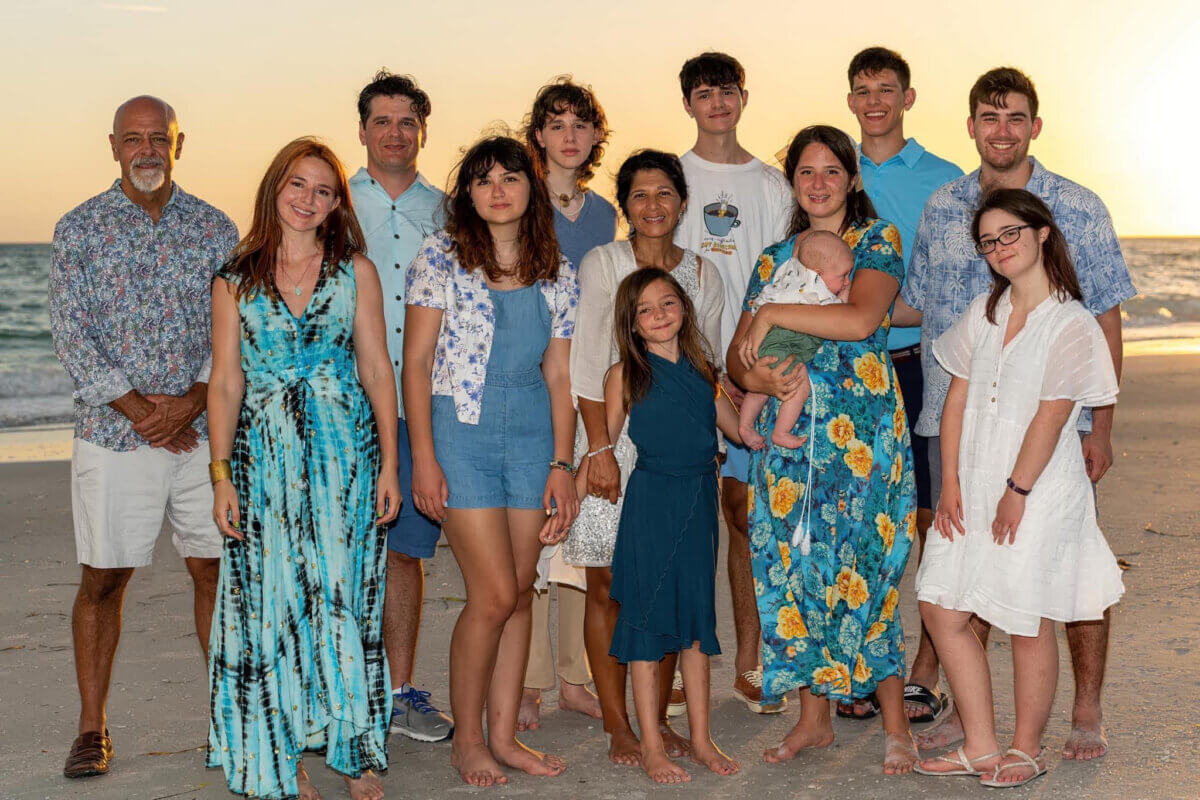
I stopped and got quiet. I realized I had a yearning for spiritual connection. I was raised Catholic, and I started revisiting the teachings as an adult and felt a calling to live that life authentically. I chose to go off birth control, and we agreed that God has blessed us this far, so we would see what else he had in store. I had six kids in seven years, starting when I was 35. We joke that we said “no” for so long that God had to hurry up because I was getting old!
I was home with them from about 1999 to 2011. I am grateful I got to have children as an adult and experience all of their early years without the fear and uncertainty of doing it as a teenager. There was sacrifice, but there was so much joy. I don’t regret it at all.
What’s your best piece of advice?
Understand that balance is a fallacy. My grandfather used to say, “In a hundred years, this won’t mean a damn.” So you have to ask yourself, “This thing that I’m worried about, is it going to matter in five, ten, twenty years?”
LIGHTNING ROUND!
Go-to Louisville boutique when you need a new outfit? Belle Monde. Fortunately, or maybe unfortunately for my bank account, I’m on their speed dial.
What’s your go-to coffee order, and where? Double espresso with four ounces of water at Quills Coffee.
What’s a Louisville restaurant dish you can’t get enough of? Steak frites at Brasserie Provence.
A podcast you never miss? Redox Revolution
The last great book you read? Time to Burn by Ellery Lloyd
This article contains product affiliate links. We may receive a commission if you make a purchase after clicking on one of these links.
**********
For a daily dose of Style + Substance delivered straight to your inbox, subscribe to StyleBlueprint!
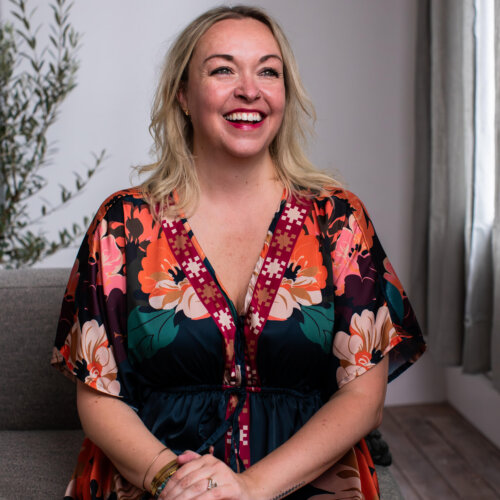
Beth Clayton
For over 20 years, Beth Clayton has either been working in a newsroom or pitching one. A natural storyteller and word nerd from the moment she could pick up a pencil, she earned her journalism degree from Butler University and spent the next decade as a writer, reporter, and editor. She now lives in Louisville, KY with her husband, three kids, and a very bad dog, and loves immersing herself in old lady hobbies such as houseplants and macrame.