

Rugby, TN: One of the South’s Best Kept Secrets
Steal away to a simpler time with a trip to historic Rugby, TN, an unexpected location for a British utopian society. Here's what to expect.
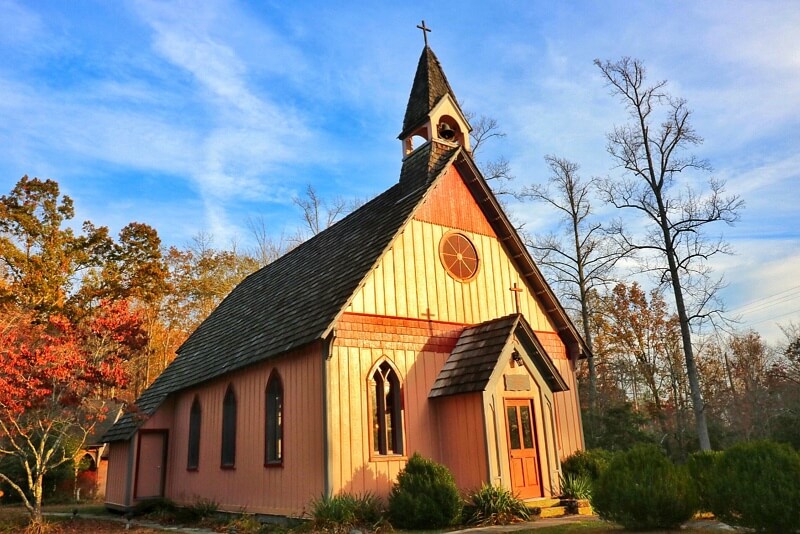
Nestled deep in the forests blanketing the rugged Cumberland Plateau, you’ll find one of Tennessee’s strangest and most surprising secrets — a preserved Victorian-era village called Rugby, with a rich history that rivals anything dreamed up by the creators of “Downton Abbey.”
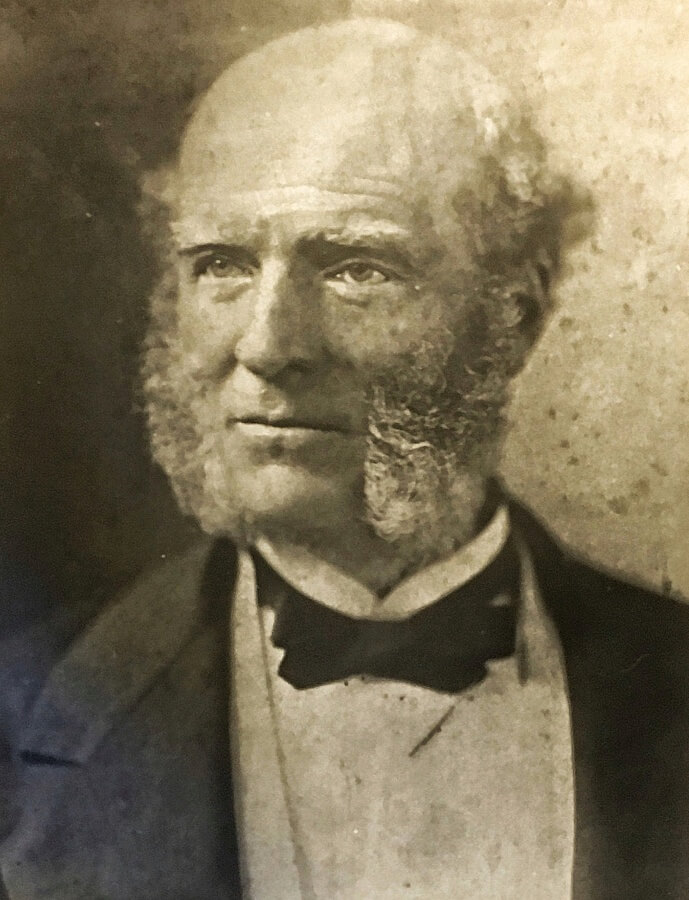
Rugby was established in 1880 by famed British author and social reformer Thomas Hughes, who envisioned a utopia for England’s “second sons,” young men who grew up in wealthy families but inherited nothing due to their birth order. His idea for a new civilization quickly caught on, and by 1884, 400 colonists had come to Rugby to live out Hughes’ dream. For a little while, the colony flourished — there were tennis and croquet courts, a lovely Gothic church, public library and schoolhouse, literary and dramatic societies, a weekly newspaper, a number of specialty stores and boarding houses, and a large hotel that drew visitors from across the country.
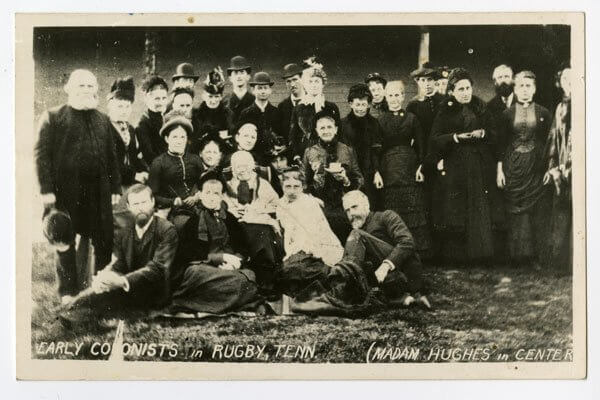
The world watched this social experiment with great interest — Rugby was covered in the New York Times and Harper’s Weekly, as well as London’s newspapers. Take a look at pictures from Rugby’s heyday and it’s easy to imagine the town’s appeal as a sort of Victorian-era reality show. In stark contrast to their impoverished Appalachian neighbors, Rugby residents were bright-eyed and fashionably dressed, merrily posing for the camera as they prepared for a tennis match or enjoyed an elaborate picnic by the river.
Unfortunately, the good times didn’t last. Too many of Rugby’s highbrow residents preferred frivolity to farming and, thanks to a drought and the poor quality of the mountain soil, most of the crops they managed to plant failed. Within just a few years’ time, the hotel burned to the ground, an outbreak of typhoid fever left seven colonists dead, and Rugbeians endured one of the coldest winters on record. By 1887, most of the original settlers had either died or moved away.
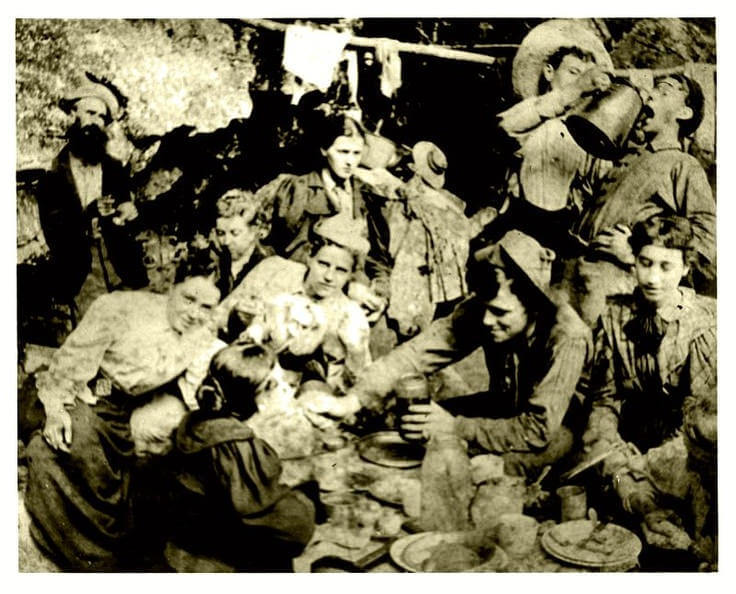
Today, an abbreviated version of Rugby still stands, a dollhouse village of Victorian structures forgotten by time and miles away from any interstate. Historic preservationists have saved what they could — the church, library and schoolhouse still stand, along with several original houses. Meanwhile, Rugby’s commissary, the Alexander-Perrigo Boarding House and several private homes have been painstakingly reconstructed from original plans. Just two and a half hours from Nashville, a day or two in Rugby makes for a truly unique and unforgettable experience.
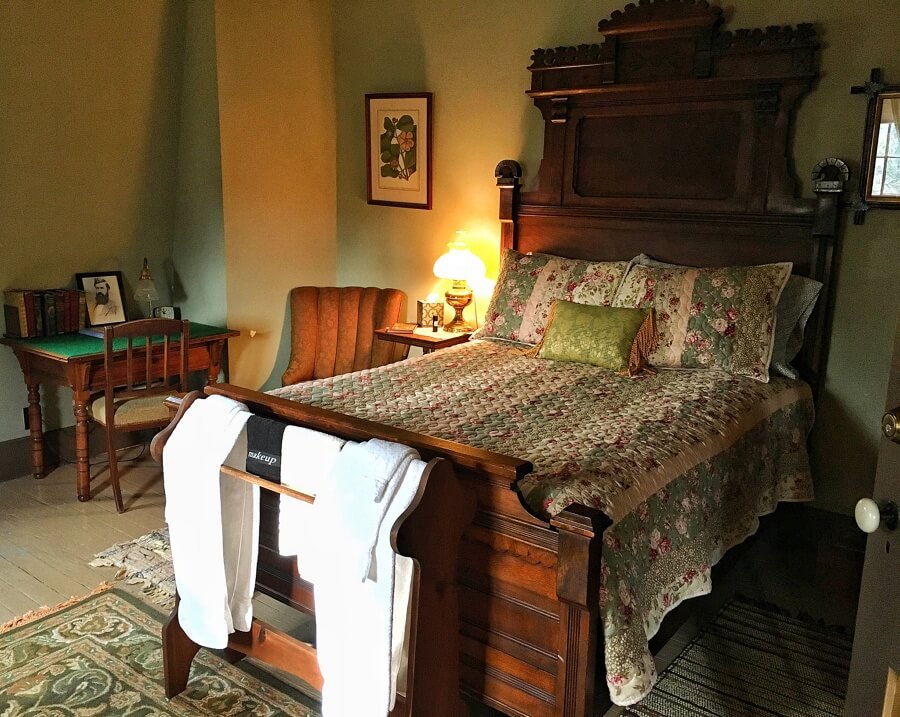
Rugby has several charming lodging options ranging from private cottages to bed & breakfasts, but we’ve opted to stay at the Newbury House during all three of our visits to the area. Built in 1880, this boarding house is entirely furnished with period pieces (some original to the house) and includes a cozy parlor with a working gas fireplace, a sunny reading room and full-sized kitchen, in addition to its private rooms. We love visiting Rugby during the off-season (November through February) so that we’re likely to have the entire house to ourselves. As an added bonus, the Newbury House also enjoys a reputation as one of the most haunted houses in America. And while I can’t say I truly believe in ghosts, things have happened on all of our visits to the Newbury House that I can’t rationally explain.


If you’re looking for something a bit more modern (or, perhaps, less supernatural), Rugby locals and visitors alike heartily recommend the Grey Gables Bed ‘N Breakfast Inn. Located just a mile from historic Rugby, the inn has 10 comfortable bedrooms, and rates include both breakfast and a four-course dinner prepared by proprietor Linda Brooks Jones. Linda is known throughout the region for her cooking and has published two cookbooks, so we’re eager to try out this B&B on our next visit.

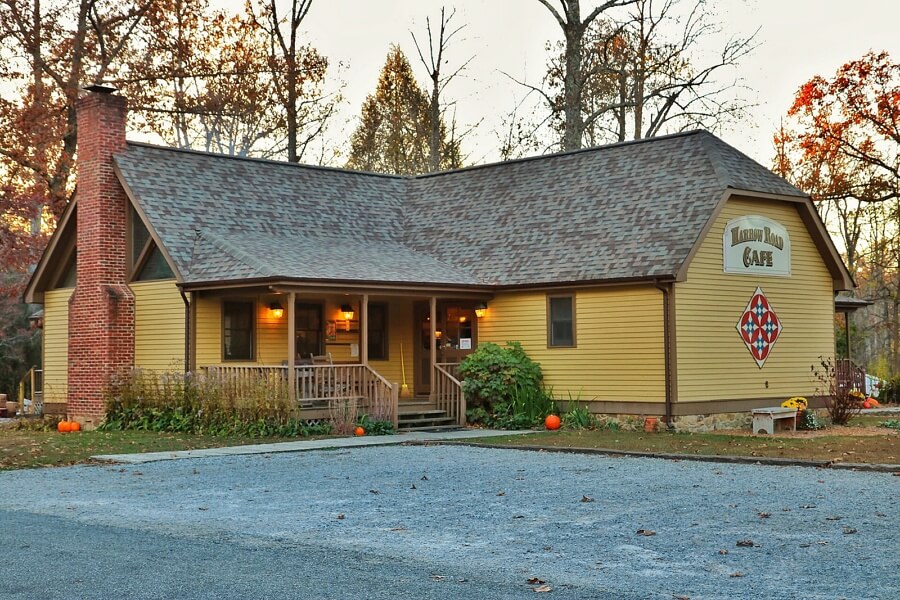
Rugby’s other dinner option is the Harrow Road Cafe, which also serves breakfast and lunch. Although we found the entrées to be lackluster, Harrow Road is worth a stop for its mouthwatering desserts and homemade breads. Ask for fresh rolls straight from the oven — they’re wonderful when they’re hot. If you’re a grilled cheese fan, I recommend going off-menu and ordering the “adult grilled cheese sandwich” — Swiss cheese, spinach and caramelized onions on homemade Pullman bread. As for the desserts, consider yourself lucky if Dutch Apple Pie is on the menu. Made by one of the servers, it’s moist and crumbly with a rich cinnamon flavor. A gifted baker by the name of Mary is responsible for the rest of the desserts, in addition to the breads. We had a delicious slice of Mary’s coconut buttermilk pie during our visit, and her peanut butter pie was an absolute showstopper.
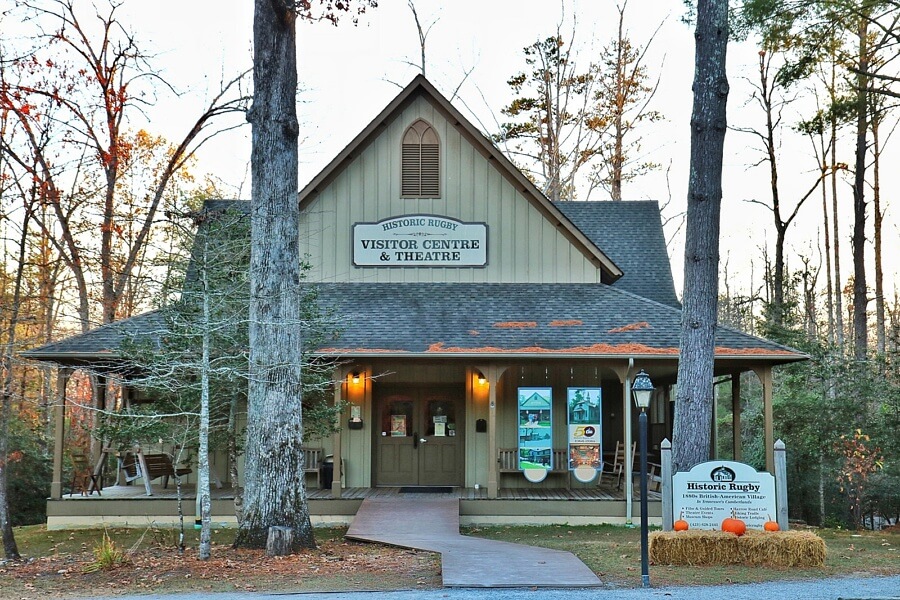
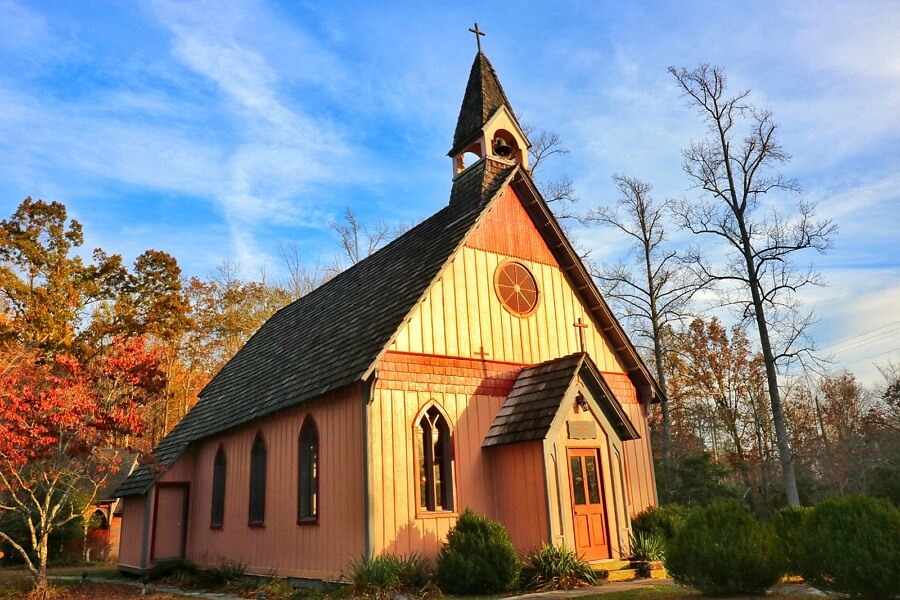
Whatever you do while you’re in Rugby, don’t miss the guided tour of the village. It includes a short film about Rugby’s history and a walk around the village with visits inside Thomas Hughes’ home, the church and Rugby’s crown jewel: the public library.
Rugby locals and British and American publishers donated 7,000 volumes to Rugby’s public library at the end of the 1800s. All but six of those 7,000 volumes remain in the library today. It is the only surviving Victorian library in the United States, and when you step inside its doors, you’ll instantly feel as if you’ve traveled 120 years back in time. Take a few minutes while you’re here to peruse the shelves, which are filled with light novels, children’s books, government reports, newspapers and instructional books on topics like agriculture and medicine. You’ll even find a full set of the works of Charles Dickens — he was a friend of Thomas Hughes’ mother, who spent her final years here, overseeing the social lives of Rugby’s residents.

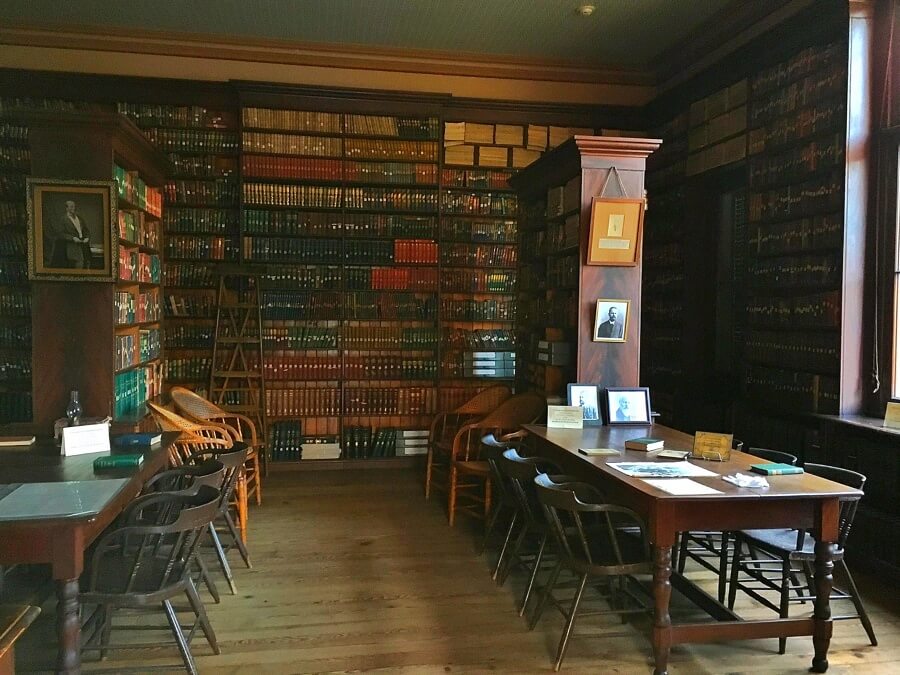

The tour ends at the schoolhouse, which now serves as a museum filled with photographs and newspaper accounts of Rugby’s heyday. Once you’ve completed the tour, you’ll have a real understanding of Rugby’s fascinating place in American history.
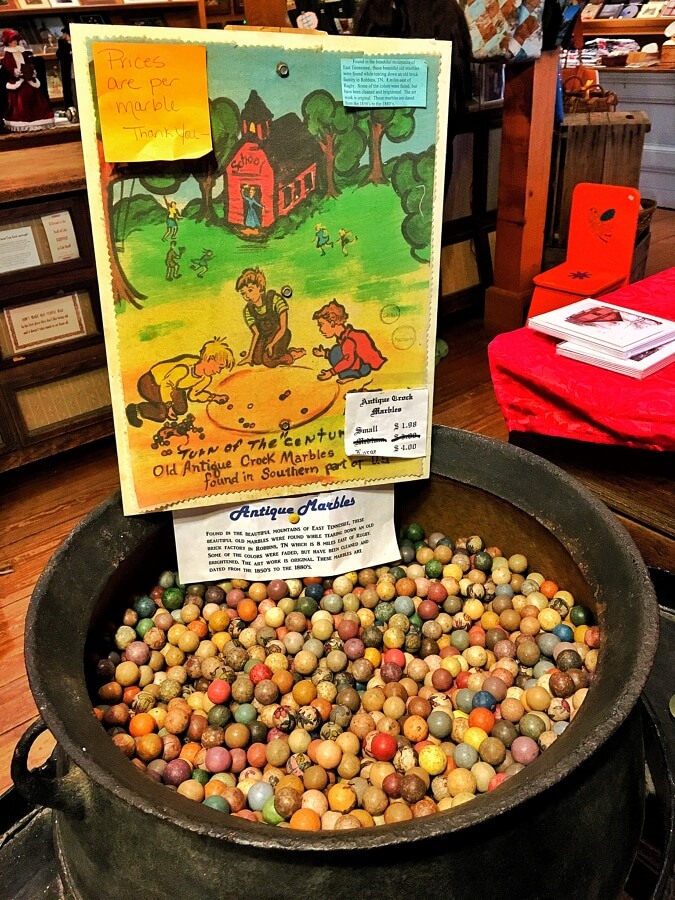
You’ll also want to make time for Rugby’s commissary, which now sells arts and crafts made by Appalachian artisans, as well as oddities like a bin full of children’s marbles made in the mid-1800s and discovered several years ago in the ruins of a nearby factory.
Directly across the street, you’ll find The Spirit of Red Hill, a reconstructed boarding house now operating as a unique shop and bed and breakfast. I loved the selection of crafts and antiques in this cozy and welcoming place.

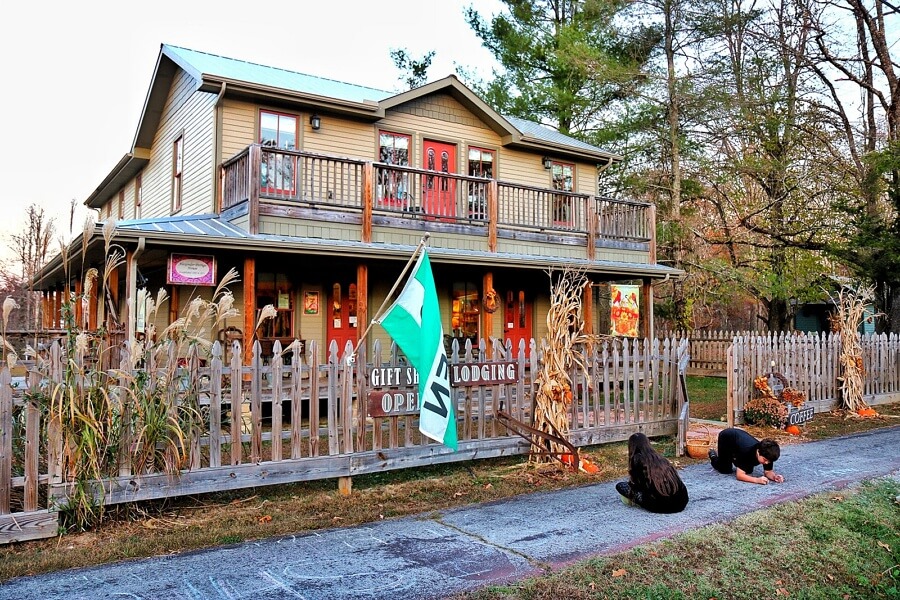
A mile away on Rugby’s border, you’ll find the R.M. Brooks Store, an iconic family-run business that was my favorite discovery on our most recent trip to Rugby. Opened in 1917, this general store is run today by R.M. Brooks’s descendants, and when you visit, you’ll find little has changed since it opened. A pot-bellied stove in the center of the store provides warmth on cold days, and you’ll likely find it surrounded by locals seated in rocking chairs, trading gossip. Behind the counter, great-granddaughter Tiffany cooks up breakfast and lunch to order, including what some say is the best fried bologna sandwich in Tennessee. (I’d have to agree; we ordered one the first day of our visit and came back the next afternoon for more!) Most top their bologna with a slice of delicious hoop cheese from the big wheel on the counter, made by the Muddy Pond Mennonite community just down the road. Get to the store early enough and you can also sample Linda Brooks Jones’ famous fried pies and homemade candy before they sell out. (Yes, this is the same Linda Brooks Jones who runs the Grey Gables Inn. She’s Tiffany’s mother.)
If you’re lucky, Bobby Brooks (Tiffany’s uncle and Linda’s brother) will also be around to tell you the stories behind the many eclectic family “artifacts” that crowd the general store’s shelves, including vintage store stock, crumbling photographs, prehistoric Indian tools, hornets’ nests (some of which still had a few hornets in them when Bobby put them out on display years ago), antique farm implements, and even the taxidermied remains of what used to be the general store’s talking parrot, still perched rakishly inside its cage. Bobby has collected many of the items here and he loves to talk, so don’t be shy about asking him questions — the man is a dream come true for local history buffs.

Rugby borders both the Big South Fork National River and Recreation Area and the new Rugby State Natural Area and has several nearby hiking trails. The best of these trails can be found down Laurel Dale Cemetery Road, in the heart of historic Rugby. At the end of this road, you’ll find the cemetery that contains the graves of many of Rugby’s most notable residents, including Thomas Hughes’ mother, Rugby’s first priest and the victims of the typhoid fever outbreak.
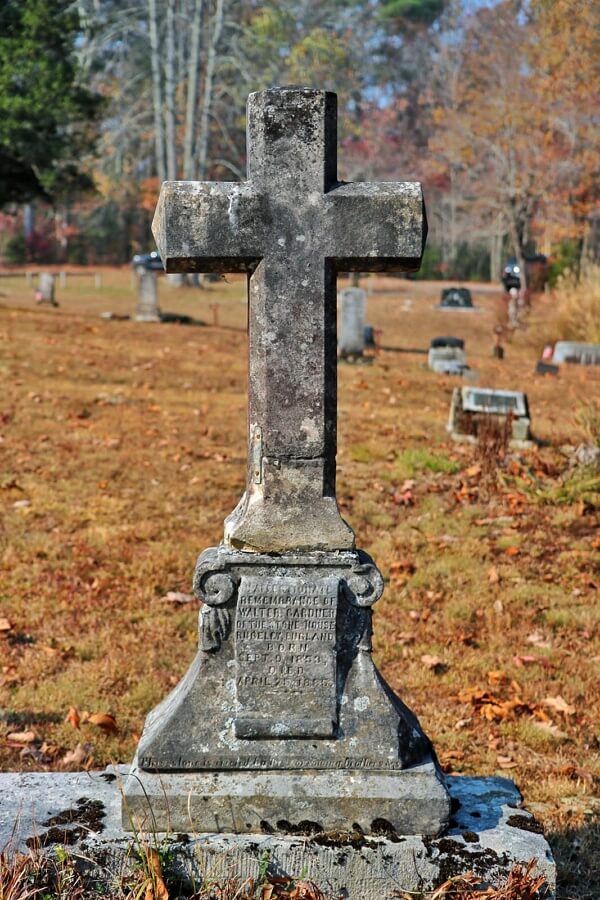
Just beside the cemetery is the trailhead to Gentleman’s Swimming Hole, a .4 mile, century-old trail used by the original colonists that winds downhill through incredible rock formations and lush mountain laurel to a sparkling swimming hole in the Clear Fork Creek, believed to be the oldest continuously used swimming hole in the nation.
Continue on the trail to Meeting of the Waters. This popular colonist picnic spot is also where the Clear Fork and White Oak creeks merge and form the Big South Fork. At this point, the trail winds back to where you started. The entire loop is 2.1 miles long.
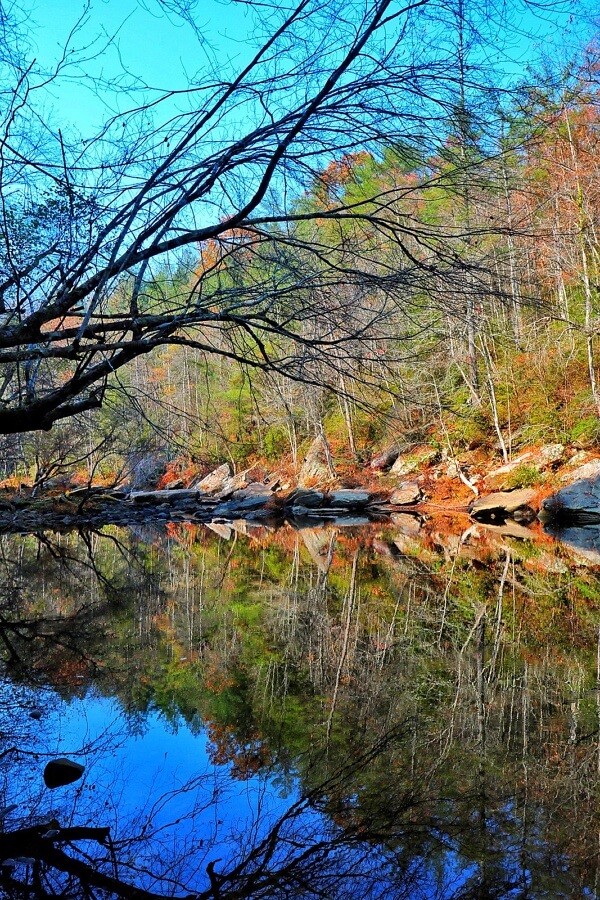

If you want to see more of Big South Fork, consider driving to Stearns, Kentucky, a charming town 50 minutes from Rugby, and riding the Big South Fork Scenic Railway into the gorge to Blue Heron, an abandoned mining camp from the 1930s. The ride is about an hour long each way, with 30 minutes to explore the mining camp, and it’s a fun way to see more of this beautiful natural area. Big South Fork offers something for all outdoor skill levels, including kayaking, waterfall hikes, mountain biking, horseback riding and more. Choose your favorite activity and make time to see one of Tennessee’s most scenic parks while you’re visiting Rugby.


Travel to Rugby once and I can almost guarantee you’ll be back for more. It’s a getaway unlike any other, a remote haven far from the relentless hustle of today’s society, and a fascinating look back at an Appalachian Eden and its tragic fall from grace.
For more on Rugby’s fascinating history and on the surrounding area, check out Lindsay’s blog, Suburban Turmoil.
**********
Want more ideas for great destinations in the South and beyond? Check out our entire travel section — click here!

Lindsay Ferrier
Lindsay Ferrier is a Nashville-based travel writer and author of the blog Suburban Turmoil.