
She’s Empowering Memphis Musicians to Know Their Worth
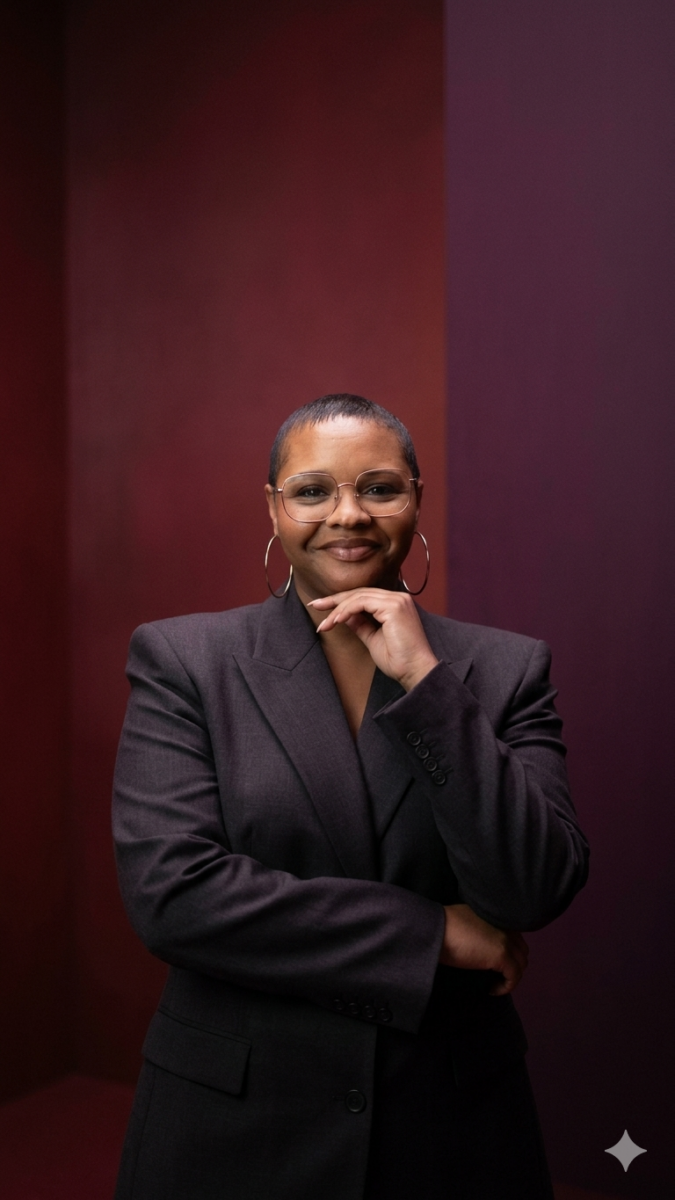
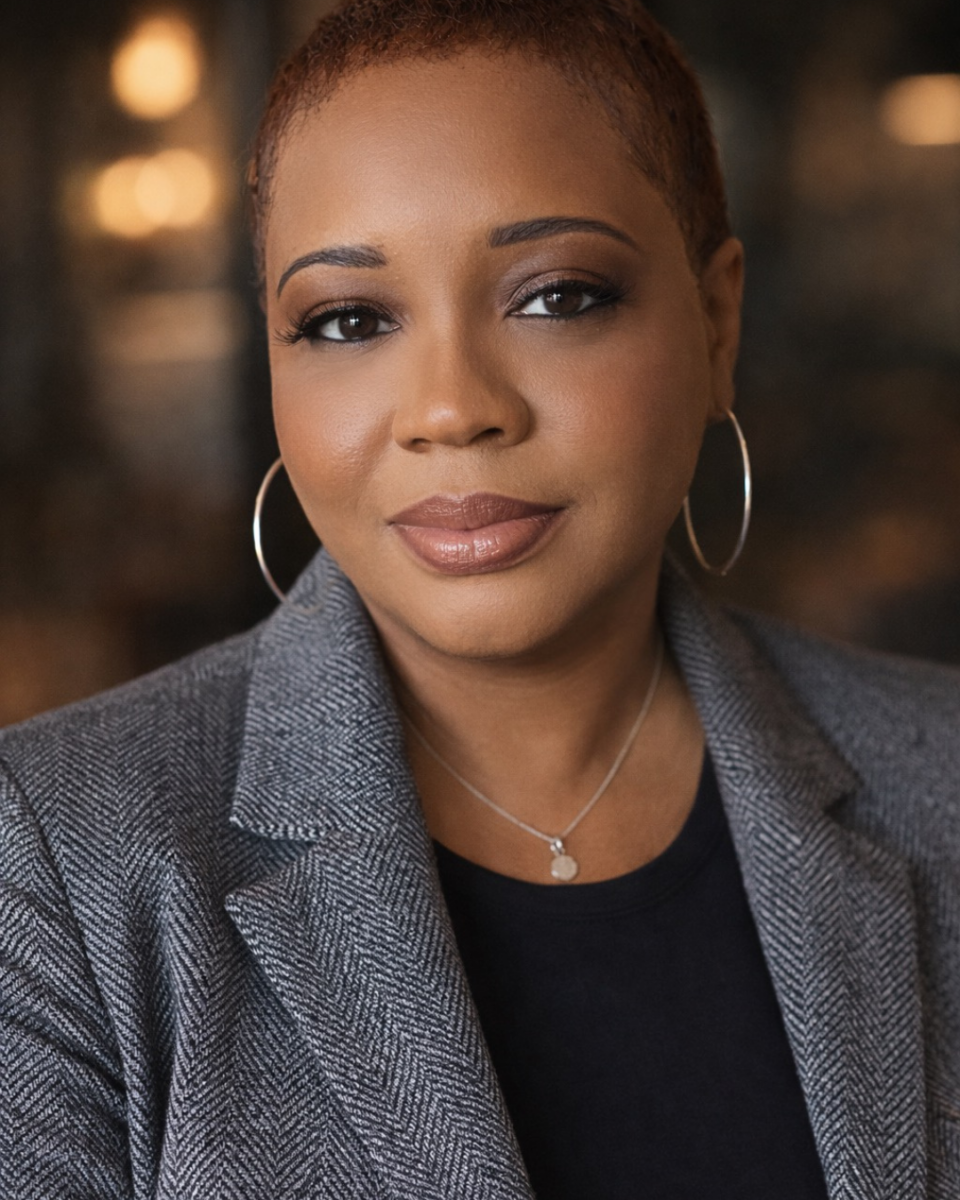
Renisha Mayes is helping Memphis musicians turn talent into sustainable careers. Meet the artist, producer, author, and entrepreneur who's championing a smarter approach to the music business. Image: Jordaan Davis
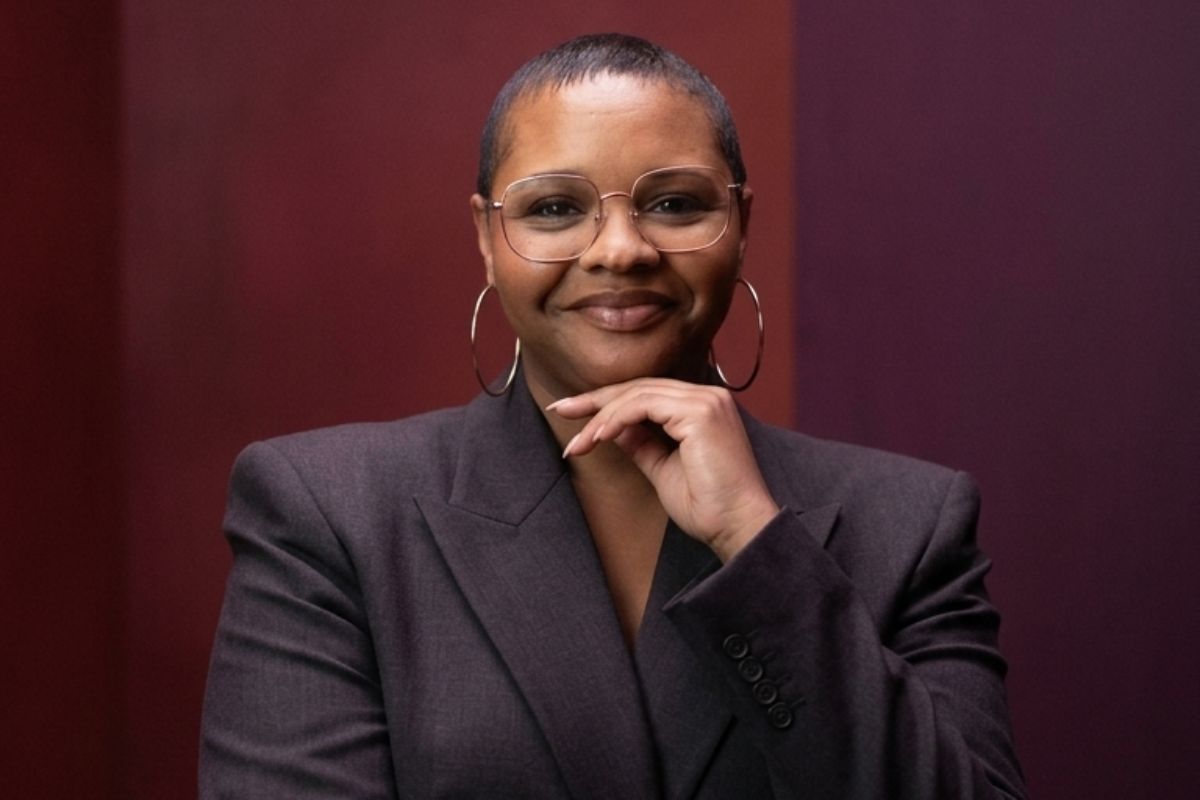
Memphis musicians may have soul, but Renisha Mayes brings the strategy. As an artist, producer, consultant, author, and nonprofit founder, she’s on a mission to help musicians stop hustling and start earning. Combining strategy and structure with a passion for helping other artists succeed, this multi-talented powerhouse is rewriting the rules of the business. Meet the creative force behind Fast Fruits Consulting, Fast Fruits Cares, RENI, and a new book, Music Revenue Readiness: From Talent to Trade.
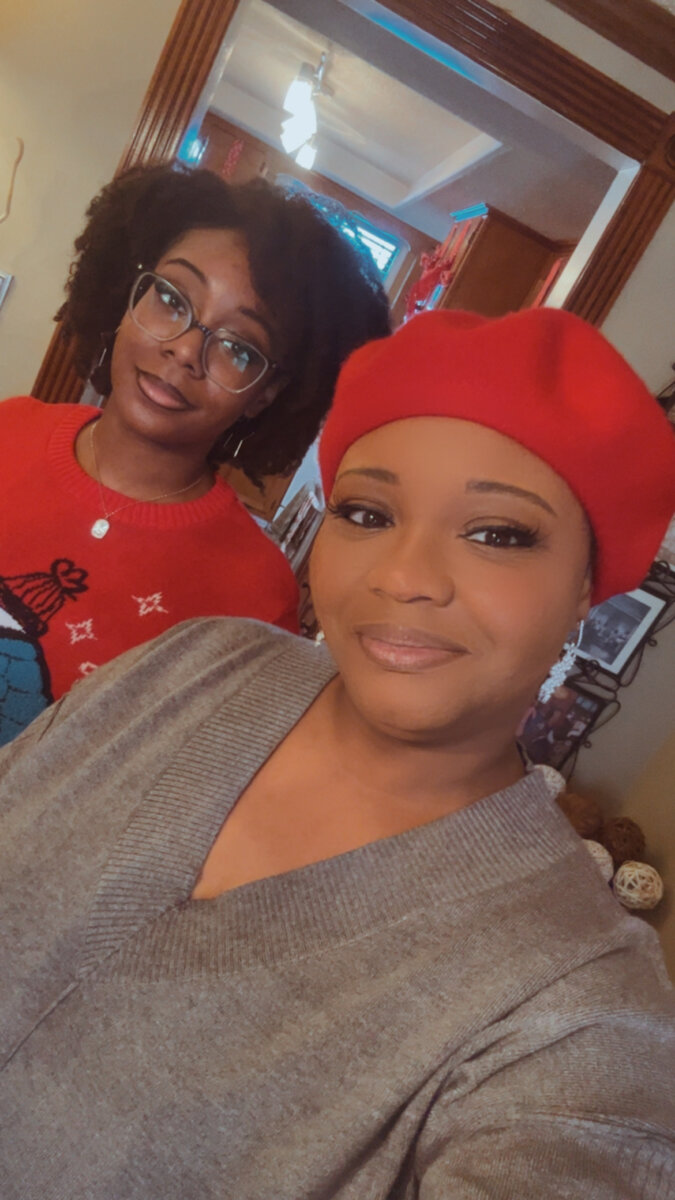
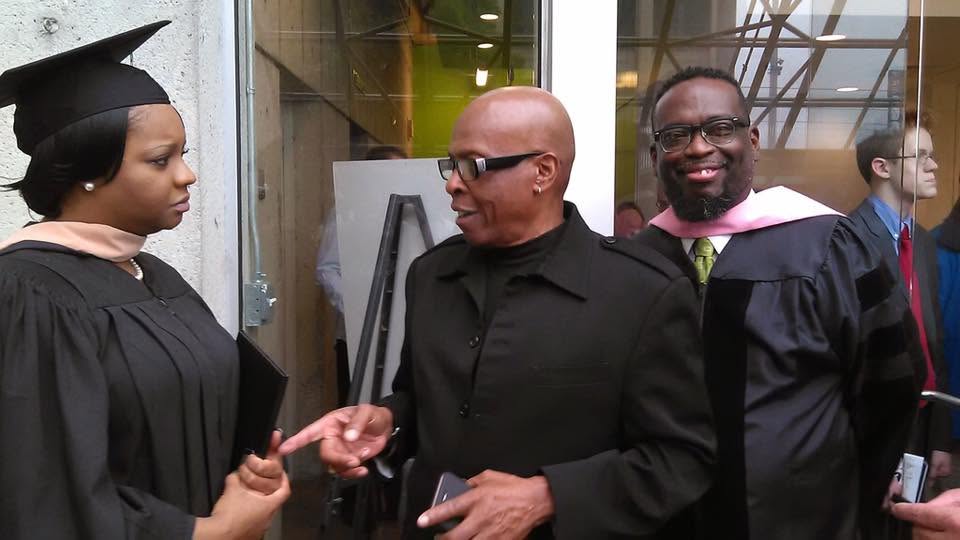
Your career began when music legend David Porter attended your college graduation and offered you a job. What did that opportunity teach you?
That moment shaped everything. It taught me something early that still guides me today: Memphis music is a relay race.
Legends open doors for the next generation, and you honor that by opening doors when it becomes your turn. Mr. Porter made room for me at a time when I was still finding my place in the industry, and that opportunity changed the direction of my career.
So now, when I am in a position to share information, create access, or make room for someone else, I take that seriously. Somebody opened the door for me. My responsibility is to keep it open for the next person.
What are you currently working on musically?
I am creating a catalog of original music with a Memphis heartbeat that can be used by more than just me. That includes universal, sync-ready songs, along with original instrumentals that content creators, businesses, organizations, and filmmakers can use for background music, demos, storytelling, and commercial projects.
My goal is not only to be the artist standing in front of every song, but also to do the work as a songwriter, producer, publisher, and catalog owner, with control of both my compositions and master recordings.
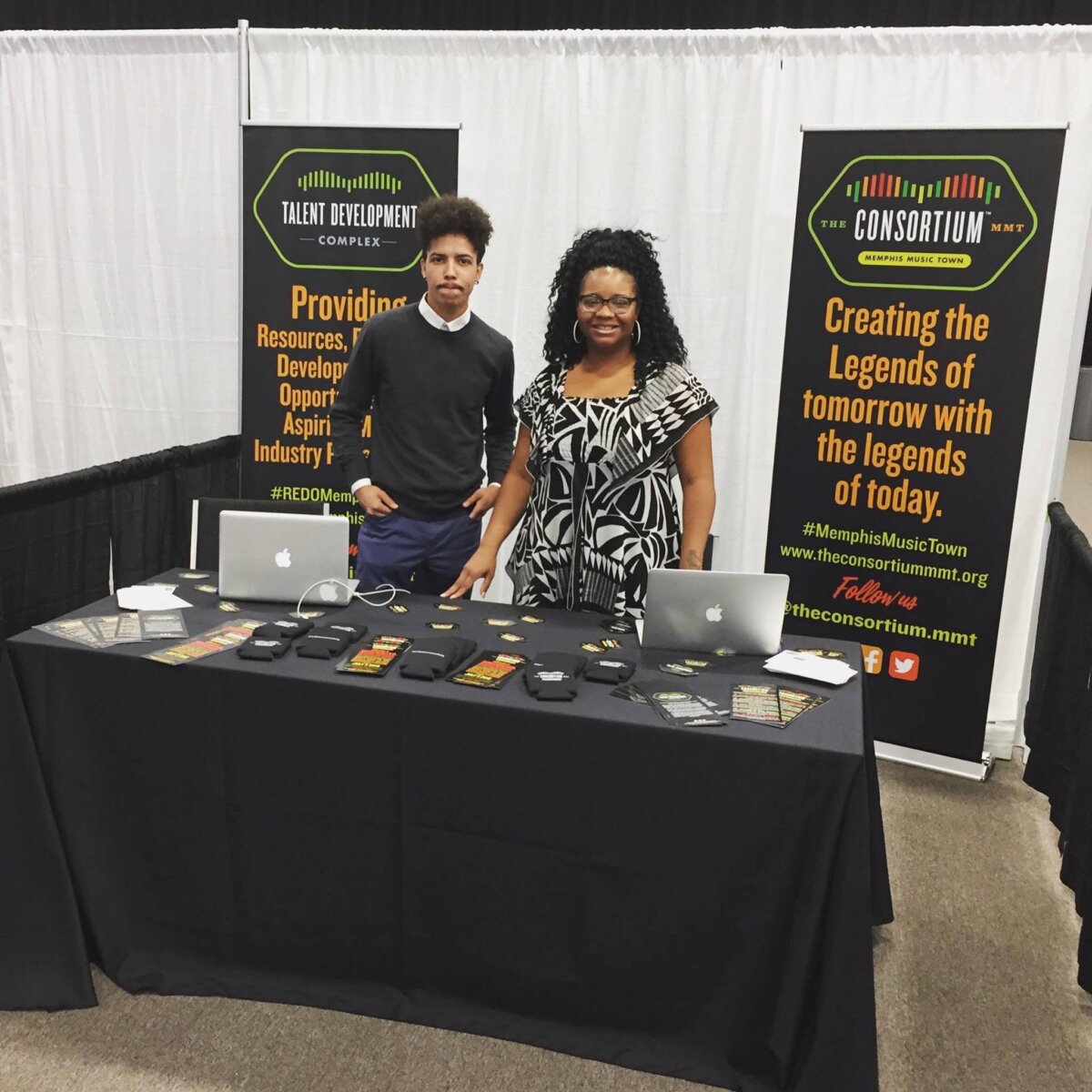
I own the vehicles behind the music too, including my record label and publishing company. The same infrastructure I teach artists to build, I am now building around my own music and making available to other creators.
Why is artist ownership a personal mission for you?
Because ownership can be the difference between building generational wealth and running on a treadmill.
I have sat across the table from too many gifted people who created valuable music but walked away owning very little of it. The music may be moving, but the money is moving around them.
My work is about helping artists build the business behind the music so that when the check comes, it comes to them, and it keeps coming.
Structure protects you. Revenue sustains you. Ownership gives you options.
As someone who’s been both an artist and a mentor, what’s one piece of advice you always find yourself giving musicians?
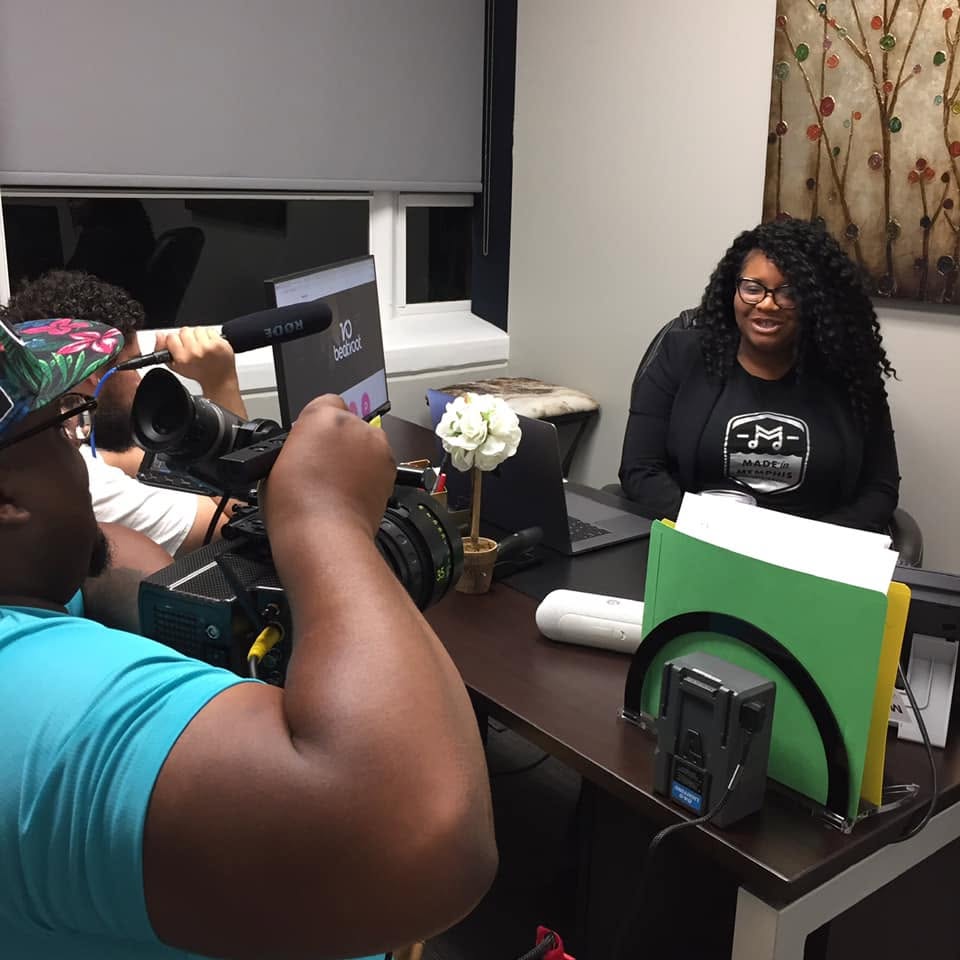
“If you want to be treated like a business, bill like a business.” I also say this in almost every workshop: “Without structure, you are just a hustler with a hobby.”
Talent may get you into the room, but structure is what helps you stay there and get paid. That means establishing the right business structure for where you are, whether you operate as a sole proprietor or form a separate business entity.
It means getting an EIN, opening a business bank account, using invoices and contracts, registering with a performing rights organization, keeping your publishing and metadata in order, and maintaining clean financial records.
You cannot wait until the song starts moving or someone offers you a deal to learn the business. The business starts the moment you decide to take your talent seriously and build something around it.
You recently wrote your first book. What inspired it, and what do you hope readers take away?
Music Revenue Readiness: From Talent to Trade came from a pattern I kept seeing. I was having the same conversation with different creatives. These were talented, working artists and audio professionals who had never fully walked through the revenue side of the music business. Registrations, royalties, rights, publishing, metadata, taxes, contracts, and the systems that turn creative work into income were still confusing to them.
So I wrote a practical beginner’s guide with a built-in 90-day work plan. I wanted the book to be affordable, easy to understand, and useful — but I also wanted it to hold creatives accountable to actually doing the work. Reading is one thing. Following a plan with real steps and real deadlines is what turns knowledge into revenue.
Memphis has influenced generations of musicians. What’s one thing about this city’s music culture that outsiders don’t fully understand?
Outsiders see the hits and the heritage. What insiders know is that Memphis runs on relationships, mentorship, informal apprenticeships, studios, churches, organizations, and people quietly training the next generation. This city not only produces sound, but it also produces music professionals.
The genres also talk to each other here in a way they do not in most cities. Blues, funk and soul, gospel, hip-hop, rock, R&B, and jazz share bloodlines. Sometimes they even share the same musicians, families, studios, and stories. That cross-pollination is part of the secret sauce.
What songs do you have on repeat right now?
Moonchild has definitely been on repeat. I love their sound because it is smooth, soulful, and easy to work or drive to. I have also fallen into the world of YouTube DJs. I have discovered some incredible DJs mixing everything from Michael Jackson and old-school R&B to newer music, lo-fi, and chill study sets. Some days, I will let one mix play for hours while I am working from home.
When you’re not working, where will we most likely find you?
You may find me around Crosstown Concourse. I also enjoy coffee shops, museums, bookstores, local farmers’ markets, gardens, and artsy outdoor spaces. The older I get, the more I enjoy being outside, especially somewhere with flowers, public art, and room to walk around without being rushed.
I am also a Memphis Tigers basketball fan, so you may find me supporting both the men’s and women’s teams.
Other times, I am at home with a glass of Cabernet, watching a BritBox mystery.
What’s something people are always surprised to learn about you?
People are usually surprised to learn that Fast Fruits started as literal snack packs. I was preparing customized fresh fruit and mixed nuts, vending at events, and building a business around healthier snack options. Honestly, I had no idea Fast Fruits would grow or pivot into what it is today.
Over time, I began to see how the work connected wellness, entrepreneurship, community access, education, and economic opportunity. That eventually led to Fast Fruits Consulting and now Fast Fruits Cares.
And finally, we always ask: what’s the best piece of advice you’ve ever gotten?
The most valuable piece of advice I have ever received came from Ruby Bright, the former president and CEO of the Women’s Foundation for a Greater Memphis, who mentored me early in my career: “You have permission to build what you know is needed.”
She showed me that leadership is really about stewardship — how you care for people, handle opportunities, and leave things better than you found them. Everything I build now sits on that foundation.
**********
For more inspiring FACES of Memphis, click HERE.
Gaye Swan
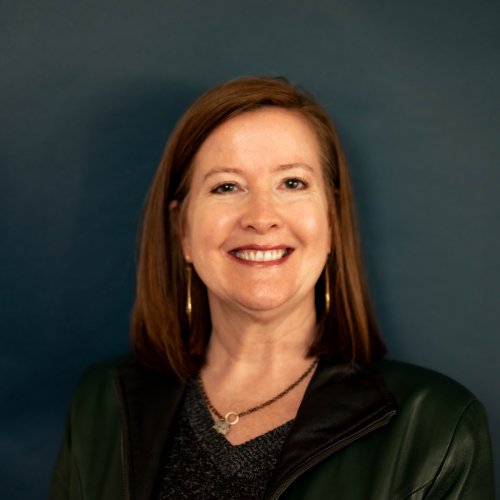
As a professional writer of over 20 years, Gaye is an avid traveler and enjoys highlighting food, culture, and attractions around the South. While Gaye is passionate about life in Memphis, she grew up in Meridian and is still a Mississippi girl at heart.