

8 Dietitian-Approved Tips to Stay Hydrated and Glowing
Staying hydrated isn’t just a checklist item — it’s essential for energy, hormonal balance, digestion, and even mood. A Registered Dietitian breaks down why hydration matters (especially for women) and shares eight simple strategies to keep you glowing all year long. Image: iStock
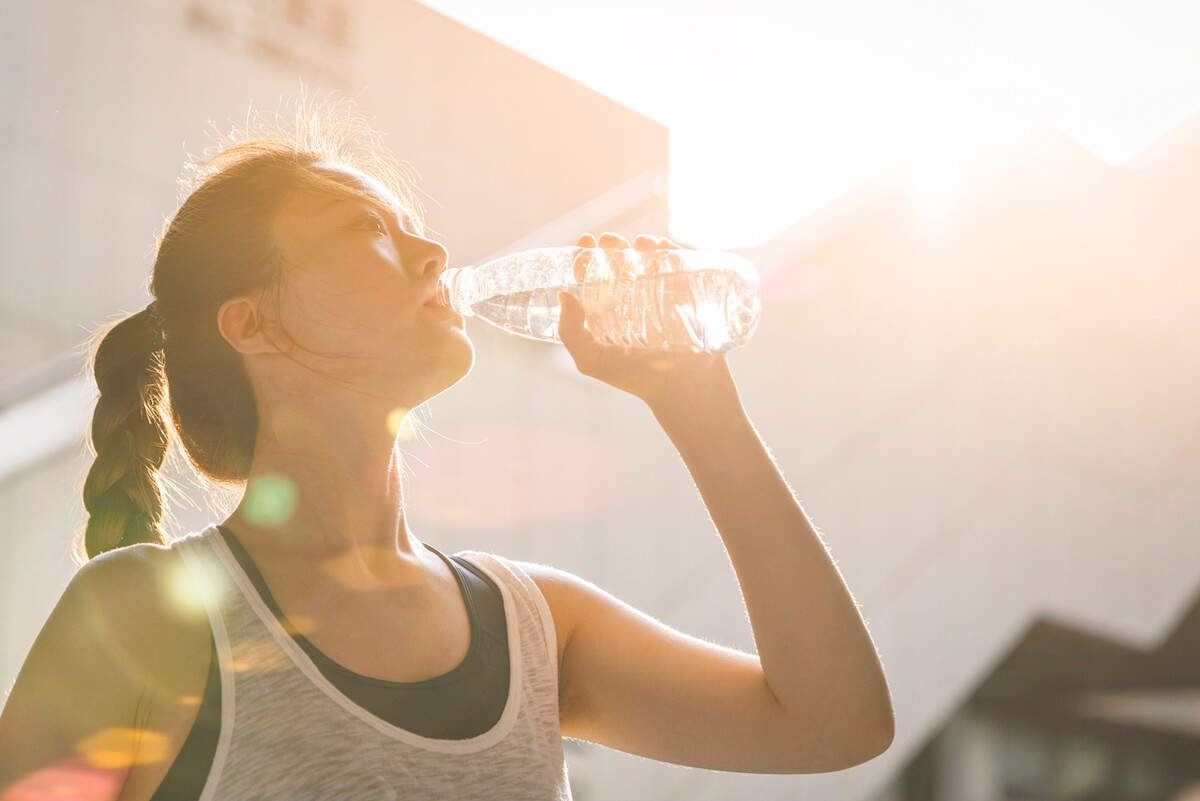
When the summer heat hits its peak, staying hydrated becomes more than just a matter of comfort. It’s a crucial part of supporting your overall health. Hot days and sunshine mean outdoor fun, but they also mean higher temperatures, more sweating, and a greater need for thoughtful hydration.
For women, hydration plays a key role in hormonal balance, skin health, digestion, and even mental clarity. As a registered dietitian, I often see dehydration overlooked until fatigue, headaches, or digestive issues emerge (cue the constipation). So let’s dive into why hydration is so important and my top hydration tips for when the temperatures soar.
Why Hydration Matters, Especially for Women
Women’s bodies are uniquely influenced by hormonal fluctuations that can affect fluid balance. For example, estrogen and progesterone levels during the menstrual cycle, pregnancy, and menopause can increase fluid retention or loss. Add summer heat to the equation, and you’ve got a perfect storm for dehydration unless you’re being proactive.
On average, women need about 90 ounces of total fluids per day, including water from beverages and food. However, this number can rise during hot weather, physical activity, breastfeeding, illness (especially with fever or vomiting), and menstrual cycles.
Here are some key health areas impacted by hydration:
- Hormonal health: Water helps transport hormones and regulate their activity.
- Urinary tract health: Staying hydrated helps prevent urinary tract infections (UTIs), which are more common in women.
- Skin appearance: Hydrated skin is more resilient against dryness and sun exposure. (Plus, it helps us look more glowy!)
- Digestive support: Water aids in preventing constipation, a common concern, especially during travel or dietary changes in the summer heat.
8 Dietitian-Approved Hydration Tips
1. Start Your Day with Water
Begin each morning with eight to 12 ounces of water before coffee or tea. Overnight, your body loses fluid through breathing and sweating, so replenishing first thing in the morning helps reboot your system. Extra points if you add a splash of lemon juice to help jumpstart digestion.
2. Eat Your Water
About 20% to 30% of your daily fluid needs can come from food. Include water-rich seasonal produce like:
- Cucumbers (96% water)
- Watermelon (92% water)
- Strawberries (91% water)
- Zucchini (94% water)
- Lettuce and spinach (95% water)
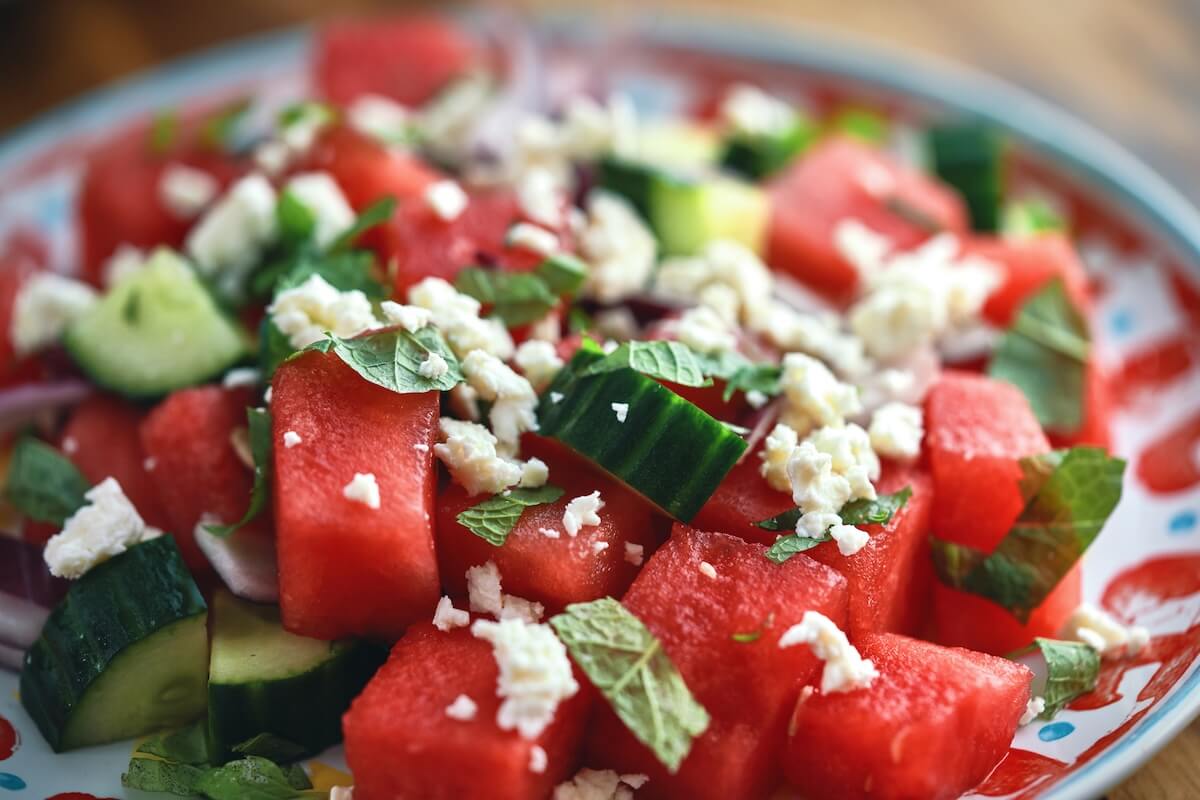
Bonus: These foods also provide essential electrolytes like potassium and magnesium. To incorporate them, try a watermelon salad with cucumber, feta, and mint or marinated zucchini with farro, chickpeas, and parmesan.
3. Welcome Electrolytes … Wisely
When you sweat heavily, it’s not just water you’re losing; salt, potassium, magnesium, and other minerals go with it. Follow these hydration tips to add back electrolytes naturally and effectively.
- Include electrolyte sources from food products like coconut water, yogurt, milk, bananas, or a pinch of sea salt.
- Make your own electrolyte mocktail by mixing one or two cups of water, ¼ tsp sea salt or Himalayan pink salt, ¼ tsp cream of tartar, and the juice of ½ lemon or lime. Try this one if you have coconut water on hand.
- For exercise exceeding 60 minutes, electrolyte powder mixes can be helpful — but watch for sources of added sugar and sodium. Some clean options I recommend include Redmond Re-Lyte, Ultima Replenisher, or DripDrop.
- For women who experience heavy menstrual cycles, adding a magnesium-rich drink may also help support fluid balance and reduce cramps. Try Magnesium Plus by Nātalist or Magnesium Bisglycinate packets by Thorne.
4. Create a Hydration Schedule
Waiting until you’re thirsty means you’re probably already behind. Set reminders throughout the day or use a water tracking app to ensure you’re drinking consistently, especially between meals, after sun exposure, or after exercise.
5. Make Water Fun Again
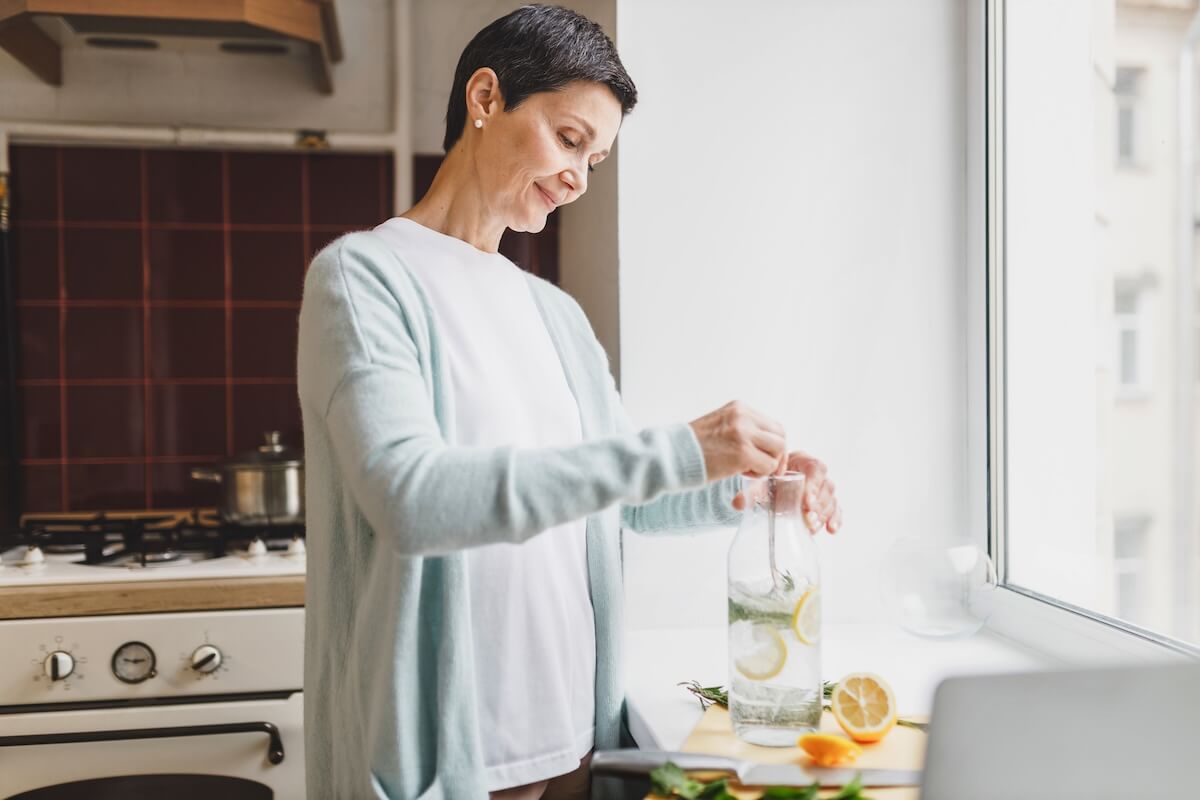
Hydration shouldn’t be boring. Keep it interesting so you’ll actually want to drink it! Try infusing water with fresh fruits like lemon, orange, berries, and cucumber, or add a sprig of mint, hibiscus tea, or basil. If you’re a fan of bubbly things, try sparkling water or make homemade fruit popsicles (such as watermelon-coconut-lime) for a cool treat.
6. Mind What You Sip
Watch the caffeine and alcohol — both can be dehydrating when consumed in excess. For every caffeinated or alcoholic beverage, aim to drink at least one glass of water to compensate for fluid loss.
- Caffeine: Caffeine has a mild diuretic effect, meaning it can increase urine production and potentially lead to dehydration if not balanced with adequate water intake.
- Alcohol and sugary drinks: Alone or combined, both can dehydrate you and add empty calories. Alternate any alcoholic beverage with a full glass of water.
7. Track It: What Your Urine and Weight Say About Hydration
One of the easiest ways to monitor hydration is by checking the color of your urine. As a general guideline:
- Pale yellow to light straw-colored: You’re likely well-hydrated.
- Dark yellow or amber: You may need to drink more fluids.
- Clear: You might be overhydrating, especially if you’re frequently urinating.
Daily weight fluctuations can also be a helpful metric for measuring hydration for active individuals. For athletes or those exercising in the extreme heat, tracking daily weight can offer insight into your hydration status, especially following workouts.
- Weigh yourself before and after exercise (preferably nude and dry, for accuracy).
- A weight loss of more than 2% of your body weight after a workout suggests dehydration.
- Rehydrate with 16 to 24 ounces of fluid per pound lost.
8. Listen to Your Body
One of the most important things we can do to monitor hydration is to tune into our bodies. Dehydration can begin before you feel noticeably thirsty. Common early symptoms include:
- Dry mouth or lips
- Headaches
- Constipation
- Dizziness or lightheadedness
- Mild muscle cramps
- Decreased urine output or dark yellow urine
- Irritability or mood swings
Rehydrating effectively depends on how much fluid you’ve lost and the context. For general dehydration, sip water gradually and avoid chugging. Aim for small amounts of fluid every 10 to 15 minutes to replenish yourself. After exercising or simply sweating from the heat, include electrolytes, especially sodium and potassium, through sports drinks, electrolyte packets, or food.
The key is to respond early, not just when symptoms intensify. A little awareness goes a long way in preventing dehydration-related fatigue, cramping, and impaired focus. Staying hydrated helps your body work at its best, from metabolism to mood.
Hydration is more than a simple summer checklist; it’s a daily commitment to your body’s natural rhythm and needs. By incorporating simple yet effective strategies, you can beat the heat, boost your energy, and support your hydration. So, fill up that glass, eat your fruit and veggies, and make hydration a self-care ritual you won’t skip.
As an Amazon Associate, we earn from qualifying purchases.
**********
For a dose of Style + Substance delivered straight to your inbox, subscribe to our daily emails!

Emmeline Huddleston Mercer
Emmeline is a Registered Dietitian (RD, RDN, LDN) based in Nashville, TN. She's passionate about educating folks on nutrition so they can live their lives to the fullest.