
Grammar Guru: Compliment vs. Complement and Stationary vs. Stationery
Holiday cards are in the mail, and Grammar Guru is here to save you from the season's sneakiest spelling traps. This month: compliment vs. complement and stationery vs. stationary. One letter separates each pair, spellcheck won't help, and we've got memory tricks that actually stick. Image: iStock
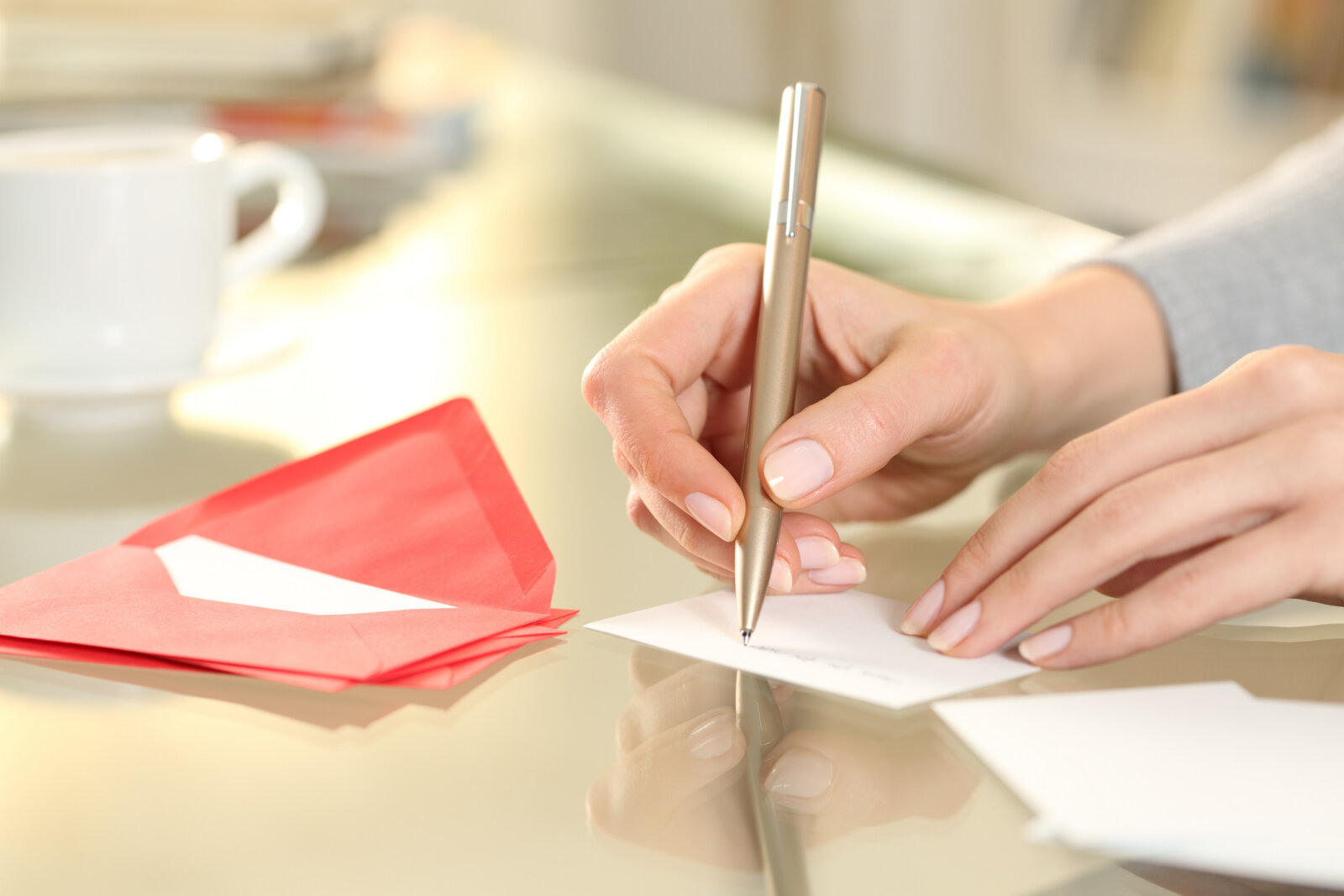
It’s almost the season for holiday cards, hostess gifts, and two of the sneakiest word pairs in the English language. This month, Grammar Guru tackles the one-letter differences that spellcheck will never catch.
It is peak season for both of today’s word pairs. You’re writing cards, thanking hosts, praising side dishes, and pairing wines. Which means you’re navigating “compliment” vs. “complement” and “stationery” vs. “stationary” more than any other month of the year.
One letter separates each pair; both spellings are real words, and autocorrect is no help at all. Let’s sort them out for good.
Compliment vs. Complement
“Compliment” with an “i” in the middle refers to kind words. Praise. Flattery.
CORRECT: She complimented my wreath, which made my whole morning!
“Complement” with an “e” in the middle refers to something that completes or goes well with something else.
CORRECT: That cabernet is the perfect complement to the beef tenderloin.
CORRECT: The navy velvet pillows complement the coral drapes beautifully.
My test: A complEment complEtes. Both have that E. If two things go together, enhance each other, or finish each other off, you want “complement.” If someone is saying something nice, you want “compliment,” and I like to remember that “I” love receiving them.
The same rule carries over to the adjective forms, where the stakes get expensive. Complimentary means free or flattering. Complementary means things that pair well.
CORRECT: The hotel offers complimentary valet parking. (Free. And free is wonderful.)
CORRECT: The restaurant dish’s complementary flavors of sorghum and bacon won me over. (They complete each other.)
If a hotel ever offers you “complementary breakfast,” I can only assume it’s a typo. Unless it coordinates with your room?!

Stationery vs. Stationary
“Stationery” with an “e” is paper goods: note cards, letterheads, and the paper sets we love to monogram.
“Stationary” with an “a” means not moving.
CORRECT: I ordered custom stationery for our thank-you notes.
CORRECT: The car in front of me was completely stationary, so other drivers began honking at it.
INCORRECT: She has beautiful personal stationary.
Unless the compliment is that she herself does not move, that sentence needs an “e.” (You did see what I did there, right?)
My test: StationEry is for lEtters and Envelopes. StationAry means stAying put. This trick has never once failed me.
Here’s a fun origin note that makes the spelling stick. In medieval times, most merchants traveled from town to town selling their wares. Booksellers and paper sellers, though, set up permanent shops near universities. They stayed put, which made them stationary vendors, called stationers. The goods a stationer sold became stationery. The two words are cousins, separated by one vowel and several centuries.

Let’s Put These Together!
CORRECT: I complimented her on her gorgeous stationery, which perfectly complements her kitchen’s color palette, and she gave me a complimentary set as a hostess gift. I remained stationary from the shock.
If you can write that sentence without breaking a sweat, you’ve graduated.
One last plea before you seal those envelopes: proofread your holiday cards.
Every year, beautiful cards with foil edges and lovely family photos arrive bearing “Season’s Greetings from the Smith’s.” That apostrophe error is a lesson from our Grammar Guru archives, but it bears repeating: plural family names never take apostrophes. The Smiths. The Graveses. Yes, even names ending in S. If you are questioning me, find our full article dedicated to this HERE.
Next month, we’ll be back with more sticky issues, brought to you by the English language. Until then, send your grammar questions to [email protected]. I consider every submission a compliment.
**********
For life hacks, travel itineraries, style inspiration, and more, subscribe to our daily emails!

Liza Graves
As CEO of StyleBlueprint, Liza also regularly writes for SB. Most of her writing is now found in the recipe archives as cooking is her stress relief!