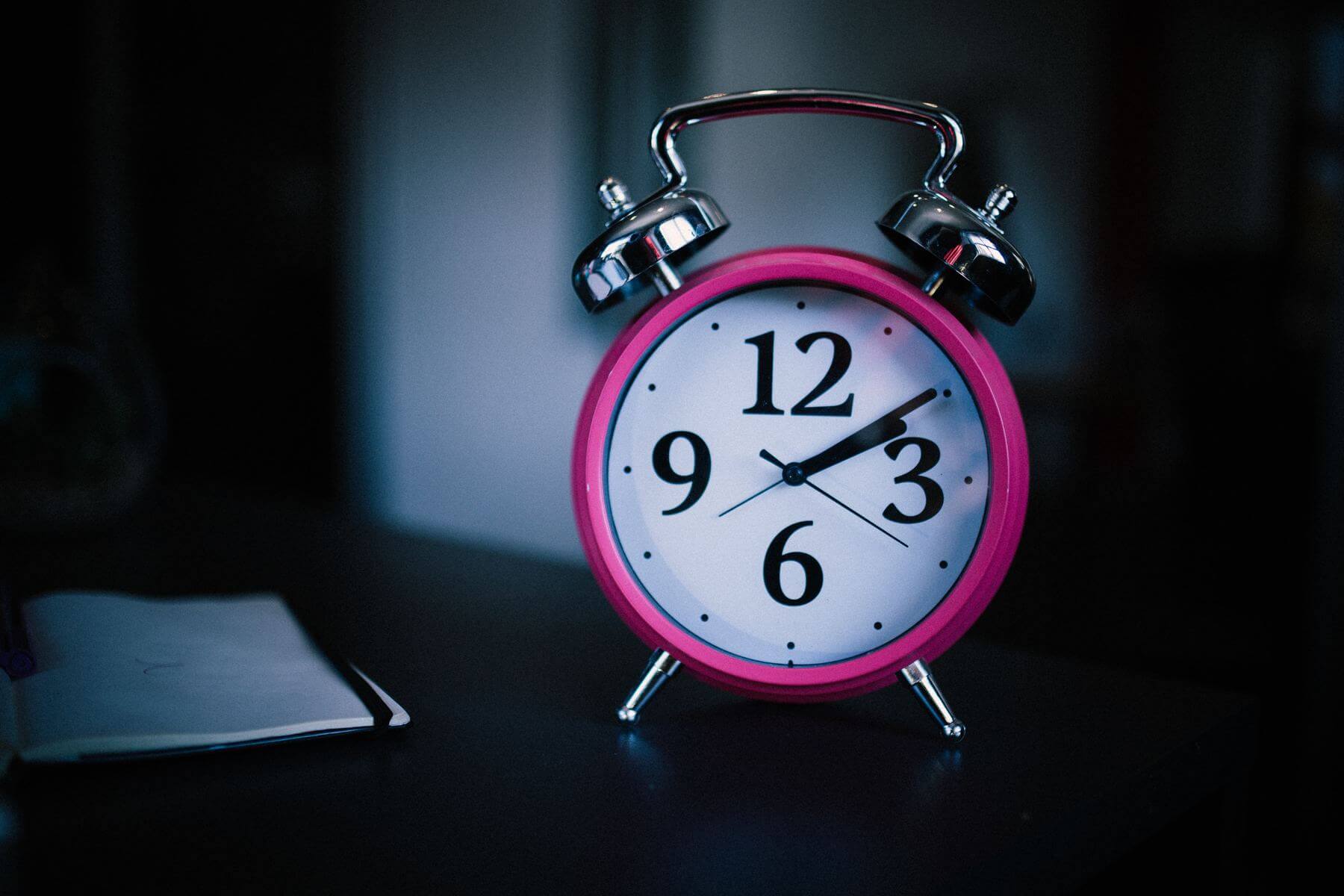
Getting a good night's sleep can make all the difference. We've spoken with the experts at Brookwood Baptist Medical Center to learn how to get better sleep.
sponsored content
Getting a good night’s rest isn’t easy. Between busy schedules, racing minds and early-morning alarms, getting better sleep can seem like an elusive feat that only those with personalized chefs and full-time maids can achieve. But that doesn’t have to be the case. We spoke with two physicians — Dr. Andrew Wilson, Jr., who specializes in pulmonary disease and sleep medicine, and Dr. Natalya Belotserkovskaya, a neurologist, both with Brookwood Baptist Medical Center — about the topic of sleep, how to get it and why we need it. Check out their insight, employ their suggestions, and we bet you will improve your waking hours immensely.
PinDr. Natalya Belotserkovskaya (left) and Dr. Andrew Wilson, Jr., both physicians at Brookwood Baptist Medical Center, talk to us about how to get better sleep.
What is sleep hygiene, and how can I get it?
Sleep hygiene can refer to a variety of different practices and habits used to have a quality night’s rest and maximize daytime alertness. One helpful strategy, Dr. Wilson says, is to try to align the amount of time you are sleeping with the amount of time you are in bed. “In other words, don’t stay in bed tossing and turning. Instead, get out of bed and do something relatively low key until you are ready to fall asleep and then go back to bed,” he says.
Conversely, don’t spend too much of your normal waking hours napping, he adds, because that can make it harder to fall asleep once you’re in bed. Other habits to be wary of are looking at your phone or other electronics before bedtime. Minimizing blue lights from screens in the evenings and maximizing bright lights upon waking can work wonders. Consuming caffeine and alcohol close to bedtime can also have a negative effect on sleep, he says.
“Caffeine can hang around in the body much longer than people realize. If you have trouble with fitful sleep, try avoiding caffeine at least 8 to 10 hours before bedtime,” Dr. Wilson advises. “A lot of people drink alcohol close to bedtime, sometimes in an effort to induce sleep, and it will induce sleep. The problem is that it adversely impacts your sleep rhythms and REM sleep, reducing the overall quality of sleep that night.”
Along with being conscious of how we’re spending time in bed, Dr. Belotserkovskaya advises keeping a hard and fast rule to reserve the sheets for a narrow list of activities. “Don’t spend excessive time awake in bed. Spending too much time in bed can create an association of the bedroom with insomnia. If you don’t fall asleep in 20 minutes, go to another room and try to do something relaxing like reading or listening to music.”
She also instructs to disconnect from all light-emitting devices like televisions, computers and phones.
PinMinimizing the use of screens and caffeine intake before bed can help you achieve better sleep.
What’s a reasonable amount of sleep people should aim for?
Both doctors agree that an adequate amount of sleep for the average adult is seven to nine hours. “That’s the amount recommended by the National Sleep Foundation,” explains Dr. Wilson.
“However, some people need as little as six and some need as much as 10,” continues Dr. Belotserkovskaya. “Less than six hours a night is generally not enough, and if you are requiring more sleep, this may mean that there is something wrong with your sleep quality.”
What are some additional sleep interferences?
Obviously, screens are a large concern and notorious for causing disruptive sleep — especially for teens. “Instead of FOMO (Fear of Missing Out), they need to develop FOMS (Fear of Missing Sleep),” says Dr. Wilson.
But screens aren’t the only thing to blame.
“Stress and anxiety are [also] major sleep disruptors and should prompt a physician evaluation,” he continues. “Also, differing sleep schedules among family members and childcare responsibilities are common issues that impact sleep continuity.”
Another common cause of poor sleep reiterated by Dr. Belotserkovskaya is the consumption of too much caffeine, particularly in the afternoon, as well as alcohol and nicotine before bed. “While many people know about healthy sleep habits, these are often difficult to follow,” she shares.
Pin“Instead of FOMO (Fear of Missing Out), they need to develop FOMS (Fear of Missing Sleep),” Dr. Wilson says of teens’ needs to put the phone away at night.
Now that we know all this, why is getting a good night’s sleep so important?
Dr. Belotserkovskaya explains, “Evidence has shown that sleep deprivation is associated with negative medical and psychiatric outcomes. Poor sleep is associated with obesity, depression, anxiety and can have negative effects on immune health.”
On the other hand, sleep is crucial for solid work performance and motor vehicle safety. “Lack of good sleep can make us tired, irritable, unfocused, less productive, hungrier and dangerous on the road,” adds Dr. Wilson.
What do you do to get a better night’s rest?
We posed this question to the experts and asked Drs. Belotserkovskaya and Wilson how they get a good night’s sleep. “Exercising regularly, but not close to bedtime, is an important healthy sleep habit,” says Dr. Belotserkovskaya. “Also, creating a sleep-promoting environment is helpful for a good night’s rest. For me, this means complete darkness; a comfortable, cooler temperature; and a bedside fan.”
Dr. Wilson adds, “Society has long regarded sleep as an expendable commodity, and getting by with less sleep has often been tied to professional and economic success. However, there has been a growing appreciation in recent years that getting adequate sleep isn’t a sign of weakness — it’s an investment in overall health on par with exercise and a good diet.”
He, like Dr. Belotserkovskaya, agrees that an optimal sleep environment is key, suggesting a comfortable bed and pillow, blackout shade, white noise and cool temperature.
To learn more about the services offered at Brookwood Baptist Medical Center, visit BrookwoodBaptistHealth.com. This article is sponsored by Brookwood Baptist Medical Center.
When she's not writing, you'll find Sarah Cook McBride at a local concert, hiking a nearby trail or indulging in a scoop of Big Spoon Creamery ice cream.
Our unofficial motto at StyleBlueprint is "Be kind. Do good." We encourage this to be the basis for all comments on our articles. Provide feedback that adds to the story. Some controversy or disagreements are part of any good dialogue between friends, but anything that tears down or belittles others is subject to disapproval or removal. Thank you for being a member of the StyleBlueprint community! View our Community Guidelines.