4 Remarkable Women in Birmingham’s Black History
You might not know their stories, but these incredible women have lasting legacies across education, voting rights, child welfare, and historical preservation rooted in the Magic City. Image: Facebook / Birmingham Civil Rights Institute
In honor of Black History Month, we’re shining a light on four remarkable women whose contributions to Birmingham’s history resonate to this day. From one of the earliest advocates for Black youth in the judicial system to founding the Civil Rights Institute, here are the stories of four trailblazing Magic City women, including a living legend!
Carrie A. Tuggle (1858–1924)
Born into slavery in Eufaula, Alabama, in 1858, Carrie A. Tuggle moved to Birmingham as an adult in search of career opportunities for both her and her husband, John. She was a clinical social worker and quickly saw the need to help homeless and delinquent Black boys in the city, often acting as their welfare officer in court. In one such case, Carrie managed to save a 10-year-old boy from imprisonment by offering to rehabilitate him in her own home. That decision led to the founding of The Tuggle Institute in 1903, a home for similarly afflicted boys.
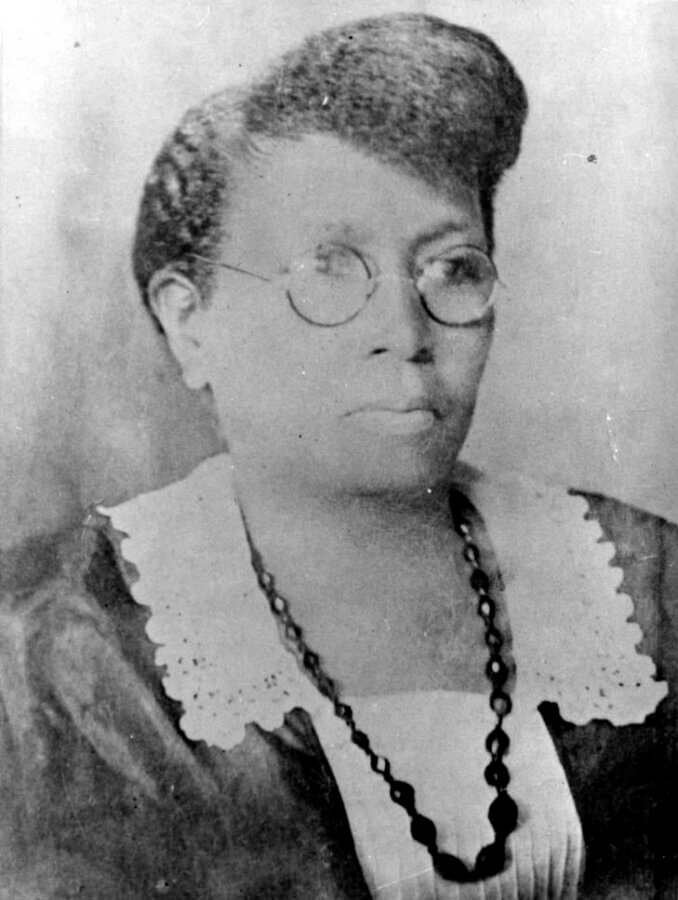
The Tuggle Institute faced hardships over the years, including a suspected arson at its first school facility and closure during the Great Depression. But it persevered and produced several prominent members of the community, including A.G. Gaston, one of the most successful Black entrepreneurs during the Jim Crow era, well-known trumpeter and composer Erskine Hawkins, and influential jazz music educator John T. Whatley (who changed his middle name to ‘Tuggle’ in honor of the Tuggles and their institute). These troubled-boys-turned-accomplished men, along with so many others, affectionately knew Carrie simply as “Granny.”
The legacy of the Tuggle Institute lives on as Tuggle Elementary School in Birmingham’s Smithfield neighborhood, where academic, activist, and author Angela Davis attended. Carrie’s social work was also instrumental in establishing a juvenile court in Birmingham.
Indiana Little (1897–1970)
Years after the ratification of the 19th Amendment in 1920, it was no secret that Black Americans were still barred from voting across the South. On January 18, 1926, Indiana Little led a march of Black women (and, according to some reports, men) to the registrar’s office in Birmingham, Alabama, to register to vote.
At the registrar’s office, Indiana declared, “I am a free-born citizen of America, and by the 14th Amendment of the U.S. Constitution, I shall not be denied the right to vote because of race, color, or sex, and I will not move until I have been registered.”
They were denied. Indiana was arrested and charged with vagrancy and, according to her sworn affidavit to the Department of Justice, was beaten and assaulted by authorities. While certainly not the first march to demand the right to vote, Indiana’s arrest made headlines around the country and inspired similar marches in Birmingham in the following years.
Indiana finally cast her first ballot in 1957, 30 years after her march. She remained active in her community, particularly with the 23rd Street Baptist Church, until her death in 1970.
Pauline Bray Fletcher (1884–1970)
Pauline Bray Fletcher was the first Black registered nurse in Alabama. She attended Hampton University (alma mater of Booker T. Washington) until her father’s death brought her back home to Georgia, where she picked cotton to help support her family. Determined to continue her education, Pauline resumed her studies at what is now Alabama A&M University, where she earned her nursing degree.
Pauline moved to Birmingham in 1906 to head the Children’s Home for Negroes Hospital and soon became the city’s first Black public health official, serving as a health and social worker with the United Charities of Birmingham.
In 1920, the course of Pauline’s life and career was forever changed through a role with the Jefferson County Anti-Tuberculosis Association. There, she became committed to providing Black inner-city children with a reprieve from the Steel City’s industrial pollution.
The association already had a convalescent camp for white children suffering from tuberculosis, and Pauline made it her mission to create a haven for Black children to enjoy and explore the great outdoors, certain that such a place would improve health outcomes for the Magic City’s youngest dwellers.
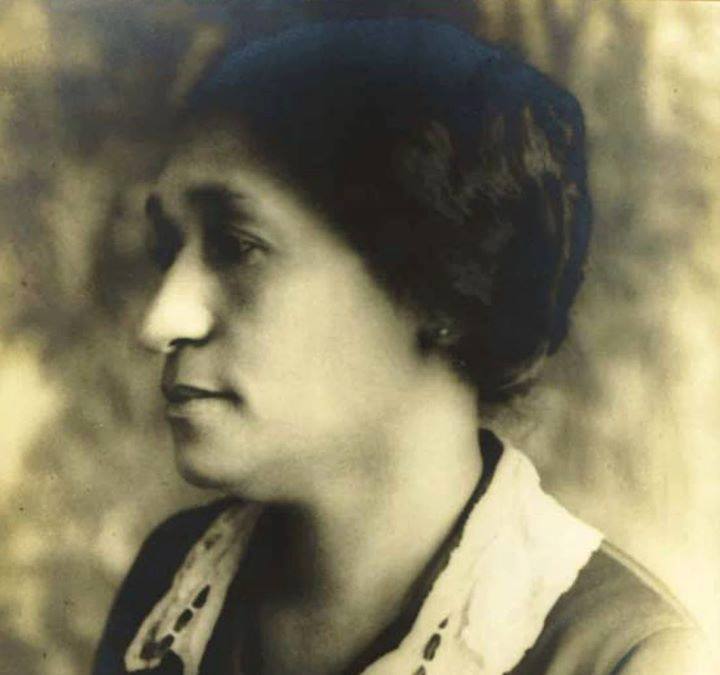
With great financial sacrifice, Pauline acquired land in Bessemer for her camp and recruited a network of donors to support the cause, including Tuggle Institute graduate A.G. Gaston (mentioned above). Camp Fletcher became the site of a well-known Ku Klux Klan raid in 1948, which famously led to Alabama’s anti-masking law, the first of its kind in the South. Camp Fletcher remains in operation today, offering day camps, after-school programs, and field trips.
Odessa Woolfolk (1932 – present)
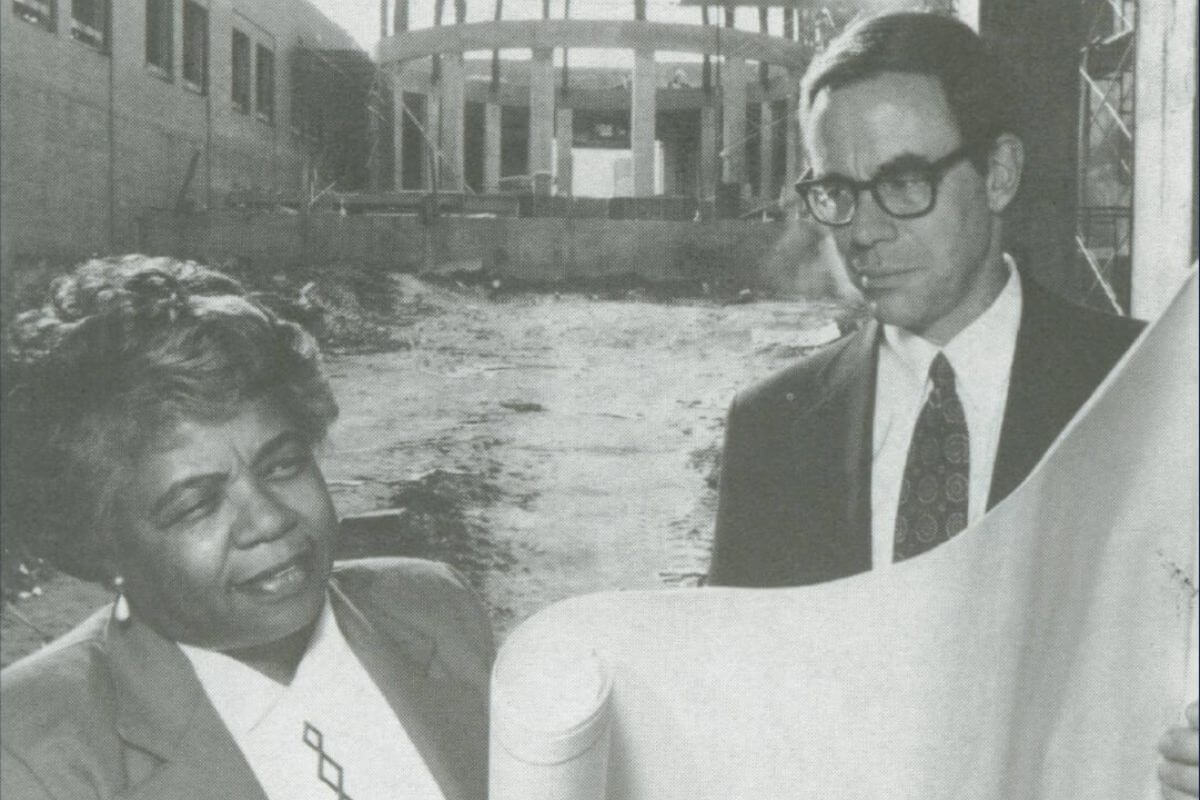
At the age of 93, Odessa Woolfolk has seen firsthand Birmingham’s evolution from Jim Crow to the Civil Rights Movement to the present day. A founding member of the Birmingham Civil Rights Institute, Odessa led the 21-member team that brought the Institute to life and served as its first president.
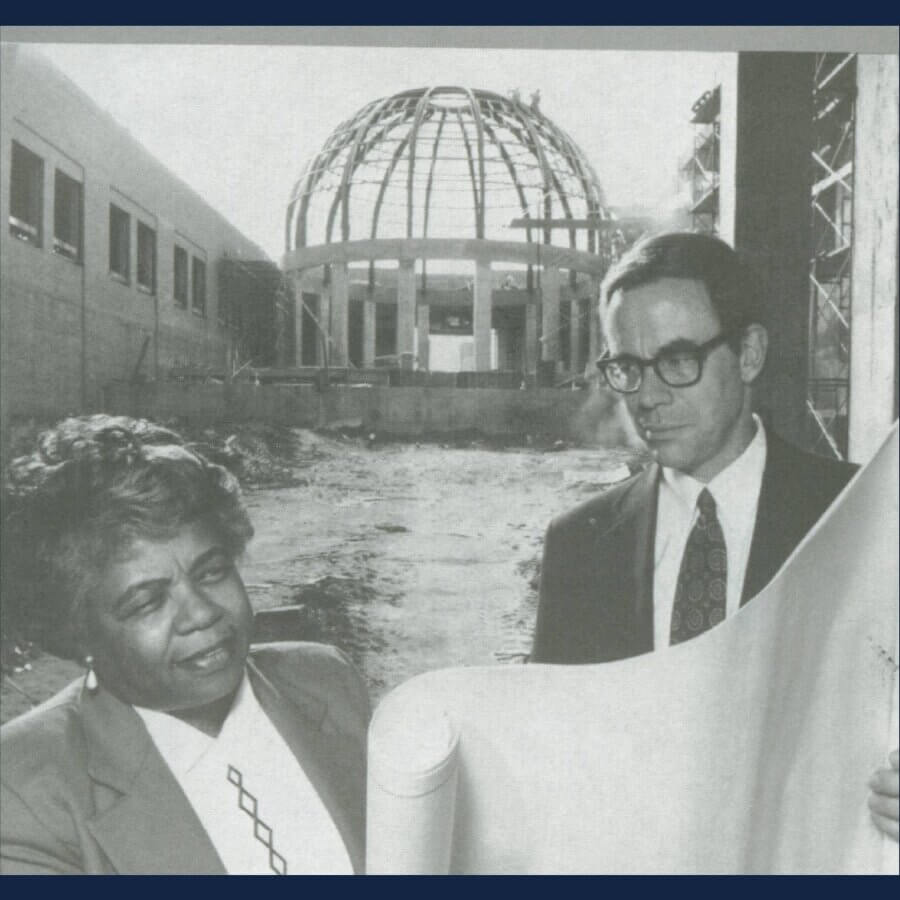
As a high school teacher in Birmingham during the height of the Civil Rights movement, Odessa sought to provide her students with a refuge from the societal upheaval happening around them, while refusing to shy away from the reality they were living through. Many of her students were inspired towards activism, and several marched alongside Dr. Martin Luther King, Jr. and Fred Shuttlesworth.
Her career as an educator also included serving as a lecturer and director of the Center for Urban Affairs at UAB for more than 20 years. As an advocate for economic equality, opportunity, and empowerment, Odessa held leadership roles with the Birmingham Opportunity Industrialization Center and the Jefferson County Committee for Economic Opportunity.

At the Birmingham Civil Rights Institute, the Odessa Woolfolk Gallery is a permanent fixture featuring temporary touring exhibits. “The Institute signifies that Birmingham does not hide from its past,” Odessa is quoted as saying. “It is a place where history and community converge.”
**********
Birmingham women are doing inspiring work. Meet more of them over at our FACES archives!

Katie Leigh Matthews
A Birmingham native, Katie is a lifelong waterfall chaser and is passionate about the outdoors. She also loves connecting with remarkable women in the Birmingham community and bringing their stories to life. Katie has been writing professionally for over six years; you can find more of her work at Moms.com and Islands.com.