The U.S. Civil Rights Trail stretches across 15 states and includes over 120 historical sites and monuments. We're highlighting some of the trail's high-tech features and must-visit landmarks. Take a look!
We believe Black history should be commemorated all year long, not just in February. But, Black History Month is the perfect time to explore the U.S. Civil Rights Trail. The Trail spans 15 states — stretching as far west as Topeka, Kansas, and as far north as Washington, D.C. — and includes over 120 landmarks and monuments of the Civil Rights Movement.
The fight for the civil rights of Black Americans lasted decades and touched many Southern states including, Alabama, Kentucky, and Tennessee. The U.S. Civil Rights Trail website helps you plan your journey through several remarkable cities along the trail with an interactive trip planner.
In 2021, Alabama Tourism Director Lee Sentell, who founded and helped organize the trail, launched the trail’s companion book to give travelers a more in-depth exploration of each of the points of interest along the trail. “The best thing about the book is the incredible photography,” Lee says of the images taken by photographer Art Meripol.
And some of those images can come to life thanks to the augmented reality features inside the book. (As you make stops along the trail, you can access these high-tech features for free!) Using a special QR code, visitors will have access to inspirational quotes, interviews, news coverage, and more regarding the nine brave students who first integrated Central High School in Little Rock, Arkansas, the students who participated in the non-violent sit-ins at F.W. Woolworth Co. in Greensboro, North Carolina, and the demonstrators who marched across Edmund Pettus Bridge in Selma, Alabama.
PinIn 2021, Alabama Tourism Director Lee Sentell launched a companion book to the U.S. Civil Rights Trail website to give travelers a more in-depth exploration of more than 120 landmarks and destinations.
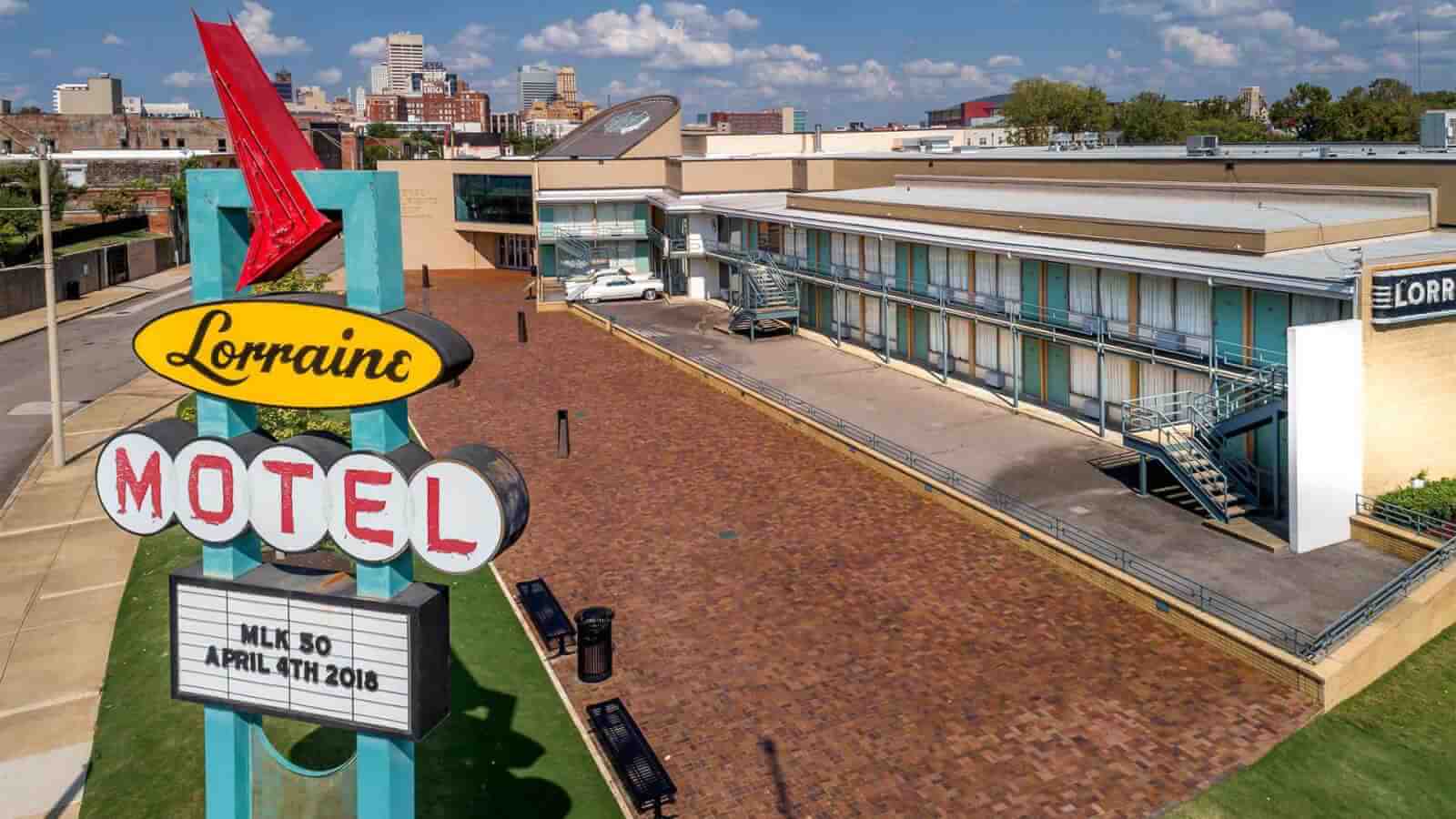
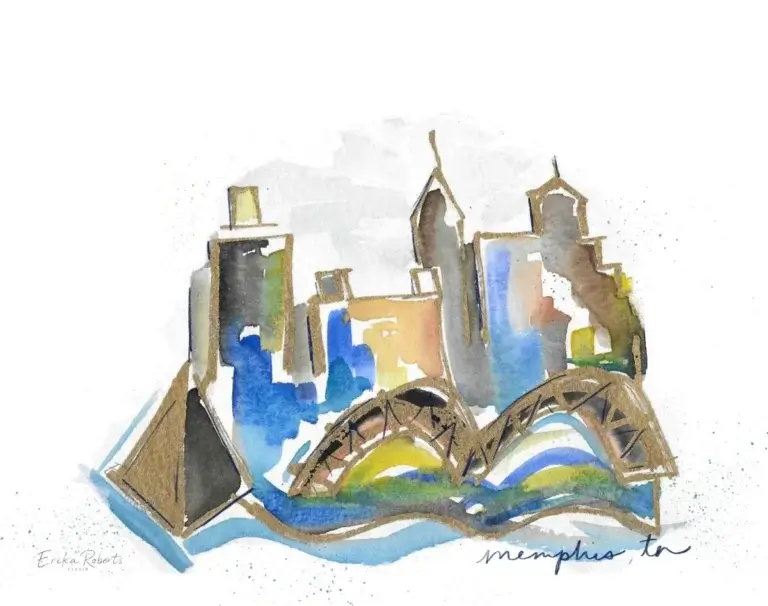
The U.S. Civil Rights Trail website offers weekend itineraries for each state represented on the trail. But in case you’re short on time and can only explore a few landmarks, we spoke with Lee to find out which historic landmarks and destinations should be at the top of your list. “If anybody was to ask me, ‘Where should I start my journey on the Civil Rights Trail?’ I would tell them to go to Memphis first,” Lee says. And your first stop should be at the National Civil Rights Museum at the Lorraine Motel. Dr. Martin Luther King, Jr., was assassinated while standing on the balcony outside his room at the motel in 1968. After Dr. King’s assassination, the motel owners kept King’s room vacant as a shrine to his memory. Eventually, Black activists purchased the motel and, within it, created a national civil rights museum, which opened in 1991.
RELATED: 5 Southern Civil Rights Museums Within Driving Distance
We are grateful to all our sponsors:
“The tour there gives you a chronological tour of the civil rights period,” Lee explains. You’ll find a statue of Rosa Parks sitting on a bus, representing the moment that launched the Montgomery Bus Boycott of the mid-1950s. There are displays representing the nonviolent sit-ins staged by college students to protest segregation at lunch counters and much more.
At the end of the tour, you arrive at Dr. King’s hotel room — room 306. “It’s very emotional because you come upon the room so suddenly,” Lee says. “Suddenly, you’re looking in the window and you realize he’s gone.”
PinStart your journey along the U.S. Civil Rights Trail in Memphis at the National Civil Rights Museum at the Lorraine Motel, Lee says.
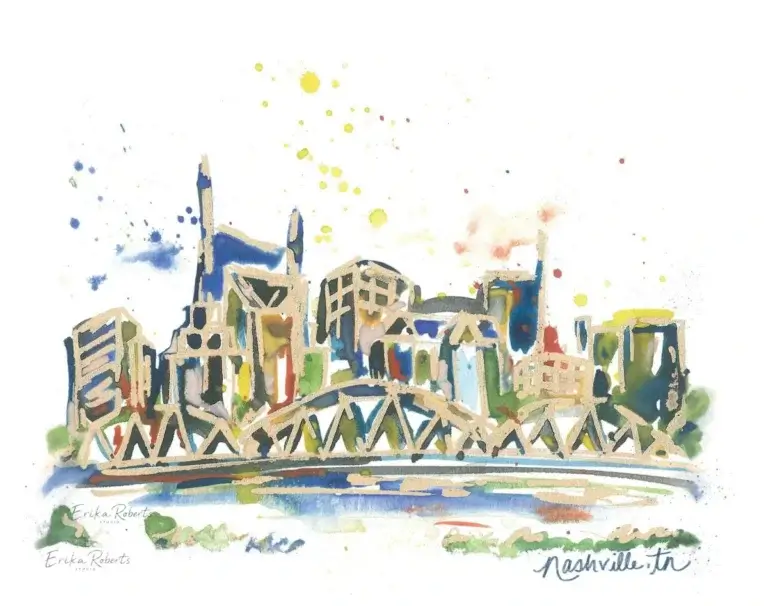
In Lee’s book, you’ll also learn about Diane Nash, a Fisk University co-ed who led 3,000 students in a silent march to the Davidson County Courthouse in Nashville, Tennessee to protest segregation. The march was a culmination of sit-ins and other protests and led to Music City becoming the first city in the South to desegregate. If you visit Nashville, you can experience Witness Walls, an art installation in Nashville’s Public Square that honors the brave students who fought for change.
PinLocated in Nashville’s Public Square, the art installation “Witness Walls” honors the brave students who protested through sit-ins and silent marches to end segregation in Nashville.
Lee’s top pick for visitors to the Louisville, Kentucky area is a visit to the Muhammad Ali Center, which was added to the U.S. Civil Rights Trail in 2020. Be sure to spend time exploring the Louisville Downtown Civil Rights Trail too.
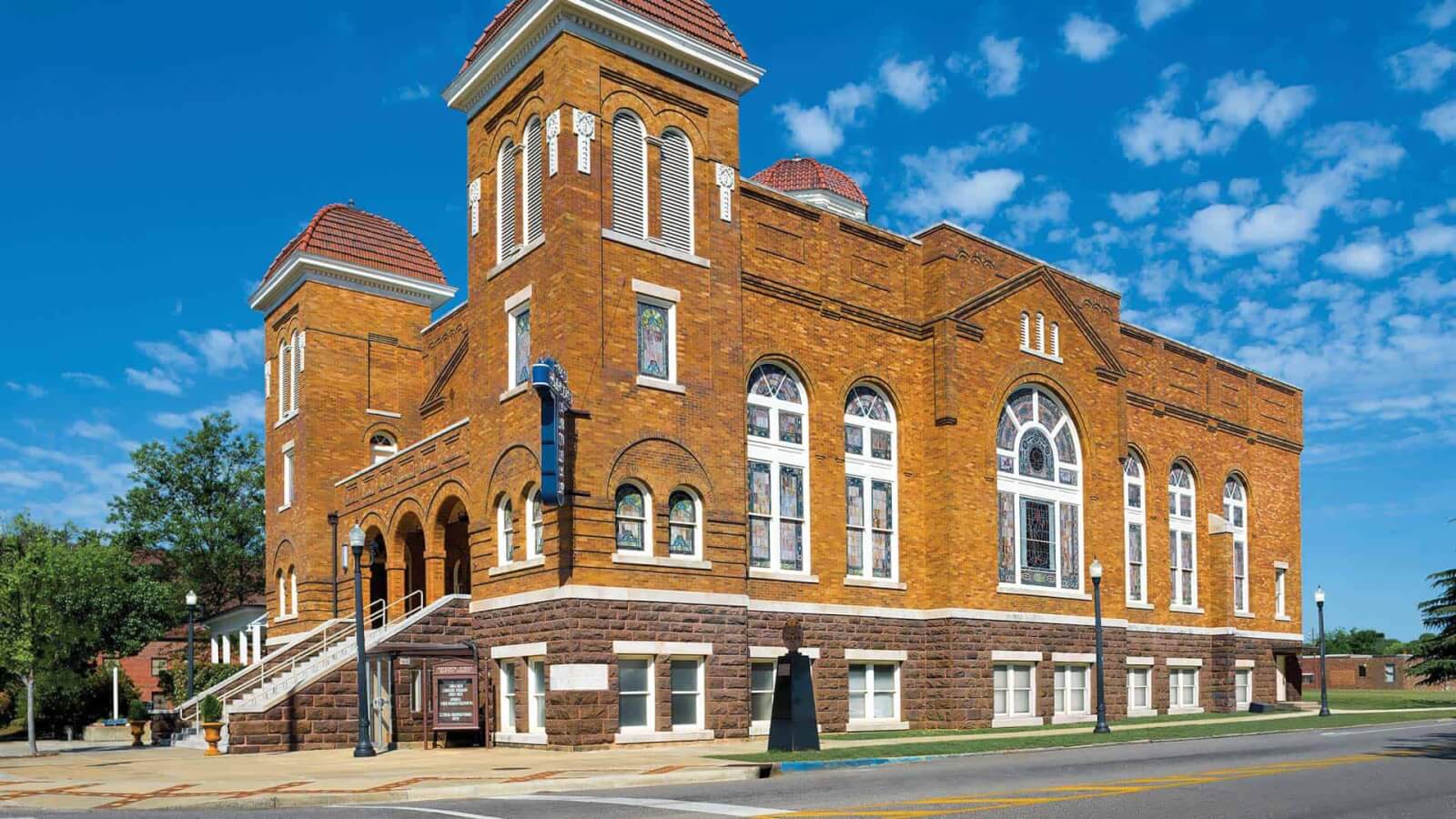
If you opt to explore Alabama, you’ll first need to decide if you’re going to spend your day in Birmingham or Montgomery. In Birmingham, Lee suggests you begin your tour at the 16th Street Baptist Church, where four young Black girls were killed in a racially motivated bombing in 1963. The basement of the church, which is still active, now includes a museum that details the events leading up to the bombing and the aftermath.
PinThe 16th Street Baptist Church, where four young Black girls were killed in a racially motivated bombing in 1963, is still an active church, but the basement now includes a museum that details the events leading up to the bombing and the aftermath.
We are grateful to all our sponsors:
Lee also recommends a trip to the Birmingham Civil Rights Institute, which is across the street from 16th Street Baptist Church. “I’ve been to all of the major civil rights museums in the South and, to me, Birmingham’s is the most visceral and emotional because it doesn’t sugar coat anything,” he says.
Though displays that show the racially motivated violence Black Americans endured while fighting for their rights are heartbreaking, Lee says he’s equally troubled by the displays that show the impact of segregated schools. “In the Black school, there were used books and classrooms without heat,” he says. “The separation of the races falls very heavily on young people who start out in life at a great disadvantage.”
PinThe Birmingham Civil Rights Institute is a must-see Alabama destination.
If you can arrange to visit to Bethel Baptist Church in Birmingham, add that to your agenda, too, Lee says. Bethel was the home church of Rev. Fred L. Shuttlesworth from 1953 to 1961. He braved beatings and bombings in his fight to end segregation. Shuttlesworth joined Dr. King to establish the Southern Christian Leadership Conference and helped coordinate many boycotts and protests in Birmingham and beyond. The Birmingham airport was renamed Birmingham-Shuttlesworth International Airport in 2008 in his honor.
In Montgomery, you’ll find the Legacy Museum and the National Memorial for Peace and Justice organized by the Equal Justice Initiative (EJI). The Legacy Museum uses interactive media, video, sculptures, and other exhibits to examine America’s history of racial injustice from slavery to mass incarceration. The national lynching memorial is a sacred space that acknowledges the more than 4,000 Black men, women, and children who were hanged, shot, burned alive, drowned, and beaten to death by white mobs between 1877 and 1950. The memorial made national headlines when it opened in 2018, and Lee says 400,000 people visited in just the first year. “It has become the number one must-see civil rights destination in Alabama,” he says.
If you can, you should also visit Dexter Avenue King Memorial Baptist Church, where Dr. King served as pastor from 1954 to 1960. Mass meetings to organize the Montgomery Bus Boycott were held at this church, too.
RELATED: 20 Southern Events & Happenings: February 2022
We are grateful to all our sponsors:
But before you head home, drive to Selma, AL, and walk across the Edmund Pettus Bridge. On March 7, 1965, 600 Black nonviolent demonstrators crossed the bridge en route to the Capitol in Montgomery to protest for voting rights. Alabama State Troopers and Dallas County sheriff’s deputies brutally attacked the group. The day became known as Bloody Sunday, and the bridge – though named for a former U.S. senator who had been a leader of the Ku Klux Klan – became and still remains a symbol for voting rights.
These landmarks — and the events they commemorate them — are a mere sampling of the educational sites along the U.S. Civil Rights Trail. As the trail spans so many states (15 in total!), it’s difficult to make the expedition in one go, but we recommend building stops into your travels whenever possible.
Learn more about the landmarks and destinations in the U.S. Civil Rights Trail book and begin planning your visits today at civilrightstrail.com.
All photography courtesy of the U.S. Civil Rights Trail.
Javacia Harris Bowser is a Birmingham-based freelance writer and the founder of See Jane Write, an online community and coaching service for women who write. With over 20 years of journalism experience, Javacia has received awards from the National Federation of Press Women, Alabama Media Professionals, Alabama Press Association, and the Alabama State Council on the Arts. When she’s not writing, she’s usually practicing Pilates, getting her 10K steps a day, or watching crime shows. Follow Javacia on Instagram @seejavaciawrite.
Our unofficial motto at StyleBlueprint is "Be kind. Do good." We encourage this to be the basis for all comments on our articles. Provide feedback that adds to the story. Some controversy or disagreements are part of any good dialogue between friends, but anything that tears down or belittles others is subject to disapproval or removal. Thank you for being a member of the StyleBlueprint community! View our Community Guidelines.