

Creatine Isn’t Just for Gym Bros: Why More Women Are Taking a Second Look
Curious about creatine? A Registered Dietitian explains what creatine actually is, why women are the most underserved group in creatine research, and how to supplement the smart way. Image: iStock

Today’s article comes to us from Registered Dietitian and Certified Diabetes Educator Emmeline Huddleston, RD, LD, CDCES.
**********
For years, creatine has been boxed into one very specific corner of the wellness world: weight rooms. It earned a reputation as a supplement for bodybuilders, athletes, and anyone trying to build bigger muscles. Meanwhile, many women were left believing one of the biggest myths in nutrition: that creatine would make them “bulk up.”
Let’s clear that up right away. Creatine won’t magically give you oversized muscles unless you are also training and eating like a competitive bodybuilder. What it can do is help support your muscles, your energy, and even your brain as you age. So, what is the best creatine for women, and who can benefit from taking it?
As a Registered Dietitian, my goal is to help women separate wellness trends from evidence-based nutrition. Creatine is one of the few supplements that consistently stands out, because the science behind it is remarkably strong. And here’s the interesting part: women, especially those over 30, may have even more to gain from creatine than we once realized.
What Exactly Is Creatine?
Contrary to popular belief, creatine is not a steroid or a stimulant. It is a naturally occurring compound made from three amino acids: arginine, glycine, and methionine. Your body produces about one gram per day, while the rest comes from foods like beef, pork, salmon, tuna, and herring.
About 95% of your body’s creatine is stored in your muscles, with the remaining 5% found in your brain and other organs. Its primary job is helping your body quickly regenerate ATP (adenosine triphosphate), the molecule your cells use as their immediate source of energy.
Think of ATP as your body’s battery. Every time you climb stairs, carry groceries, pick up your toddler, sprint through the airport, or finish one more squat at the gym, you’re using ATP. Creatine helps recharge that battery more efficiently. The more creatine in the muscle, the more available battery life, which means more power output, faster recovery, and less fatigue.
Why Women Should Be Paying Attention
Historically, most creatine research focused on men. Thankfully, that’s beginning to change. It turns out that women might actually see the biggest benefits from creatine, largely because we naturally start off with lower stores than guys do. Throw in the hormonal rollercoaster we ride throughout our lives — from pregnancy and postpartum right through perimenopause and menopause — and our bodies really go through a lot when it comes to managing our energy.
Then there’s the aging factor. After 30, we naturally begin to lose muscle mass, a shift that hits fast-forward once menopause arrives, and estrogen takes a dip. Why does that matter? Because maintaining muscle is about more than just how our arms look in a sleeveless dress. It’s our secret weapon for aging beautifully.
Strong muscles keep our metabolism humming, help balance our blood sugar, and give us the mobility and independence we need to keep living life on our terms.
When combined with regular strength training, creatine may help support:
- Muscle strength
- Lean muscle maintenance
- Exercise performance
- Recovery after workouts
- Healthy aging
Some early research also suggests creatine may support brain energy metabolism, helping reduce brain fog — especially during periods of stress or sleep deprivation. It may also improve things like mood and cognitive health, although more research is needed.

During the Menstrual Cycle
Ever heard of cycle-syncing? Some early research suggests that taking creatine in the couple of weeks leading up to your period (your luteal phase) might give you an extra boost, thanks to how shifting estrogen levels affect your body. But before you start planning your creatine syncing strategy, know that the science is still very new. In other words — don’t overthink it just yet. For now, the easiest (and most effective) approach is to simply take your creatine daily.
During Perimenopause & Menopause
If there’s one time in your life when creatine might be your new BFF, it’s now. The natural drop in estrogen during these menopausal years affects everything from muscle strength and bone density to mental clarity and energy levels. Creatine helps support all of those things! In fact, researchers are quietly viewing it as an unofficial “menopause supplement.”
If you are in perimenopause or beyond, and are not taking creatine, talk to your dietitian or healthcare provider about adding a scoop to your daily routine.
Could Your Creatine Stores Be Low?
It would be easy if we could just check our creatine levels the way we check our iron or vitamin D, but unfortunately, there are no routine tests for that. While anyone’s stores can dip, it’s most common in women who eat very little animal protein, those of us navigating the aging process, people with lower muscle mass, and those who regularly “go hard or go home” at the gym.
Low creatine stores can be sneaky because they don’t always come with obvious signals, but a few signs worth noticing include:
- Feeling fatigued more often
- Slower recovery after exercise
- Declining strength despite staying active
- Brain fog
- Difficulty maintaining muscle as you age
These symptoms are common and can have many causes, but low creatine intake could be the culprit, and a simple supplement could be the fix you are looking for.
Does Creatine Cause Weight Gain?
There’s a lot of chatter about whether creatine can cause you to gain weight. The short answer is no — it does not cause body fat gain. In the beginning, however, you may notice the number on the scale increase by one or two pounds. Don’t panic!
Creatine works by pulling water into the muscle cells, so the increase you may temporarily experience is water weight — not fat. In fact, many women report feeling stronger, or that their muscles feel “fuller,” when taking creatine — especially if they are regularly adding strength training to the mix.
Is Creatine Safe?
As one of the most researched supplements available, creatine monohydrate has consistently been shown to be safe for healthy adults when taken at the recommended doses. Like any supplement, you could have temporary side effects ranging from mild bloating to stomach upset, loose stools (usually from taking too much at once), and temporary water retention.
It’s important to note that while taking creatine, your blood work may show a slightly higher serum creatinine level. Be sure to tell your healthcare provider if you’re taking creatine so your results are interpreted in the proper clinical context. People with chronic kidney disease or other significant kidney conditions should speak with their healthcare provider before taking creatine.
Food First: Sources of Creatine
Creatine is found almost exclusively in animal foods, which is why women following a plant-based diet tend to have the lowest baseline creatine stores — and tend to show the most dramatic response to supplementation. Good dietary sources of creatine include:
- Beef – approximately 2g per 1lb raw
- Pork – approximately 2g per 1lb raw
- Salmon – approximately 2g per 1lb raw
- Tuna – approximately 1.8g per 1lb raw
- Herring – approximately 3g per 1lb raw
- Chicken – approximately 1.5g per 1lb raw
Even if you regularly eat meat, however, it’s difficult to consume the amount of creatine used in most research studies through food alone

Choosing the Right Supplement
Walk through any supplement aisle, and you’ll see dozens of creatine products claiming to be faster, cleaner, or more advanced. Here’s the good news: you can ignore most of the marketing. Creatine monohydrate is the most studied, most affordable, and most effective form. There is no research to indicate that fancy alternatives (creatine HCl, buffered creatine, ethyl ester) are superior. If a product costs significantly more because it’s a “superior form,” that’s a marketing claim, not a clinical one.
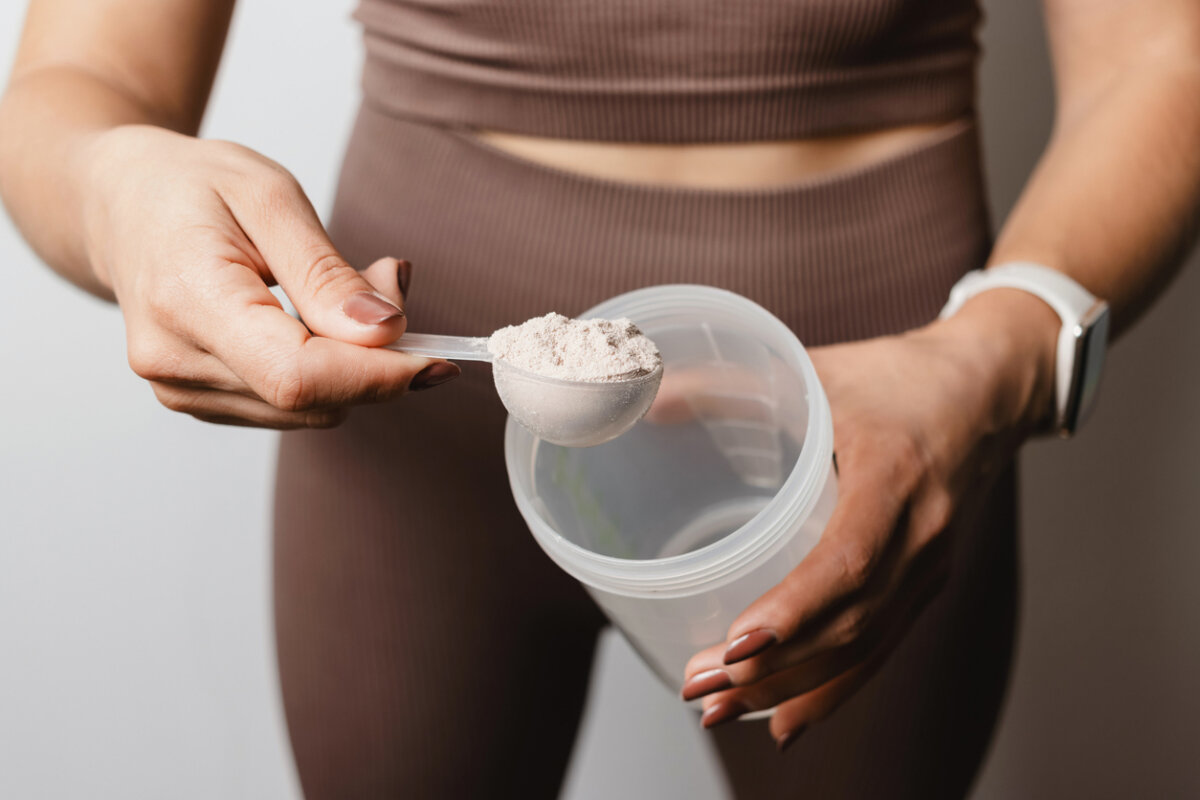
You may have heard that you need to start creatine with a larger “loading” dose, but most women can skip this step and simply begin taking three to five grams of creatine monohydrate daily. Timing matters far less than consistency. Whether you take it with breakfast, after your workout, or mixed into a smoothie, the best time is the one you’ll actually remember every day.
When shopping, look for products that have been independently tested by organizations such as NSF Certified for Sport, Informed Choice, or USP to help ensure quality and purity. If you’re looking for a quality powder, Thorne is a reliable, third-party tested option. If you prefer capsules, Optimum Nutrition creatine capsules are a convenient choice.
Creatine Myth vs. Fact
Myth: Creatine is only for bodybuilders.
Fact: Creatine supports healthy muscle function, recovery, and strength in women of all fitness levels — not just competitive athletes.
Myth: Creatine will make me bulky.
Fact: Creatine does not build muscle on its own. It helps your muscles perform better during exercise. Strength training and overall nutrition, not creatine alone, drive muscle growth.
Myth: Creatine causes weight gain.
Fact: Any early increase on the scale is usually water stored inside muscle cells, not body fat.
Myth: You need an expensive “advanced” creatine.
Fact: Creatine monohydrate remains the gold standard. It has the strongest research and is often the least expensive option.
Myth: More creatine means better results.
Fact: Your muscles can only store so much. A consistent daily dose of three to five grams is enough for most women. Excess will be filtered out and excreted in urine.
The Bottom Line
Supplements should be treated as just that — a supplement to a healthy lifestyle. Not a replacement for it. Creatine will never replace strength training, adequate protein, quality sleep, or a balanced diet. But it may help your muscles, and potentially your brain, make better use of the work you’re already putting in.
Think of creatine as part of your healthy aging toolkit. It’s not magic, but it is one of the most well-studied, affordable, and effective supplements available. Sometimes the best wellness discoveries aren’t new at all; they’ve simply been waiting for women to be included in the conversation.
This article contains product affiliate links. We may receive a commission if you make a purchase after clicking on one of these links.
**********
For a dose of Style + Substance delivered straight to your inbox, subscribe to our daily emails!

Emmeline Huddleston Mercer
Emmeline is a Registered Dietitian (RD, RDN, LDN) based in Nashville, TN. She's passionate about educating folks on nutrition so they can live their lives to the fullest.
One thought on “Creatine Isn’t Just for Gym Bros: Why More Women Are Taking a Second Look”
Leave a Comment
Our unofficial motto at StyleBlueprint is "Be kind. Do good." We encourage this to be the basis for all comments on our articles. Provide feedback that adds to the story. Some controversy or disagreements are part of any good dialogue between friends, but anything that tears down or belittles others is subject to disapproval or removal. Thank you for being a member of the StyleBlueprint community! View our Community Guidelines.
You must log in to post a comment.




I just read your article about creatine. I am a menopausal woman who takes care of herself and works out pretty much regularly. I ordered creatine Gummies. I found them easy to take compared to the powder. Then I heard creatine gummy‘s “don’t work.”. You didn’t mention gummy’s. Do creatine Gummies work in the same way as the powder? Thx!