A Modern Etiquette Expert At Your Service
Etiquette guru and owner of one of the South's most sought-after stationery companies, Heather Wiese Alexander is redefining, reimagining, and redesigning the social code. Meet our newest FACE of the South!
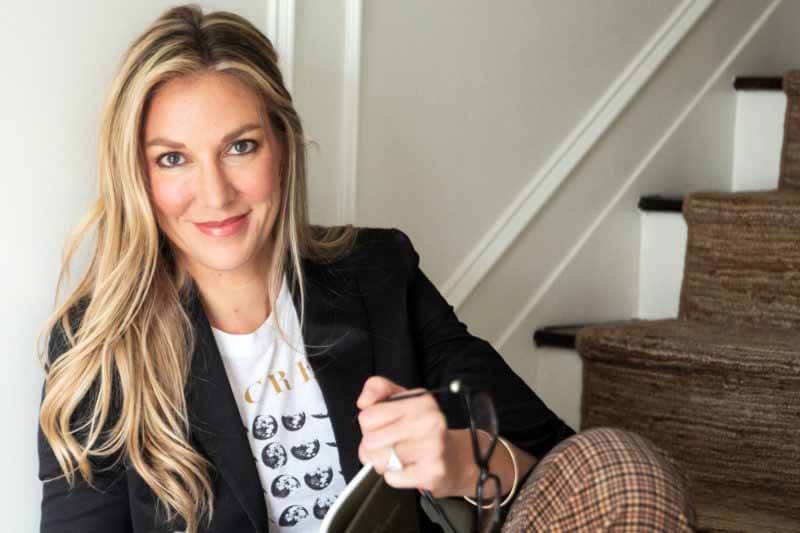
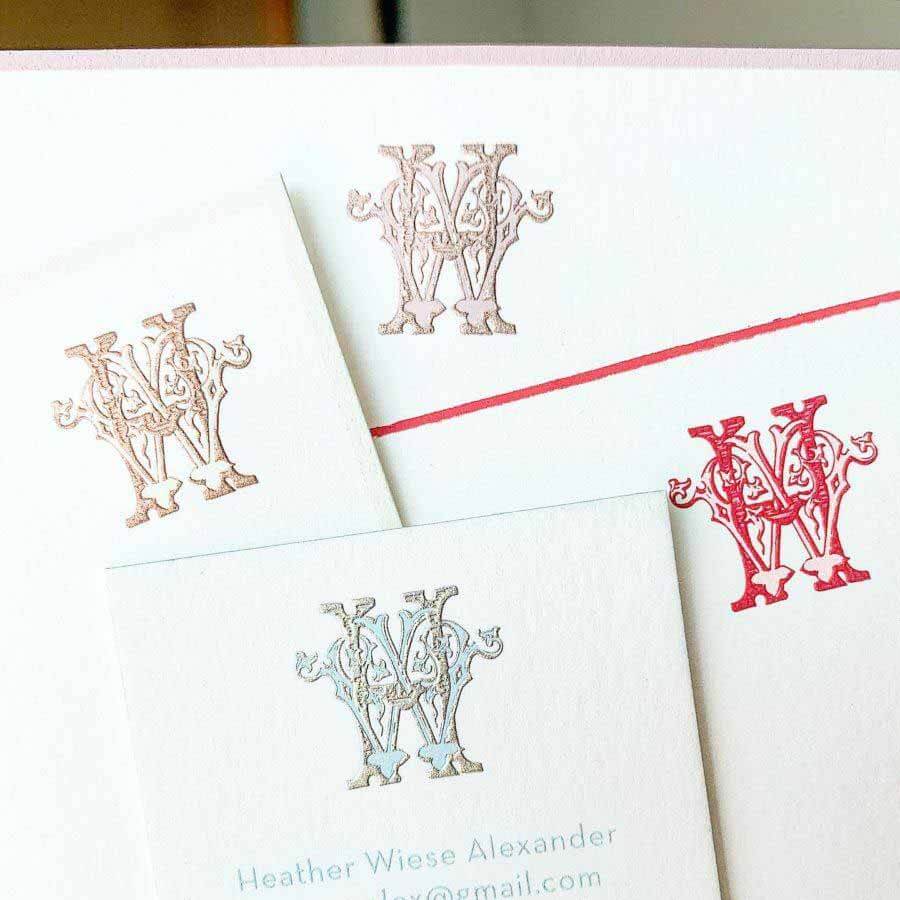
More than 15 years ago, Heather Wiese Alexander stumbled onto a stash of family heirlooms in a dusty corner of an all-but-abandoned building. Among them, some 19th-century printing presses had lain dormant for decades. The discovery presented an opportunity too intriguing to pass up. Heather cleaned, renovated, and repaired the relics of a bygone era. She learned the craft and process of both letterpress and engraving and soon realized that no modern derivation matched the color and feel when quality ink adheres to fine paper. And so she founded fine stationery and paper goods company Bell’INVITO — blending her love of traditional European style, meticulous craftsmanship, and an innate skill for graphic design and illustration. She gathered master artisans of the lost — and admittingly dying — art of fine printing and learned from them. Alongside this schooling, Heather bolstered her etiquette knowledge through copious research and conversations. Her expertise in tradition can be seen in both the words and the feel of every piece that comes off the press. Let’s dive deeper into the mind and work of Heather Wiese Alexander, our newest FACE of the South!
Tell us a little about your trajectory to becoming a modern etiquette expert with a paper goods company. Were you into either of those things at a young age?
I had this picture in my mind of a starving artist or the crazy art lady at school. I didn’t have a really healthy view of where art could go or how design fits into life. I’m such a logical thinker, but I’m also such a creative thinker. In college, I had to draw a periodic table. My teacher told me, “You’re struggling with the concepts of chemistry, but your chart is amazing. What do you think about design?” I was so offended. I thought, “I can do better than design.” It was while I was studying abroad in Europe that I truly fell in love with art history and design. My first job out of school was at Neiman Marcus in the advertising department. I was the youngest art director to go through this training program they had just created. And I fell in love with it, but I didn’t know much about the printing process. That was a different department. I would see my concepts and layouts go from my computer into this cool folded piece with foil or gloss.
One of the photographers was impressed by my hand illustration and suggested I have them letterpressed. He worked for Martha Stewart, and she’s the one who found all these letterpress artisans. I didn’t even know what that word meant! But he was so cool. He had to be on to something. So I fell into learning what letterpress was. Even though I was a design major, I never had done anything like it. My husband at the time was from a family of printers, and I taught myself how to work their proofing presses, which is what letterpress stems from. Women didn’t work the machines in that particular neck of the woods in Arkansas, so I had to convince them that I was “responsible” and “tough enough” to handle a big machine. I finally convinced them to let me bring one to Dallas, so I didn’t have to travel to Arkansas every time I wanted to execute my own designs.
How did you turn this newfound skill into the thriving business it is today?
It was a two- to three-year process to start Bell’INVITO. When the business side of my brain kicked in, everything clicked. This whole art form of fine printing is rooted in these beautiful old traditions that are becoming less and less applicable for today’s client. There was no automated estimating for this kind of thing. There was no one person with all the specialty processes in one place. You had to go to Chicago to find the guy who was really good at edging the paper, then to New York or California to find really good letterpress people. And then to old companies like Crane for engraving. I thought, “Why don’t we put all these artisans under one roof and cross-train them? There’s not enough work to just engrave all day long. That guy needs to also learn how to do the letterpress when the engraving machines are not being used.” We hired the best of the best and said, “Teach us how to do this and help us keep this alive!” That became the company. We’re now about 15 years old.
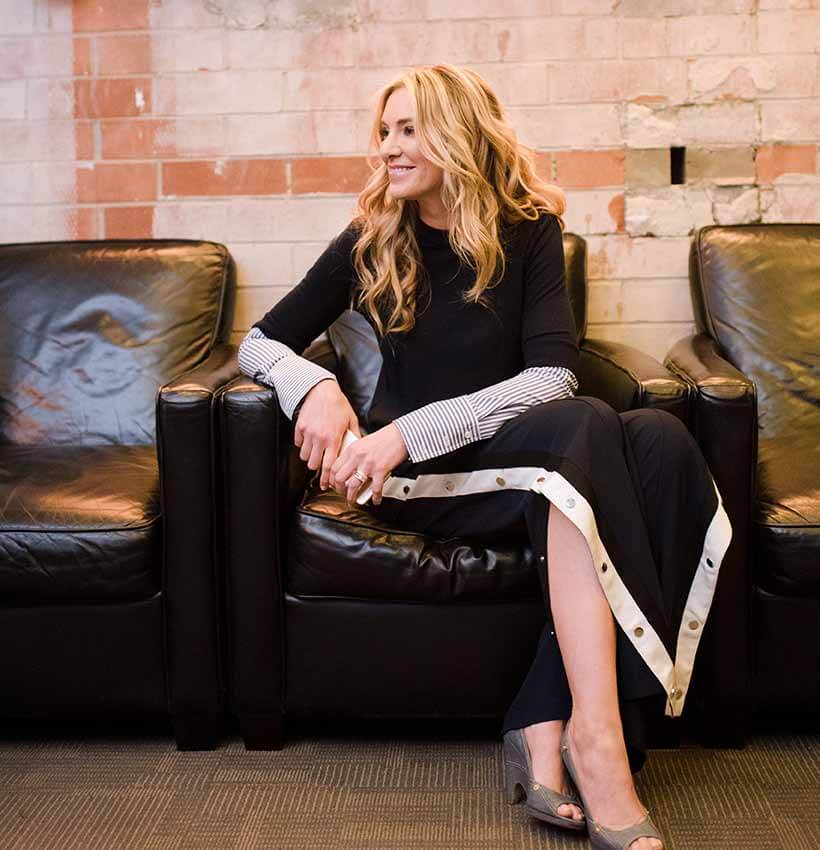
You make the extravagant formal invitation world so much fun. Your work is a little cheeky and irreverent but still so beautiful. How do you balance the fun with the formal?
It wouldn’t be fun for me if it were just all the old traditions and stuffy. It’s okay to be a little bit irreverent. In fashion, you see it all the time. We’ll splurge on a great handbag, but we’ll pair it with something from Forever 21. You put everything together. None of us have this lifestyle that’s buttoned up all the time wearing the St. John suit and the matching hose and the matching shoes like our mothers did.
Inviting people to your wedding is a representation of you coming out as an adult. So being able to do that in a way that is truly you is our focus as a company. We’re not trying to make you look like us, we’re trying to make a beautiful, fantastically made product look like you. We’re not going to compromise our quality, but we will absolutely tailor our design to you. Because that’s what it’s about.
What’s a common misconception people have about custom paper goods?
I’m someone who hates wasting money, and I sell really expensive products; I get the curiosity surrounding cost. But you are truly paying for a high-quality, high-cost-to-produce product. And that’s what you should be investing in if you want quality, whether you’re buying a handbag or a car or a carpet. But invitations are not something we’re used to having in our everyday life, and people are less familiar with how they’re made. Many people think money will make us work faster, but it doesn’t always work that way.

What’s a common piece of etiquette most people miss or ignore that bugs you?
There are two things that make me go, “Oh, for the love … please no!” One is “black tie optional” or “black tie preferred.” The unwritten rule is it’s always optional. The only time you need mandatory language is when the venue requires it and it’s not up to you. If you say “no jeans,” you’re controlling your guests. If they show up in jeans, are you going to turn them away? If they don’t have black tie, they’re not going to wear it, they’re going to wear a dark suit, or they’re going to call you, and it’s going to be a conversation between two people. People try to put too much of the conversation on the card.
The other one is when people don’t leave room to write on the reply card. I get on our etiquette hotline and hear, “I got this invitation, but there’s nowhere for me to write anything! What am I supposed to do?!”
RELATED: How to Keep Etiquette Alive in the Digital Age
You’re a source for information on modern etiquette on your blog, website and social media. Why share this with the world? Are you always learning new things?
I grew up with a grandmother who really championed etiquette, so I had this knowledge that it makes a difference. I am so sensitive to seeing people walk into a situation and how that situation can affect them. I have always had a bleeding heart for the underdog, and the whole mean girl thing really gets under my skin. So when I see somebody come into a room full of people who know what they’re doing, and you can kind of tell they don’t know, even if they’ve got thick skin and they’re trying to be tough, I’ve always just been the one to say, “Let me tell you what’s going on. Here’s the inside information, I don’t want you to feel that way.” It’s just part of my nature.
Can you tell us about an early misstep that led to a valuable lesson?
When it comes to the intricacies of invitation etiquette, I learned the hard way. I came from a craftsman and design perspective. I knew how to judge the beauty and the material quality. But then, all of a sudden, everyone expects me to know everything about etiquette. I was looking so intently at the type and the loops and the centering and the spacing, I wouldn’t even read the thing! My team would stand over me with bets on how long it would take me to notice the typo on this A-list celebrity’s invitation. I thought, “The content is as important as all of the rest of the pieces.”
What’s the best advice you’ve received and from whom?
My dad ran businesses successfully, and he’s a businessman I admire. One of my favorite things to do is be around older people and soak up their wisdom. He always said, “Good deals will always outlast your money.” You have to vet your deals. You can’t just go chase.
Besides faith, family and friends, name three things you can’t live without.
My two German shepherds, Ava and DJ; a puzzle or game to figure out; and a really good Dyson hairdryer.
Thank you, Heather, for chatting with us. To learn more about Heather’s company, visit bellinvito.com.
All photography provided.
**********
Give your inbox the Southern makeover it deserves! Subscribe to our daily emails!

Zoe Yarborough
Zoe is a StyleBlueprint freelance writer, Charlotte native, Washington & Lee graduate, and Nashville transplant since 2012. She teaches Pilates, helps manage recording artists, and likes to "research" Germantown's food scene.