

4 Signs It’s Time to Hire an Interior Designer (and How the Process Works!)
Feeling overwhelmed by a home design project? Nashville designer Beth Haley shares four signs it may be time to hire a professional, plus a behind-the-scenes look at the process from start to finish. Image: Audrey Spillman
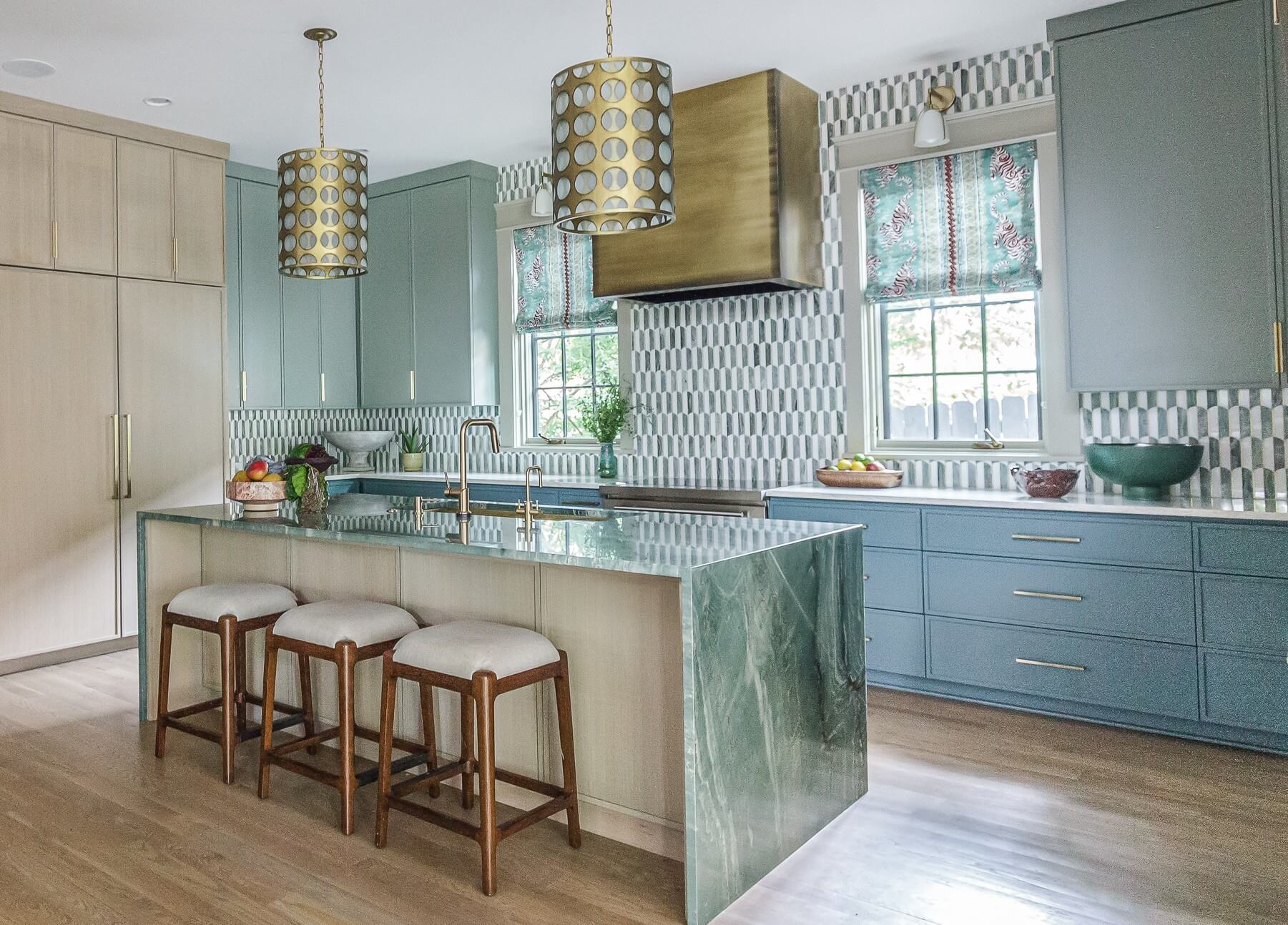
Planning a renovation, building a new home, or redesigning a space can feel exciting, but it can also involve a surprising number of decisions. Between selecting materials, managing budgets, and trying to create a cohesive look, many homeowners start to feel overwhelmed before a project even gains momentum. That’s where an interior designer can make all the difference. As one of Nashville’s most established interior design firms, Beth Haley Design’s founder, Beth Haley, shares signs that it might be time to bring in professional help — along with what you can expect throughout the design process.
Sign #1: You’re Overwhelmed by Your Choices
One of the clearest signs it’s time to hire an interior designer is when your decisions start to feel unmanageable. Renovations and decorating projects often involve countless choices, from selecting the best countertops and tile to choosing the perfect furniture and coordinating paint colors.
“Most homeowners feel the design process is overwhelming — whether that’s during a renovation, a new build, or simply trying to make a home feel finished,” explains Beth. “By bringing a designer in on the front end, we guide you through every detail of the process.”
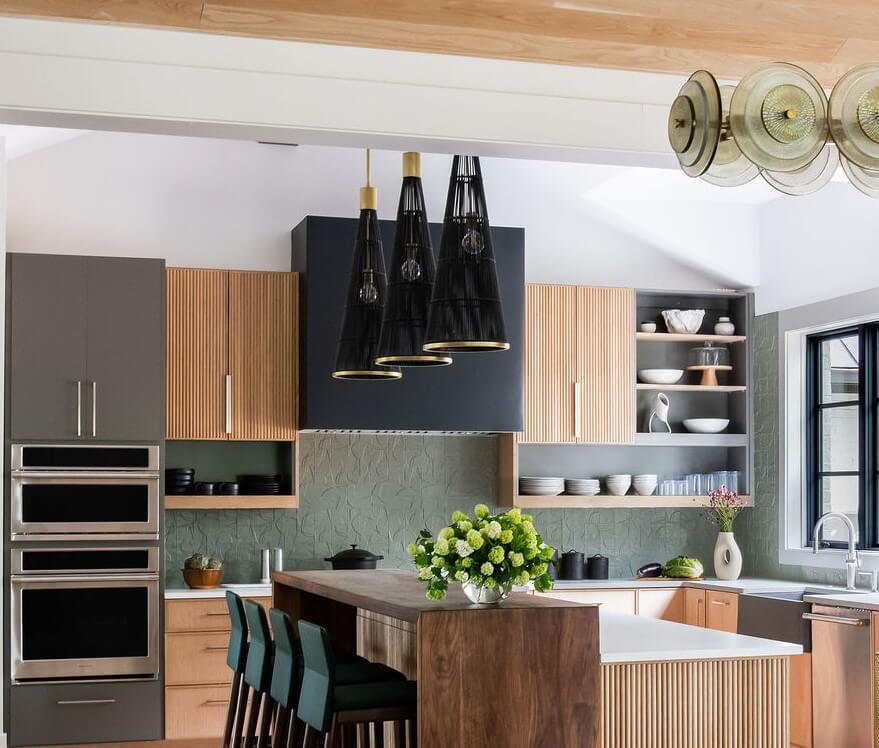
Rather than asking clients to sort through hundreds of options on their own, Beth and her team curate selections tailored to each homeowner’s style, budget, and goals. “We narrow down the choices and present dozens of carefully considered options instead of the hundreds you might find in showrooms,” adds Beth. “In addition, we ensure the contractors and tradespeople have all the correct selections and installation instructions to avoid common construction mistakes. This process ensures the client receives exactly what they selected and makes sure every decision supports the overall vision for the home.”
The result is a more streamlined experience that helps homeowners make confident decisions without second-guessing their selections.
Sign #2: Your Home Doesn’t Feel Finished (But You Can’t Figure Out Why)
For many homeowners, problems don’t stem from a lack of furniture or decor. Instead, it’s about standing in a space that still doesn’t quite feel complete. While everything might be in its proper place, the room might lack intentionality and not feel truly pulled together.
“Clients trying to decorate their home on their own often come to us asking, ‘What is my space missing?’ or ‘Why doesn’t my space feel complete?’” says Beth. “The answer is usually a lack of layering.”
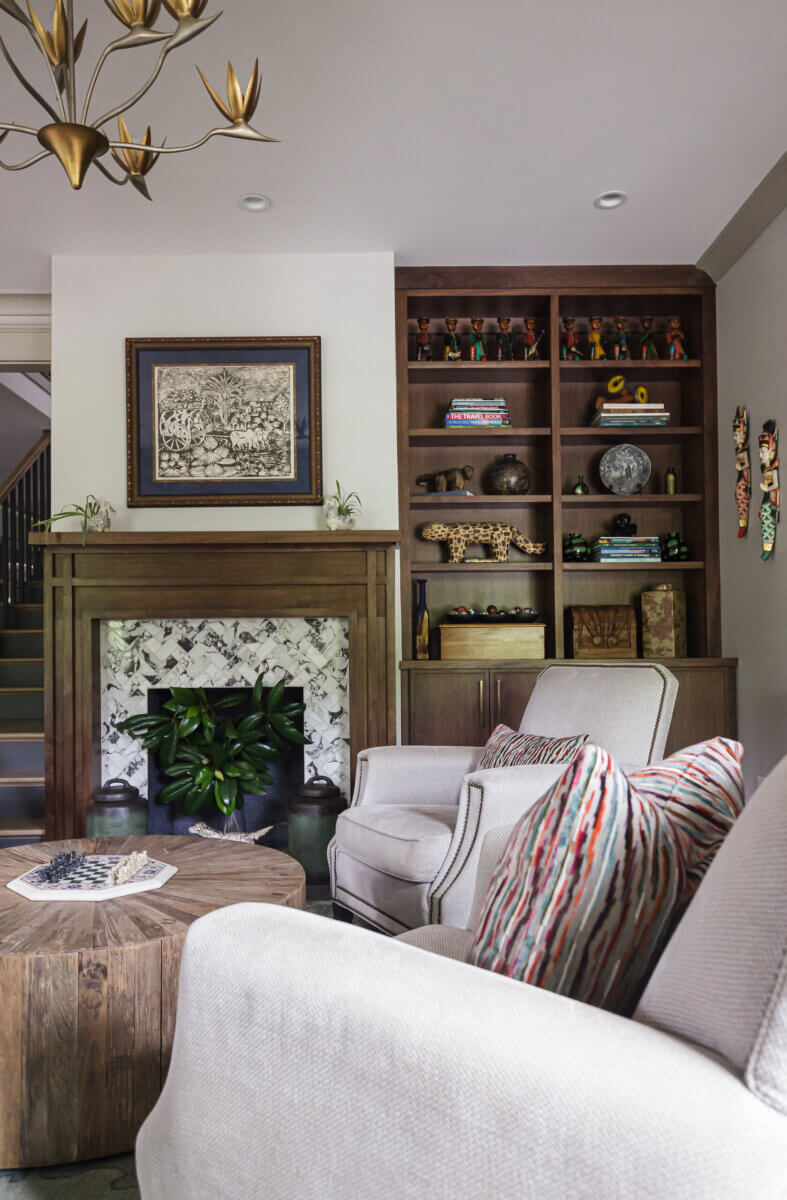
Layering not only involves adding elements such as rugs, pillows, and other accessories, but also includes hardware, lighting, countertops, tile, and more. When combined intentionally, these pieces work together to add color, pattern, and texture. Without them, even a well-furnished space can feel incomplete or flat.
“When used in the correct proportions, the right selections create a balanced and beautiful room,” Beth explains.
Sign #3: Your Home Isn’t Working for Your Lifestyle
Another common design mistake is approaching projects one decision at a time without considering how each element will work together. While a sofa may look perfect in a showroom, or a beautiful tile may catch your eye, individual choices made without a larger vision can eventually create a disconnected space.
Rather than focusing on individual items, Beth looks at how a home functions as a whole. That means taking into account everything from layout and traffic flow to storage needs and the daily routines of the people who live in the space.
“For example, if we’re designing your kitchen and you’re a big cook, we’ll discuss where you’ll store your spices, sheet pans, and larger gadgets,” says Beth. “Or if you use your kitchen more for entertaining, we might create a bar with wine storage and a large island for laying out appetizers.”
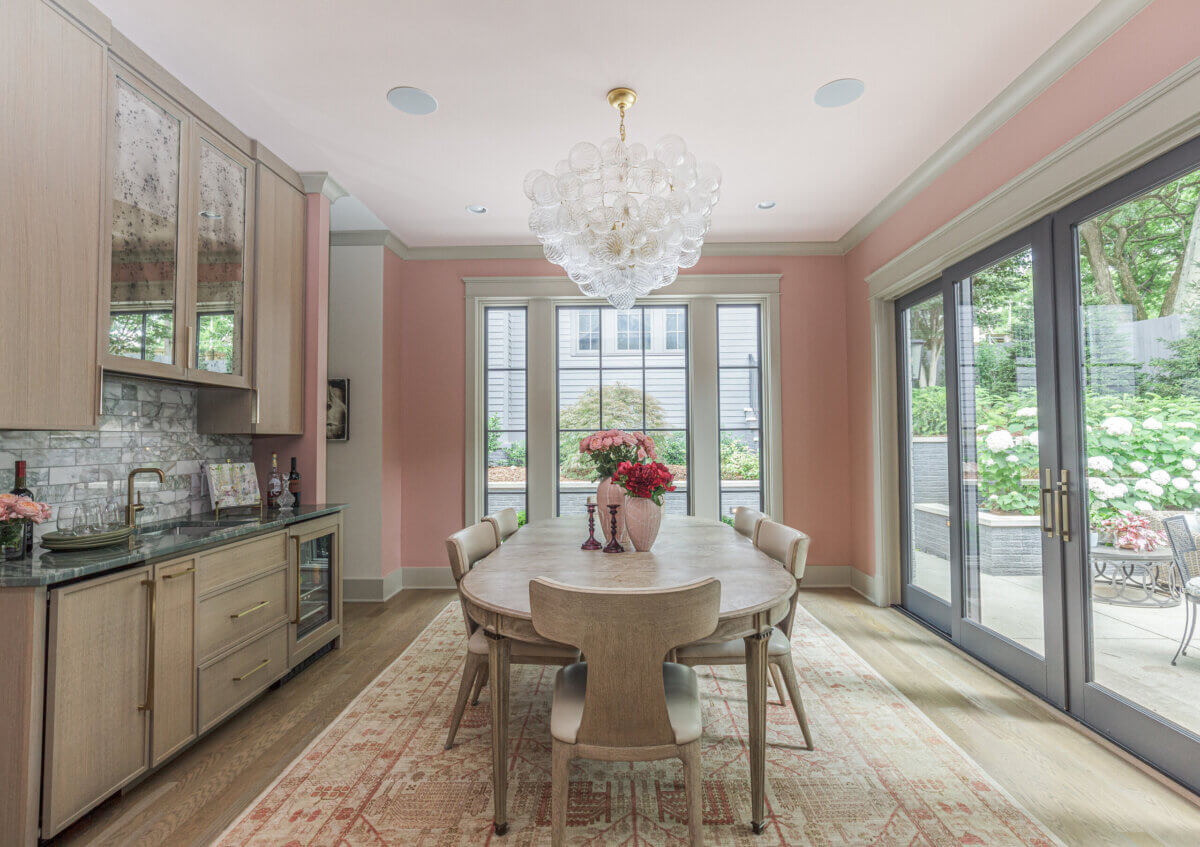
Those same considerations apply to every household’s unique needs, whether it’s a family with young children who need a homework or craft space, or a household that loves to host. “Every household has a rhythm all its own, and good design honors that,” adds Beth.
Beth tells the story of one client who always dreamed of creating a forever home designed for large gatherings. During their first holiday season in the home, the client reached out to share that for the first time, she had enough space for their entire family to enjoy a meal together. Moments like this are a reminder that great design isn’t just about how the home looks, it’s about creating a space that supports the life you want to live.
Sign #4: You’re Starting a Renovation or New Build
While you might assume you should wait to hire a designer until your plans are finalized or construction is already underway, delaying their involvement can create more stress in the long run. An interior designer can help establish a clear vision, anticipate challenges, and streamline the process from the very beginning. In fact, Beth says, “Most renovation mistakes happen before the construction begins.”
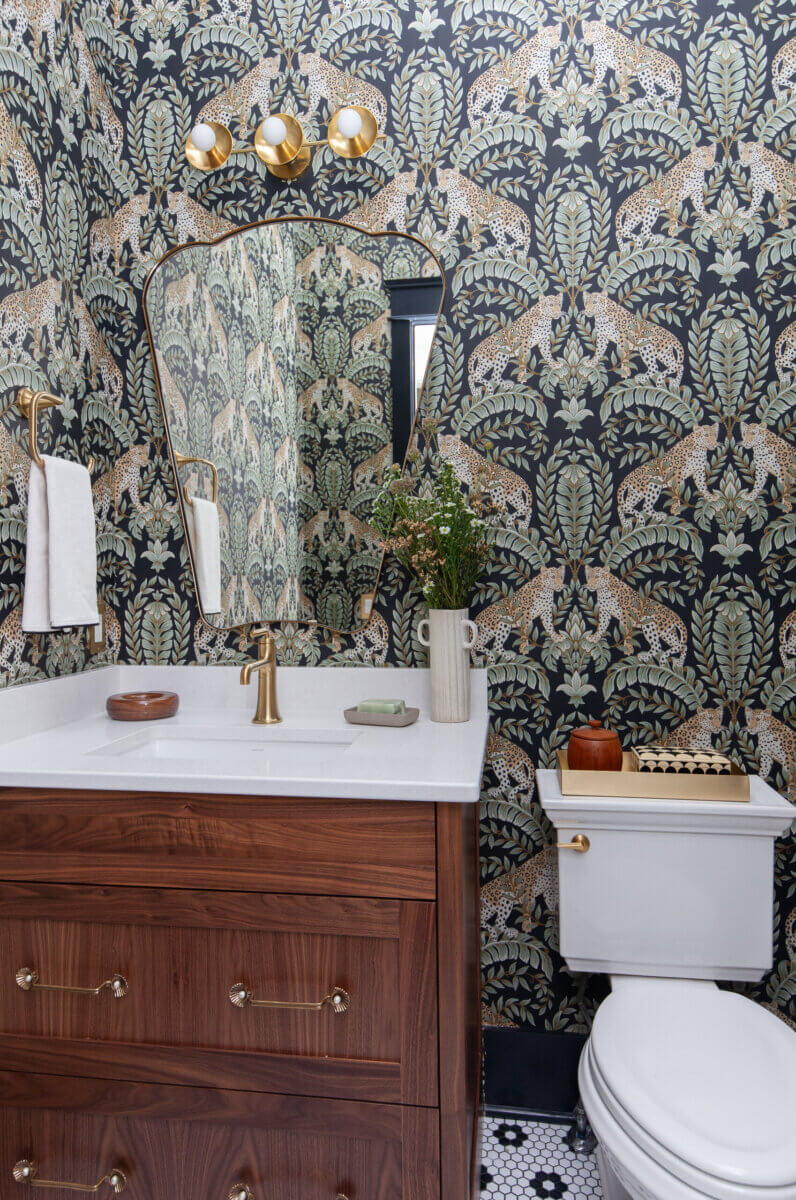
With more than 25 years of experience, Beth Haley Design has helped clients navigate countless renovation challenges and understands the importance of thoughtful planning from the outset. “We’ve navigated nearly every renovation challenge imaginable and learned how to avoid costly mistakes before they happen,” explains Beth.
Bringing a designer in early allows homeowners to think through important details before decisions are finalized, helping ensure that materials, layouts, and finishes all work together from the start.
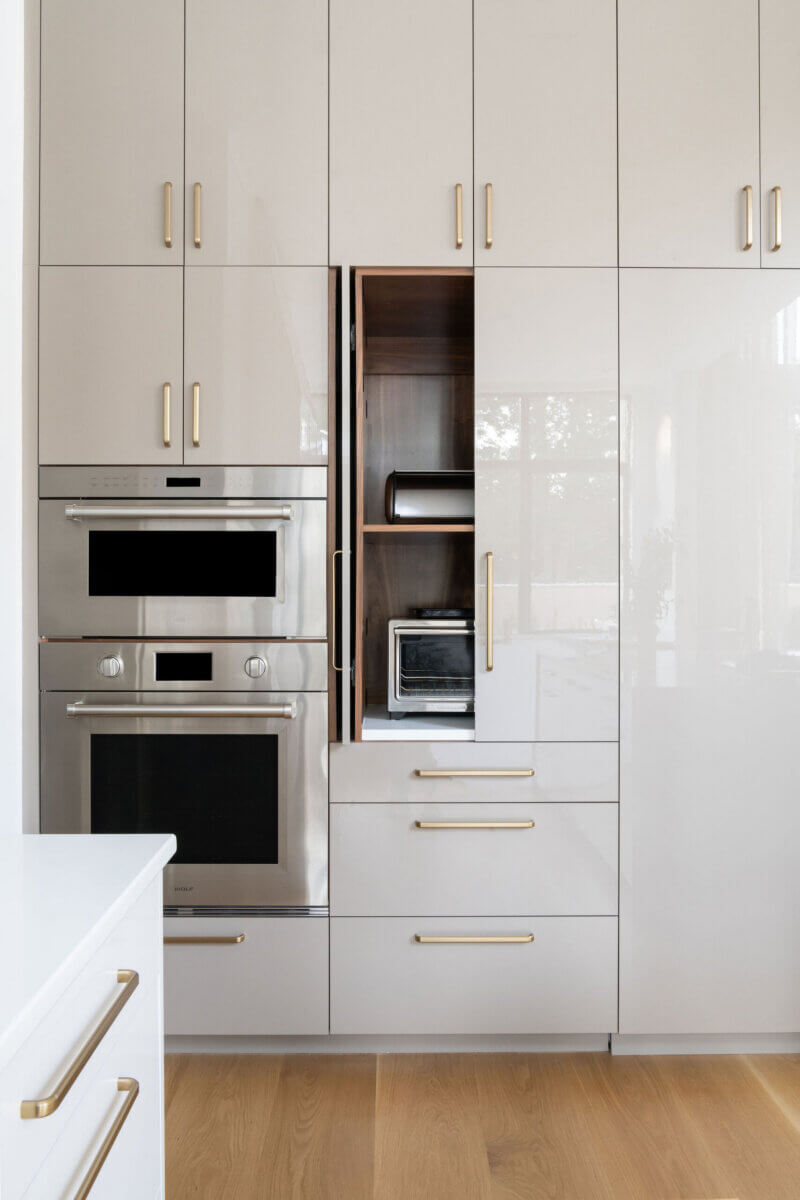
What Does Working with an Interior Designer Actually Look Like?
For homeowners who have never worked with an interior designer before, the process may feel a little mysterious. But at Beth Haley Design, every project follows a collaborative approach designed to create a home that is equal parts beautiful and functional.
Discovery and Planning
The process begins with an initial consultation, where Beth and her team learn more about your needs, lifestyle, goals, and vision for the space. After determining the project’s scope, the team prepares a proposal, takes detailed measurements, and begins conversations about budget, timeline, and overall design direction.
Designing the Vision
Next, the design team develops the overall plan for your home, including drawings with elevations, lighting plans, and furniture layouts. Throughout this phase, Beth considers how each space will function, focusing on layout, storage, and room-to-room flow. Once the aesthetic is established, clients receive guidance on finishes, fixtures, furniture, fabrics, wallpaper, and decor.
Bringing the Vision to Life
After selections are finalized, Beth and her team help coordinate the details that bring the project together. They will work with contractors, vendors, and installers while providing oversight and troubleshooting throughout.
Finally, installation day arrives — when the final touches, like furniture, rugs, and window treatments, are placed to complete the space. It’s the moment when all the planning and decisions come together.
“This is the moment clients often describe as ‘finally feeling like home,’” says Beth. “But it’s more than that. It’s the moment they can stop planning, stop making decisions, and simply enjoy living in the home they’ve been dreaming about.”
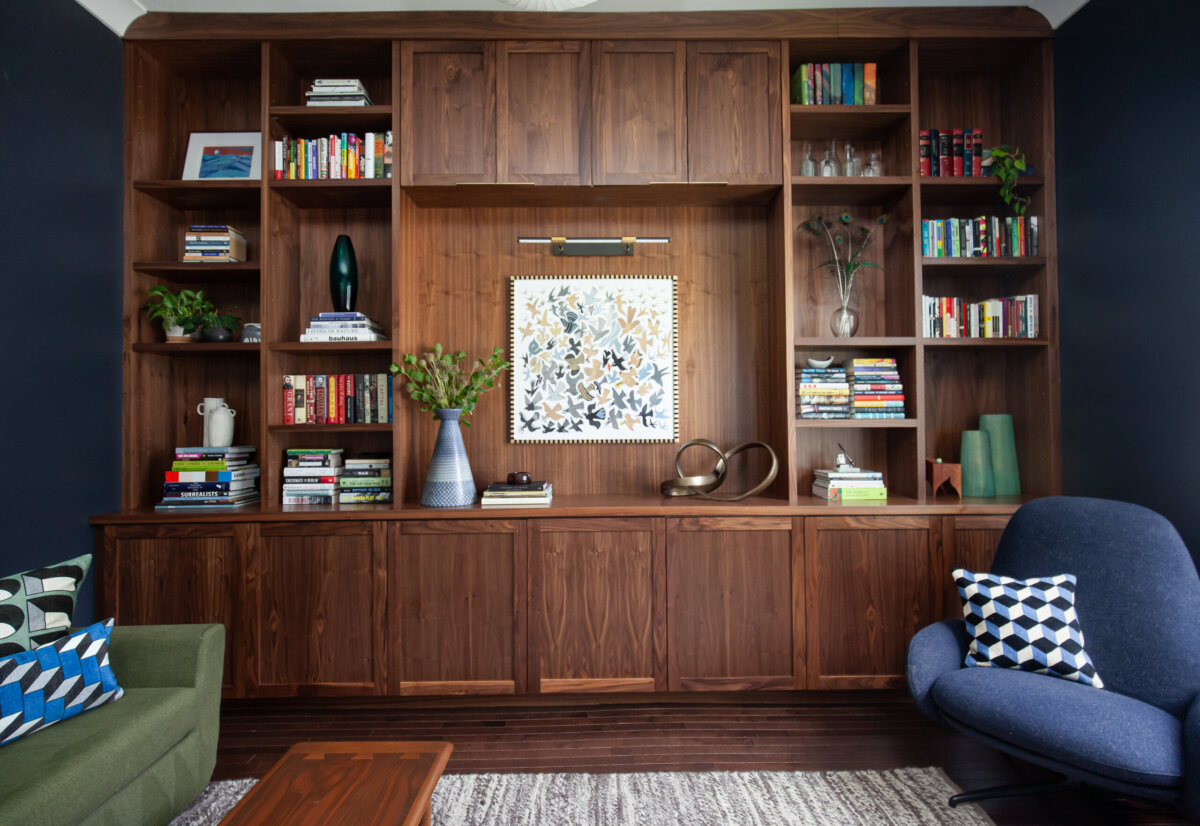
At the end of the day, great design is about more than selecting beautiful finishes and furnishings. It’s about creating spaces that support your lifestyle, reflect your personality, and make coming home feel a little more special.
Beth Haley Design is located at 1207 Linden Ave., Nashville, TN 37212. To learn more, visit bethhaleydesign.com or call (615) 228-3664.
This article is sponsored by Beth Haley Design.

Brianna Goebel
Brianna is StyleBlueprint’s Associate Editor and Sponsored Content Manager. She is an avid fan of iced coffee and spends her free time reading romance novels.