This Nashville Author Sees the Extraordinary in Ordinary Words
We spoke with Nashville author Varina Buntin Willse about her new book, "Beneath and Between," and how language, wonder, and the practice of noticing can transform the way we move through the world. Image: Emily April Allen
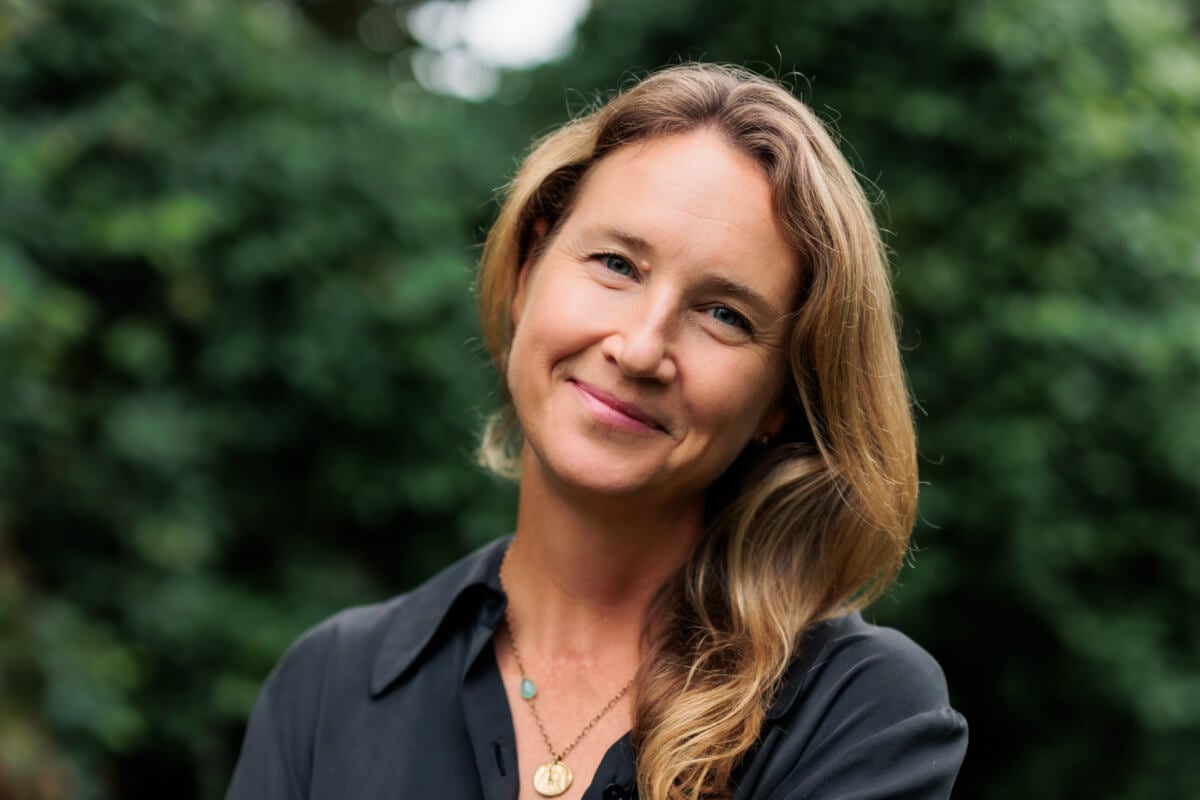
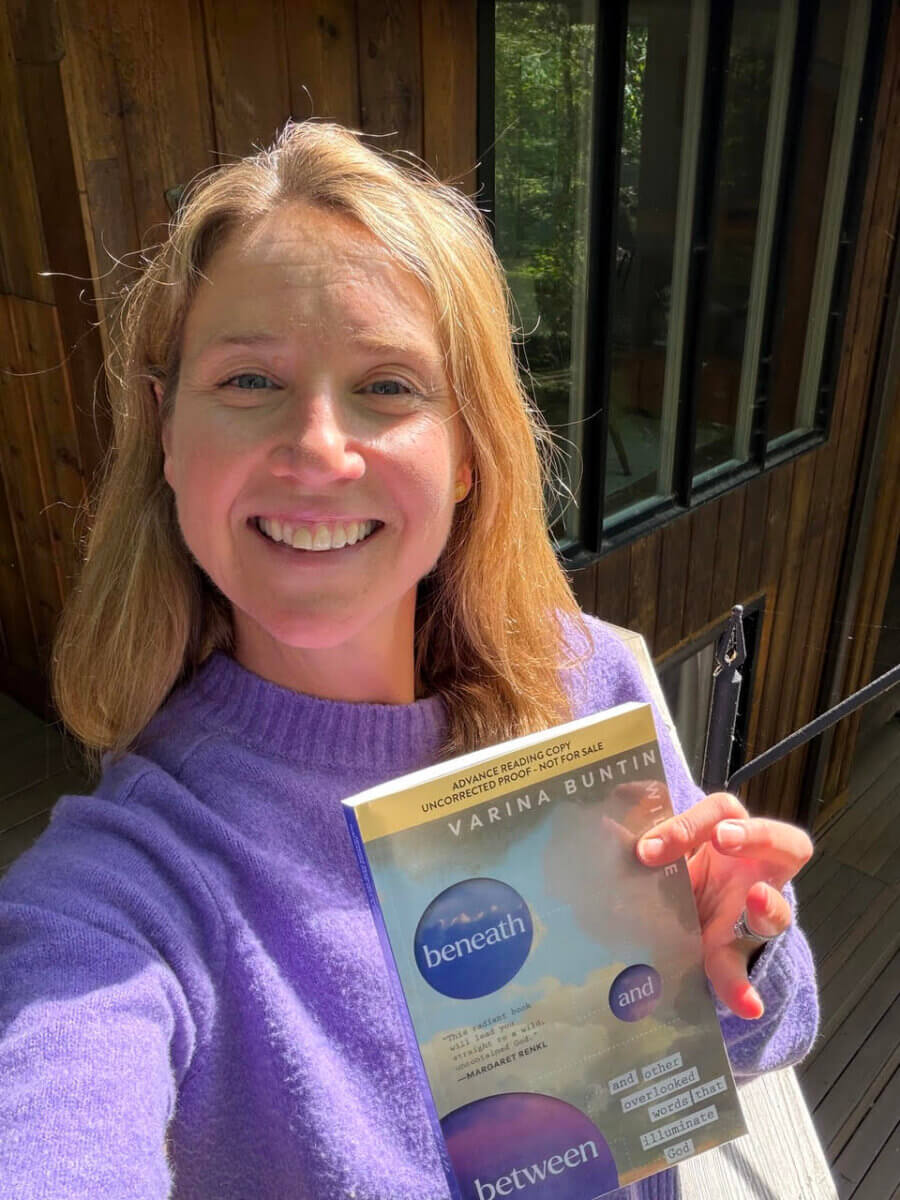
Words have always been at the center of Varina Buntin Willse‘s life. Raised on a farm just outside Nashville, she spent her childhood roaming fields and discovering the beauty of the natural world. Today, the author, speaker, and retreat leader continues to help others find meaning through language. Her newest book, Beneath and Between: And Other Overlooked Words That Illuminate God, explores faith through the surprising spiritual power of everyday prepositions. We caught up with Varina to learn more.
You’re a Nashville native. What was your experience like growing up here?
I actually grew up on a farm an hour north of the city, but we commuted to Nashville for school every day. I really had the best of both worlds. My childhood spent roaming fields, collecting feathers, and catching lightning bugs taught me early that this world of ours is positively saturated with the sacred. I learned to pay close attention to nature, a skill that was fortified and extended in school.
Attending Harpeth Hall and later UNC-Chapel Hill and Oxford University opened me not only to the wonder of literature and poetry but also to the skills of close reading and critical thinking. I have pretty much always been a romantic, though.
Beneath and Between takes an original approach to exploring faith through prepositions. What first sparked the idea, and when did you realize it had the potential to become a book?
Like most writers, I am very attuned to the power of words and the way that even the most subtle shifts can alter meaning and impact. I became aware of the stealthy power of prepositions when I was teaching high school English and helping seniors with their college applications.
I wanted them to think outside the box on questions like, “If you were a word, what word would you be?” and counseled them to avoid predictable nouns or adjectives. I often gave a personal example that if I were a word, it would be a preposition, specifically the preposition “into.”
Years later, when I reached my early 40s and was undergoing a spiritual reckoning of sorts, that little preposition came back to me. I was flooded by the mystery and glory of God “into.” In fact, that was the working title of the earliest drafts of the book.
From there, it just unfolded. Some were obvious, like “above” and “beyond,” also “near” and “with.” Some I discovered only while drafting, like “for” and “between.”
The more attuned to them I became, the more I spotted them everywhere — in scripture, in spiritual books I was reading, in texts from other religions. It was like I had been mining and found treasure.
Your work blends theology, literature, and storytelling in a way that feels super thoughtful and accessible. How has your own spiritual journey shaped the way you write?
Oh, this is such a wonderful and impossible question. I wish I could just say, “Yes!” and leave it at that. The truth is, I can’t untangle my spiritual life from my writing life, or my reading life for that matter. They have always all been intertwined.
Reading and writing help us know what we think, what we feel, what we seek, what we believe, what we are, and what life is. They are integral to the spiritual journey. And words themselves are manifestations of the ineffable and also portals to it.
More specifically, though, I can say that the Episcopalian liturgy of my upbringing — just its lyricism and sophistication before you even factor in its message and meaning — taught me something essential about God. God is not a tyrant or even a judge: God is a poet.
Your book seems especially welcoming to readers who may be questioning, searching, or even struggling with faith. What do you hope they take away after turning the final page?
God is alive. God is dynamic. God is relational. God is pursuing us, or as the psalmist says, “searching us.” When we look at the divine through the lens of prepositions, we see all the ways God has of relating, of connecting, of loving.
God is near us and with us. God is for us and within us, also among us and around us. Knowing this has the potential to reorient our faith and our entire way of being. It did mine.
Outside of writing, what are your passions? What does a perfect day in Nashville look like for you?
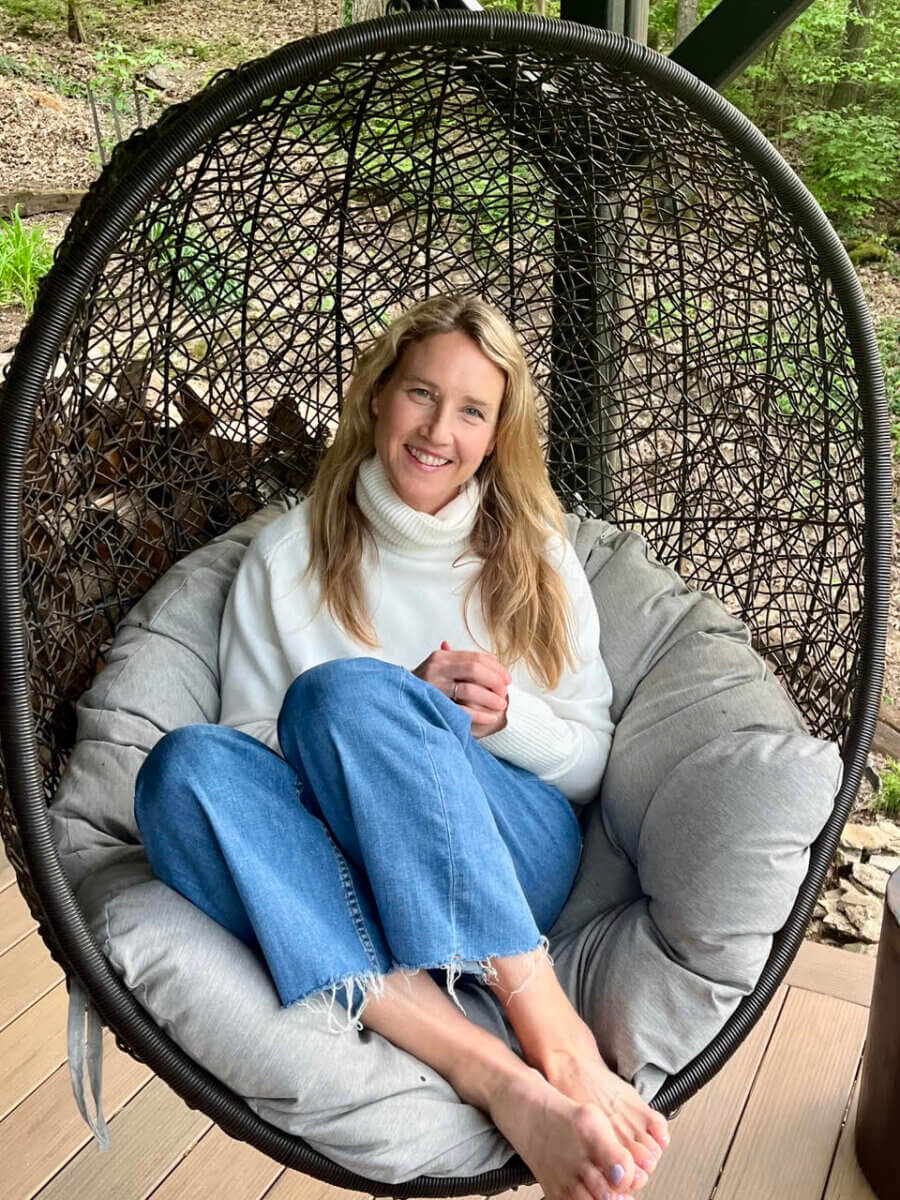
A perfect day … I feel relaxed just thinking about it! I wake up early, go outside with my oatmilk-frothed coffee, sit in my nest chair during the blue hour, watch the creek, meditate, pray, read, sink in.
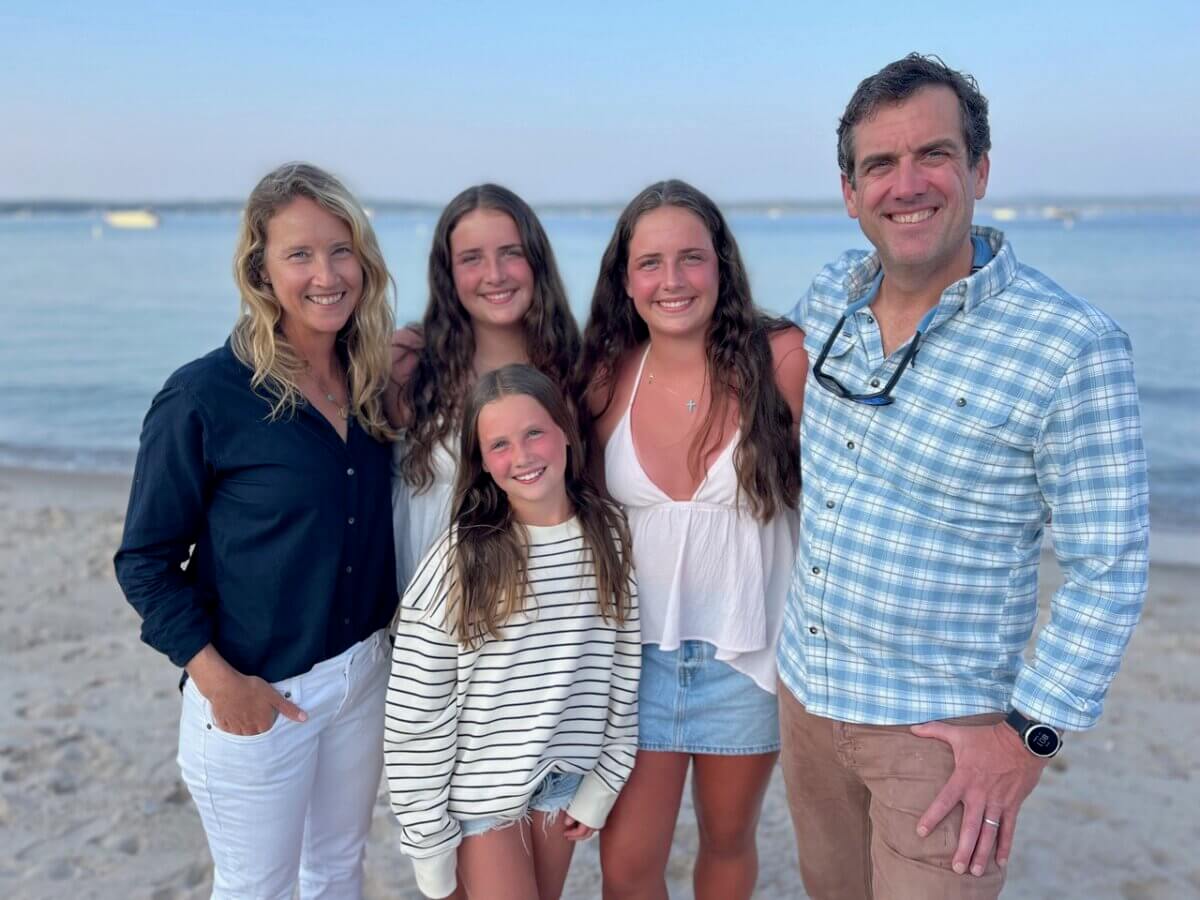
I feel so grateful knowing my beloved people — my husband and our three daughters — are safe and cozy in our home. I write! If this is an ideal day, I have time to write before the day demands anything else of me.
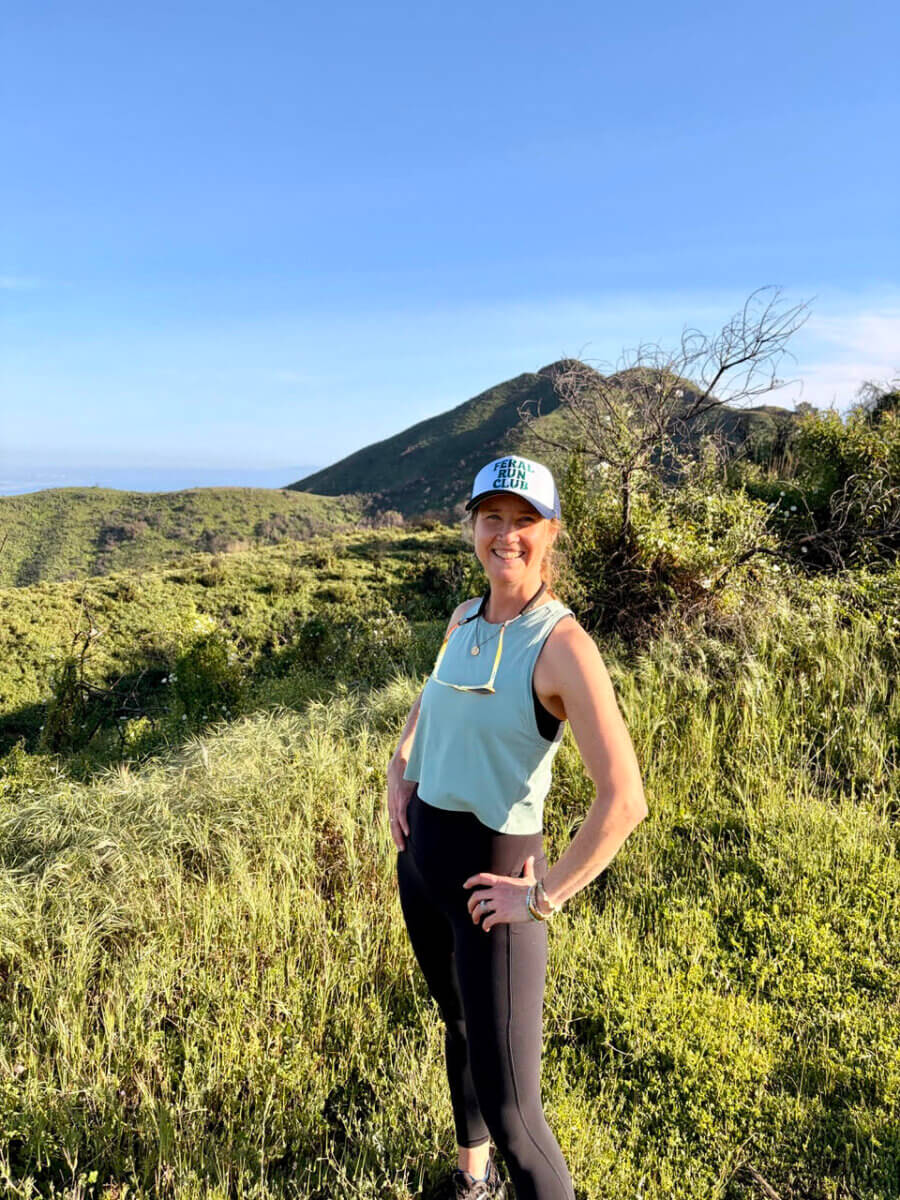
Then the quiet gives way to clamor. Everyone is up, talking, laughing. We eat, we tease. At some point, I go for a trail run. If I happen to be able to teleport, I go paddleboarding in Michigan and then return in time to see friends.
That evening, our entire extended family (all 15 of us) gathers at the farm where my brothers and I grew up, where my mom still lives, and we sit by a fire and eat a big dinner in the dining room. Then we go outside to see the full moon rising. An owl calls. If it’s my perfect day, an owl definitely says goodnight to me.
Where do you find yourself most inspired, and what helps you slow down enough to notice those moments?
I take that early morning time in my nest chair every day, or nearly every day. I begin the day slow, and I begin it outside. That sets the tone for my entire day. I am happiest in nature — woods, hills, rivers … those are my places. Also by a fire. I love to sit by a fire.
Noticing is hardwired in nearly all creatures. It’s a survival strategy, but it’s also an endeavor of the soul. It fosters connection, awe, gratitude, and understanding, which is to say it brings us closer to truth.
Honestly, what could be more pressing than that? And yet, here we are, hurrying about or flicking at our phones. Noticing is probably the answer, no matter the question.
What’s something people might be surprised to learn about you?
I won a screaming contest at Disney World in college. Nothing about that feels like me.
What’s one Nashville spot you’ll never stop recommending, whether it’s a restaurant, bookstore, park, or hidden gem?
I have to say, Christ Church Cathedral on 9th and Broadway is one of the city’s most glorious and serene of sanctuaries. She has been here a long time, holding space. You don’t have to go to a worship service. Just step inside sometime and sit down. Your nervous system will thank you.
What’s the best piece of advice you’ve ever received?
Toss up between “This, too, shall pass (Granny)” and “Let your light shine (Jesus).”
LIGHTNING ROUND!
Favorite podcast or recently read book? An Altar in the Word by Barbara Brown Taylor
What’s one self-care item you can’t live without? Cetaphil Moisturizing Cream. So unsexy, I know.
Favorite late-night snack? Cool Whip, if 9 p.m. counts as late night!
This article contains product affiliate links. We may receive a commission if you make a purchase after clicking on one of these links.
**********
For more inspiring stories, visit our FACES archives!

Jenna von Oy Bratcher
Jenna von Oy Bratcher is StyleBlueprint's Editorial Operations Manager and Lead Content Editor. The East Coast native moved to Nashville almost two decades ago, by way of Los Angeles. She is a lover of dogs, strong coffee, traveling, and exploring the local restaurant scene bite by bite.