Stevie Wonder’s Piano, Helen Keller’s Desk & the Louisville Museum Where Every Guest Gets to Touch History
At this Louisville museum, touching the exhibits isn't just allowed. It's encouraged! From Stevie Wonder's piano to Helen Keller's personal belongings, The Dot Experience is breaking museum rules in the best possible way. Take a look inside the groundbreaking attraction that's redefining what it means to make history accessible to everyone. Image: The Dot Experience
The words “Welcome Everyone” emblazoned on the lobby wall at Louisville’s The Dot Experience are more than just a greeting — they are a promise that everyone who enters the museum will be offered the same inclusive experience, regardless of physical ability.
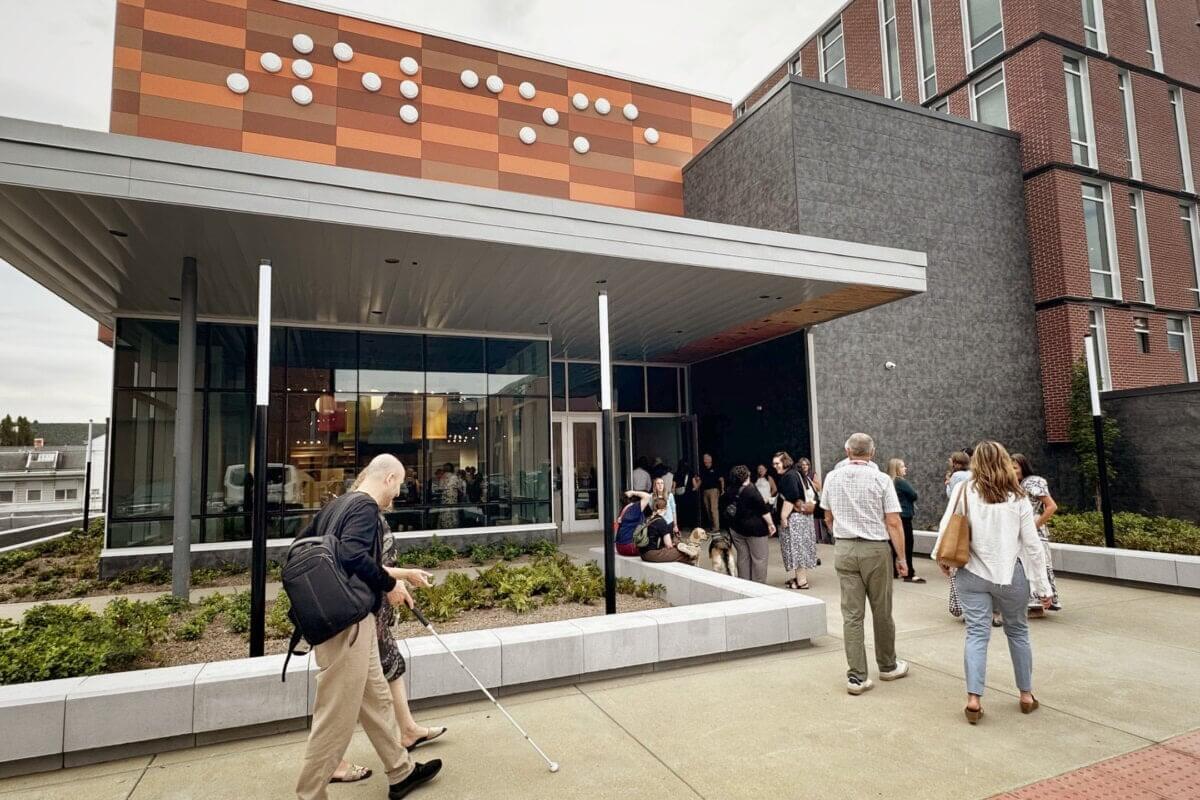
Described as the world’s first fully inclusive museum, The Dot Experience is an initiative of Louisville’s American Printing House for the Blind (APH). It promises that every exhibit, image, and artifact can be enjoyed by everyone regardless of visual limitations or other physical challenges.
Darrick Wood, the museum’s director, says that each step in developing the space has been guided by one fundamental question: “What if?”
“What if the person entering our lobby is in a wheelchair?” says Darrick. “What if they have challenges reading the signs with ticket prices on them? What if the person working behind the desk has those challenges as well?”
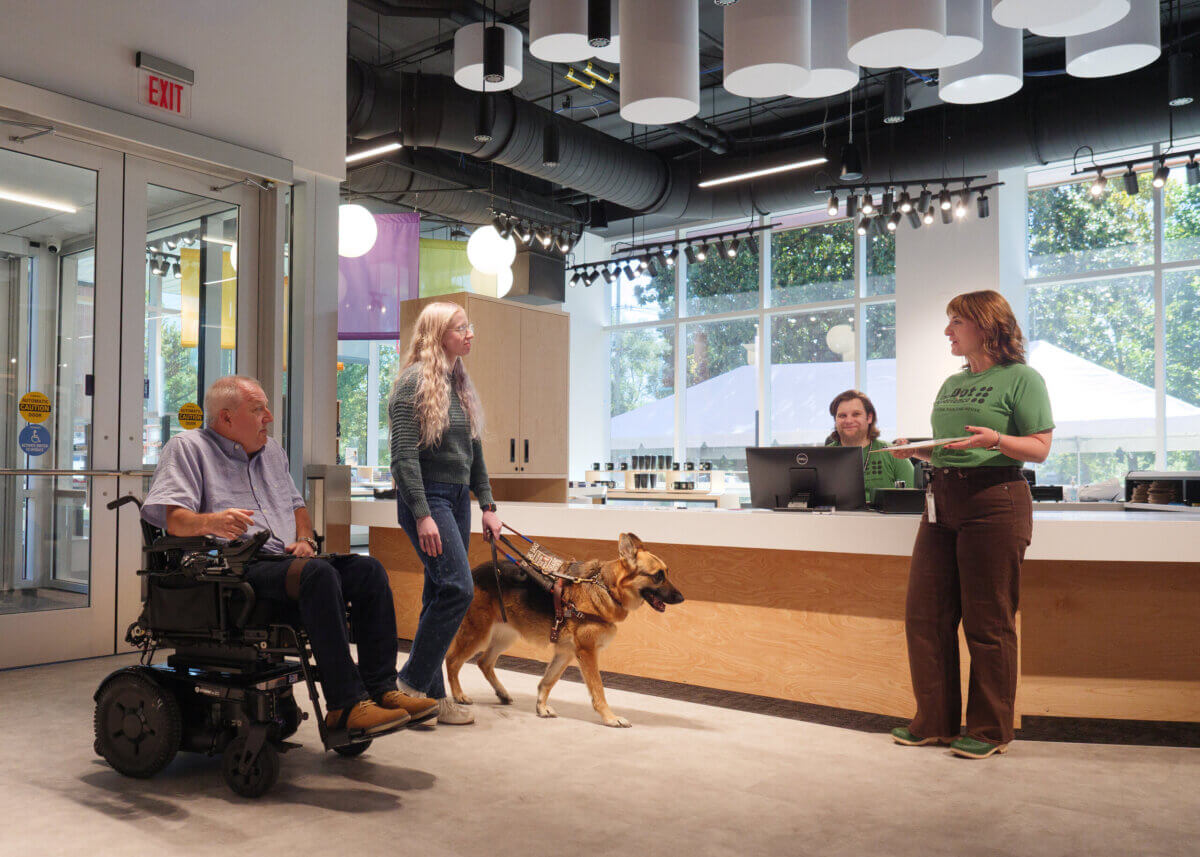
The answers to those questions led to accessibility features such as wide doors, low-pile carpet, lower countertop levels, and cutouts under the desk to accommodate mobility aides. And the inclusive options don’t stop there! They continue to a fully accessible event space called The Heart, which can accommodate up to 150 guests for meetings, conferences, and other events.
“What if we had a band here and wanted to make a mosh pit accessible? How many ASL interpreters would we need, and how much time would they need to prepare for different types of events? These are the questions we are always asking,” says Darrick.
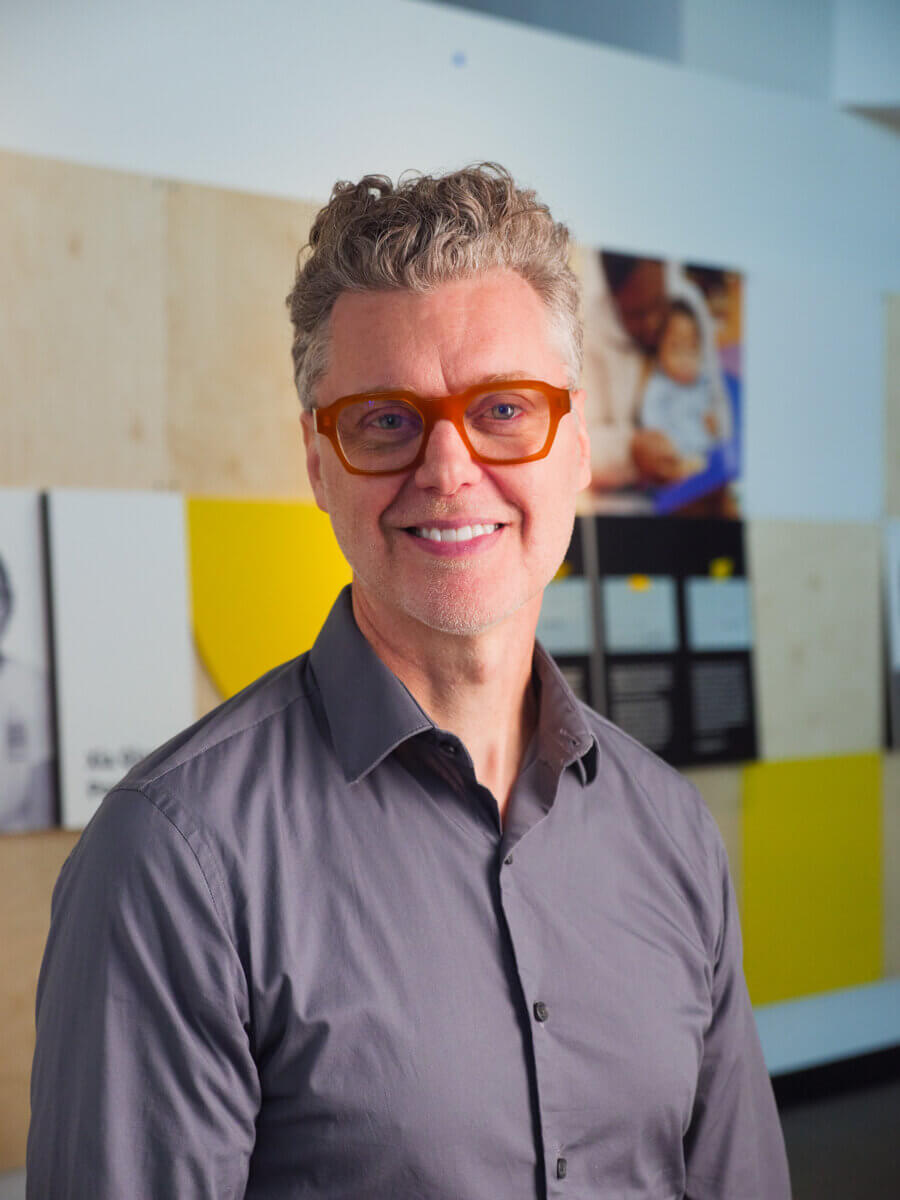
An orientation station offers wayfinding tools, exhibit features, tactile displays, philosophies, and inclusive design elements, allowing everyone to confidently and comfortably explore the space without assistance.
“If we have to give tours, we’ve done something wrong,” says Darrick.
The rest of the museum is divided into three exhibits: “Who We Are” examines the lived experience of those with no or low sight; “The Helen Keller Exhibit” features artifacts from the life of this pioneer disabilities advocate; and “Change The World” explores the use of braille and other innovations to advance equality.
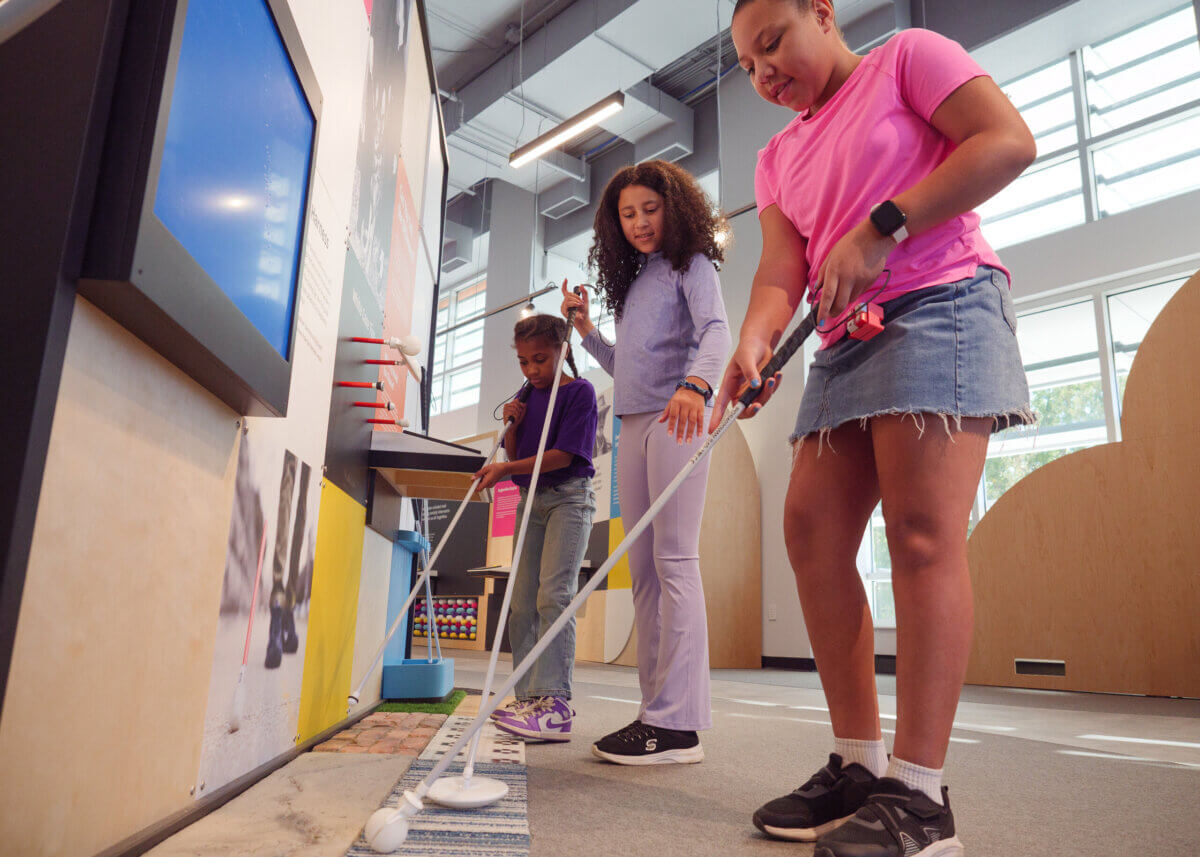
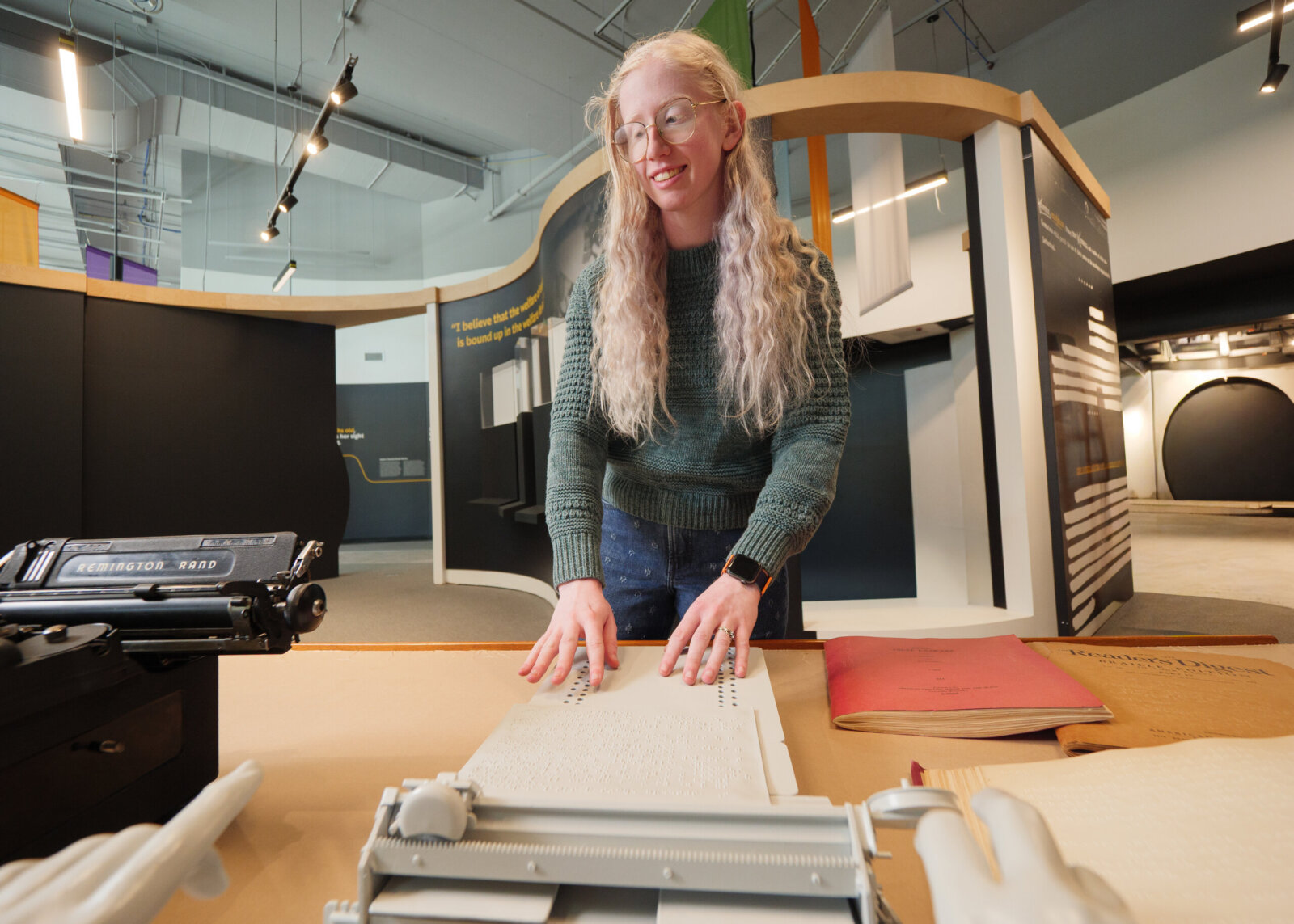
Throughout the museum, guests are encouraged to experience the exhibits in whatever way works best for them. Items are placed at mid-height, inviting children or wheelchair users to touch and feel. Braille displays are positioned at a precise angle to reduce wrist fatigue and are accompanied by QR codes that link to audio files and additional information.
Some historic artifacts, including a delicate silver scroll received by Helen Keller, have been remade to replicate their precise weight and feel, so that nothing has to stay behind glass.

“The beauty of equitable design is that everyone benefits from it,” says Darrick. “How can we say that you get to ‘see’ Stevie Wonder’s piano if not all of our patrons can actually see it?’ ‘Seeing’ has to actually mean ‘experiencing.’”
You can also take a tour of the American Printing House factory, which is the size of several football fields and has been in continuous operation for 170 years.
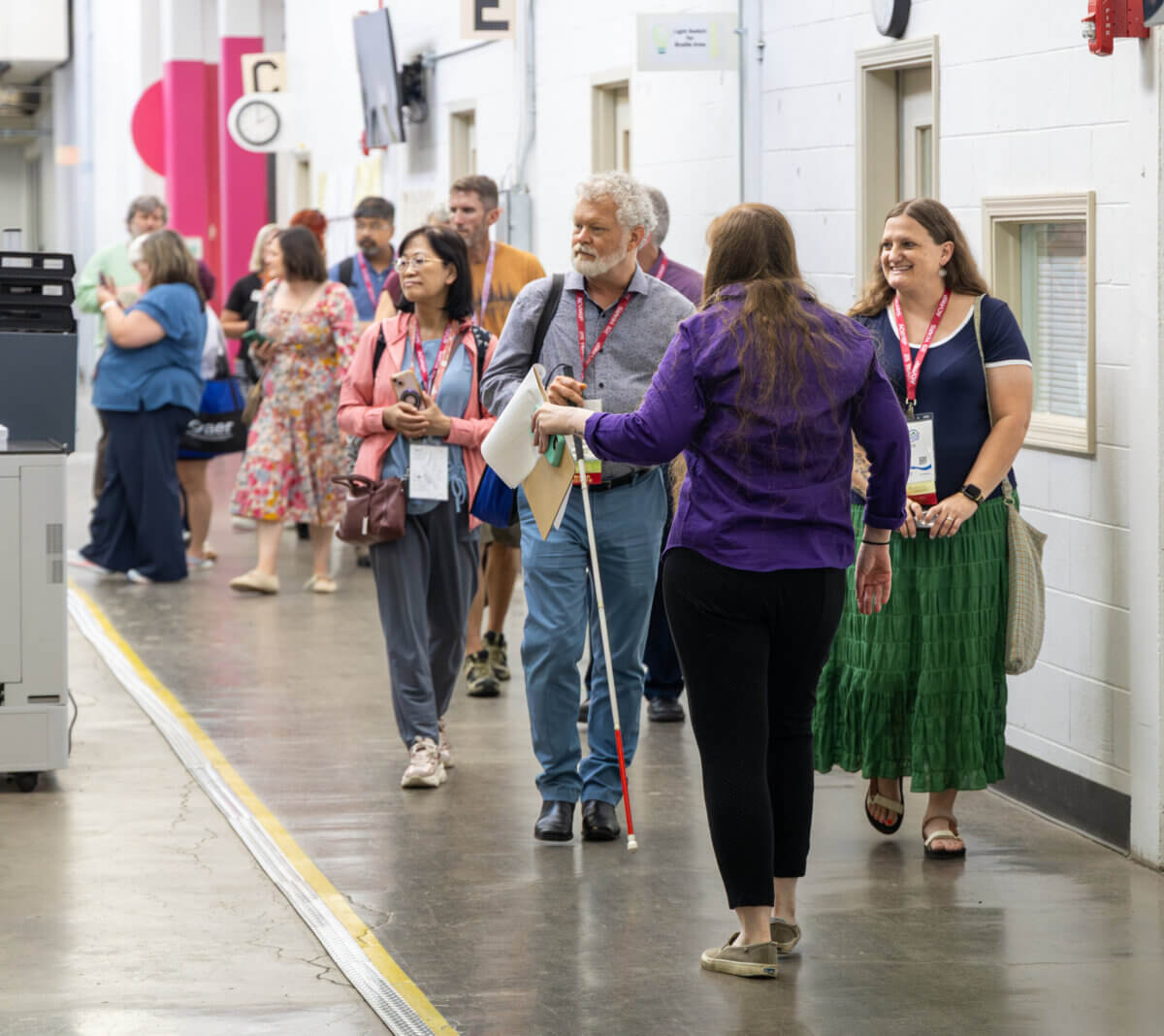
Darrick estimates that more than 100 stakeholders have had a hand in developing The Dot Experience, a process that has been ongoing for more than four years. And while many of the artifacts with famous names attached have been a part of APH’s archives for decades, Darrick says that donations from personal collections have poured in from all over the country.
For example, The Dot Experience received a collection of custom mobility devices created by a certified orientation and mobility specialist for people who couldn’t use traditional white canes. Using everyday hardware store materials, including pipes, swivel wheels, and tape, she designed alternative tools to help her clients navigate their surroundings.
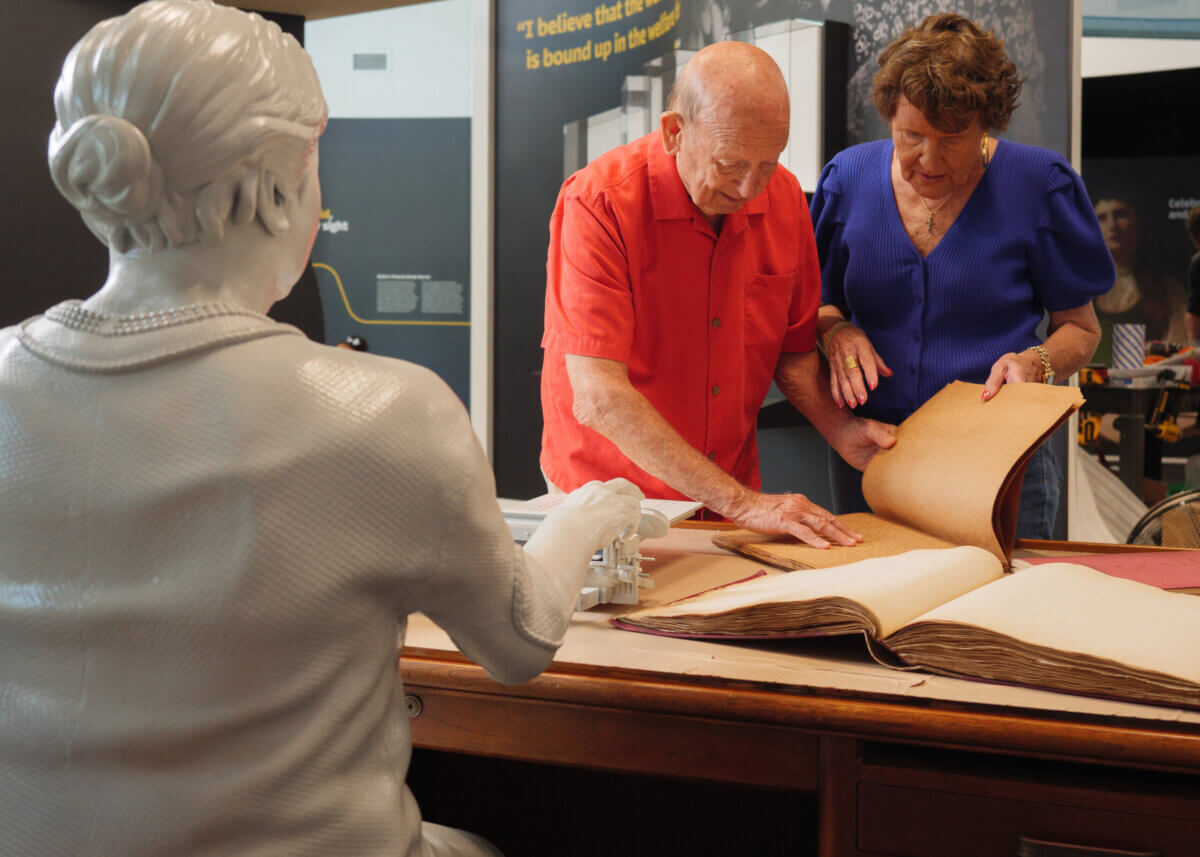
The result is a museum experience rooted in lived experiences, designed to inspire visitors to imagine a world where inclusivity is a given and innovations in accessibility are always within reach. Darrick hopes guests leave moved by the stories they’ve encountered and inspired to reconsider their own perceptions.
“Are you feeling this?” he asks. “Good. Now we need you to take that feeling out into the world.”
**********
To stay in the know on the best of Louisville, subscribe to our daily emails!

Beth Clayton
For over 20 years, Beth Clayton has either been working in a newsroom or pitching one. A natural storyteller and word nerd from the moment she could pick up a pencil, she earned her journalism degree from Butler University and spent the next decade as a writer, reporter, and editor. She now lives in Louisville, KY with her husband, three kids, and a very bad dog, and loves immersing herself in old lady hobbies such as houseplants and macrame.