The Diversity Faux Pas You May Not Have Thought About
Kallen Blair and Alie B. Gorrie are on a mission to make the entertainment industry a more inclusive space. Get to know these Southern girls and find out about their brand-new series, "ABLE."
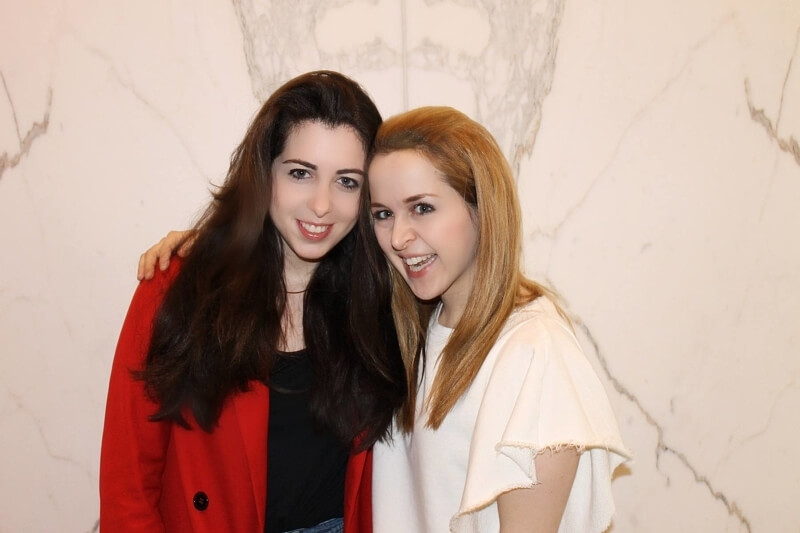
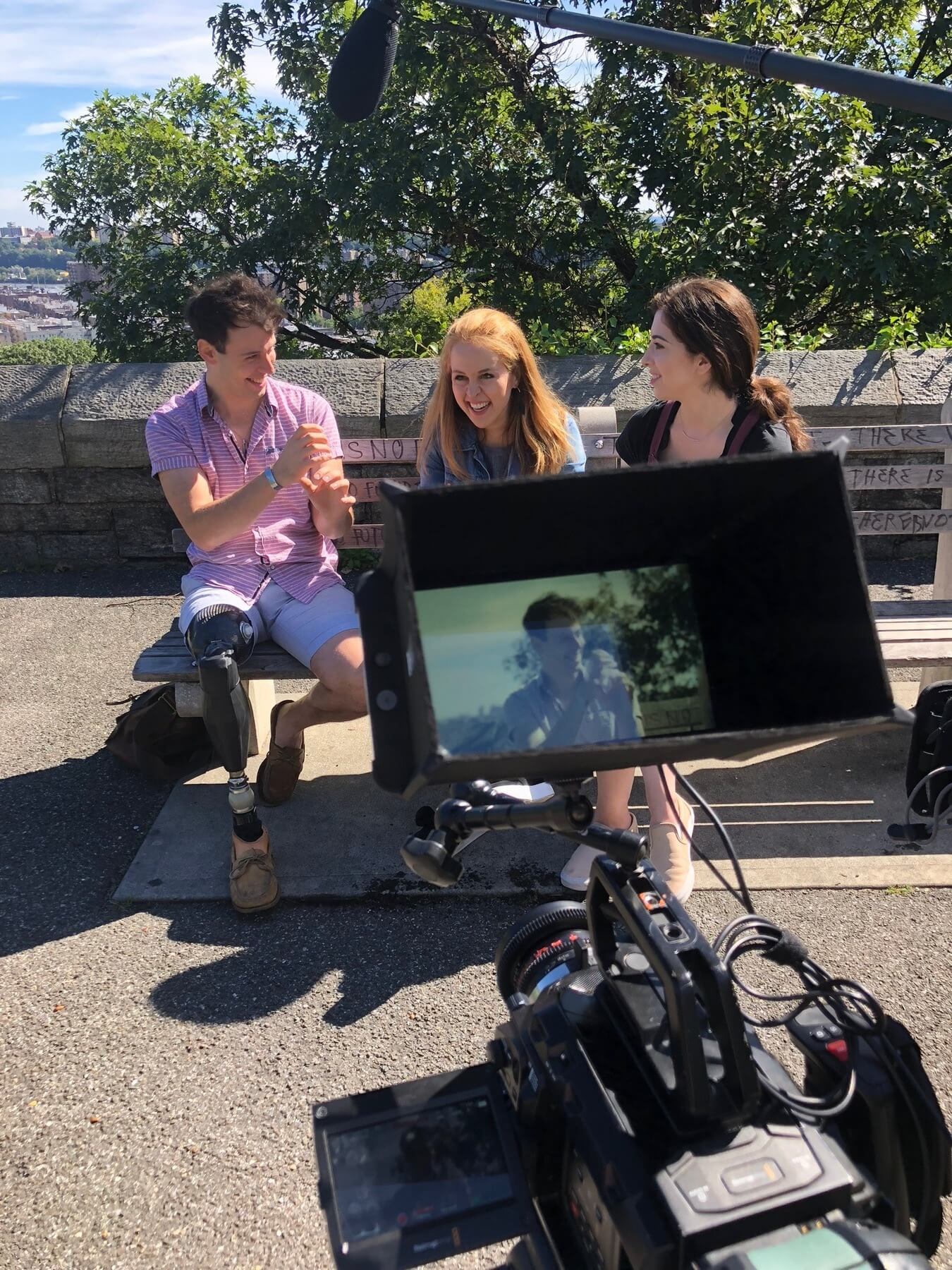
Kallen Blair and Alie B. Gorrie are Southern girls at heart, both born and raised in Tennessee and Alabama, respectively. After graduating from Belmont University, they headed to New York, having both been wooed by the big city at a young age. While in pursuit of their acting careers, they noticed a hole in the industry that left actors with disabilities on the sidelines as able-bodied actors portrayed them on stage and screen. They got to work creating “ABLE,” a series of episodes that feature a well-pedigreed selection of actors, including Danny Woodburn, Christine Bruno and Maysoon Zayid to a name a few, who live and work within the disabled and neurodiverse communities. Each interview sheds light on what it’s like to navigate the entertainment industry as a differently abled person and the importance of inclusion. Guests on “ABLE” showcase their impressive storytelling abilities and entertaining talents they bring to audiences. Get to know these ambitious women as our newest FACES of the South, and check out the “ABLE” trailer at the end of the interview.
Welcome, Kallen and Alie B.!

Tell me about where you both grew up and how you met?
Kallen Blair: I grew up in Memphis. We met in Nashville at Belmont University, where I studied straight theater and Alie B. studied musical theater. I believe we met in a dance class (I remember this bouncy little ball of optimism in jazz shoes), but we didn’t get to know each other well until moving to New York.
Alie B. Gorrie: And I grew up in Mountain Brook, Alabama.
What led you to New York City?
KB: I have heard people say it takes at least two years for New York City to feel like home; however, I think I felt it within two seconds of my first visit. Thankfully, it was also where I had the biggest career network after undergrad due to summer work and internships, and I moved within the year after graduation. I will always be a southerner, but I hope to be in NYC for the rest of my life.
ABG: Ever since I was in first grade, I told my parents I was moving to NYC. I remember coming to visit and seeing Oklahoma on Broadway and the New York City Ballet Nutcracker, and my little world was rocked. I told my parents I was moving here the minute I was old enough … and I did! Even though I am visually impaired, they never told me no (in regards to moving here). I am immensely thankful for that.
Tell us about “ABLE.” What was the inspiration to create this project, and where will it be showing?
KB: There are so many parts to “ABLE”‘s origin. My brother Joel has nonverbal autism and cerebral palsy; I have been referring to that, and Alie B’s experiences as an actress with a vision impairment, as “the seeds.” However, it truly goes far beyond the personal. Over a year ago, we both saw an incredible piece of theater about a nonverbal teen. I was in awe of how truthful it was — how much it felt like looking into the window of my family’s home. In contrast to how disability is typically portrayed in media (stereotyped and “digestible”), the play we saw seemed like the gold standard that all entertainment should be held to. We both became very attentive to how disability was portrayed in various mediums and also began to notice who plays the disabled characters (the majority of the time it is an able-bodied actor). The seeds came together, and the idea finally sparked last summer. I was working with a regional theater in Massachusetts, and we had just received accessibility training for audience members with disabilities. I emailed Alie B. from my actor housing — and the rest is history!
ABG: Kallen approached me with the idea and asked me if I wanted to sign on as a co-producer and co-host. I immediately said “yes.” Since moving to NYC, Kallen and I have discussed the power of inclusive theater … when it works, and when theater is “performatively inclusive.” We both have a passion for inclusion and the yearning to change our industry.
What is the goal for the series?
KB: “ABLE” aims to remind our viewers that the best art mirrors our own world, and our world has people with disabilities making up the largest minority group. We hope “ABLE” drives industry professionals to put inclusivity into action and drives consumers to crave truthful storytelling.
ABG: Through “ABLE,” I want our viewers to see that inclusion enhances storytelling … adding artists with disabilities into the picture is merely mirroring the world around us! I also hope “ABLE” lets our audiences know that disability isn’t something to be nervous around — I hope “ABLE” breaks down stigmas and stereotypes.
What is the biggest misconception about the entertainment industry as it pertains to differently abled artists?
ABG: In the past, disability has been seen as a technical skill. Think about all of the actors who have won awards for their portrayal of disability. In “ABLE,” one of our guests states, “Disability is not a technical skill, it is a lived experience.” Also, there is a misconception that we are limited by our disabilities when, in fact, that is not always the case. Actors with disabilities are pushing their limits every day, by constantly putting themselves out there in an industry filled with “no”s.
KB: 95% of the time it is an able-bodied actor playing a disabled character. In fact, approximately half of the best actor winners in the history of the Academy Awards have been given to an able-bodied actor playing a character with a disability. It is time for Hollywood to stop reaping the benefits of these stories when the stories do not even include the people they belong to.
That being said, many believe that hiring a disabled actor (or writer, director, etc.) requires the expenditure of extensive additional funds for things like an interpreter, large print materials, an aid, etc., and is therefore not worth the hassle. First of all, we have learned from a few of our guests, as well as ADA regulations, that there are resources available. Secondly, we have proof that inclusion actually improves the stories being told.
What do you hope is the key takeaway for people who see the series?
KB: Oof. One key takeaway? Telling real stories requires real people.
ABG: Inclusion is the answer! I hope our audience also leaves the series with more knowledge of disability and how inclusion fosters lasting and impactful change.

What has been the feedback you’ve received from the people you interviewed for the series?
ABG: No one turned us down? That’s a start! From the minute we sent out inquiries, our inboxes filled up! All of our interview guests were hungry to share their story and experience. Some have been advocates for inclusion in Hollywood and NYC for decades. Everyone was so excited to have a platform to share and educate and inform.
KB: We did not receive a single “no.” We received a “call me when I am back from London” (ha!), but no one said “no.” I think that in itself is indicative of just how ready our guests were to share their stories and how necessary change is. It is not lost on us that “ABLE” is moving forward because of our guests’ generosity in sharing.
What was the most challenging part of this project overall?
KB: I suppose you could say we both come from “the other side of the camera.” Production is a new ballgame for us — so that in itself is a learning experience. I think there is also a challenge in being two polite women (thank you, Southern roots) in leadership. We’ve had to learn to speak up and advocate for ourselves as leaders and our project as something that is relevant and should be noticed.
ABG: We have had plenty of learning curves. Each week brings new challenges, but we are navigating them as they come, and we are learning from mistakes and moving forward.
What has been the biggest reward?
ABG: There are so many rewarding moments in this process. Getting messages on our website about young people seeing the trailer and being PUMPED, and each interview was an enriching and rewarding experience. Listening to my heroes tell their raw, uninhibited stories was remarkable.
KB: The morning after we released our trailer on Playbill I woke up to an email from a high school girl in the middle of the country who felt seen. That’s all we really need.

When you return to your Southern homes, what are your favorite places to visit?
KB: That’s tricky because I feel like Memphis and Nashville are both my Southern homes. Downtown Memphis has a special place in my heart, especially the Orpheum Theater. I saw (and was in) my first theatrical experiences there. Nashville has some of my favorite food: Marché, Burger Up, Sunflower Cafe … that city can really feed a girl!
ABG: I feel like I have two Southern homes, too — Nashville and Birmingham. If I go to Nashville for a weekend, I’ll always start with coffee at Frothy Monkey or Fido, take a long walk at Radnor Lake, or grab drinks at the Patterson House! If I am in Birmingham, I will beg to get a cup of O’Henry’s Coffee straight from the airport. I love the Pepper Place Farmers Market, trying new restaurants in Avondale and taking walks on the Jemison Parkway trail.
What is the biggest thing you miss about living in the South?
ABG: I miss the sense of connection to others almost all the time. For example, if I’m in Mountain Brook, I KNOW that I will see someone I know in the grocery store or at dinner. And if I don’t know someone, it isn’t uncommon for a cashier to ask about your day and really mean it. I love that!
KB: It is a little easier to create and see your community in the South. We are so spread out up here!
What is the best piece of advice you have been given and from whom?
KB: Too many people have given me amazing advice! I am incredibly grateful for the people who have been placed in my life. This is not a piece of advice, but a mentor of mine recently sent me a message and signed it, “Wishing you bravery and abandon today.” I wrote that out and put it on my wall. What if we all lived in “bravery and abandon” every day? I think it’s a lovely thought.
ABG: My acting teacher in the city happens to work a lot with Simon Sinek, author of the book Start With Why. She spreads his message to us constantly: It’s not about WHAT you do, but WHY you do it. I am always coming back to my “why?”. Because if we aren’t living every day based on our own personal “why,” then what’s all this for?
Aside from faith, family and friends, what are three things you can’t live without?
KB: Peanut butter, my planner and Spotify
ABG: Coffee, long walks outside (in Central Park at the moment) and audiobooks … my happy escape!
Thank you to Kallen and Alie B. Learn more about “ABLE” here, and check out the series trailer below.
ABLE: A series. COMING SOON. from SoulStir Creative on Vimeo.
**********
Our newest FACE of TriStar is Dr. Michelle Luschen, an interventional and vascular radiologist at TriStar Skyline Medical Center. She has risen to the top of her field and has made a name for herself in this innovative specialty. Get to know this dynamic wife, mother and radiologist as our newest FACE of TriStar. Click HERE!

Ashley Haugen
Ashley is a StyleBlueprint contributor who was born and raised in the South. She loves hiking, travel, photography, and spending time with family and friends.