She Told the Truth. Nobody Believed Her. Sound Familiar?
What happens when women speak up but no one listens? In this personal essay, Jenna von Oy Bratcher shares the story behind The Cassandra Project, a film trilogy tackling the consequences of dismissing women's voices, and why its mission matters more than ever. Image: John Jo for Anzie Blue
“Southern Voices” is a reader-submitted platform. Today’s submission comes from our StyleBlueprint Editorial Operations Manager and Lead Content Editor, Jenna von Oy Bratcher, about her recent fundraising event for The Cassandra Project film trilogy.
**********
This might be the most personal article I’ve ever written for StyleBlueprint in the seven years I’ve been here.
How’s that for an opener?
There’s a particular kind of frustration that comes with knowing you’re right and realizing no one is listening. And I don’t just mean when you tell your kids to put on a raincoat, only to hear complaints about being soaking wet an hour later. I mean the kind that comes when you speak up about something that matters, only to have your concerns dismissed, your credibility questioned, or your experiences minimized … when the issue isn’t that someone disagrees with you, but that they’ve decided you aren’t worth listening to in the first place.
That’s how we got here.
Maybe you’ve experienced it in a doctor’s office, when your concerns were brushed aside. Or in a meeting, when an idea you suggested was ignored until someone else repeated it. Maybe you’ve watched a woman come forward with a harrowing story, only to see the conversation shift from what happened to whether or not she can be trusted.
Most women I know have a story. Some have dozens. I’m not ashamed to admit that I have quite a few myself.
It’s a big part of why I became involved with The Cassandra Project, a trilogy of short films exploring the consequences — the dangerous stakes — of what happens when women aren’t believed.
The name comes from Greek mythology. Cassandra was a Trojan princess who was given the gift of prophecy, but cursed (Damn you, Apollo!) never to be believed. She could see disaster coming, warn everyone around her, and still be powerless to prevent it.
Thousands of years later, that story feels a little too familiar.
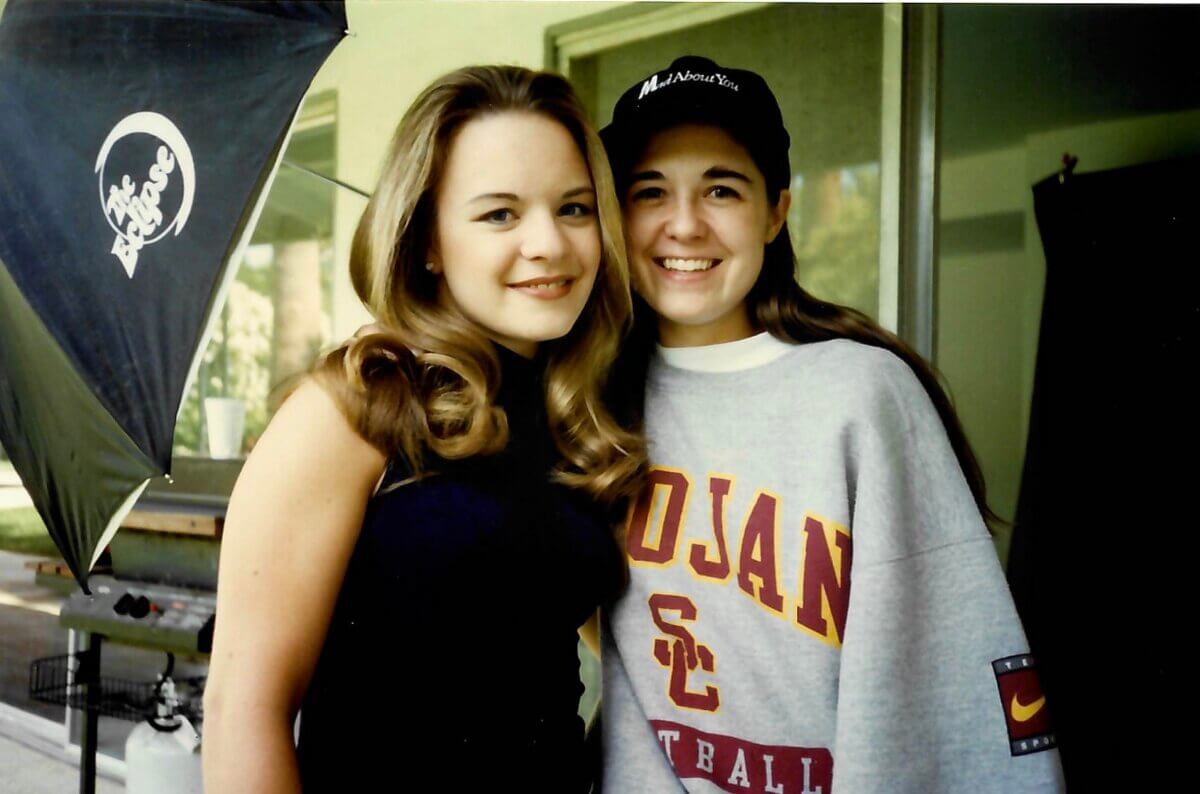
Years ago, my longtime friend Barclay DeVeau called me late one night with an idea. Barclay and I have known each other since childhood, and after reconnecting at USC’s School of Cinematic Arts, where we were part of a small, highly selective film program, we’d been looking for an opportunity to work together.
That late-night phone call turned out to be it. She told me about a trilogy of short films she wanted to create, each exploring the consequences that occur when women aren’t believed. I was in. More than in. I had my script written by that weekend. And if you know me, that won’t come as a surprise.
But there’s so much more to this project than three short films. This trilogy is about starting conversations that aren’t always comfortable, challenging assumptions we may not even realize we’re making, and asking ourselves why some voices carry more weight than others. It’s about recognizing that being dismissed or disbelieved isn’t just frustrating. Sometimes, the consequences are life-altering. For everyone.
Importantly, The Cassandra Project is nonpartisan, and its message isn’t limited by gender. This isn’t about pitting women against men or pointing fingers. It’s about recognizing that we all have biases, whether we’re aware of them or not, and that we all have a responsibility to question those assumptions. Because listening, taking someone seriously, and treating people with respect shouldn’t be political issues. They should be human ones.
Our first film, Busybody, follows an older woman who witnesses a crime and struggles to convince the authorities to take her seriously. What unfolds is a fictional story, but the assumptions behind it are anything but fiction.
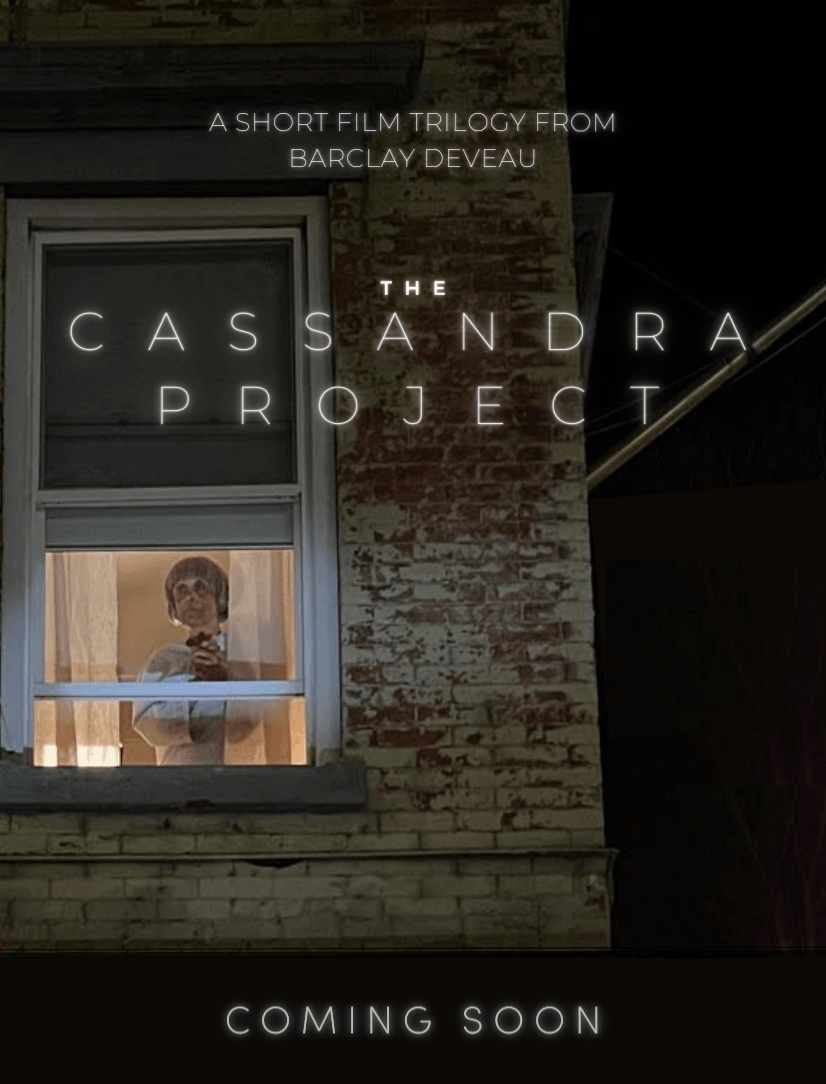
Mystic International Film Festival. Image: The Cassandra Project
I produced that first film, but I also had the opportunity to write the third film in the trilogy, which has made this project especially meaningful to me. As a writer, there’s something incredibly rewarding about creating a story that not only offers a great watching experience but also asks audiences to reconsider how they see the world.
And that’s what I love about this project. We’re not making documentaries or delivering lectures. We’re telling stories. The kind that entertain you, make you feel unsettled, and (hopefully) leave you thinking about something long after the film ends. Maybe this is why our trilogy concept has resonated so wholeheartedly with educational institutions and medical facilities.
We’re already being asked to bring these films into spaces where they can spark discussions about unconscious bias, credibility, and the consequences of dismissing someone’s concerns. And to me, that’s where storytelling becomes something bigger than entertainment … When the credits roll, and the conversation is just getting started.
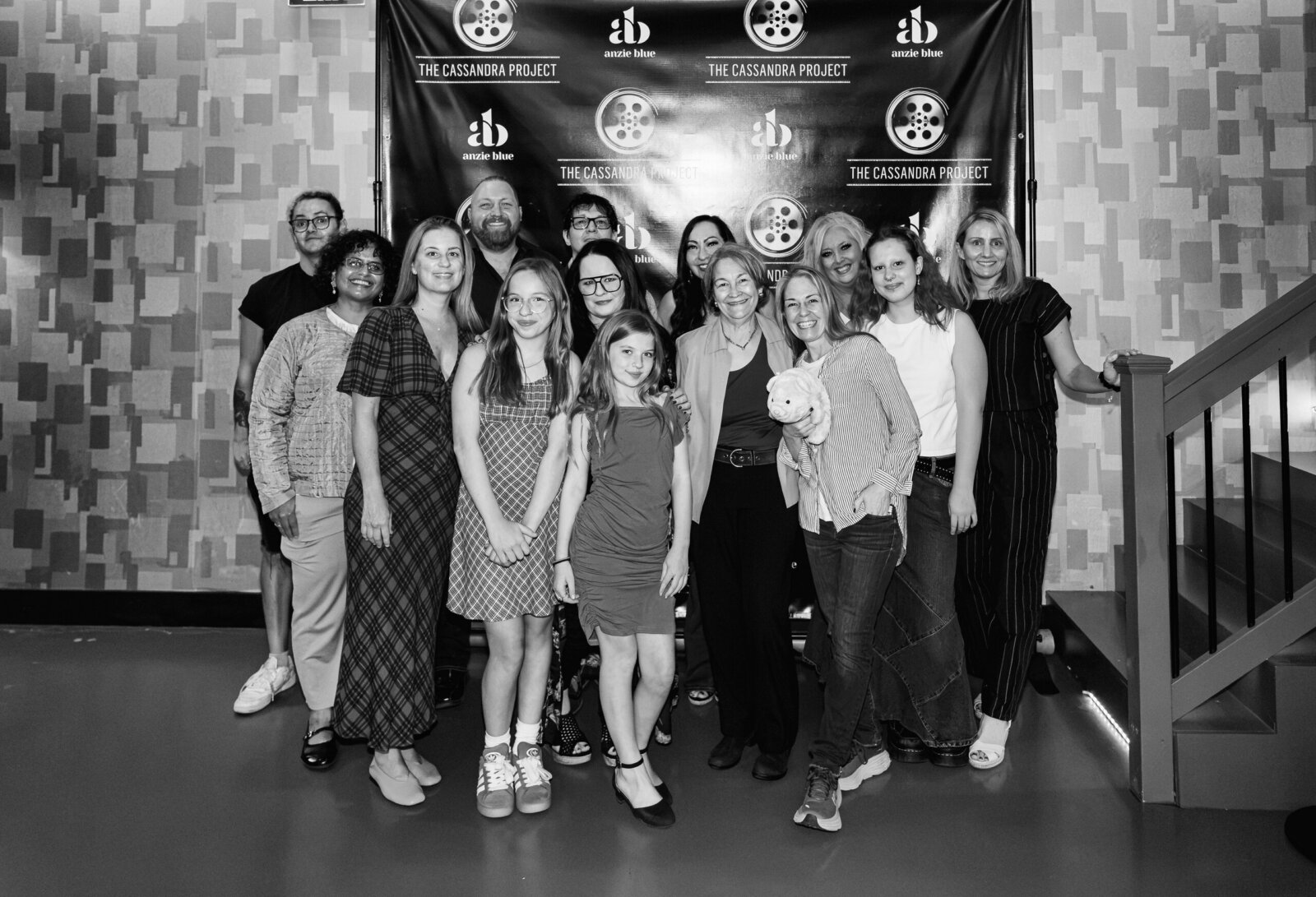
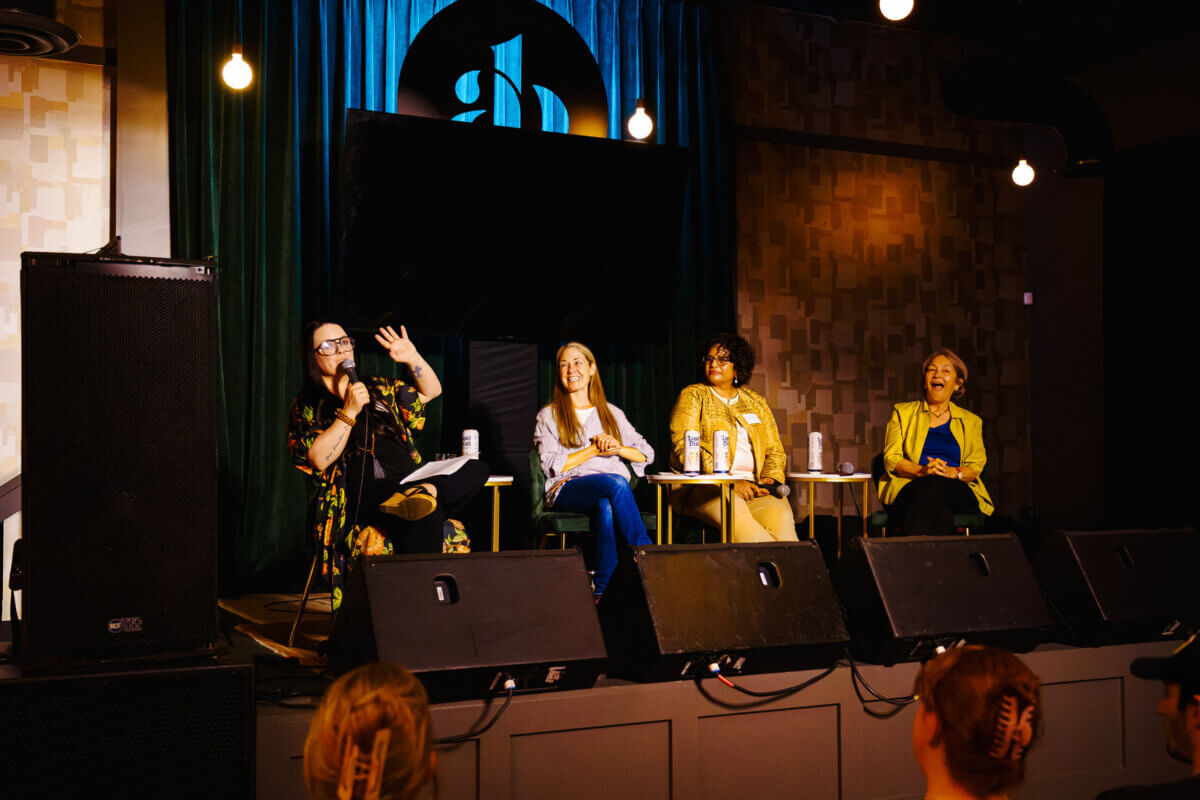
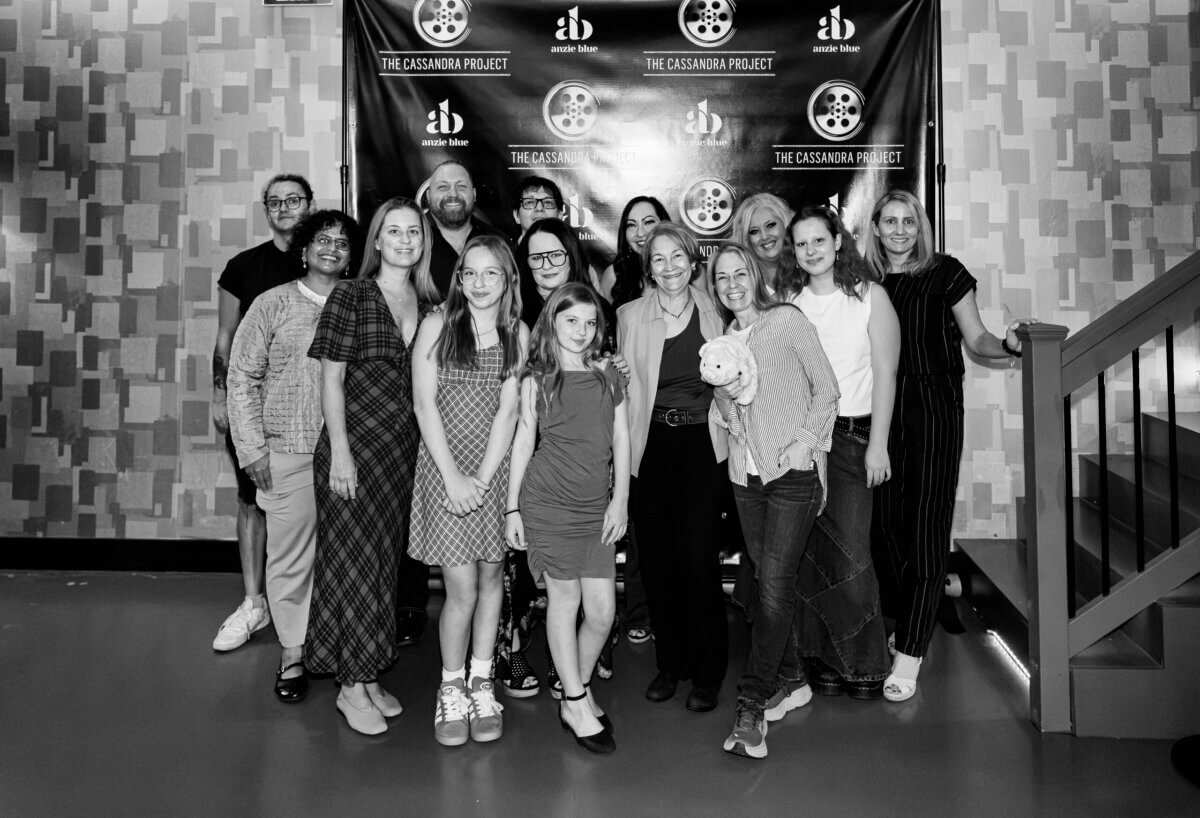
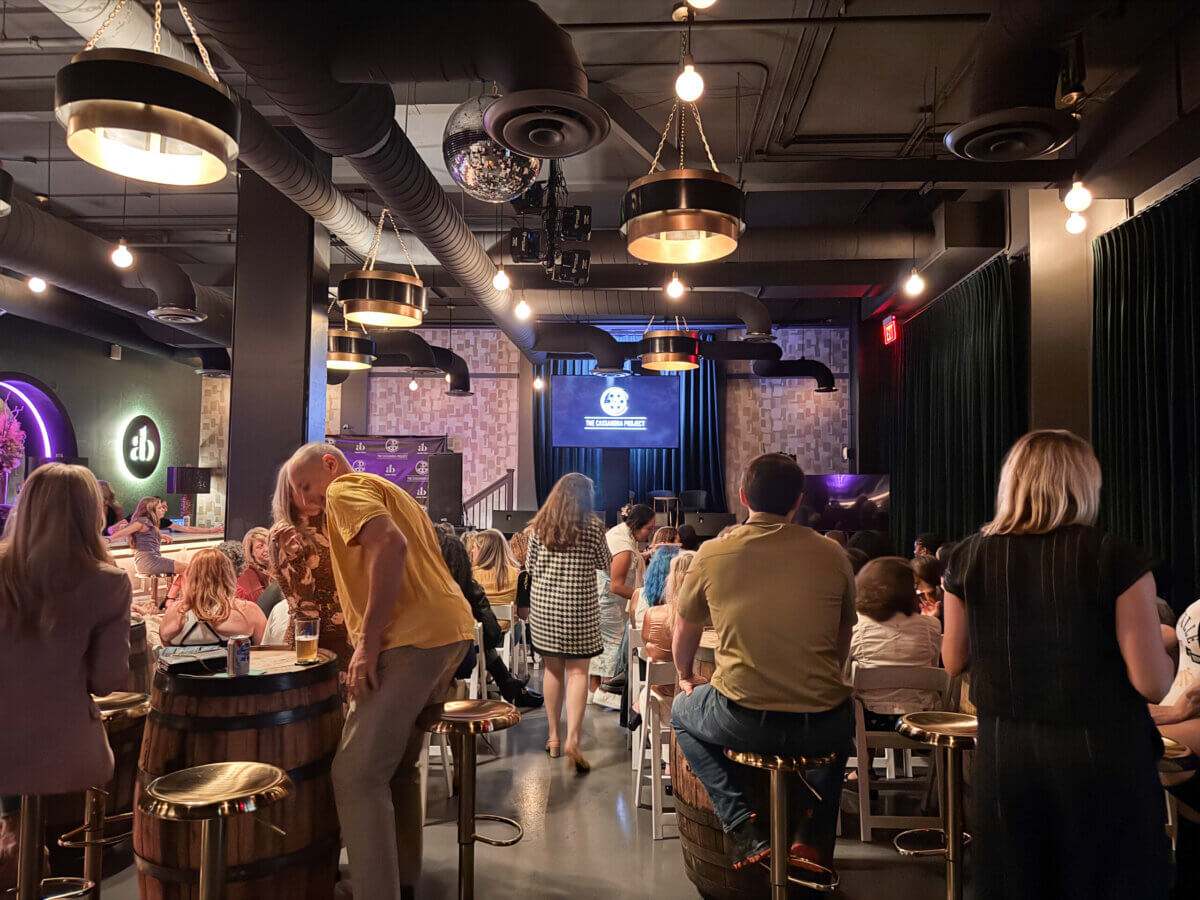
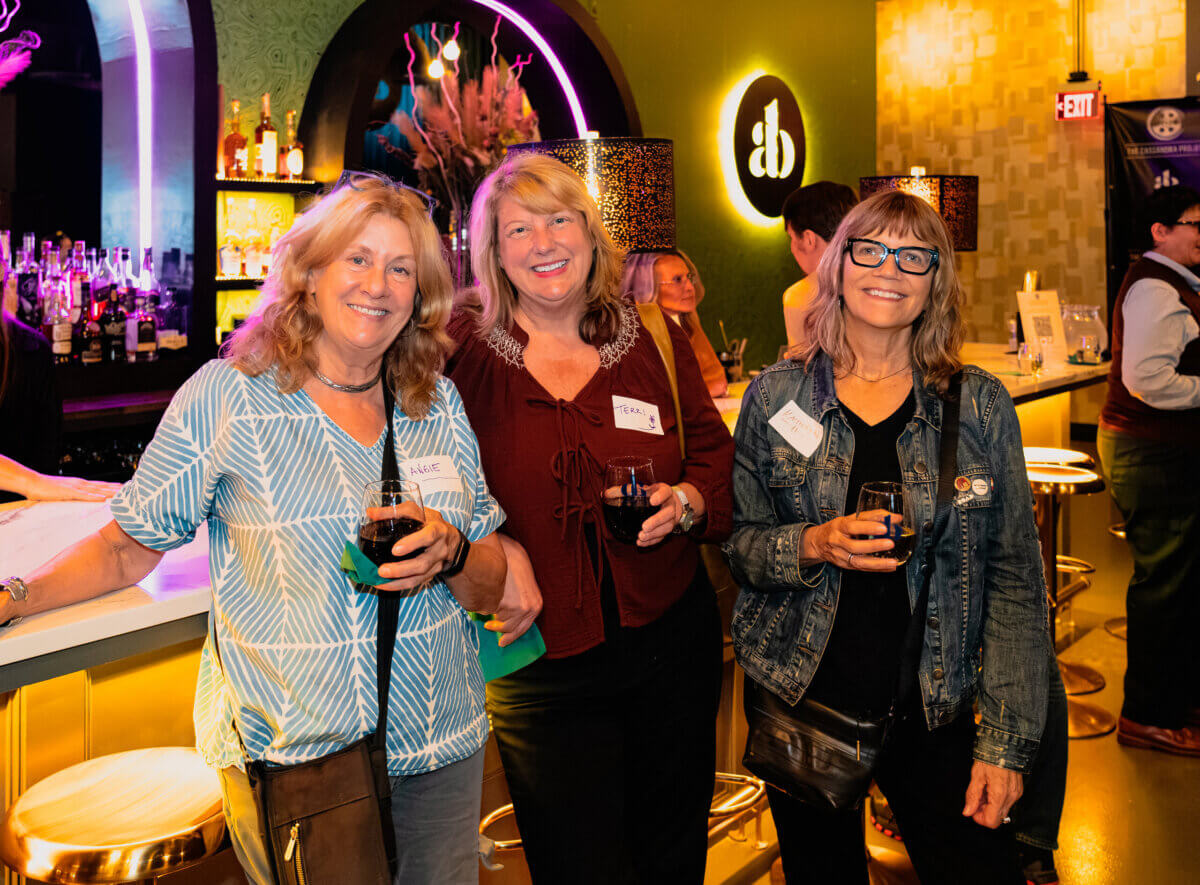
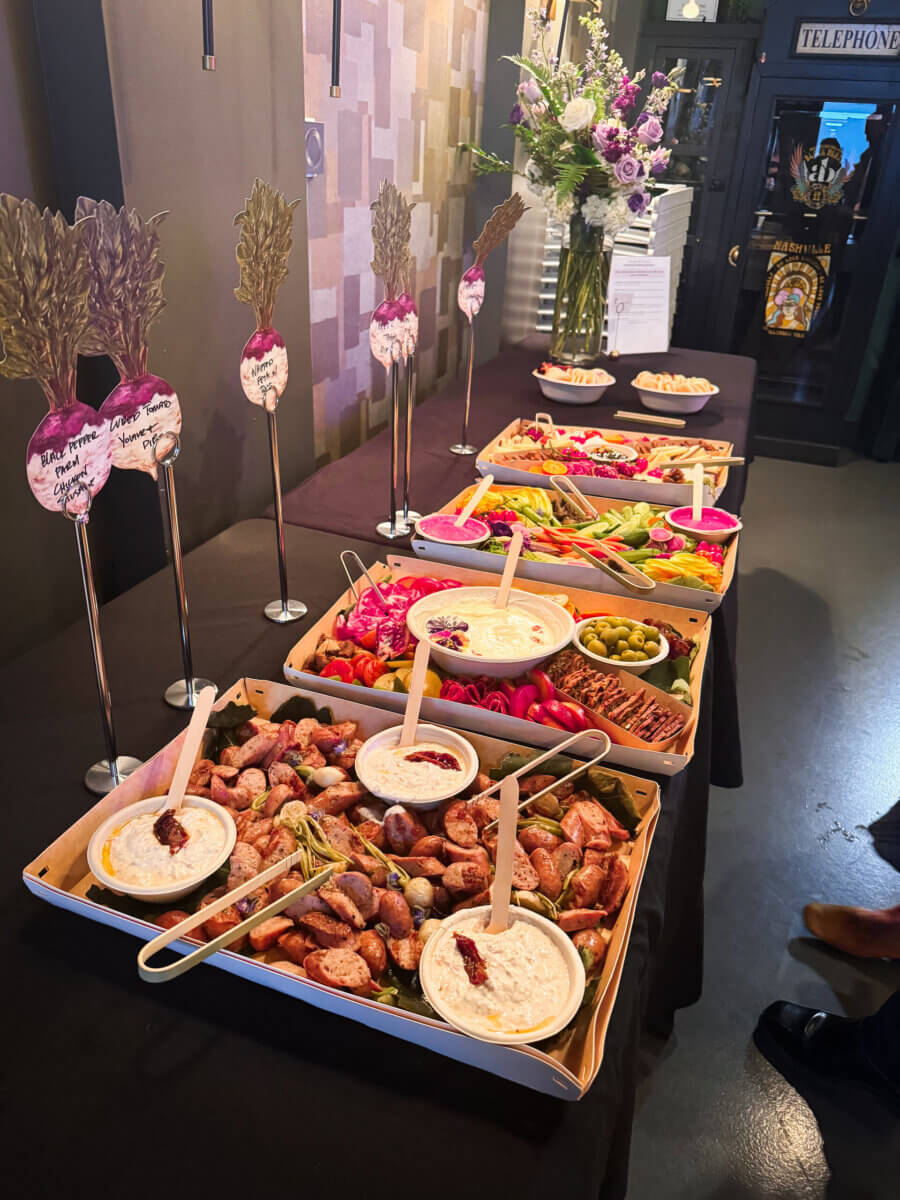
Recently, we gathered at Nashville’s Anzie Blue for a screening and fundraiser to help bring the next chapters of The Cassandra Project to life. Anzie Blue generously donated its space, Chef Keisha Hay of BōTANIQUE provided beautiful Greek mezze platters, and Lokelani Alabanza, author of Ice Cream Queen, treated guests to her insanely delicious ice cream. It was a lovely evening, made even more meaningful by the people who showed up to support what we’re creating.
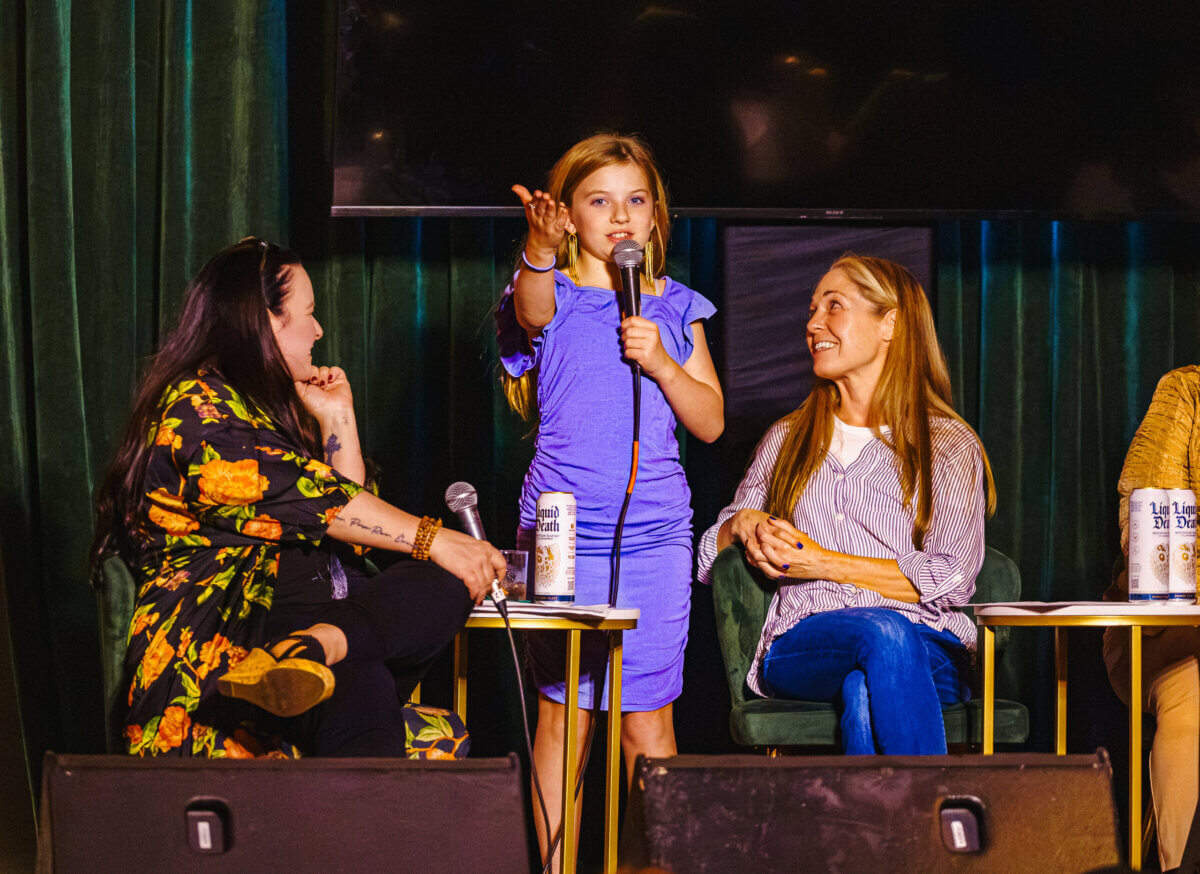
Following the screening, I had the privilege of moderating a panel with three women who bring very different perspectives to the subject: Barclay DeVeau, our director and producer; Terry O’Neill, former two-term president of the National Organization for Women; and Dr. Sabha Ganai, a surgeon and medical ethicist.
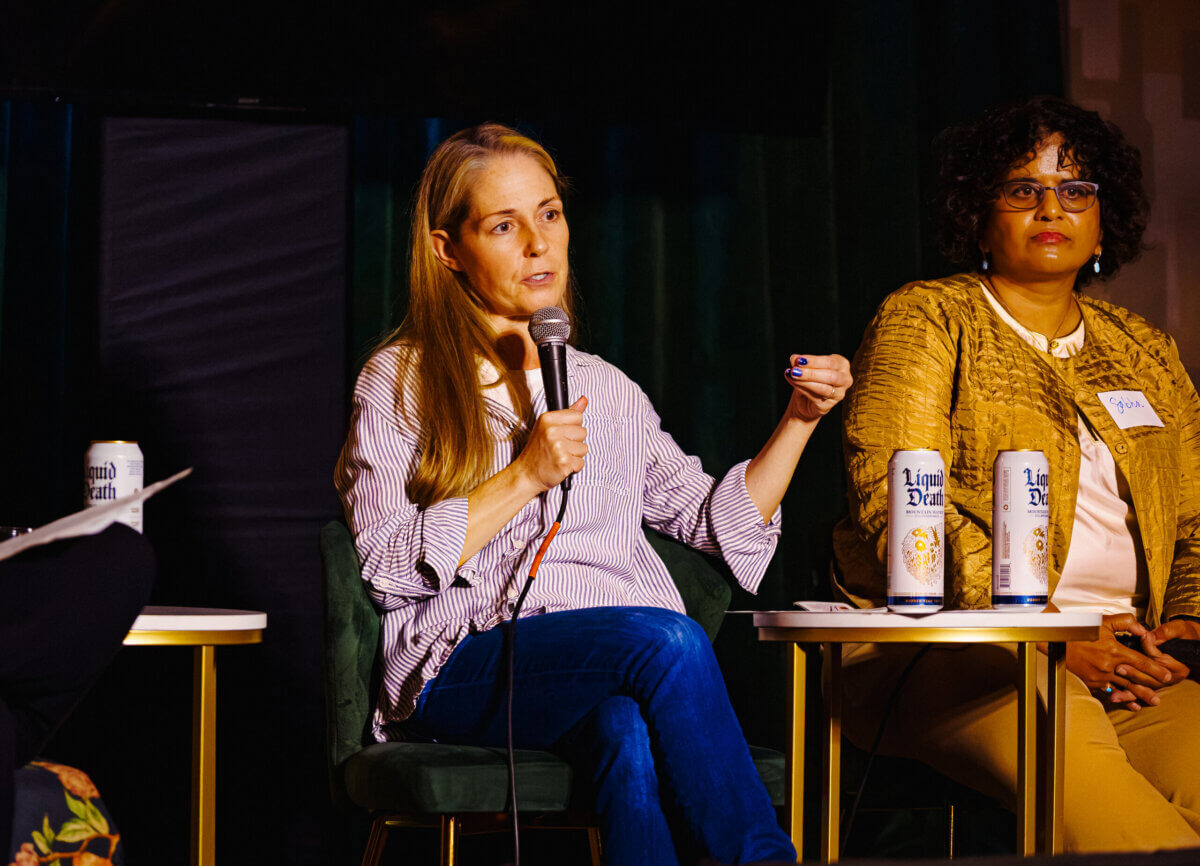
We talked about the ways women are dismissed, the assumptions that influence who gets believed, and the very real consequences of those decisions.
And here’s the thing: I don’t believe you have to agree with every perspective presented in our films to recognize that these conversations are worth having.
I also don’t think the answer is to believe every person without question. It’s to take people seriously enough to listen. To ask questions before making assumptions. To recognize that our own experiences and biases can influence the stories we find credible.
That shouldn’t be a controversial idea.
One of my proudest moments of the evening had nothing to do with the film or the panel discussion. It was watching my 12-year-old daughter, Marlowe, stand up in front of a room full of adults and confidently make announcements to the crowd. Because even at her age, she’s already learning how easily girls’ voices can be overlooked. And watching her use hers so confidently made me prouder than I can say.
She’s not the only one of my daughters who understands the importance of this work. My older daughter, Gray, is one of The Cassandra Project’s founding youth ambassadors, helping bring the conversation to a younger generation. Because changing the way women are heard and treated isn’t just a conversation for adults. It’s one that young people need to be part of, too. I couldn’t be prouder that both of my girls are finding ways to contribute.
One of the things I appreciate most about filmmaking is its ability to introduce us to people whose experiences are different from our own. For a few minutes, we’re invited into someone else’s world. We see what they see. We know what they know. And sometimes, we find ourselves frustrated on their behalf.
That’s the power of a good story.
The Cassandra Project is still growing, and we have two more films to bring to life. We’re actively fundraising to cover the costs of producing the remaining films, and while we’re incredibly grateful to those who have already contributed their time, talents, and resources, we still have a long way to go. Every donation brings us one step closer to telling these stories and sharing them with audiences who need to hear them.
Ultimately, what I hope people take away from this project isn’t simply an appreciation for the films.
I hope the next time a woman speaks up, someone listens.
And I hope they remember that being heard and being believed aren’t always the same thing.
To learn more about The Cassandra Project, or become part of the movement, visit thecassandraproject.net.
This article contains product affiliate links. We may receive a commission if you make a purchase after clicking on one of these links.
**********
Discover even more Southern stories worth sharing. Follow us on Instagram!

Jenna von Oy Bratcher
Jenna von Oy Bratcher is StyleBlueprint's Editorial Operations Manager and Lead Content Editor. The East Coast native moved to Nashville almost two decades ago, by way of Los Angeles. She is a lover of dogs, strong coffee, traveling, and exploring the local restaurant scene bite by bite.