Meet Celebrated Southern Memoirist Judy Goldman
Judy Goldman’s new book — "The Rest of Our Lives" — invites readers to see aging as an exhilarating time for embracing a new kind of existence. Get to know this inspiring FACE of the South! Image: Mallory Cash
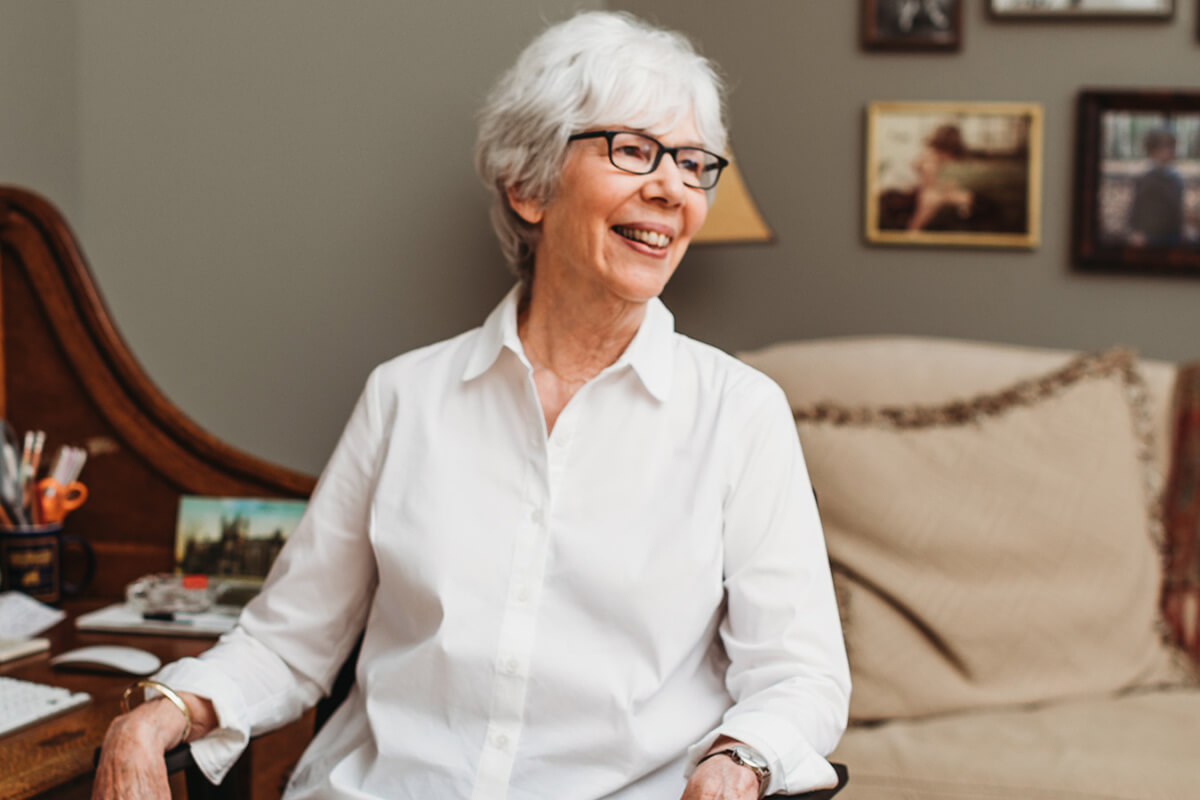
When Judy Goldman turned 80, she felt she’d run out of things to write about. The South Carolina native had already published seven books — three memoirs, two novels, and two poetry collections. Then Judy, now 83, remembered what she often told her memoir workshop students: Write about what keeps you up at night. So, she decided to do just that.
Judy’s newest book – a memoir titled The Rest of Our Lives – tackles the topic of aging, offering readers a new and refreshing way of viewing each stage of life they enter. We caught up with Judy to learn more!

How did you get into writing?
I started writing in the third grade. That’s the year I started keeping a diary. I wrote my first poem in the third grade, and I took it to my teacher, and the way she reacted to it, you would have thought I was headed for a Pulitzer. She went crazy over it. It was terrible. It showed no talent whatsoever. But that was the early encouragement that I had …
When I went to New York, I pursued a career in copywriting and advertising, and I did that for years. I was a copywriter for ad agencies and then freelanced, so I’ve always written. I was amazed that I could earn a living doing something I had always done and loved to do.
But when I was in my 30s, both of my parents were going through the process of dying at the same time. I was young to lose both parents. I took to my typewriter instead of taking to my bed, and I just wrote one poem after another. All I wrote about was loss. A friend who was in a poetry group with me said, “Judy, you are the high priestess of loss.”
But it got me through that period and started me on my path to being a writer. I stopped writing advertising copy and just devoted everything to writing poetry, then novels, then memoirs.

Your newest memoir is about aging. How did that come about?
Usually, after I publish a book, I have an idea for a new book, and I’m ready to move on. But after my last book was published, I had no idea what to write about. I told my husband, “That’s my last book. I’m not going to ever write another book.” And he said, “You always say that.” I find that very annoying, because it’s so true. But part of thinking that was my last book was thinking, I’m too old to write. That’s what was happening to me.
We’re never too old to write. If we’re worrying about something, if we’re trying to figure out, “how am I going to get along or conquer the challenges of this stage — and there are challenges at every stage, not just old age; there are challenge at 15, 21, 35, 83 — we just have to decide it’s a place full of possibilities.
What encouragement would you give to a woman who wants to start writing or doing something new, but feels too old?
We have to understand that the details of our lives matter. Write about the details of your life—whether in poetry, memoir (both of those are very personal), or fiction—and use the details of your life when you’re creating your characters. Really understanding that the details of our lives matter is important, no matter what we’re trying to tackle next.
What impact does memoir writing have on your everyday life?
In general, I think the biggest effect writing has on my life, particularly writing memoirs, is that it makes me notice things more. I take in more, and I think it’s really good for us to be aware of what is around us. Many times, people ask me if writing a memoir is cathartic. I’m not sure it is, because it’s not writing in a diary — although maybe the initial impulse is the same.
What happens in a memoir is you’re trying to turn your own experiences or memories into art, into something that might matter to somebody else. And that’s very different from writing in a journal.

Does writing a memoir feel different from writing poetry or fiction?
Writing poetry and writing a memoir feel very similar to me because they both use the language of feeling. They’re both intimate. They’re both like a fireside chat with the reader. As for writing fiction, I published two novels that should never have been published. I know that’s a terrible thing to say in an interview, but I was not very good at making things up. I would rather write out of the experiences of my life.
What do you wish more people understood about aging?
If we bother to imagine what old age is like when we’re young, we tend to think it’s something foreign or alien. Really, old age just echoes all the other stages we’ve passed through on our way from then to now. And each stage brings with it the fear of the unfamiliar, along with the exhilaration of trying out a new kind of existence.

What writers inspire you?
Usually, it’s just whoever I’m reading. I don’t read books for pleasure anymore. I read books to learn. I started writing fiction and memoirs so late. My first novel was published when I was 58, so I feel like I have so much to learn. If a book doesn’t have something to teach me about writing, I close the book. My current favorite is Claire Keegan. Her books are jewels. My favorite of hers is Small Things Like These.
What do you like to do when you’re not working?
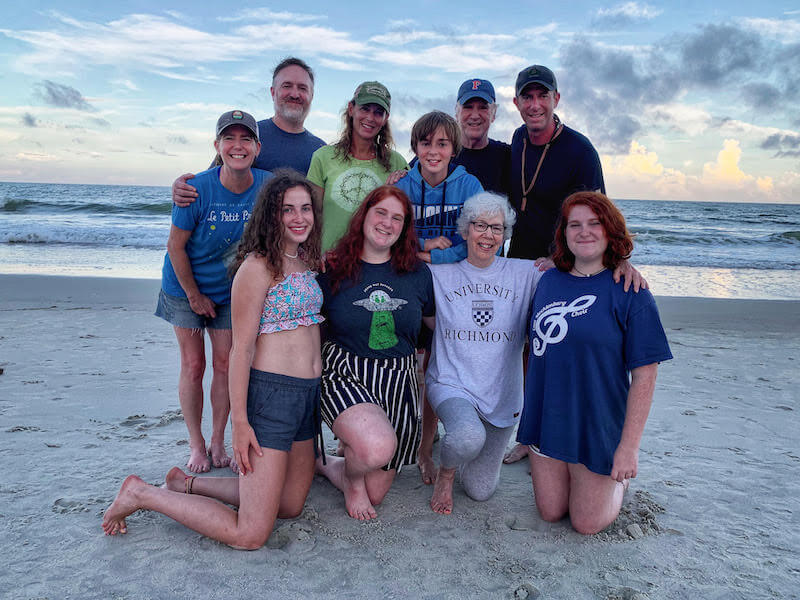
I like to walk. I like to be with my family. My daughter lives 10 minutes away, and my son lives eight minutes away.
What’s the best advice you have to offer?
It’s a quote from the poet Nikki Giovanni: “I recommend old age,” she said. “There’s just nothing as wonderful as knowing you have done your job.”
Aside from faith, family, and friends, name three things can’t you live without.
My new vegetable peeler, the photographs of family and friends I have all around my house, and cutting azalea blooms from other people’s yards, and putting them in my condo.
This article contains product affiliate links. We may receive a commission if you make a purchase after clicking on one of these links.
**********
Southern women are doing inspiring work. Meet more of them over at our FACES archives!
Javacia Harris Bowser
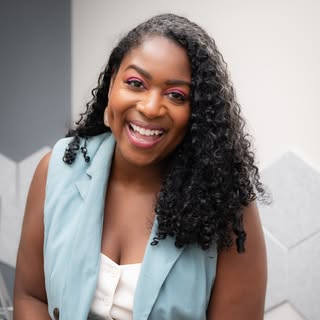
Javacia Harris Bowser is a Birmingham-based freelance writer and the founder of See Jane Write, an online community and coaching service for women who write. With over 20 years of journalism experience, Javacia has received awards from the National Federation of Press Women, Alabama Media Professionals, Alabama Press Association, and the Alabama State Council on the Arts. When she’s not writing, she’s usually practicing Pilates, getting her 10K steps a day, or watching crime shows. Follow Javacia on Instagram @seejavaciawrite.