
Meet Florida Gators Women’s Soccer Coach, Samantha Bohon
Head coach. Mom. No-doors Jeep driver. Former U.S. National Teamer and Southern soccer star. Samantha Bohon’s path to University of Florida soccer is anything but one-dimensional. Get to know this inspiring FACE of the South! Image: Samantha Bohon
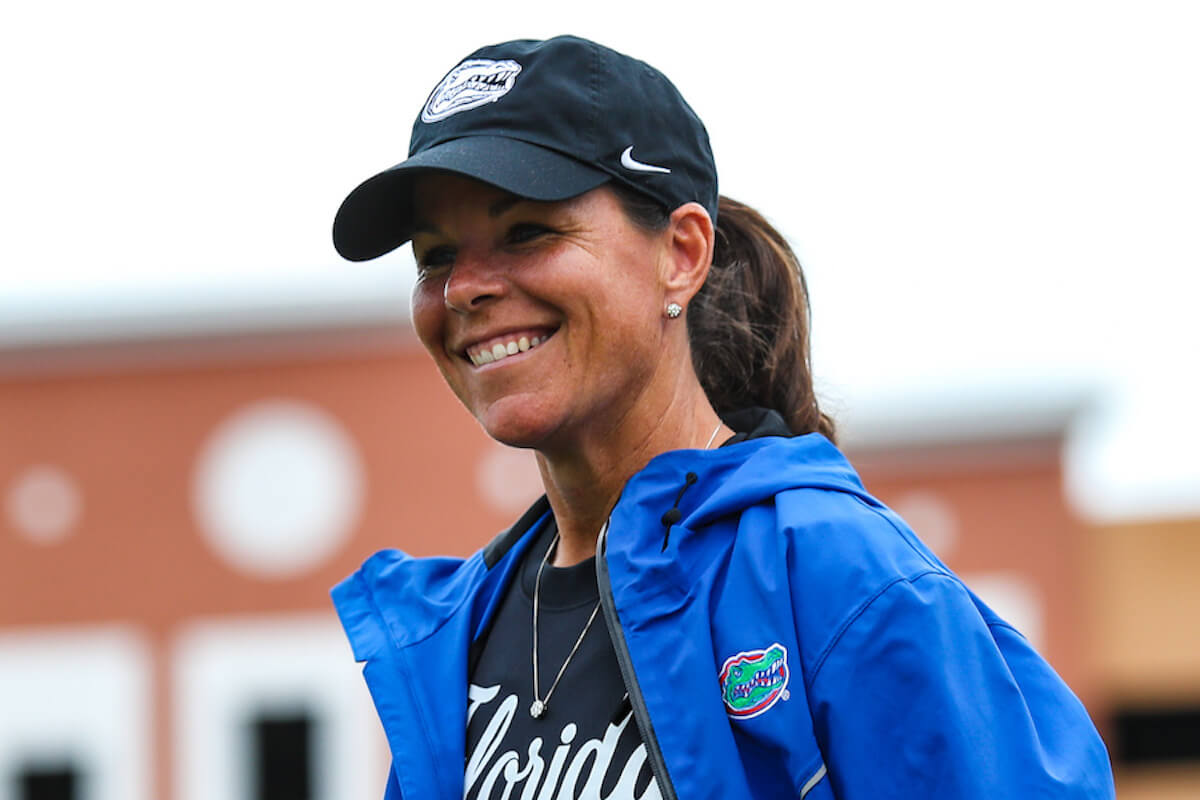
Before coaching the Florida Gators women’s soccer team, Samantha Bohon was the kind of kid who dominated archery at camp, made varsity sports teams as a seventh grader, and ranked top 20 in Florida tennis before she hit middle school. She trained at Bollettieri and almost went the homeschool route for tennis, but chose the community of soccer over a solo sports track.
A former U.S. National Team defender and four-year Duke starter, Samantha now leads Florida with a clear mission: to develop students, people, and players. That order matters — and Samantha lives it.

What were you like as a kid, and when did you start realizing your athletic talent?
I was born in Fort Lauderdale, but we moved to Daytona Beach when I was six. I started playing soccer because my dad coached my older brother’s team, and I wanted in. But tennis was my main sport. My mom was a four-time state champion and nearly walked on at Florida.
I trained in Orlando and even at Bollettieri — they talked about homeschooling me to train full-time. But I’m too social. One of my training partners, Jennifer Capriati, actually went on to win Wimbledon.

Eventually, I chose soccer. I played on a boys’ team for a while because there wasn’t a girls’ competitive option yet. By middle school, we formed a girls’ team and had a tight-knit group of players and families that stuck together through high school. That sense of community really shaped me. I also loved practice and training, sometimes even more than games.

Let’s fast forward to when your involvement in sports got more serious.
I’d always been part of the Olympic Development Program (ODP), but the summer before senior year of high school was when things clicked. I made the U20 national team, which gave me a taste of the college level because most players were already in college. I was focused but still did other things — I was even on the high school golf team.
My exposure to high-level teams helped, but starting college at Duke was still a learning curve. By my sophomore year, I had mono, and I wasn’t performing at my best. That summer, my coach sat me down and said, “If you want the national team, you have to make different choices.” So I locked in.
After my senior season, I kept training with the team even though I was out of eligibility. When someone got injured, I got a call-up and eventually joined the full national team and became captain of the U21s.

You went to Duke and UNC. What was that like?
I jokingly say Carolina was my community service project. I was coaching at Duke while getting my Master’s at UNC, and it was a really fun, unique year. There were only eight of us in the program. At orientation, the professor called me out — “We have a Dukie in the midst!” Luckily, Duke was having a great year. They beat Carolina in football and basketball, so I had some bragging rights despite the soccer loss.
You’ve played and coached across the Southeast. How has this unique pocket of the country affected your life on and off the field?
Every place has offered something different. Daytona has that laid-back, outdoor lifestyle. Chapel Hill and Durham are very intellectually driven; even my church pastors had a noticeably bigger vocabulary. Knoxville has this warmth I loved; it was my first true college-town experience. Gainesville feels similar to Knoxville in some ways, but with more diversity. The sunshine makes people feel good, even when it’s hot. There’s a warmth and openness to Florida that I really appreciate.

What’s something people are surprised to learn about you?
I was in a sorority! And until recently, I had a motorcycle. I just sold it and replaced it with an old CJ7 Jeep with no doors. So I’m still getting my wind therapy.
What’s a common misconception about being a head coach at the highest college level?
It’s just coaching soccer. The job has evolved, especially at a Power Four program. We often operate more like general managers. I spend time fundraising, doing media, and strategizing big-picture decisions for college athletics. I did a training session this morning with six of our players, and it was fabulous to get back to just being a soccer coach.
In the off-season, we train in the mornings to beat the heat. Then, we have staff meetings with over a dozen people, from assistants and analysts to trainers and nutritionists. Collaboration is a huge part of our culture. I try to be intentional about connecting with the players one-on-one. I eat with them at the Heavener Center a couple of times a week to hang with them as people, not just their coach.
Do you have a favorite part of game day or a ritual?
I had blinds installed in my office to shut the world out for a bit. I’m actually introverted, and after hosting recruits and preparing all day, I need to recharge. I nap or listen to gospel music. As a player, and now as a coach, my issue is never about getting pumped — it’s calming down!
What are you most looking forward to this season with the Gators?
Every year, we get around 28 new personalities and stories. It’s a gift to figure out how to align them toward common goals. The story’s always different, and that keeps it fresh.
Coaching is unique; it’s so public. People judge the outcome, but most coaches will tell you, we aren’t in control of a lot of it. So my faith is central to how I stay grounded. It reminds me there’s a bigger picture, even when things don’t go as planned.

Where can we find you on your days off?
Watching our kids play sports is my favorite thing. People always ask if I’m a loud coach-parent. I’m not. I’m either quiet or a total cheerleader. I’m also playing tennis again, but not competitively. I compete for a living; I don’t want to compete with my hobby.
What’s the best advice you’ve ever received?
There’s a Bible verse I lean on: “Do not be anxious about anything… the peace of God will guard your heart and mind.” I try to fix things too much. That verse reminds me to be still, be patient, and trust the process.
Finally, we always ask: What are three things you can’t live without?
My health (being active and some physical activity), decompressing with TV at the end of the day, and sushi.
**********
For more of the South’s inspiring women and exciting businesses, subscribe to StyleBlueprint!

Zoe Yarborough
Zoe is a StyleBlueprint staff writer, Charlotte native, Washington & Lee graduate, and Nashville transplant of eleven years. She teaches Pilates, helps manage recording artists, and likes to "research" Germantown's food scene.