
Meet the Louisville Artist Behind Payne Street Pottery
Take a peek behind the potter’s wheel to meet artist Tonya Johnson, a woman who's shaping clay — and a community! Image: Tonya Johnson
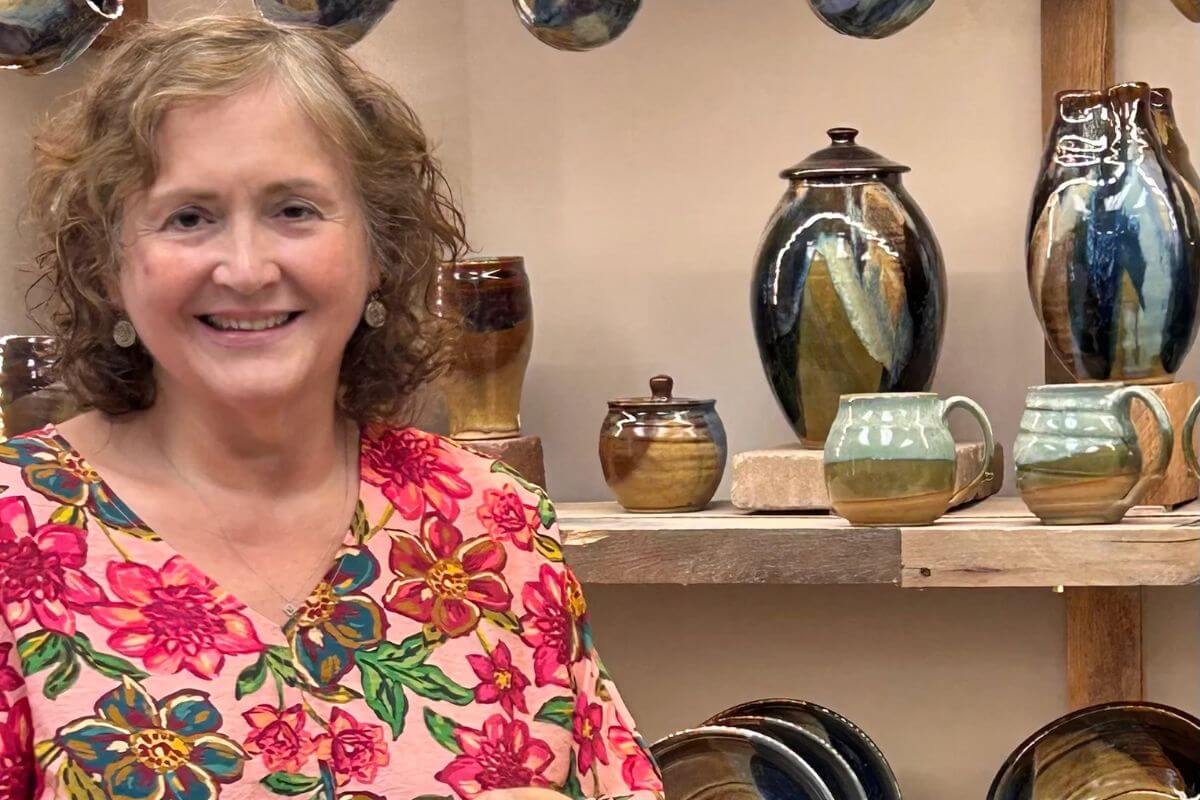
When Tonya Johnson took her first ceramics class at the University of Louisville in 1992, it sparked a lifelong passion. Today, she’s the inspiring force behind Payne Street Pottery. What began as a humble teaching space has grown into a vibrant, multi-faceted studio and gallery on Hite Avenue, and far more than just a place to throw clay, Tonya has cultivated a tightly knit Louisville community where locals gather to create, learn, and connect. Meet the talented artist, teacher, and determined entrepreneur who’s shaping both beautiful functional pieces and lasting friendships!
What first drew you to pottery?
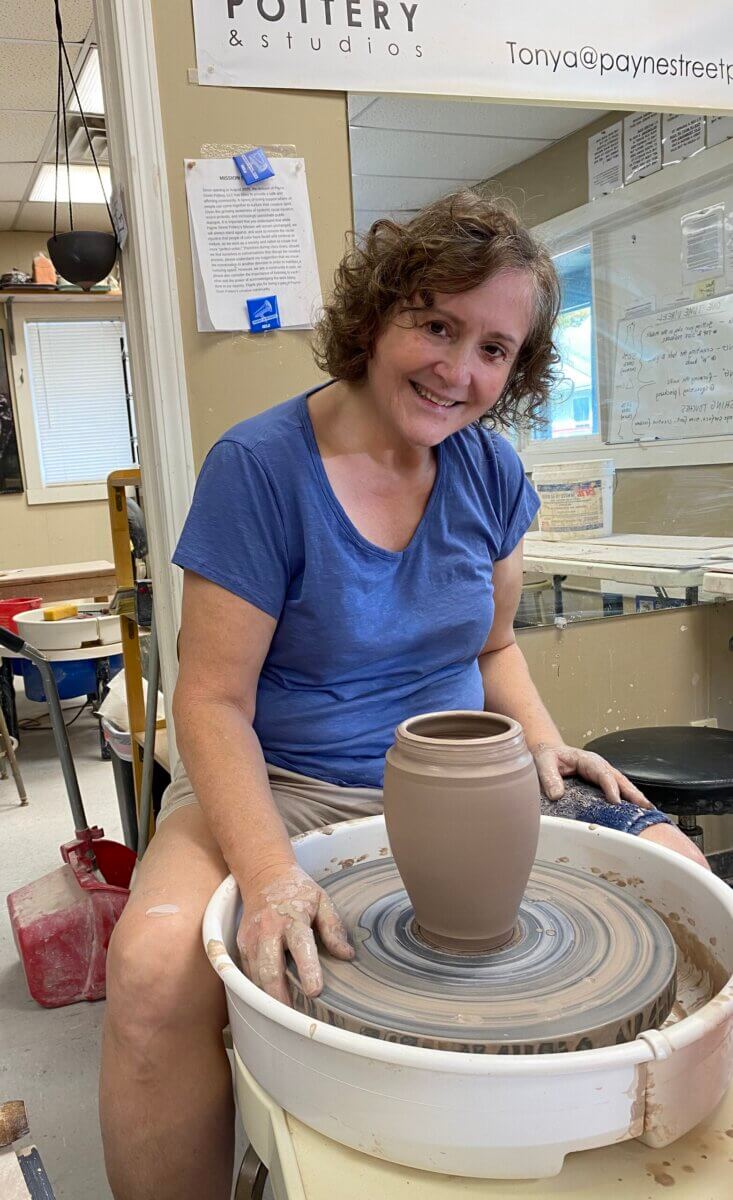
I was in college completing a biology degree because I felt like I had to support my three children. For some reason, I had always been fascinated by pottery. When I moved to Louisville in 1991, I wondered whether the University of Louisville offered pottery classes. I saw “ceramics” and assumed that meant molded, slip-cast pieces, which wasn’t what I wanted. Then someone told me ceramics was pottery.
I took my first class in January 1992, and that was it. I knew that was what I was going to do. I completed my degree — ultimately earning a bachelor’s in biology, art, and psychology and later a master’s in ceramics — but that class changed the course of my life.
How did Payne Street Pottery come to be?
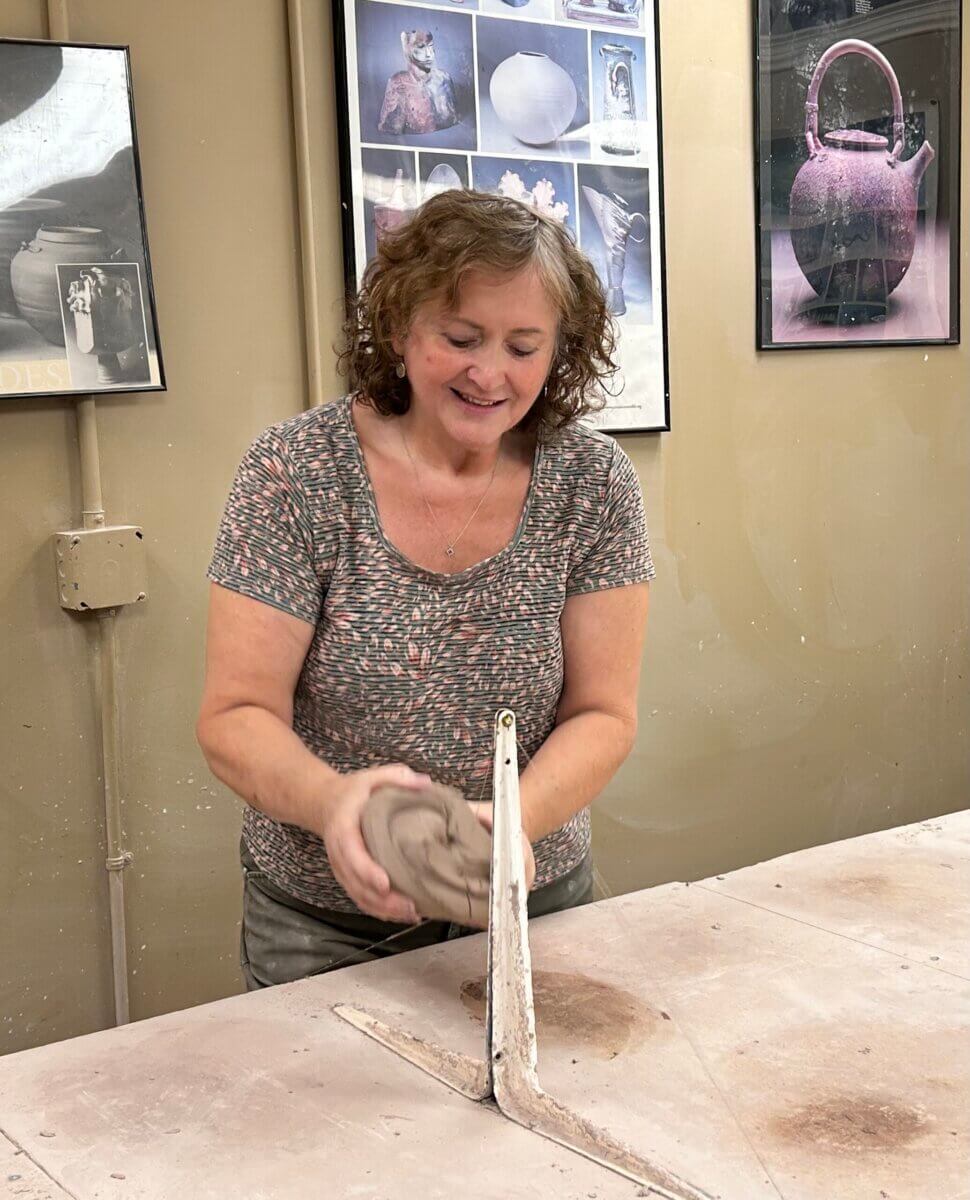
In August 2000, I got a call from someone at Jefferson Community College. He said, “If you have a public studio, we’ll hire you to teach ceramics.” I thought, “I will have one next week.” I practically hung up the phone and started driving around.
Within a few weeks, I rented a little building on Payne Street. It was chopped up into small rooms, so coordinating classes was difficult, but I stayed there for six years. During that time, I also taught through Jefferson Community College, Jefferson County Adult Continuing Education, and the Kentucky Museum of Art & Craft. By 2006, I was busting at the seams, so I bought the building on Hite Avenue.
Buying it was horrifying. I couldn’t sleep. I was an artist going into debt for a building I wasn’t even going to live in! But my motto has always been: Stay out of debt, work hard, and do a really good job. I just hit it like I was fighting a fire.
What can people expect to find at the studio today?
We have seven groups that meet weekly. Those session classes allow students to learn the entire process, from creating and decorating to glazing and finishing their work.
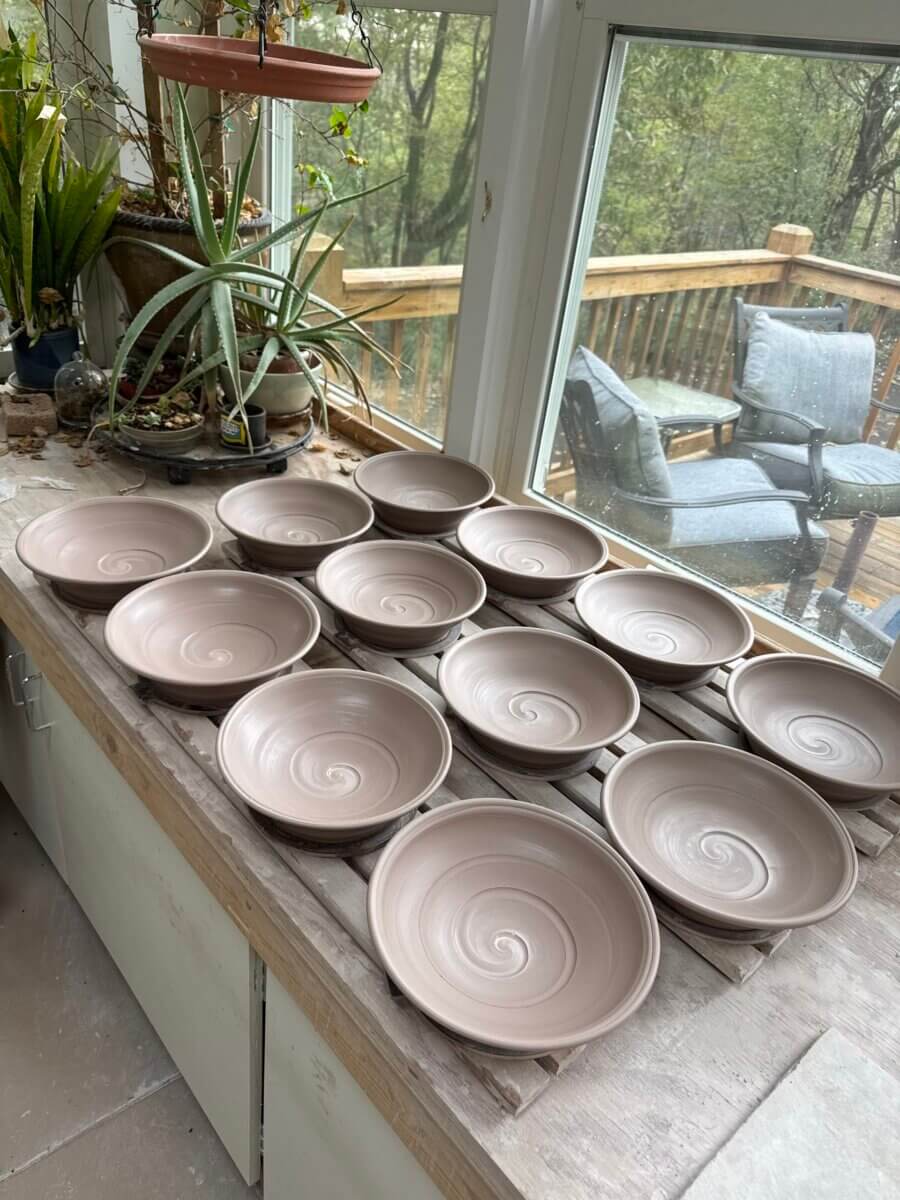
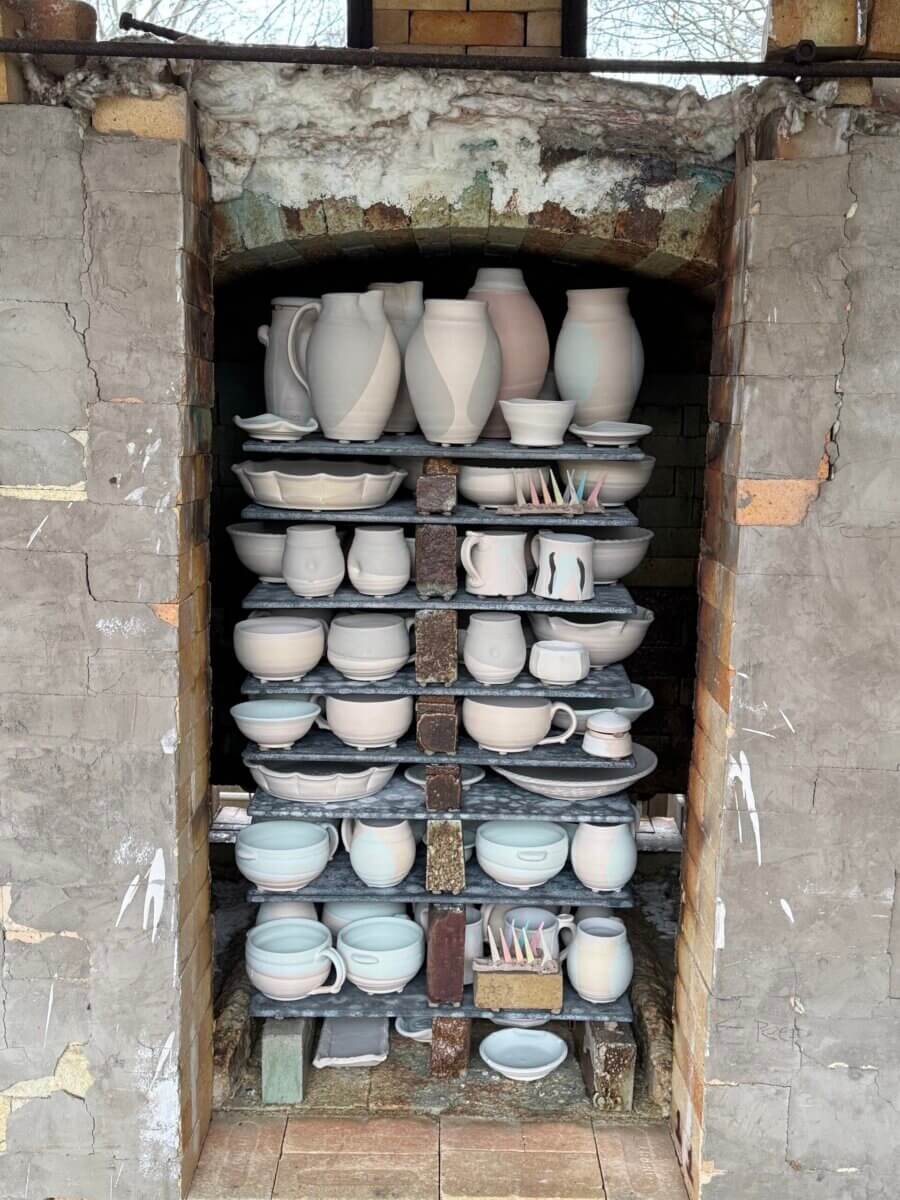
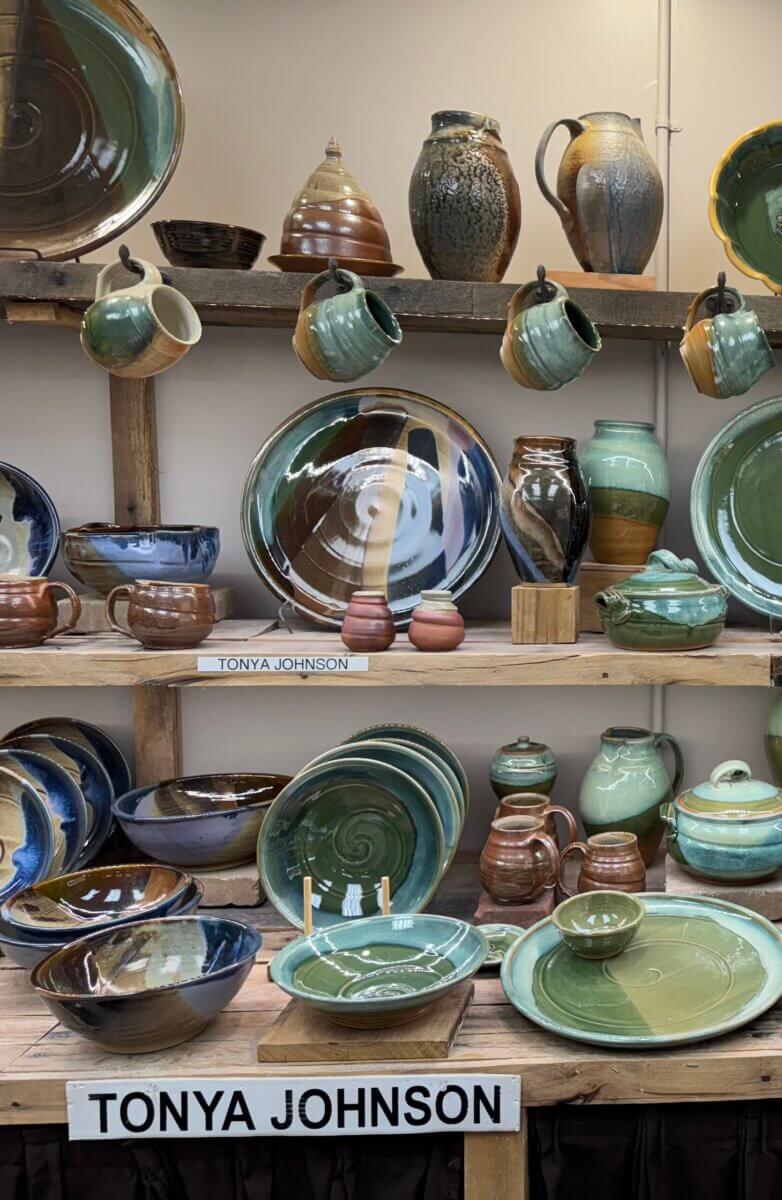
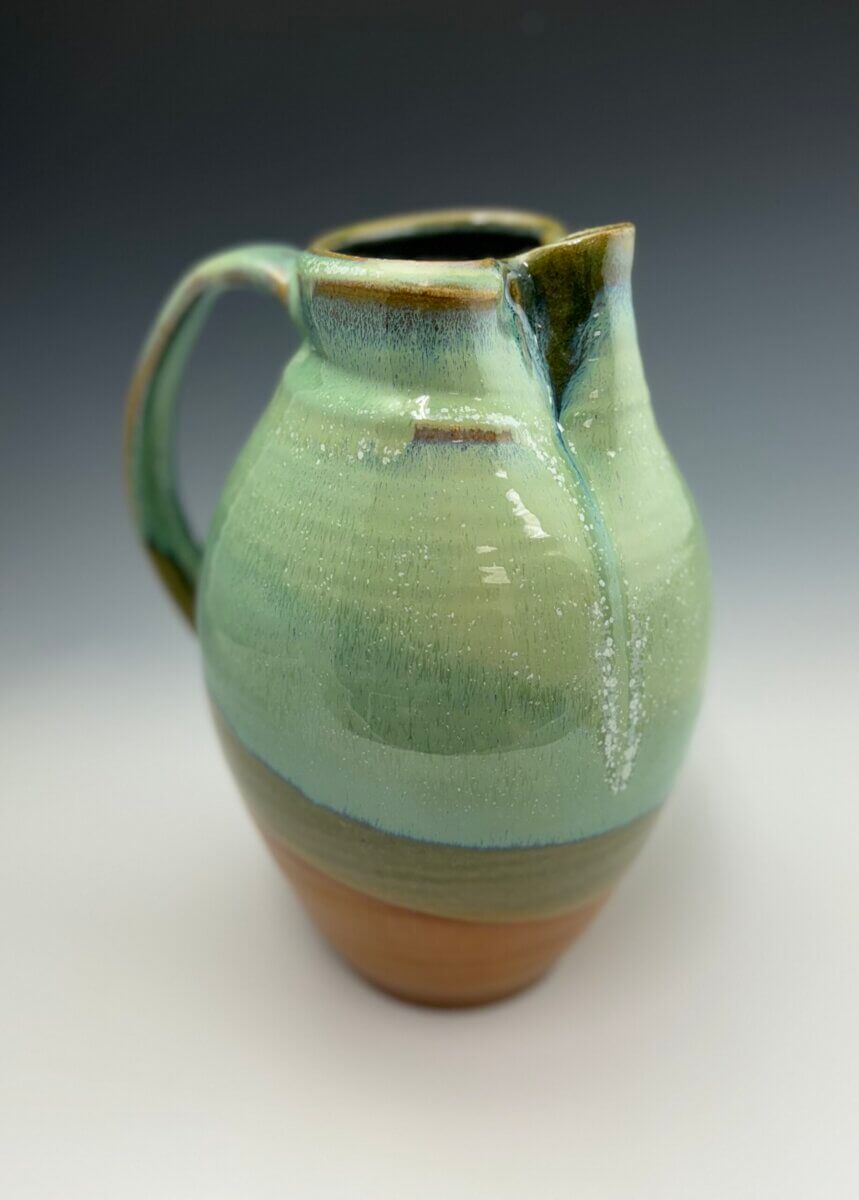
We also offer one-time “Try-It” classes on the pottery wheel, hand-building classes, private parties, family groups, and team-building events. Experienced potters can rent studio space, and I sell my own functional pottery in the gallery. I make pieces that are meant to be used — the mug you always reach for or the bowl that feels just right in your hands.
How did you adapt ceramics instruction for a community studio?
When I opened, nobody around me was doing this. I had to take what worked at a university and figure out how to make it work for the public. Even creating a one-time class required me to ask: What can someone accomplish if they can’t come back to trim a pot? How do we let them choose a glaze? How do we make the experience successful?
I pulled the answers out of myself, and I still evolve. You have to change as people’s needs change. Since COVID, people have become especially interested in experiences and play, so pottery studios are much more popular. The studio keeps responding to what people want and what we can realistically make happen.
What is the most important part of Payne Street Pottery?
Community — without question. I’ll turn down someone who wants to rent studio space if they aren’t right for the community. I’m grateful for what we have here. There is always a connection. The people drawn to the studio care about one another.
It’s important to me that this remains a place where people can create, laugh, learn, and feel comfortable. I sell pottery and teach classes, but that community is the most important thing I’ve built.
What kind of student do you most enjoy teaching?
I love teaching someone who truly wants to learn. Age doesn’t matter. It’s about finding someone for whom learning this craft is meaningful.
No matter how skilled someone is when they walk in, I want to give them something. I don’t take an experienced student as an easy student. I want everyone to leave having learned, improved, or succeeded in some way.
If you could teach a private pottery class to anyone, who would it be?
Barack and Michelle Obama. I want to give them a date-night class. Can you put that out there? Maybe it will happen!
If you weren’t a potter, what would you be doing?
I’d be an OB-GYN. I’ve always been deeply fascinated by anything involving babies. I considered medical school, but I had three children at the time. Between medical school and training, I couldn’t take eight years out of their lives, especially when they would be grown by the time I finished.
Had I gotten to college sooner, I think I would have become a doctor. This is pretty cool, though.
What’s one thing you’re never without?
Chapstick. It’s part of the job! You’re working in this drying environment all the time, so I use it on my lips, my thumb — wherever I need it. Give me my keys, phone, purse, sunglasses, and Chapstick, and I’m put together.
I also usually have what I call a “support beverage,” whether it’s coffee, water, or wine. I rarely actually drink it, but the bottle is there for support.
What would people be surprised to learn about you?
I’m shy and introverted. People never believe me, so I say I’m an introvert with social skills. The way I interact now is the result of more than 30 years of working with people and learning how.
I can lead a class and make it feel like a party. I pay attention to every student, read how they’re feeling, help them succeed, and know when to back off. Then I go home completely empty. Don’t call me; don’t invite me out. Give me a remote control and a dog, and let me recharge.
What are your favorite places to eat, shop, and play around Louisville?
I love small, hole-in-the-wall restaurants and street food, especially locally owned places serving food from different cultures. I’ll take a little Mexican spot most people might overlook, and I also love The Grape Leaf.
For shopping, I like little boutiques — the kind you discover while walking around on vacation — and Facebook Marketplace. Fun is harder to define because my work can also be fun. I like going to the movies, the beach, and taking a break, but pottery truly is a way of life for me.
What is the best advice you’ve ever given or received?
Do a good job, and don’t quit. In graduate school, a teacher asked me to write about why I would be among the small percentage of art graduates still making art five years later. My answer was simple: I’m not going to quit.
That doesn’t mean there is never a wise time to let something go. But when you are trying to make something happen, keep doing the work. As an artist, you can hire the business side, marry the business side, or knuckle down and figure it out. I chose the third option.
Doing a good job matters just as much as persistence. I never take either one for granted. It’s important to me to do good work, be a good human, stand up for what I believe in, and keep going.
**********
Discover more Louisville stories worth sharing. Follow us on Instagram!
Lennie Omalza
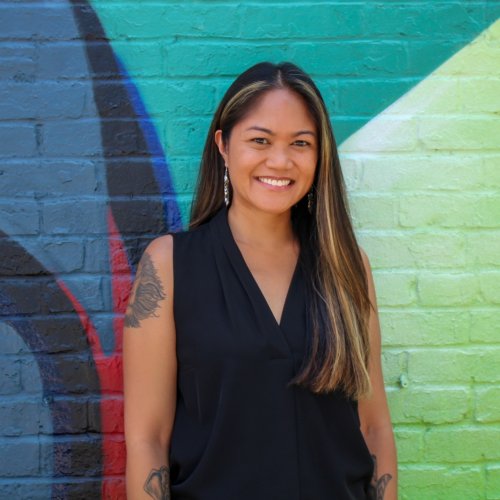
Originally from Hawaii, Lennie Omalza is a Louisville-based freelance writer of over 18 years. Lennie is a yoga-loving foodie who travels as often as she can and enjoys writing about food, homes, and weddings. You can find more of Lennie's work at Eater, Hawaii Home & Remodeling, and The Louisville Courier-Journal.