Why Memphis Had to Be the Setting for Patricia Gordon Stevens’s Debut Novel
In "Madness in Memphis," counselor and first-time novelist Patricia Gordon Stevens shines a light on the quiet, hidden nature of domestic abuse — and the strength it takes to escape it. Images: Amazon / Marcus C.G. Stevens
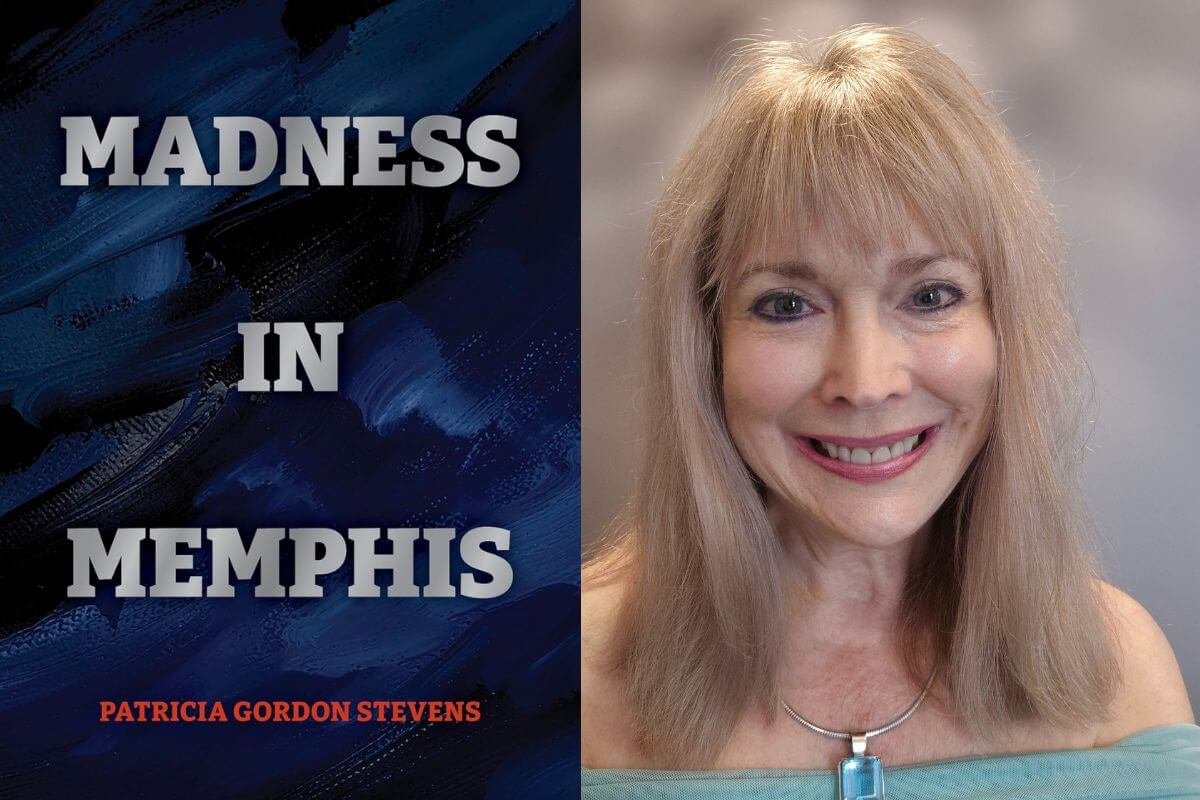
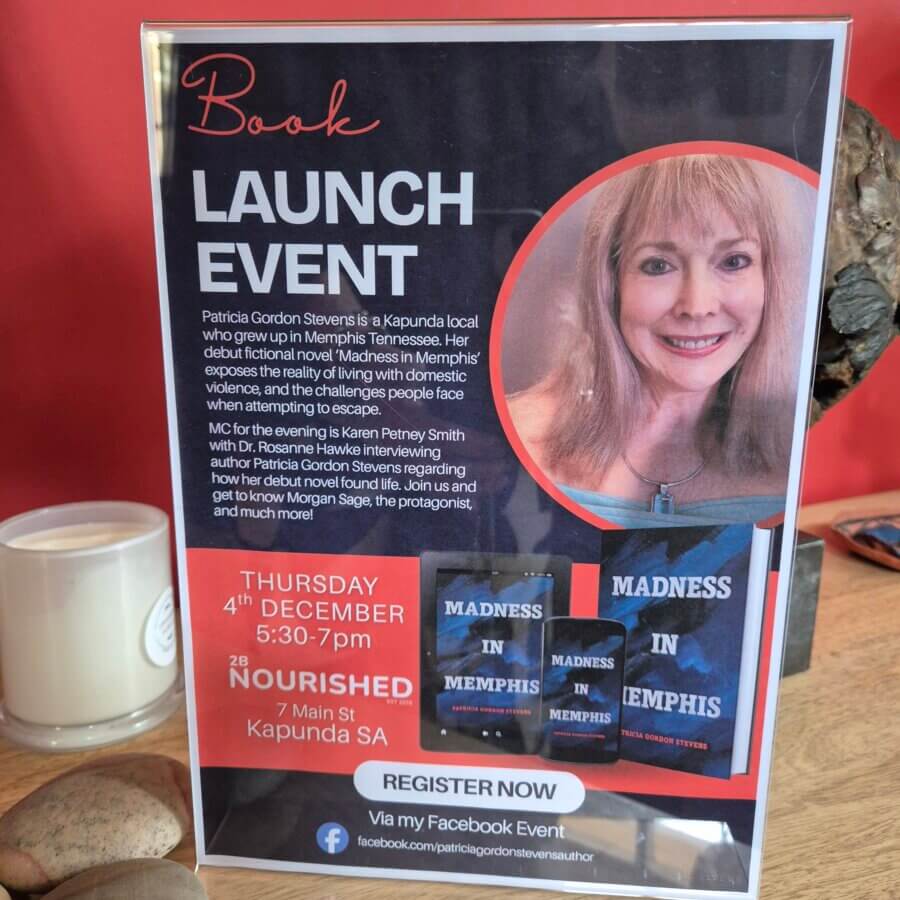
Licensed counselor Patricia Gordon Stevens has heard stories many women feel compelled to hide — stories shaped by fear, shame, and a loss of self. In her debut novel, Patricia transforms those stories and her own lived reality into fiction. Compelling and deeply compassionate, Madness in Memphis offers readers not just a portrait of domestic abuse but a testament to resilience, community, and the courage it takes to begin again. The native Memphian joins us from Australia, where she found new love and life, to share her story.
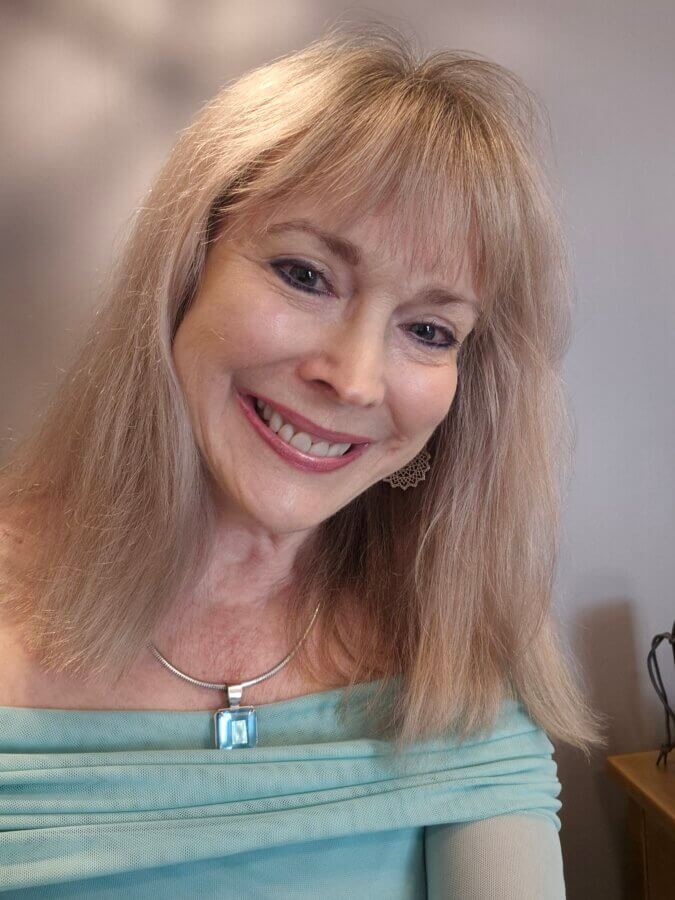
As a licensed counselor, what drew you to fiction as the vehicle for telling this story?
I am all too familiar with domestic violence statistics, and it appears (to me) the public has become numb to these statistics. I could have written a non-fiction book that reflected current statistics from Australia, the United States, and the United Kingdom … but would those stats have stayed with you? Would you have been motivated to make a difference in reducing those statistics?
I wanted the reader to come away from this book with the distinct feeling of what it is like for a woman to experience domestic violence — to feel as if she is being hunted — and the relentlessness of living with the unknown factor of what “the monster” will do next and when.
Your protagonist, Morgan Sage, challenges many stereotypes of what an abusive relationship can look like. What do you wish more people understood about domestic abuse?
The assumption that domestic violence occurs only in homes where people are undereducated is mind-boggling to me. The ubiquitous thinking is that alcohol or drugs must be involved, or the violence would not occur. Nothing could be further from the truth. If a man or a woman wants control, nothing will stop them. It does not matter how wealthy one is or how poor, what culture, color, religion, shape, or size, if a man is intent on controlling you — owning you — he is not going to allow any situation or person to stop him.
Society needs to comprehend that once a woman leaves, she is not necessarily safe. The escape from home is usually when the violence escalates.
Community plays a crucial role in Morgan’s survival. Why was it important to show that escape is often a collective effort, not a solitary act?
People must realize that it only takes one person — one kind deed — to help a woman get to a place of safety. If you know a female in need, if you have a spare room or know someone who has space to temporarily house a woman and her children, speak up!
Check with best mates, roommates, colleagues, classmates. A tiny conversation could lead to a monumentally positive outcome and save lives. It does not take as much effort as one might think; one small deed could become a lifeline.
As a native Memphian, why was it important for you to root this story here?
Memphis is in my DNA. My mother, Judy Cobb, worked in economic development for the Greater Memphis Chamber. Judy was “Everything Memphis,” no exaggeration! She used to say that once she retired, she wanted to wear a Memphis baseball cap and ride on the trolleys as a volunteer, sharing the virtues of Memphis to all who would listen.
Judy instilled her love of Memphis in me. The majority of my amazing memories were made in Memphis: my first love of horses, my first boyfriend, my first kiss, my first true love in high school.
I had a consultant in the publishing industry who suggested I might consider changing the title and setting to “Madness In Melbourne” — absolutely not! Memphis is where I married, gave birth to my two most precious babies decades ago, and made mistakes, too. The story could not have been written anywhere but Memphis, Tennessee.
What has surprised you most about the experience of putting this book into the world?
It is beautiful how many women (and men) have told me they felt as if they were in Morgan’s shoes — in the room with her. These words ignite my soul. I hear the sad stories, too, when women tell me that if I changed the location, it could have been their story, too.
I had no real clue my words could impact others the way they have. When I read some of the reviews on Amazon, it is clear to me that many understand why the story was written; that means a tremendous amount to me. I realise it is a dark and disturbing story; however, I hope readers find solace in the care, concern, and love that is the book’s undercurrent.
Though your novel is rooted in Memphis, you are currently living in Australia. How did you wind up “Down Under” and what do you enjoy most about living there?
It is such a sad, involved, and long story … and perhaps one of my next books. Out of great tragedy, I landed here. My only sibling, my super-savvy, intelligent, and talented older sister, Constance Gordon-Johnson, was living and thriving in Australia when she was killed in a horrific car accident in 2000, while my beautiful mother was visiting her.
When I went to Australia to help my mother through her grief and shock, I met Marcus, my husband, who, at the time of my arrival, was looking after my mother and making her copious amounts of tea. He is the most beautiful man who has ever graced my life. Out of a horrendous and harrowing ordeal, my life was changed forever by meeting the kindest man I have ever known.

What do you do for self-care, especially when writing?
There are times when I must force myself to stop. I write quickly, and I write for ages, sometimes writing 7,000 to 9,000 words a day. I do feel as if I am in a manic mode, and once I start writing, I see a movie unfolding in my mind. I have to get up. I have water close by, but I do my best to step outside and put my feet on the ground. When a scene is too intense, I wait until I think I have finished it to the best of my ability, and only then do I go for a long walk and notice every tiny thing surrounding me.
What is your best piece of advice?
Slow down and genuinely learn how to listen.
Aside from faith, family, and friends, what are three things you can’t live without?
Books, music, and my garden.
This article contains product affiliate links. We may receive a commission if you make a purchase after clicking on one of these links.
**********
For more inspiring FACES of Memphis, click HERE!
Gaye Swan
As a professional writer of over 20 years, Gaye is an avid traveler and enjoys highlighting food, culture, and attractions around the South. While Gaye is passionate about life in Memphis, she grew up in Meridian and is still a Mississippi girl at heart.