How Nashville Can Be Pro-People and Pro-Business: Meet Odessa Kelly
With a passion for the community, this Nashville native is making waves as the first director of Stand Up Nashville, an organization devoted to justice for the working class. Meet Odessa Kelly, our newest FACE of Nashville!
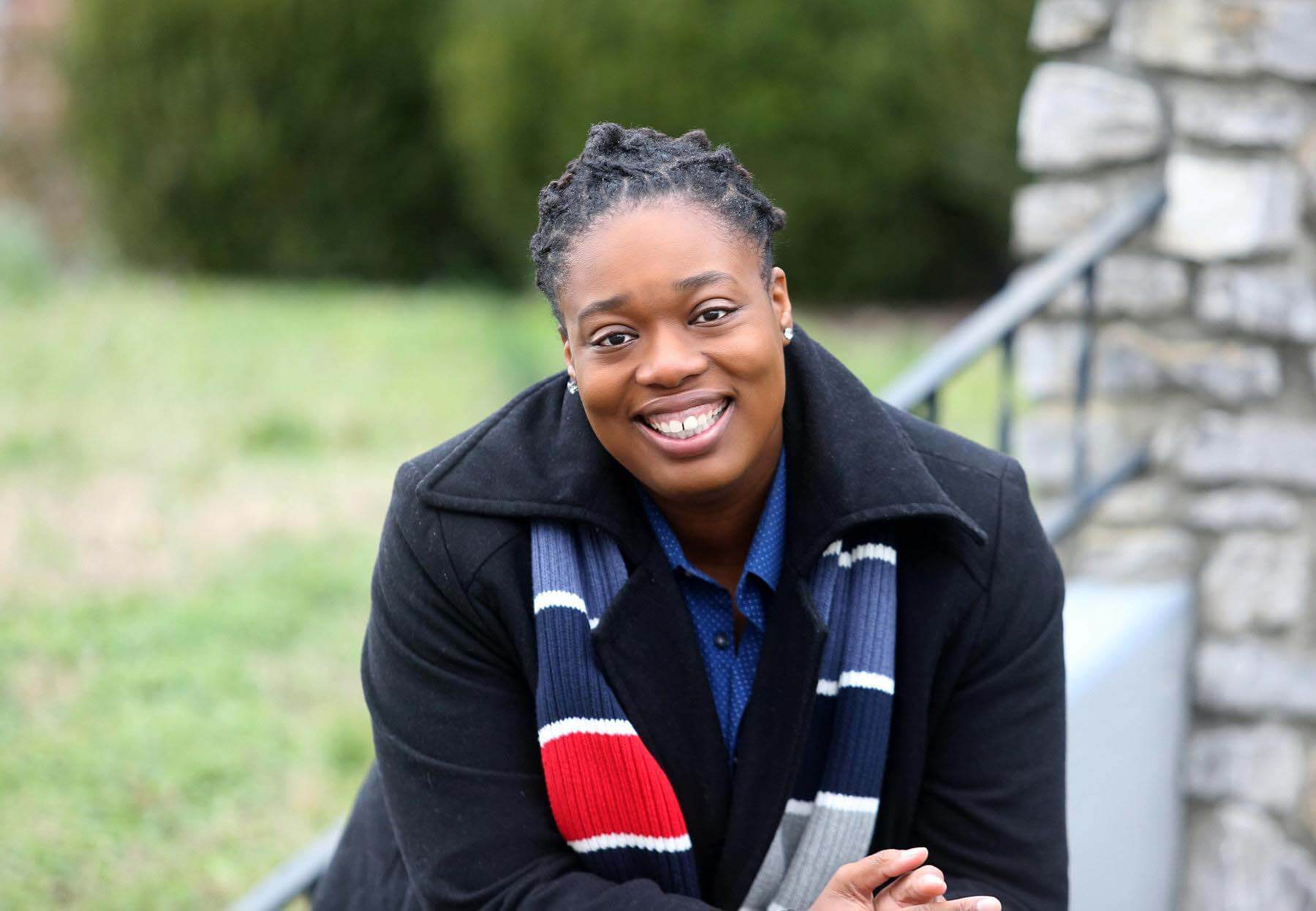
Nashville native Odessa Kelly grew up in a predominantly African American neighborhood in East Nashville that, according to her, “had its ills.” She credits her parents with keeping her grounded and setting her on the right path — and what a path it has been! With years of community activism under her belt, Odessa was recently named the first executive director of Stand Up Nashville, a coalition of community organizations devoted to furthering social and racial justice for the Nashville working class.We caught up with Odessa to learn more about her work with Stand Up Nashville, how economic development affects our city’s working class, and what we can do to be more engaged in decisions that impact our city’s development. Please welcome our newest FACE of Nashville, Odessa Kelly.PinMeet our latest FACE of Nashville, Stand Up Nashville‘s new Executive Director, Odessa Kelly.
We are grateful to all our sponsors:
Can you tell us what inspired your activism?
I grew up in a neighborhood that had its ills, but I was covered by the fact that I had good parents who grounded me. School was the priority — I went to Stratford High School and played basketball and ran track. I was a really good athlete in high school and got a scholarship to Tennessee State University. Then, I graduated college and lost my mind. I was out partying, trying to play pro ball … I remember on my 23rd birthday, for a gift, my dad gave me some scissors and cut up my credit cards and said, “Okay, you have to grow up.” He was like, “Why don’t you come work at the community center?” I grew up in community centers because my dad worked in them my whole life.
So, I went to work at the community center and thought I’d be there maybe a year or two until I figured out how to take over the world. I ended up falling in love with the kids and the community there.
When I turned 28, I’d been in parks for five or six years and got passed over for a promotion, knowing that I was doing a good job. So, I went back and got my Master’s degree. When I got my Master’s degree, I got promoted, and I got sent to Napier Community Center — Napier is in one of the most impoverished neighborhoods in Nashville. But it’s interesting; you never know what lessons God is going to bring you. When I got to Napier, it immediately reminded me of how I grew up — just being in that type of community center culture. I was like, “I can’t just sit here and roll out basketballs and run flag football leagues. There are a lot of deficits in this community that need to be met, and I think I have the ability to at least address some of those.” That’s what eventually started my activism.
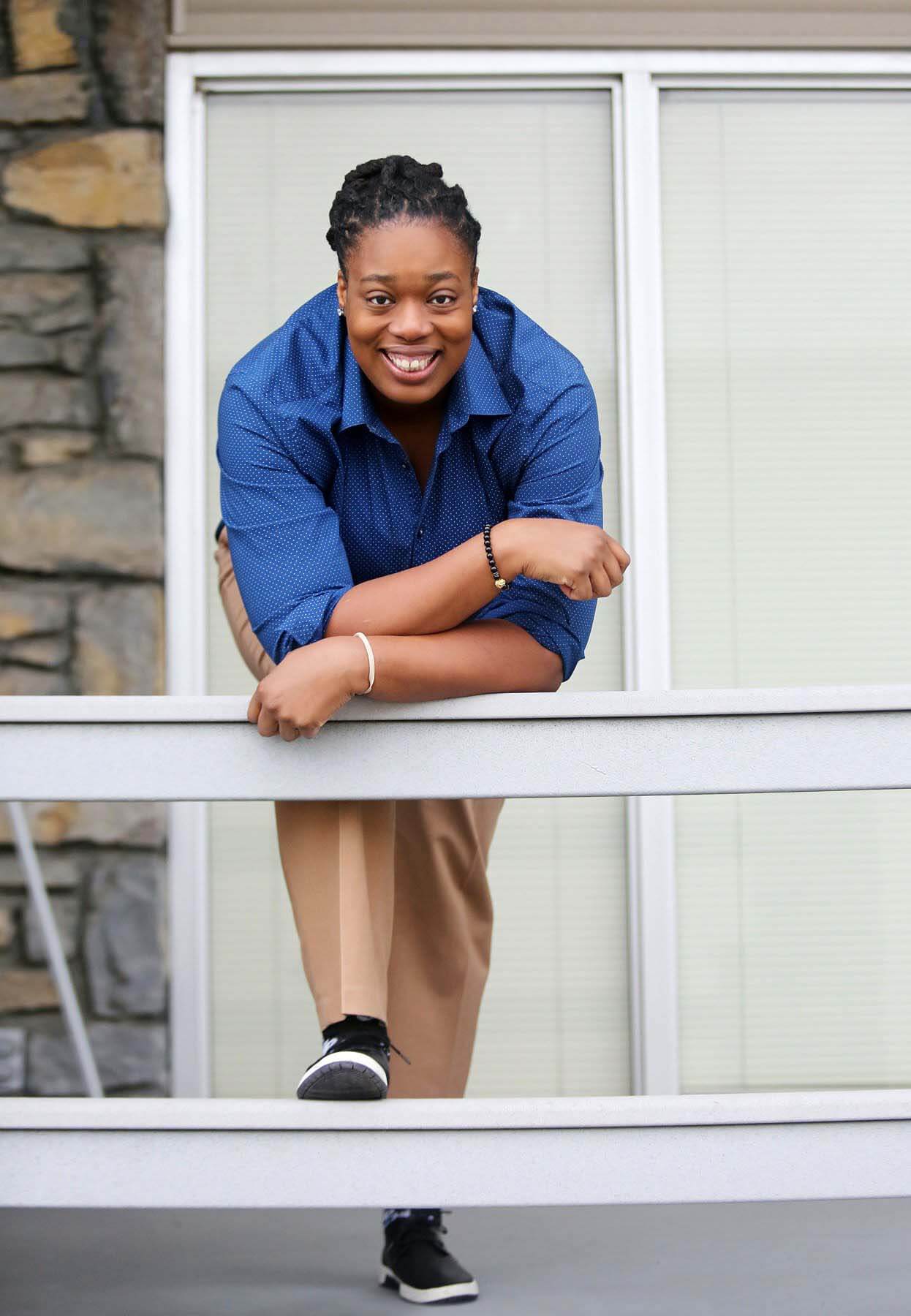
Pin“Having to take responsibility at a very young age was something I was resisting,” says Odessa, a mother of two. “But when you become responsible for someone else, I think you immediately start to have a different perspective on life and what you have to do.”
You were recently named Executive Director of Stand Up Nashville. What brought you to your new role?
A young lady named Sara Green came into Napier Community Center in 2015, and she was working to get community people aware of what was going on and knowing tenant rights and those kinds of things. I was just giving her space in the building, and we got to talking. She said, “Hey, you should come to this meeting!”
I stuck the flier on my nightstand. Two days later, we had the biggest snowstorm — for Nashville, anyway — and I was stuck in the house for two days with my girlfriend and kids. I’d stepped on my last Lego, and it drove me crazy, so I said, “Okay, we’re all going to go to this meeting … the whole family.”
We went to the meeting, which was put on by Nashville Organized for Action and Hope (NOAH), and it spoke to everything that I was going through. Looking at the economic status of the city, there were some inequities. I mean, here’s someone with a Master’s degree, who budgets money pretty well, and I’m living check to check. How is that possible when I have a professional job that demands I have a degree? Being in civil service every day, I’m out here doing what’s best so that the city can thrive, yet I don’t feel the same reciprocity in what I do and the same dignity in the work. So, I just kept going to NOAH meetings.
At that same time, we were about to elect our first female and progressive mayor, and NOAH was setting up big debates for not only the council members but for the mayor’s office as well. It really was my first time being involved in the civic process in that way, and it just changed me.
A lot of the unions and other community groups decided to get together and look at what the biggest things were that were impacting Nashville from an economic standpoint. And overwhelmingly, it was development. Development has the biggest positive and negative impact on Nashville at the same time, and it is running amok with no accountability for how it is happening. So, that’s how we ended up forming Stand Up Nashville. It was people who were willing to really look at the problem and try to dig into it and ask, “What are problems? What are the solutions?”
What we found is that, with public dollars, we’re building a lot of structures around here that take three, four, five years to build. And in those years, we could be putting people to work and giving them apprenticeships and training them. That’s a pathway out of poverty. And I never want my public dollars to go toward keeping someone trapped in a cycle of poverty.
RELATED: A Conversation With Nashville’s Sara Beth MyersPin“We decided to start up a 501(c)(3) to really do this work,” Odessa says of Stand Up Nashville. “I was honored that they thought I should lead and be the first executive director.”
What is Stand Up Nashville’s mission?
We do social and racial justice work through the lens of economic equity. Our mission is to save the soul of this city by lifting the voices and giving agency to poor working-class people.
What is the biggest struggle we’re facing in terms of Nashville’s growth?
I would say the biggest thing is that if we are progressive, we have to define what that is. Saying you voted for Obama doesn’t make you progressive. Looking at the systemic and policy barriers that keep people unable to really have a chance to make a way [for themselves], that’s the issue. And if we are really progressive, we will tackle those things. I’ll give you an example. We put into place the “Do Better” Law. That basically was to give transparency to the Metro Council about how we spend our tax dollars. There was a lot of pushback from the business side of it. Pro-business people were like, “I’m progressive.” And I’m like, “Yes, but how you’ve been taught to do business is to exhaust the margin to get the most out of every dollar.” When you do that, the expense is human expense. That means you’re probably going to be cutting wages for a person who is doing the work for you. Or you’re cutting out safety barriers that are needed to protect people. When we stop looking at people as people, and we just see dollar signs, that’s when there’s an issue. People have been taught that to do good business, you get the most you can for the cheapest dollar. But that ends up meaning you’re going to exploit people. One of the biggest issues is that we need to learn how to be pro-people and pro-business at the same time.
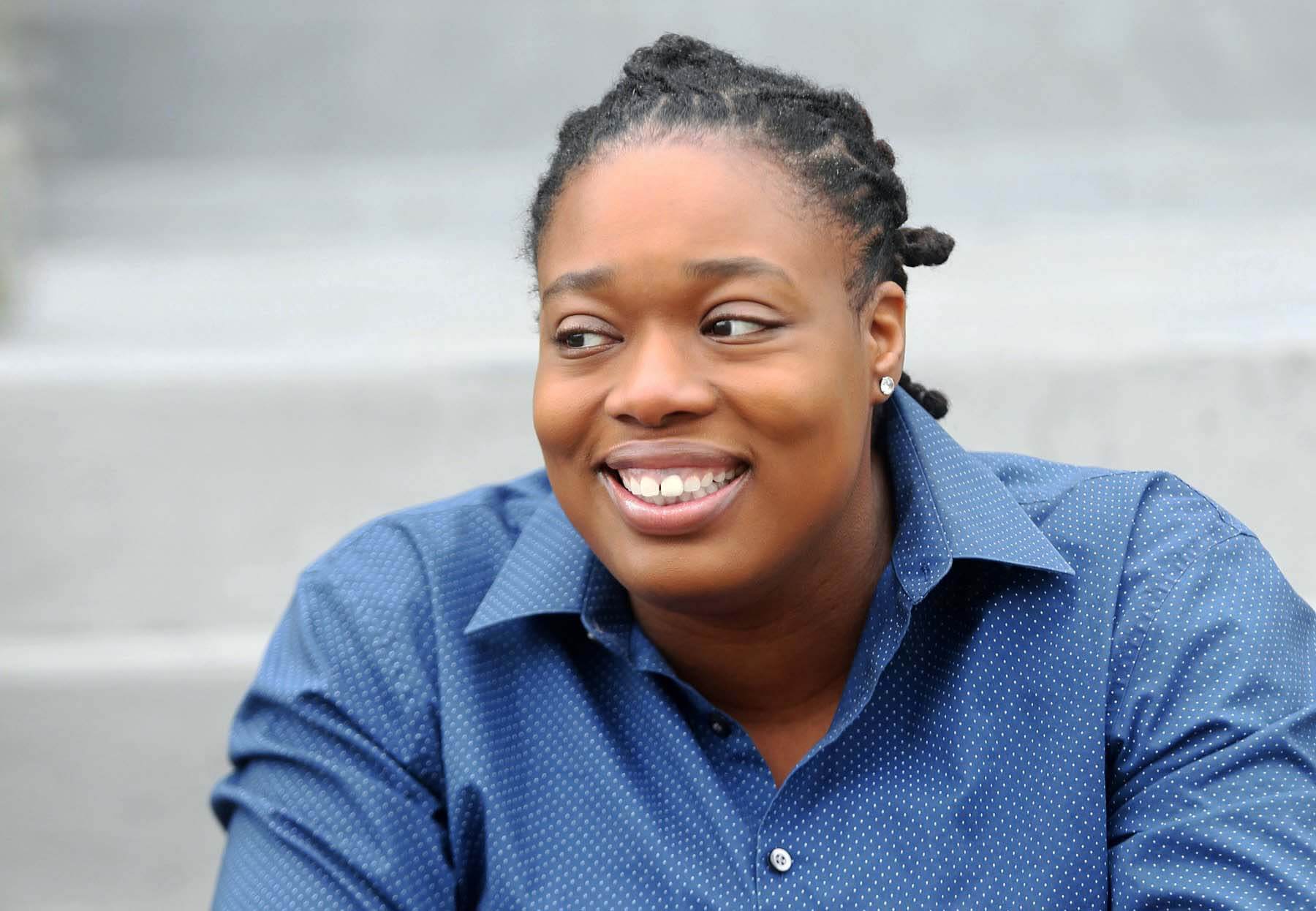
PinWhen considering her biggest “win,” Odessa looks to Stand Up Nashville’s ability to shift the mindset of the community.
We are grateful to all our sponsors:
What is your most significant win in terms of helping the Nashville community?
I would say our biggest win is changing mindsets. It’s like a paradigm shift in how people think about it. I have people coming up to me asking me about certain bills that are coming up, or telling me there’s a development happening and what they want to see, and they’re thinking about getting involved. So, the fact that we are starting to show people they have agency where they live, and that they have the power to speak up and have a voice is the biggest win ever.
What is the most important thing we can do, as a Nashville community, to come together and grow positively?
Stop avoiding hard conversations. There are issues that are clearly racial issues — it doesn’t mean that if you’re on the other side of it that I’m calling you a racist. But I’m saying there’s an issue that has probably been brought out of tradition because we’re here in the South. So, let’s get past the white guilt barrier and have an honest conversation about how we get past these things. No one’s asking for a handout. Everyone’s just asking for an actual pathway to have a way out of it, or fix it, or for us to grow together. To be heard. I don’t want to just stay on the racial aspect — I think it’s a social issue, too. A lot of people don’t even understand that they’re part of the working poor in this city. If all you can do is pay for your home, and you’re busting your butt 40 or 50 hours a week, you might want to reevaluate what your values are and the quality of life you want to live. And if the city that you’re living in can help make that better, then we should address those things.
Pin“Stop avoiding hard conversations,” Odessa advises when asked how we can best support our community’s positive growth.
What is the best advice you’ve ever received?
It’s definitely from my father. Basically, if you give it your best — if you do your best and if you do right by people, you can go to sleep at night. Just let the chips fall where they may. I think especially, being a millennial, we worry so much about what other people think about us and how we go about doing stuff, and that can sometimes shape what is true to us and what we really want to do. I think once I started abiding by the idea that I just want to do the best I can by people, then if that comes with a cost, I deal with the cost when it happens. That’s really helped me move forward and be at peace when I do things.
RELATED: 59 Pieces of Advice From Our 2019 FACES
Aside from faith, family and friends, what are three things you cannot live without?
This is easy — French fries, laughter and Fortnite.
Thank you, Odessa, for the insightful interview. And thanks to Leila Grossman for the photos!
**********
Whether you have lived in Nashville your entire life, or you are just stopping through for a couple of days, our SB Guide will help you navigate Music City in style!
Jenna von Oy Bratcher is StyleBlueprint's Editorial Operations Manager and Lead Content Editor. The East Coast native moved to Nashville almost two decades ago, by way of Los Angeles. She is a lover of dogs, strong coffee, traveling, and exploring the local restaurant scene bite by bite.
Our unofficial motto at StyleBlueprint is "Be kind. Do good." We encourage this to be the basis for all comments on our articles. Provide feedback that adds to the story. Some controversy or disagreements are part of any good dialogue between friends, but anything that tears down or belittles others is subject to disapproval or removal. Thank you for being a member of the StyleBlueprint community! View our Community Guidelines.