

This Nashville Doctor Helps Families Disconnect to Reconnect
What happens when screen time starts affecting more than our attention? Dr. Nidhi Gupta turned a troubling discovery into a mission to help families rethink their relationship with technology. Image: Submitted
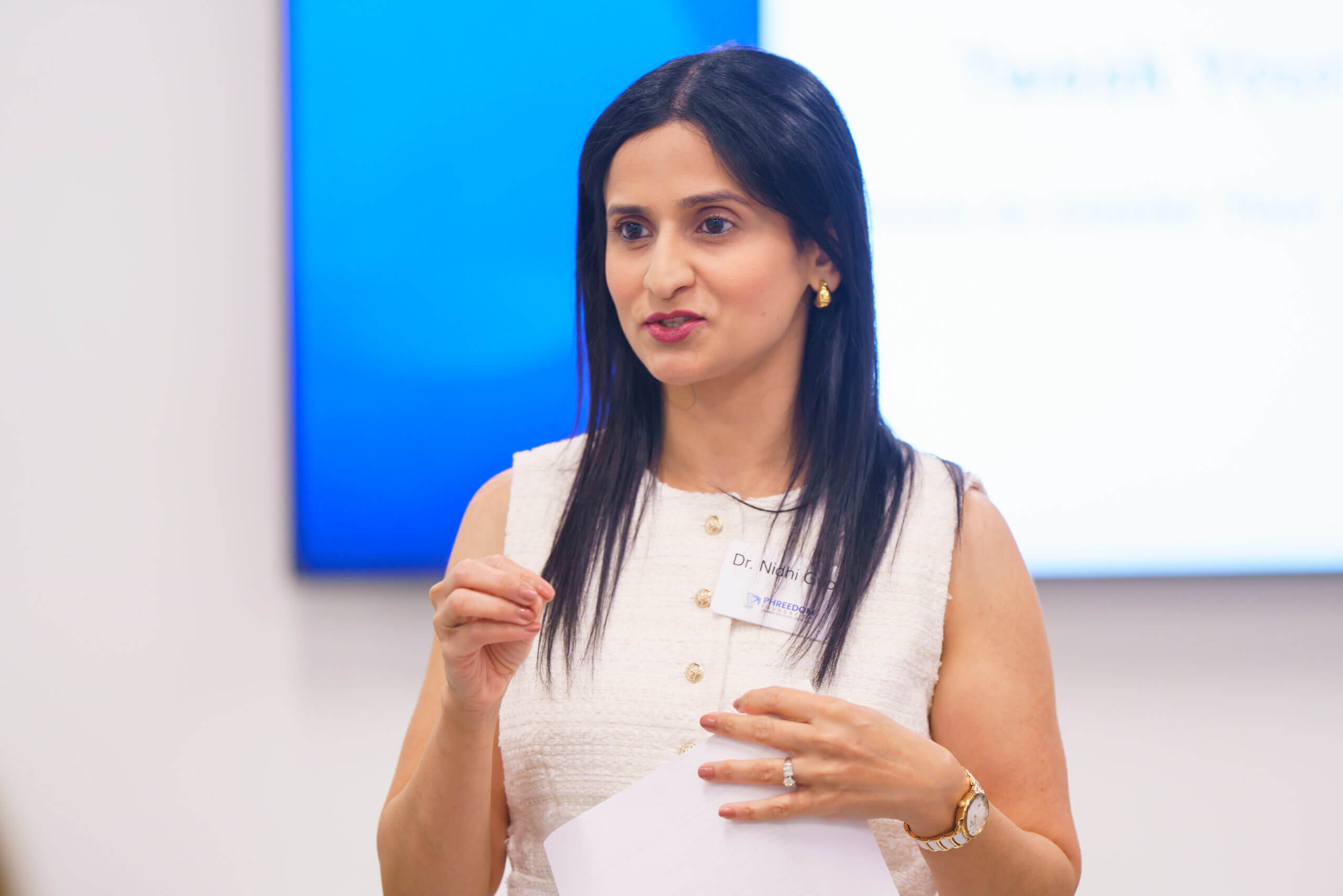
Screens are woven into nearly every part of modern life, but how much is too much? For Dr. Nidhi Gupta, that question became impossible to ignore. The Mayo Clinic-trained pediatric endocrinologist began noticing the effects of excessive screen use showing up in her young patients’ health, sleep, attention, and relationships.
Her concern eventually inspired her to found the Phreedom Foundation, an organization helping families build healthier relationships with technology. We caught up with Dr. Gupta to learn more about her work, what she’s discovered about our digital habits, and how we can all reclaim more of our time and attention.
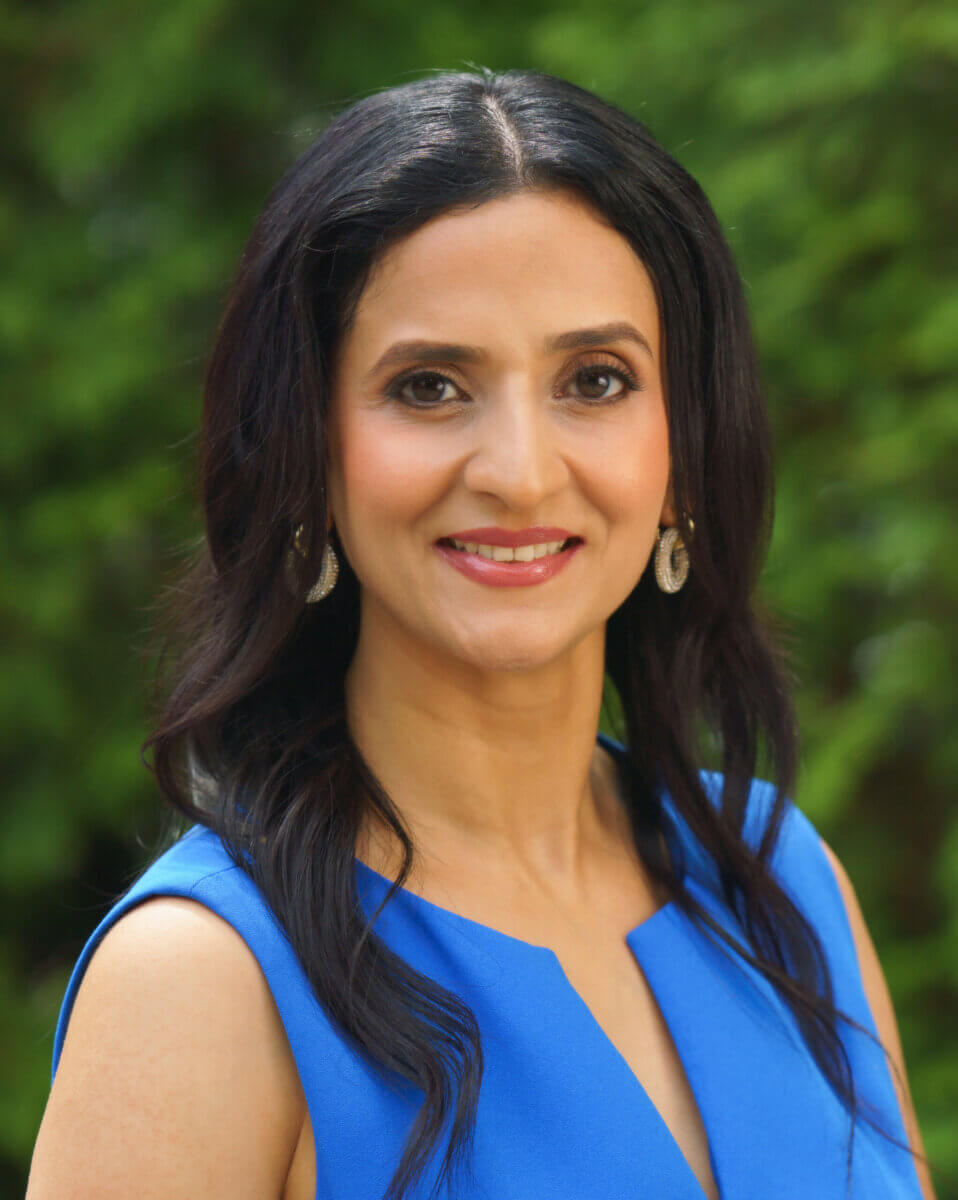
First things first, can you tell us a little about your background? Are you a Nashville native?
My medical journey began in New Delhi, India, where I graduated from Maulana Azad Medical College, one of the most prestigious medical schools in India. I later completed training and research at the Mayo Clinic and Children’s Hospital of Michigan, before serving as an Assistant Professor of Pediatrics at Vanderbilt University Medical Center.
Along the way, I’ve published more than 100 scientific papers and dedicated my career to caring for children with complex chronic conditions, particularly diabetes, and helping families navigate long-term health challenges. While I’m not a Nashville native, this community has become home, and it’s where the vision for the Phreedom Foundation truly took shape.
You trained at the Mayo Clinic and spent years caring for children with complex medical conditions. Looking back, what did those experiences teach you about what kids really need to thrive?
Medicine taught me that children need far more than good medical care to thrive. They need quality sleep, meaningful relationships, opportunities to experience boredom and creativity, and adults who are fully present with them.
Over the years, I also began noticing that many children were struggling with lower frustration tolerance, difficulty regulating emotions, and less confidence navigating face-to-face interactions. Those weren’t traditional medical diagnoses, but they were becoming increasingly common, and technology was often part of the conversation.
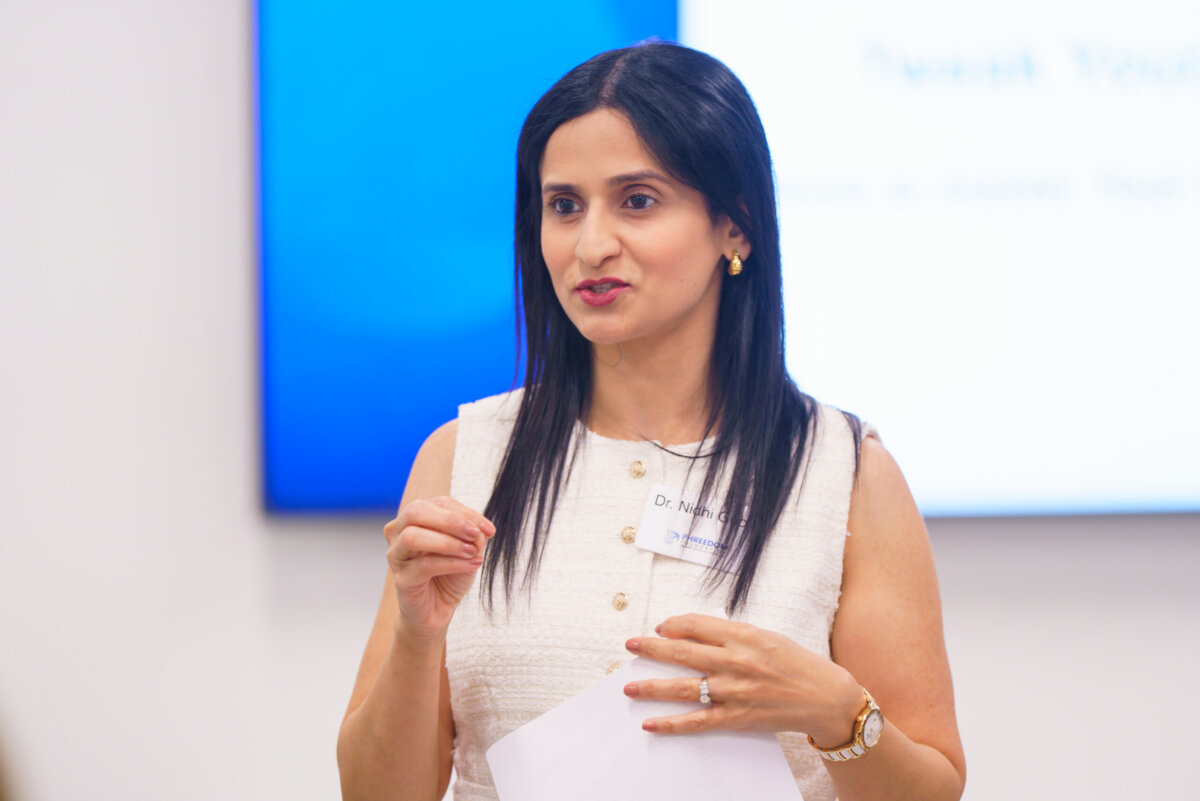
Can you tell us about The Phreedom Foundation and how it was inspired?
One patient encounter actually changed the course of my career. I treated a teenager who had developed a pressure sore from spending nearly all of her free time immersed in virtual reality. That’s an injury we typically associate with someone bedridden for extended periods, not with an otherwise healthy adolescent.
As I listened to her family’s story, I realized this wasn’t an isolated situation. I began researching digital overuse and discovered striking similarities between technology overuse and other forms of behavioral addiction.
That experience inspired me to found the Phreedom Foundation. Our mission isn’t to eliminate technology, but rather to help people build healthier relationships with it. We provide practical, science-based tools that empower families, schools, businesses, and communities to reclaim their attention, strengthen relationships, and live with greater intention.
Can you tell us about your book, Calm the Noise?
Calm the Noise is a practical roadmap for reclaiming our attention in an increasingly distracted world. It combines scientific research with simple, actionable strategies that anyone can implement, like reducing digital distractions, creating intentional distance from devices, and embracing boredom as a pathway to creativity and deeper thinking.
My hope is readers walk away feeling empowered, not overwhelmed, with practical steps they can use immediately.
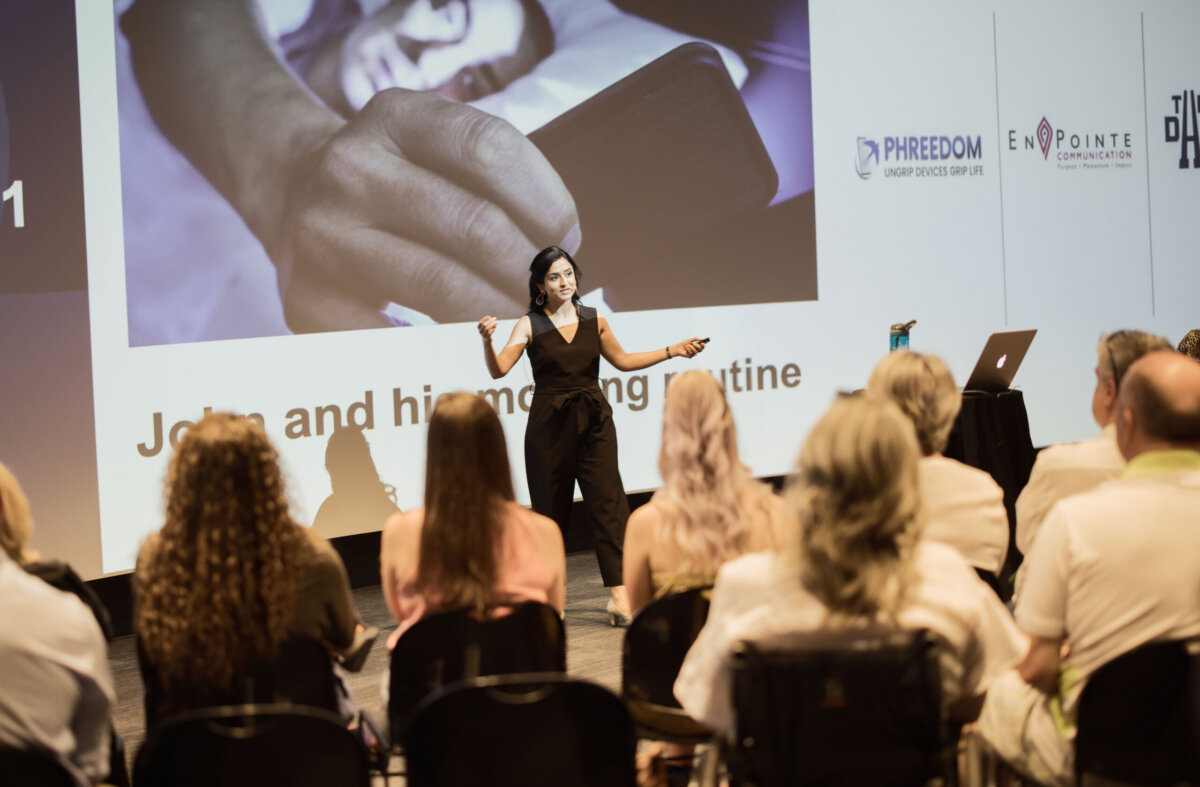
What are some misconceptions people have about technology?
One of the biggest misconceptions is technology itself is either good or bad. It’s neither. Technology is an extraordinary tool, but it becomes a problem when it shifts from being a tool to becoming a trap.
Another misconception is that screen time is the only metric that matters. I’m much more interested in asking: Is technology improving your sleep? Your relationships? Your ability to focus? Your productivity? If the answer is no, then it’s time to rethink how you’re using it.
If you could wave a magic wand and change one thing about the way families use technology, what would it be?
One habit that’s made a tremendous difference to my family is creating intentional times when our devices are put away so we can be fully present with one another. Those moments create space for real conversations and genuine connection.
I also encourage creating physical distance from your phone for 30 to 90 minutes each day while you’re awake. It sounds simple, but giving your brain a break from constant stimulation helps rebuild attention and makes it easier to be present with the people around you.

If I could change one thing, it would be to help families become more intentional about technology instead of simply reacting to it. I’d love to see more homes where people set healthy boundaries around devices and prioritize face-to-face connection, shared experiences, and even moments of boredom, because that’s often where creativity and deeper thinking begin.
Let’s switch gears. When you’re not working, what’s your favorite way to unplug and recharge?
Some of my favorite moments are the simplest ones, like spending quality time with my family, being outdoors, practicing yoga, reading, or enjoying conversations without the distraction of devices. Those quiet moments help me recharge and remind me why this work is so important.
Is there a simple daily ritual that helps you stay present?
We’ve learned to intentionally create spaces where technology takes a back seat to being together. Whether it’s sharing meals, taking walks, or simply having uninterrupted conversations, those daily moments of connection help us stay grounded and remind us that our attention is one of the greatest gifts we can give each other.
If friends were planning the perfect day for you, where would they take you?
It would be a day centered on connection, perhaps exploring one of Nashville’s beautiful parks, enjoying a great plant-based meal, and ending the day with live music. Nashville has such a wonderful sense of community, and I appreciate opportunities to slow down and simply enjoy the people around me.

What’s something people might be surprised to learn about you?
People are often surprised to learn that my work in digital wellness didn’t begin with technology at all. It began with medicine. Everything I teach today is rooted in years of caring for patients, conducting research, and understanding how our brains and bodies respond to habits and environments.
The technology conversation came later, when I realized it was influencing nearly every aspect of health. They are also surprised to learn that I do not use the email, calendar, or social media apps on my phone.
What’s the best piece of advice you’ve ever received?
One of the best pieces of advice I’ve ever received is that meaningful change takes time. Just because something is difficult or takes years to accomplish doesn’t mean it isn’t worth pursuing. If someone had suggested in the 1950s that the United States would one day have a legal minimum drinking age, many people would have said, “That will never happen.” Yet today, it’s simply part of our culture.
That perspective has stayed with me throughout my career as a physician and now guides the work of Phreedom Foundation. Creating a culture where screen-balanced childhood is the norm won’t happen overnight, but every meaningful movement begins with people willing to take the first step.
LIGHTNING ROUND
What’s the most memorable recent meal you had in Nashville? Indian street food at House of India in Franklin with my family.
What’s one self-care item you can’t live without? My yoga mat.
Favorite hidden gem in Nashville? Sarabha’s Ice Cream & Creamery on 21st Avenue!
This article contains product affiliate links. We may receive a commission if you make a purchase after clicking on one of these links.
**********
For more inspiring stories, visit our FACES archives!

Jenna von Oy Bratcher
Jenna von Oy Bratcher is StyleBlueprint's Editorial Operations Manager and Lead Content Editor. The East Coast native moved to Nashville almost two decades ago, by way of Los Angeles. She is a lover of dogs, strong coffee, traveling, and exploring the local restaurant scene bite by bite.