
Merlot is Back?! What Nashville Will Be Drinking in 2026, According to an Expert
Where is wine in Nashville headed next? We caught up with Andrew Burch of Audrey to talk 2026 wine predictions — from Merlot’s quiet comeback to why balance and typicity are back in the spotlight. Image: Holliday Collectiv
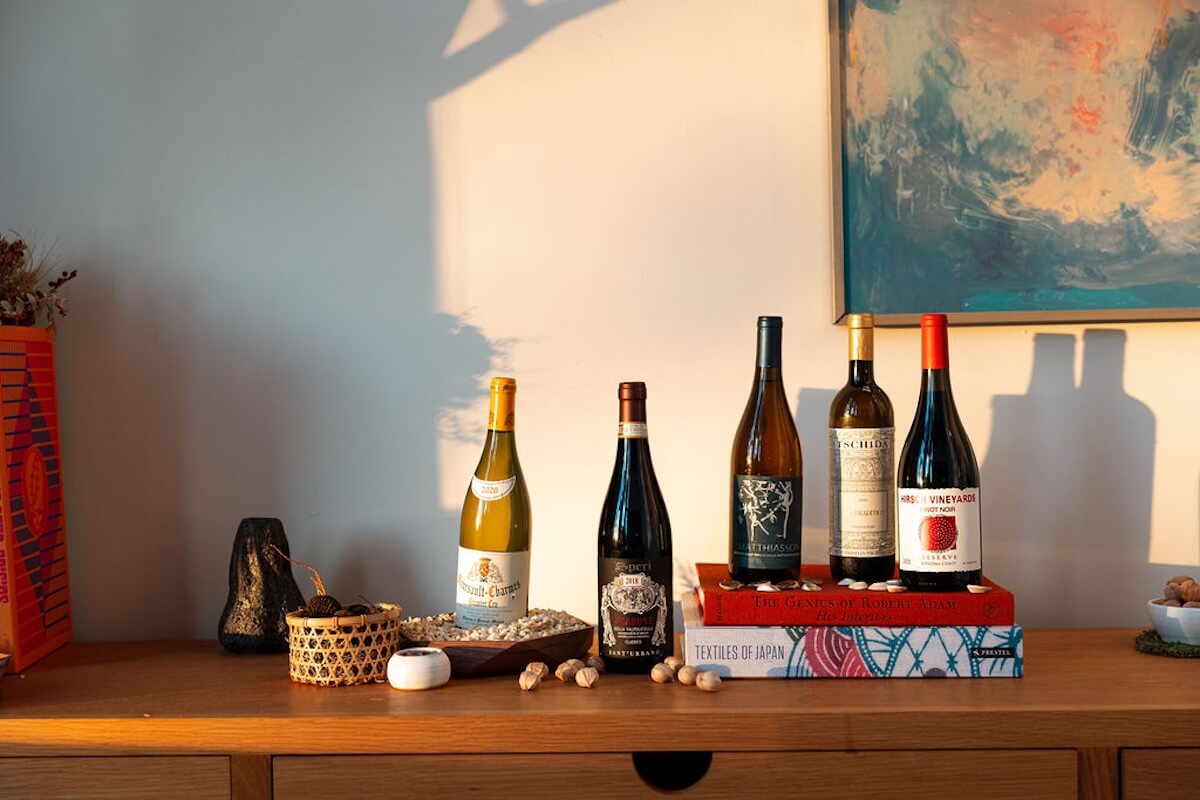
With the MICHELIN Guide American South 2025 ceremony behind us — and Nashville’s own Bad Idea earning praise for its standout wine progra — the timing couldn’t be better to talk about where the local wine scene is headed next.
Andrew Burch, sommelier and wine program manager at Audrey Nashville is keeping a close eye on the future. If you’ve ever dined at Audrey, you know the wine list is anything but predictable, thanks to Andrew’s mix of deep knowledge and playful table-side instincts. Let’s take a look at his predictions.
With more than two decades in the industry and experience at places like Yolan, Merchants, Barolo, and The Ribbon at Downtown Sporting Club, Andrew’s seen a lot of trends come and go. Now, he’s offering some insight, breaking down what he believes 2026 will look like for wine lovers — from forgotten varietals making a comeback to a shift in how people approach the glass entirely.
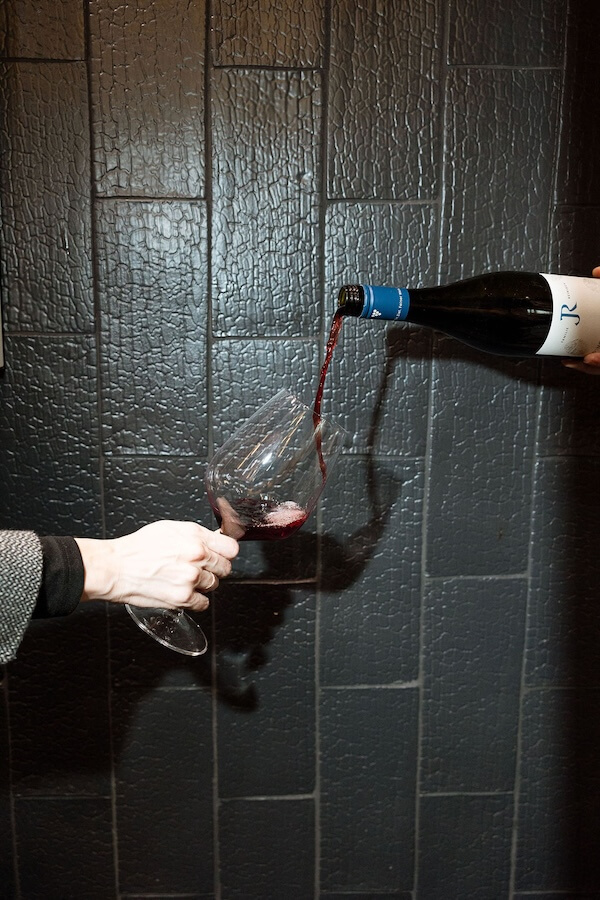
A Return to “Typicity”
One of Andrew’s biggest predictions is a move back toward wines that taste unmistakably like the grapes they come from.
“When I suggest that 2026 will see a return to ‘varietal typicity,’ what I am saying is that more wine makers are producing wines that are varietally accurate. Cabernet sauvignon tastes like cabernet sauvignon, chardonnay tastes like chardonnay,” he explains.
“Of course, there are micro-climatic differences (France versus USA in Chard),” he adds, “but the overall cellar manipulation is losing traction. As more wines are made in the vineyard, rather than the cellar, the typical elements of each grape varietal will reveal themselves in the bottle.”
Andrew is already spotting significant shifts from producers who once leaned heavily on manipulated styles. “The days of big behemoth California Cabs and over-oaked domestic chardonnay have passed,” he says. “I recently re-tasted a wine that, in the past, was over-extracted and over-oaked. This winery has built its reputation (and sales) on this very modern style. To my surprise, the wine-making had taken a 180-degree turn. The wine was elegant and revealed amazing acidity, not something I ever expected to taste.”
The average drinker may not realize exactly why their wine tastes different, but they may notice wines feeling more food-friendly or balanced. On Nashville wine lists, Andrew says diners might even see the quiet return of producers who were dismissed during the “bigger is better” era.

Merlot and the Right Bank Are Back
Yes, merlot is having a moment. And according to Andrew, it’s about time.
“Merlot and Right Bank wines are making a comeback because these are the wines that people want to drink,” he shares. “Consumers love balanced wines, but what makes merlot especially attractive is the fact that it hides great acid, perfect earth, and great minimality behind its red/blue fruit set. These are wines that people want to drink but didn’t because of the ‘Merlot Stigma.’”
At Audrey, Andrew has a signature approach to reintroducing people to these styles. “If the customers really want to ‘play,’ I will ask them the ‘wine budget’ and tell them I will be bringing something for them to try. I never show the bottle until after they have sampled it. I’ve been using this ‘game’ to take my California cabernet drinkers back to merlot and the Right Bank. The results have been nothing but positive.”
His favorite part? When guests react with total surprise: “Wow, this is good! Is it really merlot?”
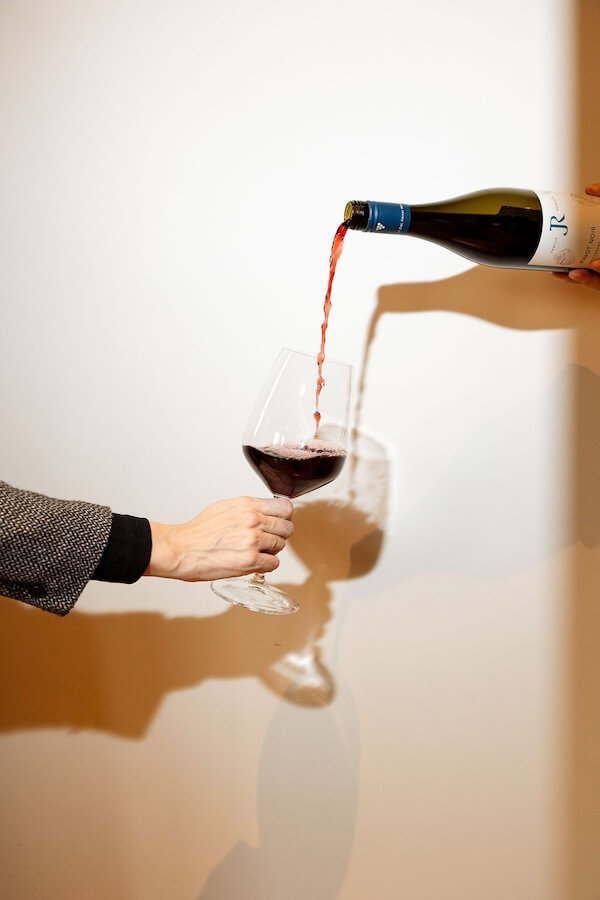
Natural Wine is Going Mainstream, But Diversity May Shrink
Andrew also sees natural wine continuing to boom, especially orange wine, which diners now order confidently. No explanation required. But rising import costs could mean fewer bottles from small, emerging international regions.
“If 2025 saw an increase in interesting foreign varietals, 2026 will see some decline in wines from upcoming, obscure regions like Slovenia and Georgia. Small importers, directly affected by the taxes, will certainly pass on these costs to the consumer if they want to stay afloat.”
The silver lining? Domestic makers may step up. “I believe the domestic natural wine producers will pick up some of this lost diversity in wine options … I see domestic natural wine makers producing even more unique wines to match market demand.”
What Else to Watch
Eastern European varietals (from countries like Georgia, Hungary, Bulgaria, and beyond) will continue gaining traction thanks to their affordability and personality. And Andrew’s personal pick for 2026 is clear:
Drumroll, please …
“Chenin blanc,” he tells us. “These wines are like sauvignon blanc on steroids!”
Cheers, Nashville!
**********
Nashville has some of the best dining experiences in the South! Want to know more? Visit our Food & Dining archives!

Jenna von Oy Bratcher
Jenna von Oy Bratcher is StyleBlueprint's Editorial Operations Manager and Lead Content Editor. The East Coast native moved to Nashville almost two decades ago, by way of Los Angeles. She is a lover of dogs, strong coffee, traveling, and exploring the local restaurant scene bite by bite.