Why Nashville Needs Mickey Guyton
With her recent releases "Black Like Me" and "What Are You Gonna Tell Her?", recording artist Mickey Guyton uses her voice to woo country music fans ... and advocate for diversity in the industry.

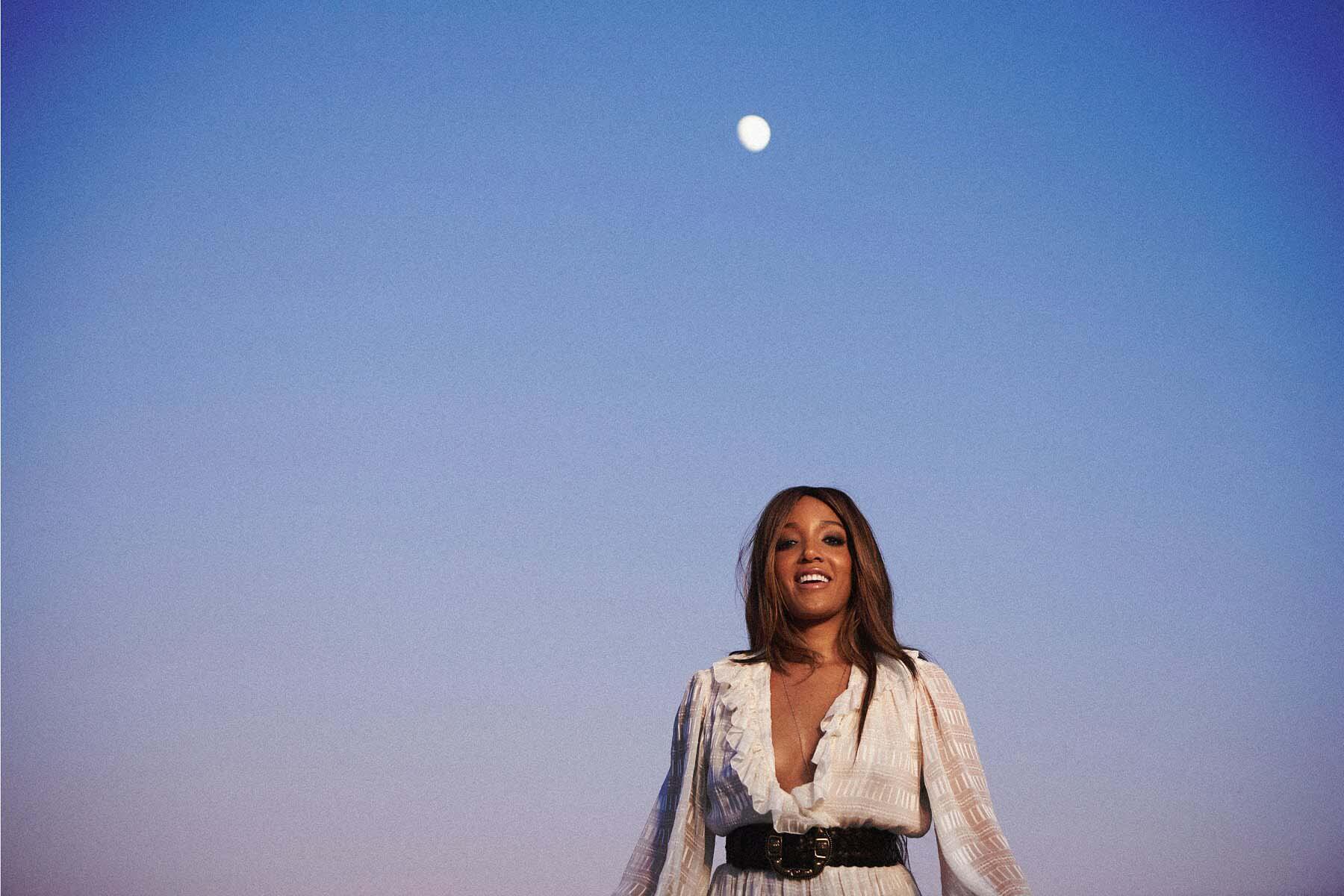
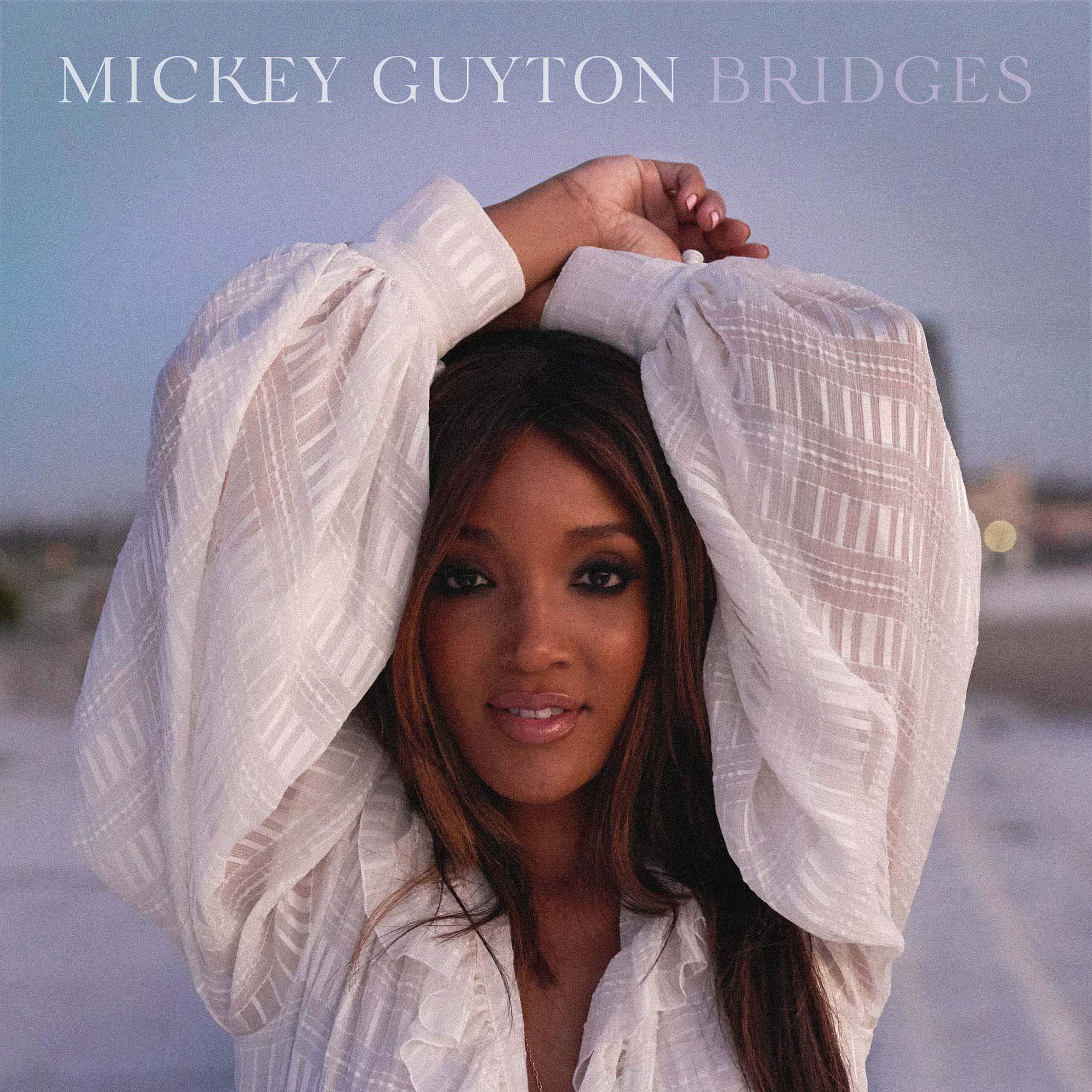
“Diversity” isn’t a word that’s typically associated with Nashville’s country music industry. Recording artist Mickey Guyton is blazing trails and changing that course, laying it bare through her candid new EP, Bridges, which includes empowering, thought-provoking ballads such as “Black Like Me” and “What Are You Gonna Tell Her?” Just last week, she made history as the first Black woman to perform her own song on the Academy of Country Music Awards stage. The songstress, who also recently announced that she’s pregnant with her first child, is breaking stereotypes, speaking up and speaking out, and teaching Nashville why the male-dominated country music scene should make more room for equality and strong Black women. Please welcome our newest FACE of Nashville, the inspiring and dynamic Mickey Guyton.
Historically, the country music scene is tough for women. Add to that being a strong Black female. What challenges have you faced?
Initially, it was all about people questioning my sincerity. Anything I sang was overly scrutinized. People were like, “We’ve got to make sure it’s really country. People aren’t going to believe you; they’re going to think you’re a failed pop singer trying to sing country.” That was so frustrating because I grew up in the South — in Texas, of all places. I grew up on gravel roads. For pep rallies at my high school, we had Wrangler Fridays, where all the guys on the football team wore Wranglers. Country music isn’t just an accent and a song; it’s a way of life that I’ve lived. It was especially frustrating because bro-country was just starting. There were trap beats and R&B melodies in their country songs, and yet, people were questioning my sincerity. In reality, it was borderline offensive at points — especially for me, as a Black woman trying to break into this world. Equally difficult was looking around and seeing what my female peers that I love so much have had to go through and the low-key sexual harassment that people still don’t talk about. It needs to be spoken about. That’s one thing that my color has kind of protected me from — I didn’t get a lot of the inappropriate questions that some of my peers got.

Your songwriting often broaches subjects such as racism and sexism. It pushes boundaries not often pushed in country music. What message do you hope that conveys?
First of all, I had to hit rock bottom to be brave enough to write those songs. I’ve seen it for so long that I was losing hope it would ever change. And I must say that I can’t take all the credit for the song lyrics; that’s the beauty of Nashville. The songwriting is so great that the people I’m in a room with can interpret my heart. But I hope people hear the songs and check themselves. I want to encourage people to change, open doors for other women, and give them the same opportunities that men have. I want that for people of color, too — not because we want a handout, but because we’re good enough to have the same opportunities. I want them to legitimately give us a shot, not play our song, and say, “Research says this isn’t good enough.” Fight for us. Fight with us. Please.
What inspired you to write “Black Like Me,” and what has the response been?
I was struggling so much in my career, and I didn’t understand how to break through. One day, I asked my husband, “Why do you think country music isn’t working for me?” and he said, “Because you’re running away from everything that makes you different. You’re writing everyone else’s story; you’re not writing yours.” It was a gut punch. I was writing everyone else’s songs and interpreting what country music sounded like for them, to figure out how they could accept me. Country music is three chords and the truth, so I need to write my own truth. I was like, What do I have? Well, I’m a Black woman. I need to write from that experience. So, that’s what I did, and I wrote “Black Like Me.” The feedback has been amazing; it’s the best and biggest feedback I’ve had from any song that I’ve ever written. I’ve also had a lot of “Karens” and “Kens” and trolls. They come for me, call my song stupid, and tell me to leave this country. I respond to every single one of them and clap back — not in an angry way but a matter of fact, Read a book, and maybe you’ll have a different perspective way. I don’t throw stones and expect flowers back.
Does putting your truth out there mean there’s pressure to maintain that role?
I feel that pressure at times, and I do feel like I’m falling on the sword alone, but I’m not hearing anybody say I should stop. I realize that if there’s anybody they’ll listen to, it’s me. I always speak the truth in love. I had no intention of being an activist whatsoever, let me tell you. That’s not a natural space for me. But if somebody doesn’t step up and say something, we’ll be in this boys’ club cycle forever, and we’ll never get out of it. If there’s anything God sent me to do, it’s to open those doors for everybody. Black voices are so important; I want to use this time to not only speak for people of color but women as well – specifically white women in country music. Because they’re getting discriminated against daily, too. I know what discrimination looks like, and it’s discrimination.
Do you feel the country music industry is rallying around you?
Right now, I feel support. I’m on the ACM diversity task force, and they’re relentlessly committed to opening doors for everyone and making country music more diverse. So, if that is rallying around me, then yes, they are rallying around me. And that’s a beautiful thing to say.
What’s the best advice you’ve ever received?
It’s a long one, but it’s the best advice for anyone in the music industry. It was given to me by Darrell Brown, eight years ago when I first got signed. I didn’t understand what it meant until now. He said, “You’re the CEO of your own company. When you get signed, you need to tell your writers how to write, your producer how to produce, your label how to label, your A&R how to A&R, and your business manager how to manage.” Basically, he was saying to have control in all aspects of life; you know what’s best for you. I always knew what I wanted to do and say, and I let all of these other people speak for me until I finally took my career by the reins and did it myself. It turned everything around.
Outside of faith, family, and friends, what are three things you can’t live without?
My wigs, my eyelashes, and my dogs and cats.
**********
Read more interviews with our inspirational FACES in our archives!

Jenna von Oy Bratcher
Jenna von Oy Bratcher is StyleBlueprint's Editorial Operations Manager and Lead Content Editor. The East Coast native moved to Nashville almost two decades ago, by way of Los Angeles. She is a lover of dogs, strong coffee, traveling, and exploring the local restaurant scene bite by bite.