
The Unsung Pioneers of the Memphis Sound: Memphis Jug Band & WDIA Radio
Learn about Memphis's lesser-known music industry pioneers — the Memphis Jug Band, who were the first to record commercially in the US, and WDIA Radio, the first American radio station programmed entirely for a Black audience. Image: iStock
In the early 1900s, long before playlists were curated by algorithms, Memphis was already shaping the American soundtrack. Many of us are familiar with Memphis staples like STAX Records and Sun Studio, but what about the stories of those early pioneers who quietly shaped the industry?
The accomplishments of the Memphis Jug Band and WDIA Radio influenced musical culture in America, and some of your favorite artists have them to thank for infusing the sound and soul of Memphis into their music.
The Legacy of Memphis Jug Band
The Memphis Jug Band was active from the mid-1920s through the late 1950s, and its early acoustic blues helped lay the foundation for the unique Memphis sound we know today.
It started in 1926 with singer, songwriter, guitarist, and harmonica player Will Shade, also known as Son (or Sun) Brimmer. Shade performed while also organizing and booking the band’s shows, with a lineup that shifted often.

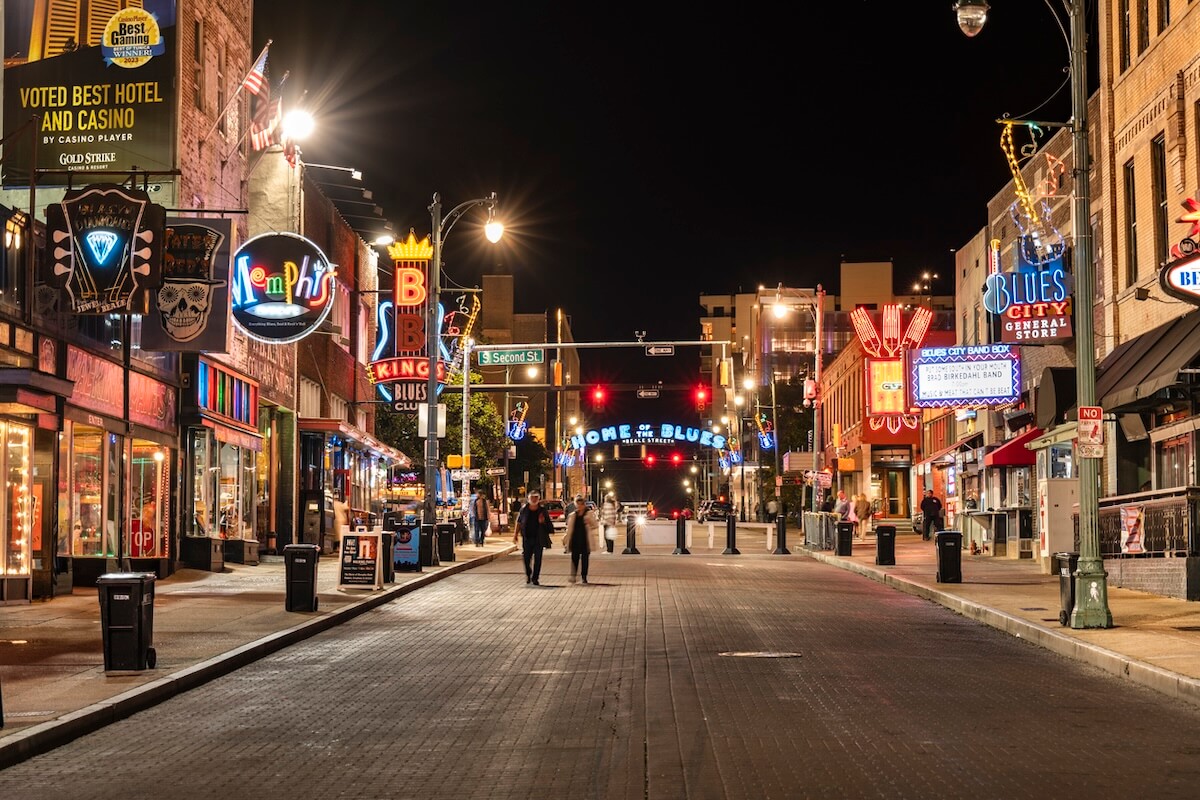
Although based primarily around the Beale Street area, the Memphis Jug Band played throughout the city at parks, markets, country clubs, and even parties at the Peabody Hotel. As for their audience? Both Black and white listeners showed up, which was no small thing in the Jim Crow South.
The group made history as the first band to record commercially in Memphis, including a 1930 session in which they accompanied Memphis Minnie on two sides of one of her first studio recordings for Victor Records.
Between the years of 1927 and 1934, the Memphis Jug Band made more than 80 commercial recordings, more sides than any other prewar jug band. At a time when the recording industry itself was still taking shape, they were already documenting the city’s sound.
A Sound Like No One Else
Earlier jug bands in Louisville had used the jug as a kind of substitute for brass instruments, but the Memphis Jug Band added something different: a kazoo that often carried the melody like a buzzing trumpet. Their music blended slow country blues, upbeat dance tunes, clever novelty songs, pop standards, and jazz-influenced numbers.
Plus, their rotating membership gave them flexibility. Some songs leaned toward Appalachian fiddle traditions, while others had a more urban jazz feel. They even recorded under multiple names depending on the label, including the Picaninny Jug Band, the Memphis Sanctified Singers, the Memphis Sheiks, and others. Sometimes records were credited to individual members, even though the full band backed them.
Notable band members over the years included Charlie Burse, Jab Jones, Hattie Hart, and, of course, Memphis Minnie.
Memphis Jug Band’s Second Act
In the 1950s and 60s, during the folk revival, Will Shade was still in Memphis, playing informal sessions with musicians at his apartment on Fourth and Beale. Researchers and music scholars sought Shade out for field recordings that captured him and his former bandmates as they revisited old songs, swapped stories, and preserved history once again.
Some of their 1920s recordings found new life, too, with songs like “Stealin’, Stealin’” being rediscovered and later recorded by rock groups, introducing the Memphis Jug Band’s music to a new generation. Their influence spread across a range of musical styles, from folk and blues to early rock.
In 2009, the Memphis Jug Band received a Brass Note on the Beale Street Walk of Fame in recognition of their role in shaping the Bluff City’s sound.
WDIA Radio: A Voice for the Community
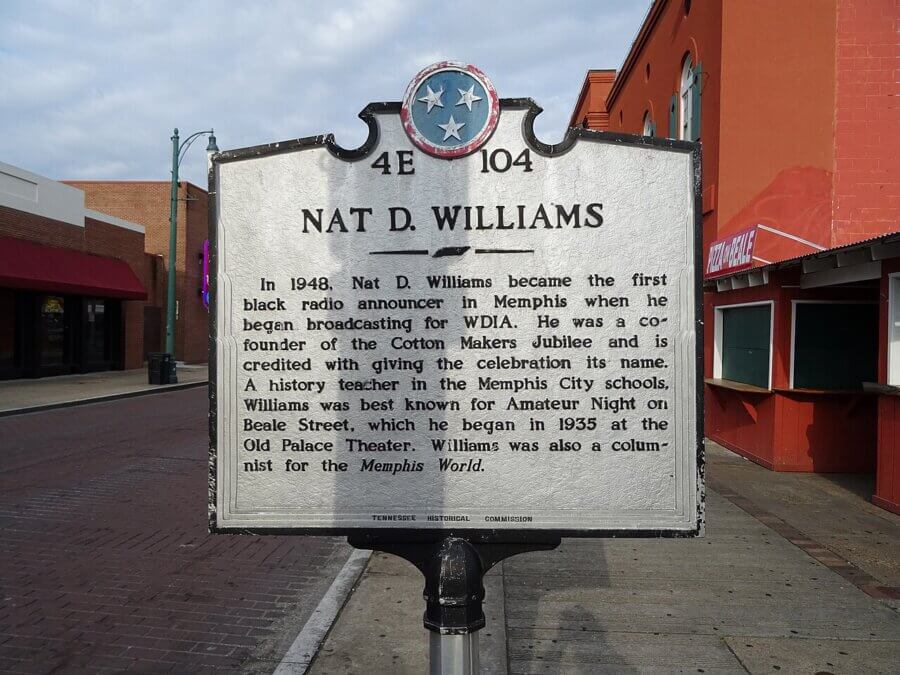
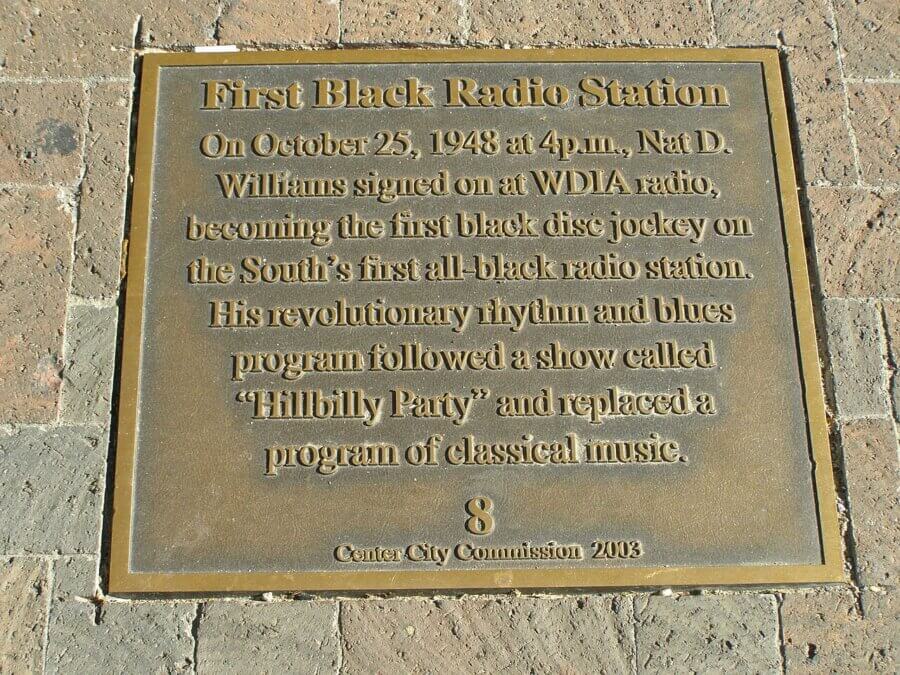
Let’s take it back to the late 1940s, when people across America were huddled around radios in their living rooms; something special was brewing in Memphis. In 1947, WDIA became the nation’s first radio station programmed entirely for Black audiences.
WDIA’s beginnings were less radical, broadcasting a traditional smattering of country music, light pop, homemaking programs, and soap operas. The station didn’t stand out until someone realized that nearly half of the people receiving its signal were Black, and that none of the other radio stations catered to that audience.
In the Deep South, where segregation touched every corner of daily life, WDIA provided representation. Black DJs spoke to Black listeners about music they could relate to and news that impacted their lives. They also promoted Black-owned businesses.
WDIA championed the careers of some of music’s most prominent artists (along with some you may not know) and played blues, gospel, and R&B at a time when many other stations refused. It proved to radio stations across the country just how powerful the Black audience was. WDIA’s signal stretched across the Mississippi Delta to the Gulf Coast, making it one of the top radio stations in the city.
A Launchpad for Legends
A young B.B. King joined the station in 1949, hosting a daily show and promoting sponsors before stepping into a DJ role. King later credited WDIA with helping him build his audience and launch his career, describing the station as a place of creative freedom.
Rufus Thomas also got his start there, and the station’s sounds influenced one particular listener as well … none other than Elvis Presley! But WDIA’s influence wasn’t just musical.
In 1954, the station launched the WDIA Goodwill Fund, which provided transportation to school for Black children with disabilities. Over time, the initiative expanded to include scholarships, youth programs, Little League teams, and housing support.
In 1972, Chuck Scruggs became WDIA’s first Black general manager and vice president. He later played key roles in preserving the Lorraine Motel and establishing the National Civil Rights Museum, tying WDIA’s legacy directly to the broader Civil Rights story in Memphis.
In 2020, WDIA was officially added to the U.S. Civil Rights Trail in recognition of its role in reshaping American radio.
The Memphis Jug Band helped pioneer the recording industry as we know it, capturing sound for commercial purposes, while WDIA helped define how that sound was delivered to the people. Both institutions are perfect examples of why Memphis has always been a city of music pioneers.
**********
To stay in the know on all things 901, subscribe to StyleBlueprint!

Ariel Taranski
Ariel's been writing professionally for over a decade, with a passion for travel, pets, good food, and a great book. She's lived in Memphis for over half of her life, a transplant from Florida and Southern through-and-through.