Mary Laura Philpott: FACES of the South
She's garnering rave reviews for her new release, I Miss You When I Blink. Get to know Nashville author and literary rockstar Mary Laura Philpott, our newest FACE of the South.
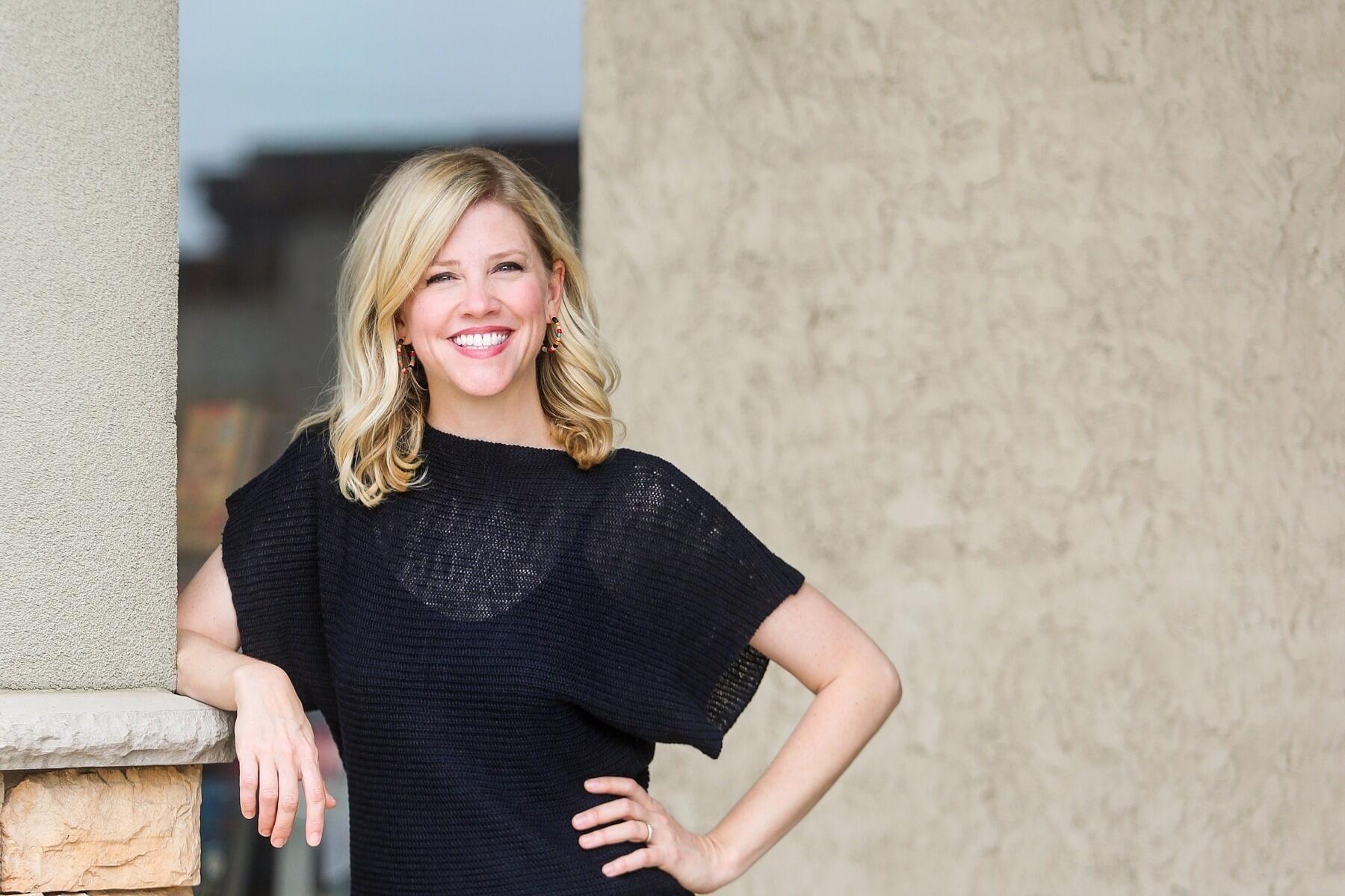
While Mary Laura Philpott was born in Nashville, TN, she didn’t grow up there. “My parents were always moving for my dad’s medical training,” she says. She has since returned to Music City with her own family, following nearly two decades in Atlanta. You won’t find her in town for long, though, as she’s been touring all over the United States to promote her new book, I Miss You When I Blink, which is flying off shelves — both literal and virtual — everywhere. When she’s not managing MUSING or co-hosting A Word on Words, you may find her stealing away some time on her back porch with her family. But for today, we’re stealing some of her time just for us. Get to know this amazing woman and find out more about her best-selling new book. Welcome our newest FACE of the South, Mary Laura Philpott!

Where are you from and what brought you to Nashville?
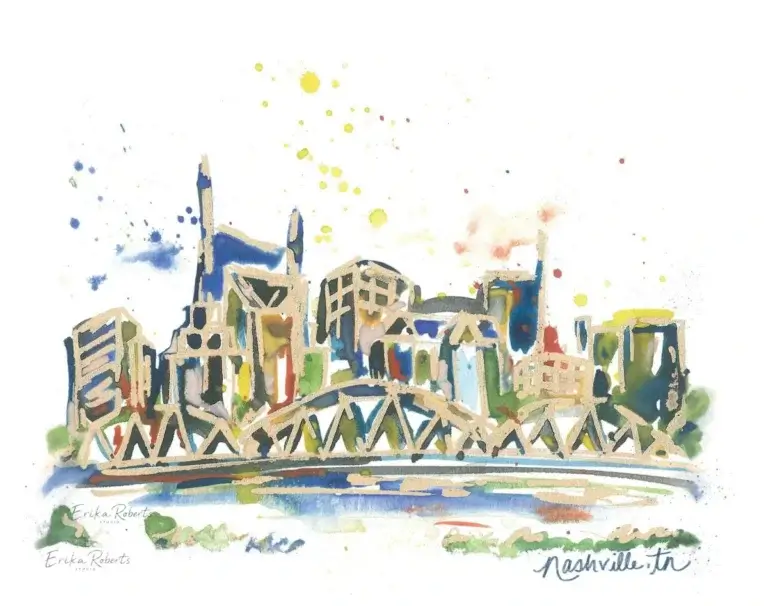
I was born in Nashville but didn’t grow up here. (My parents were always moving for my dad’s medical training.) Before coming back to Nashville five years ago, I lived in Atlanta for 17 years. After nearly two decades of surviving Atlanta traffic, I needed a fresh start — for a variety of reasons, not just the clogged highways — and I was lucky that we could make the move work for our family. That’s an abbreviated response to “what brought you here?”, but I Miss You When I Blink answers the question at greater length!
How long have you been a writer, and where did you get your start?
When I was little, I used to write horrible knockoff fairytales and ask my dad to “publish” them on the Xerox machine at work. My first professional writing jobs were in corporate communications as a copywriter. I wrote ads and brochures. Then I went freelance and started writing longer-form things in my own voice for newspapers and magazines. I love writing (and reading) essays. There’s something about that length and format that works for my brain.
You seem to be the darling of the literary scene right now — what has been the most surprising part of this successful book release?
Ha! Oh, I don’t know about that, but thank you. What has surprised me more than anything is how open people have been in sharing their own stories as a way of showing how I Miss You When I Blink affected them. Every time I open Instagram, there’s someone holding up the book and talking about which part meant the most to them and why. A couple of weeks ago, a reader blogged about how on the surface she and I seem different, so she assumed she wouldn’t relate to the book — she wrote, “I was a queer Jewish Midwesterner who had been single all her life” — but that once she read it, she came to a realization that unlocked something for her: “You’re always going to be on the edge of an existential crisis unless you reframe the narrative.” I really can’t do it justice by summarizing her words. You’ve got to read it — here’s a link.

Why do you think people find I Miss You When I Blink so relatable?
I can’t speak for other people, but I can tell you that when I relate to a book, it’s usually because it puts words to something I was feeling but hadn’t yet articulated — which is such a relief. It feels good to finally have a way to say something you’ve thought for a long time, you know?
What I’m writing about here is my own life — times when I’ve tried so hard to make the “right” decisions. I have this twisted part of my brain that believes if I can just make things perfect, I’ll earn the love and approval of everyone around me, or I’ll somehow prove my right to exist. But time and again, I bumped up against reality (which is that you can’t get things perfect; you can’t earn the love and approval of everyone; and you can’t prove your right to exist — nor should you have to), and I had to start over in some way. What I already knew from conversations with my friends, and what I’m hearing from readers, is that we all feel that need to start over sometimes. Reinvention is a frequent necessity.
Which essay is your favorite and why?
Maybe “A Letter to the Type-A Person in Distress”? It’s a little different from the others because it’s a direct address to a particular type of reader, and that reader is a lot like me. So drafting it was sort of like writing a pep talk to myself, which was fun.
You’ve been on your book tour traveling all over the place. What has been the best part about touring? And the most challenging part?
The best part: Conversations with readers in the signing lines. Also, bookstore tourism! It’s been so much fun to see the insides of shops I’ve been following on social media for years. The most challenging part: Packing everything into one small suitcase. And getting to the right airports at the right times. I get nervous about travel logistics.
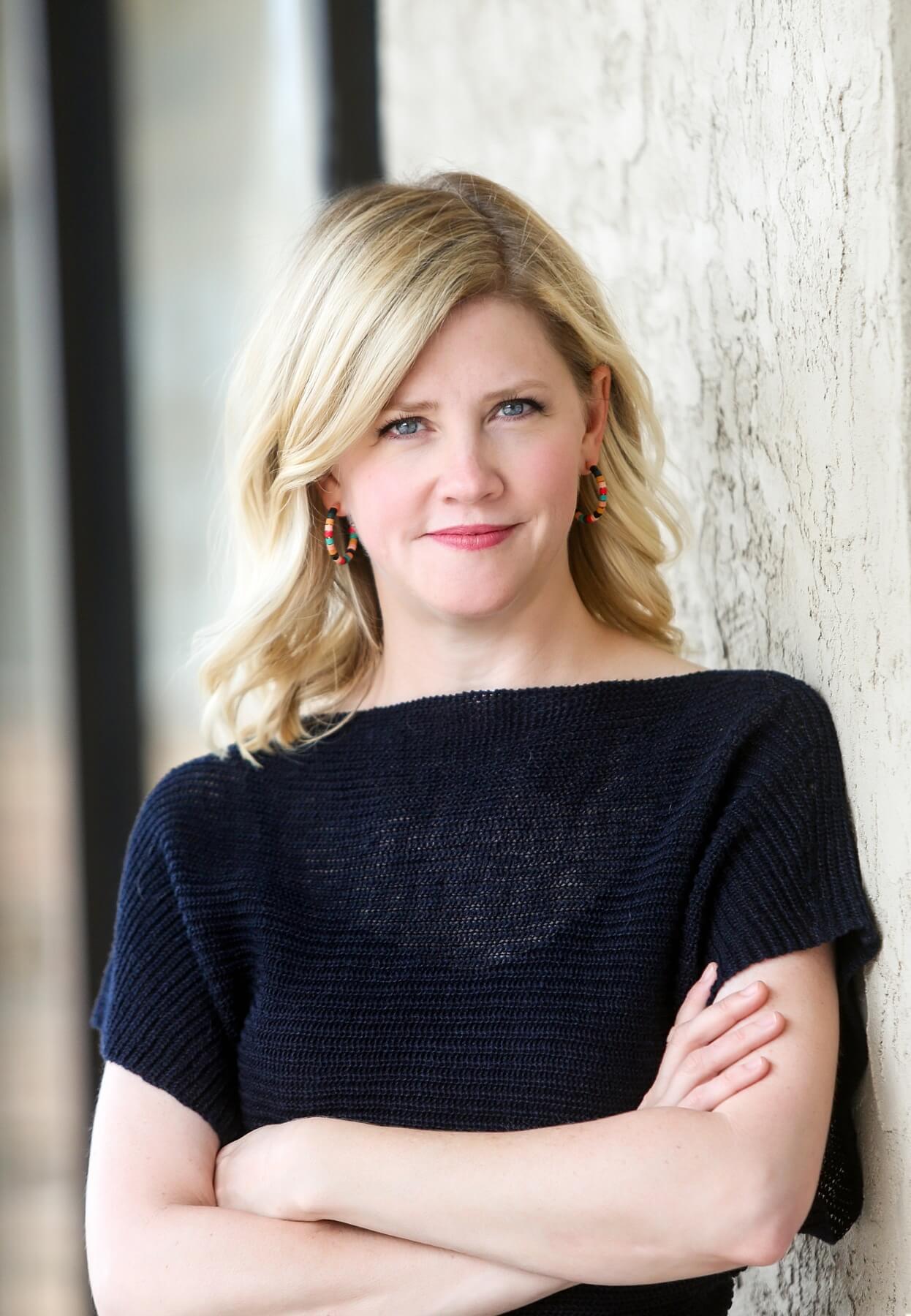
What was your hope in writing the book? Did you have a goal in mind? And if so, do you feel you have you achieved it?
My first goal was just to write enough essays to form a book. I dared myself. Once I got going and realized what I was writing about, I wanted to put this book into the world so that maybe a few people who have felt the anxiety of perfectionism or the itch to take their lives in new directions would feel like they’d been seen and might think about themselves differently. I hope I’ve done that to some degree.
In practical terms, between work and family, how did you find time to write this book? How long did it take?
All told, the writing and editing took nearly three years. It wouldn’t have happened without my writing group. We nag each other to make time to write, even for just a few minutes in between other commitments, every day.
What has been the best piece of feedback you’ve received? What has been the harshest?
Those reader responses I mentioned have been so touching. The review by Elisabeth Egan in the Washington Post blew my mind. As for harshest, I don’t know that anyone could criticize me more harshly than I criticize myself when I think, “No one cares. This draft is terrible. What you’re saying doesn’t matter.” I know a lot of writers who hear that voice, and it’s hard to overcome. It helps to cheer each other on.
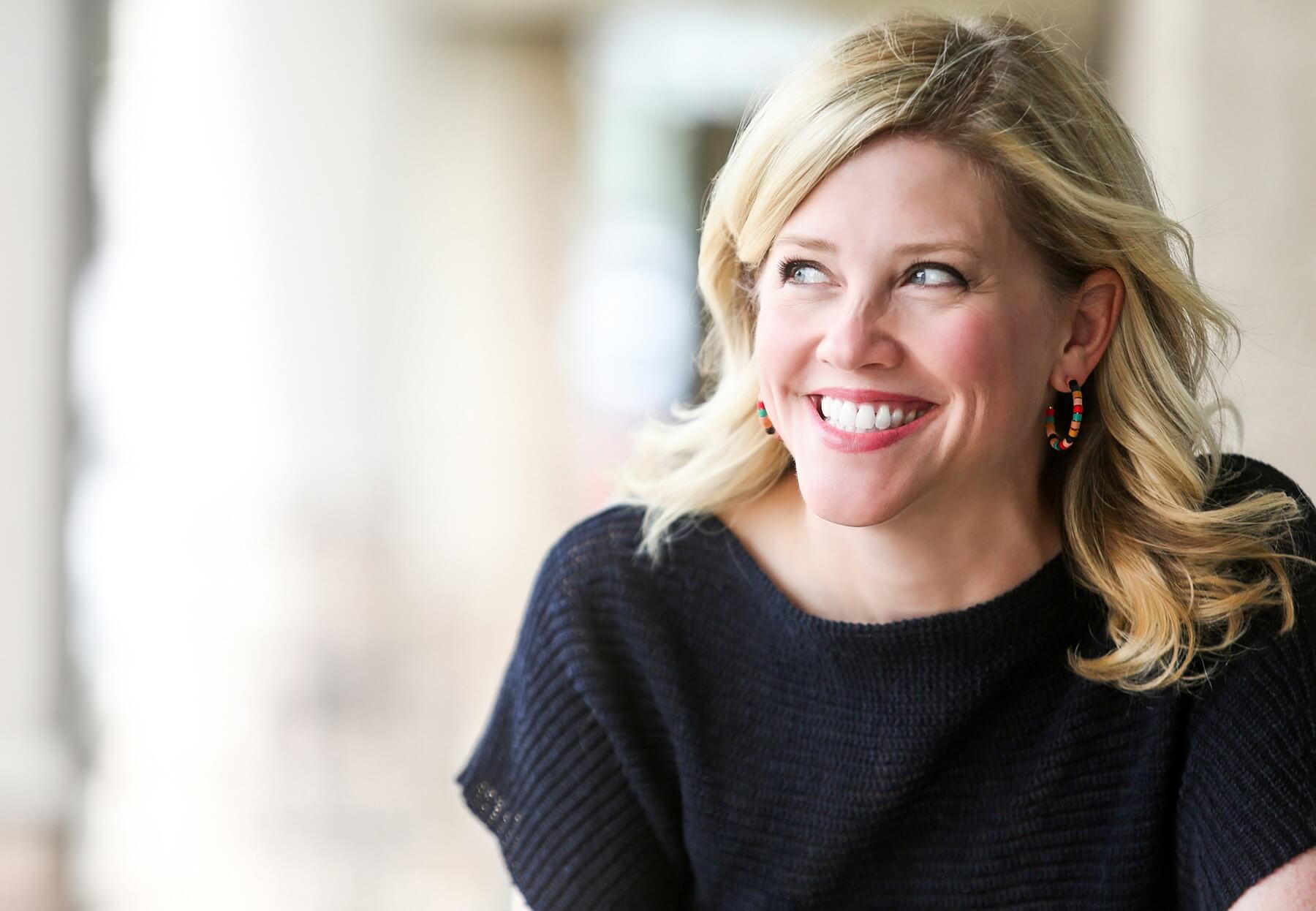
What’s your current favorite book by another author?
Ooh, that’s a tough one. Something out currently? I’m pretty wild about Look How Happy I’m Making You, a short story collection about women’s lives by Polly Rosenwaike.
What’s the best piece of advice you’ve received and from whom?
I tend to worry over things, and I have a good friend who always turns my worry around on me. Like when someone hasn’t texted me back within a day, and I’m sure they’re mad at me — or dead — she’ll say, “Well, when you don’t text someone back immediately, is it because you’re mad or dead? Or just busy?”
Aside from faith, family and friends, what are three things you can’t live without?
Lately, I’ve been obsessed with not getting sick on the road, so my life-savers have been the blue Sharpie I wear on a shoestring around my neck so I won’t have to touch other people’s pens when I sign books; the Dr. Bronner’s Organic Lavender Hand Sanitizer a friend gave me; and the Airborne tablets I drop into bottles of water and guzzle every morning.
Thank you to Mary Laura Philpott for sharing a bit of insight into her new release and her life. Learn more about this amazing Southern woman HERE. And thank you to Leila Grossman for today’s fabulous photos of Mary Laura shot at Parnassus Books in Nashville’s Green Hills neighborhood.
**********
Meet more amazing Southern women. Check out our FACES series — click HERE and prepare to be inspired!

Ashley Haugen
Ashley is a StyleBlueprint contributor who was born and raised in the South. She loves hiking, travel, photography, and spending time with family and friends.