Meet the Woman Behind Birmingham’s Teaching Farm
An unexpected job loss led Amanda Storey on a personal food education journey. Today, the executive director of Jones Valley Teaching Farm is inspiring the next generation to develop a passion for food, farming, and culinary arts. Image: Fernando Colunga
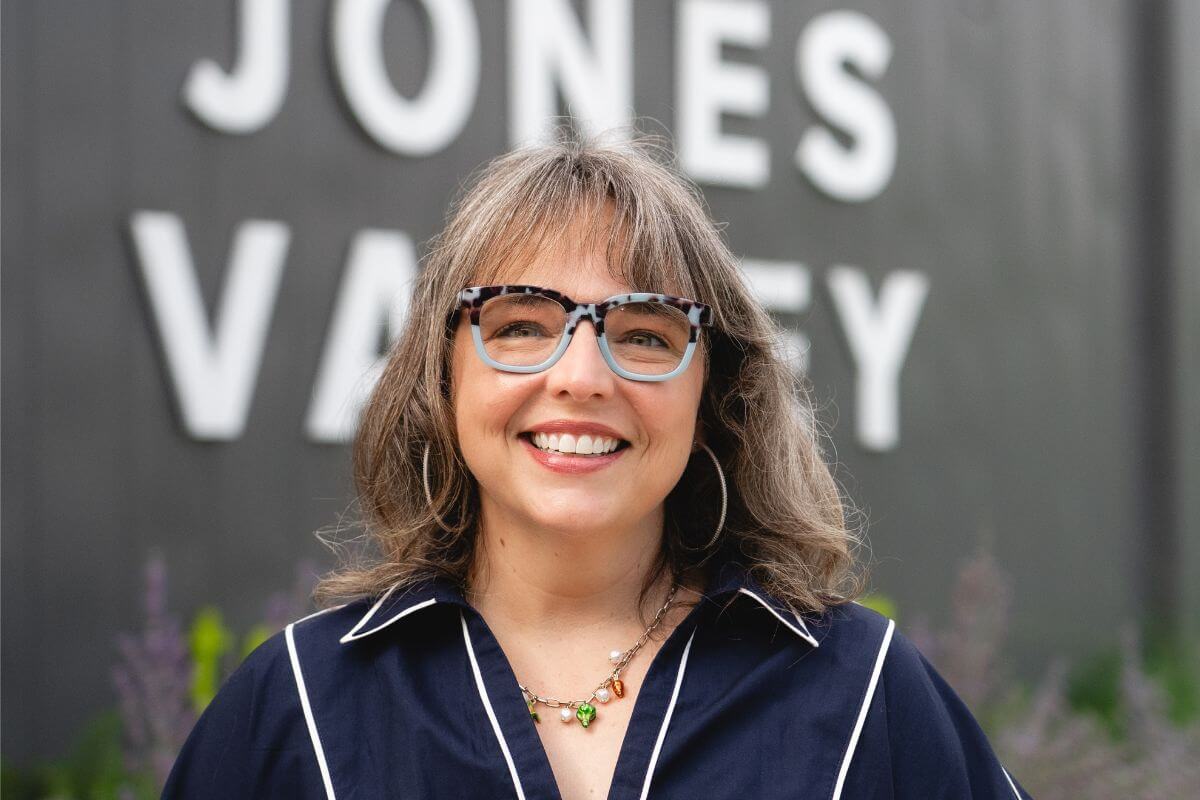
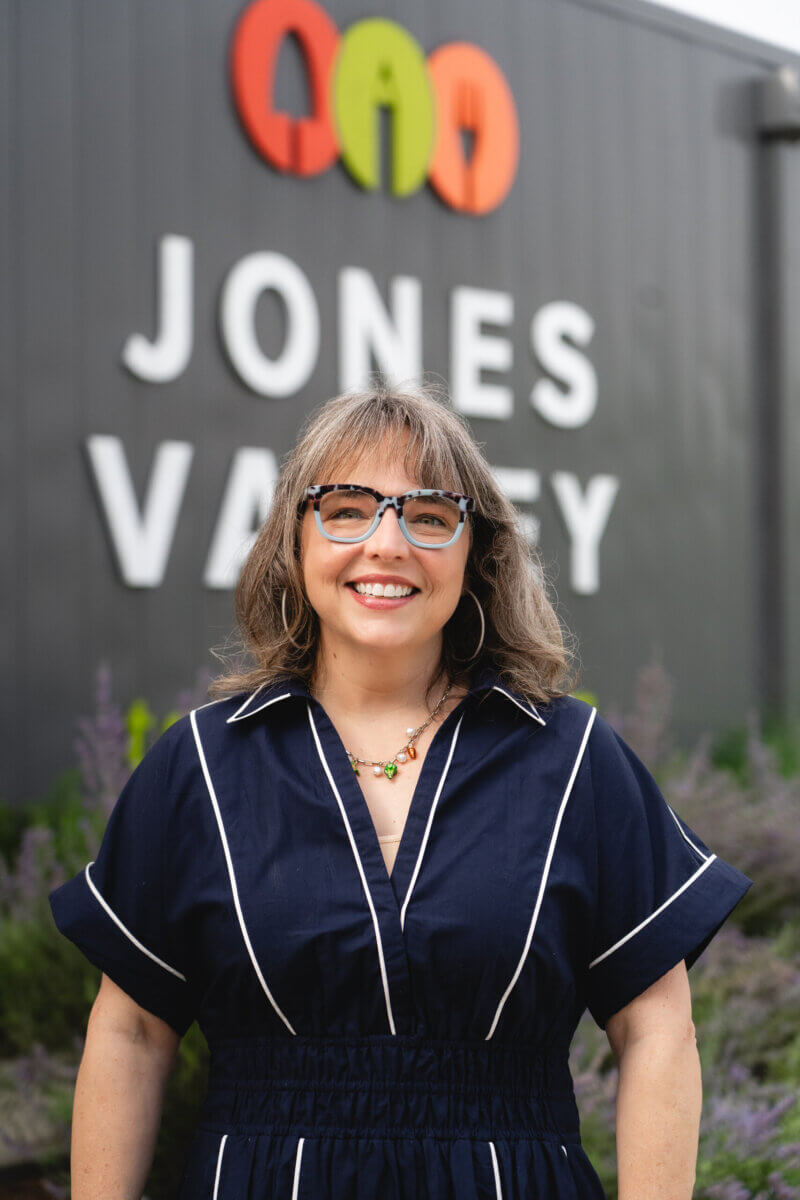
From its urban farm in the heart of downtown Birmingham to its teaching farms on school campuses, Jones Valley Teaching Farm is committed to sowing seeds of food education for the next generation. And Executive Director Amanda Storey is leading the way. She helps thousands of kids and adults reconnect with food, farming, and their communities through field trips, camps, and workshops. We chatted with Amanda about her work, what she’s learned, and the joy that comes from watching things grow — both in the field and in life.
How did you get involved with Jones Valley Teaching Farm?
My passion for the connection between food and community began during my years working as a journalist at Southern Progress Corporation, where I worked for publications including Southern Living, Health, and Cooking Light.
After my department was eliminated in 2008, I started volunteering with Jones Valley Teaching Farm, helping with marketing and communications in exchange for a weekly box of vegetables from the farm’s CSA. That box became the inspiration for my food blog, FoodRevival, and the experience eventually led me to roles at United Way of Central Alabama and the Community Food Bank before returning to Jones Valley full-time.
Are you a natural gardener?
No! I have so much appreciation for the people who grow our food and am in awe of their talents, persistence, resiliency, and love for the process. That’s what makes Jones Valley so special. You don’t have to be an expert gardener to feel like you belong.
Tell us about the Good School Food framework. How does it help Jones Valley connect students to farming?
Good School Food is the heart of what we do. It’s a hands-on, food-based education framework that uses food, farming, and the culinary arts as a foundation for learning.
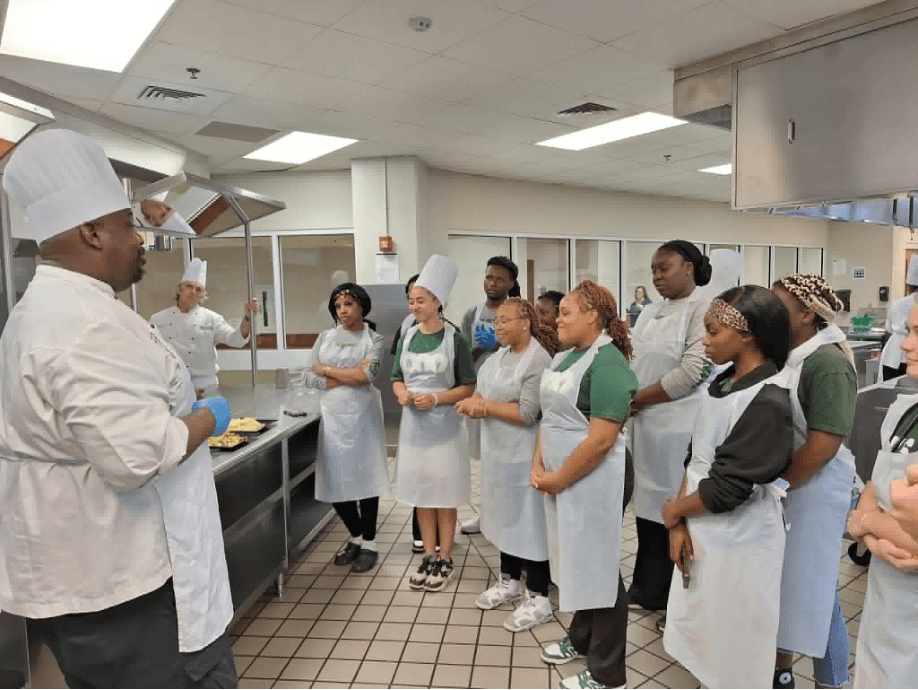
Rather than treating farming as a standalone subject, our instructors work alongside teachers to integrate food into lessons across science, math, English language arts, social studies, health, and art. Every lesson aligns with Alabama’s academic standards, giving students meaningful, real-world experiences that reinforce what they’re already learning in the classroom.

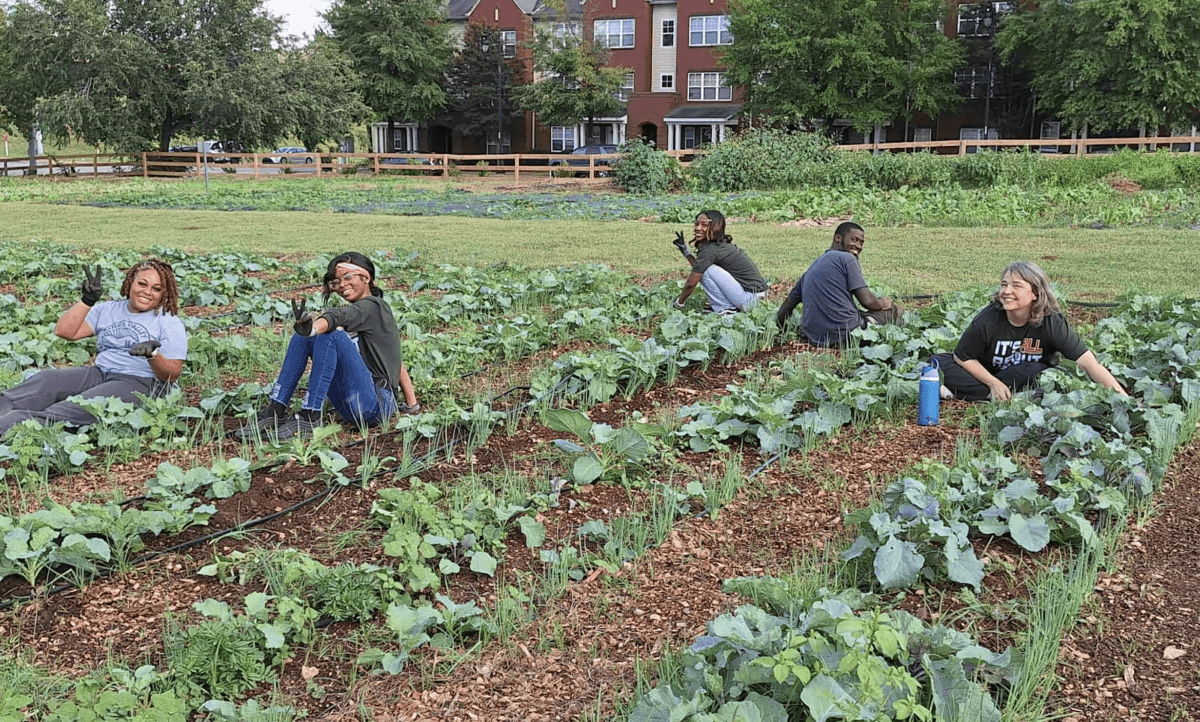
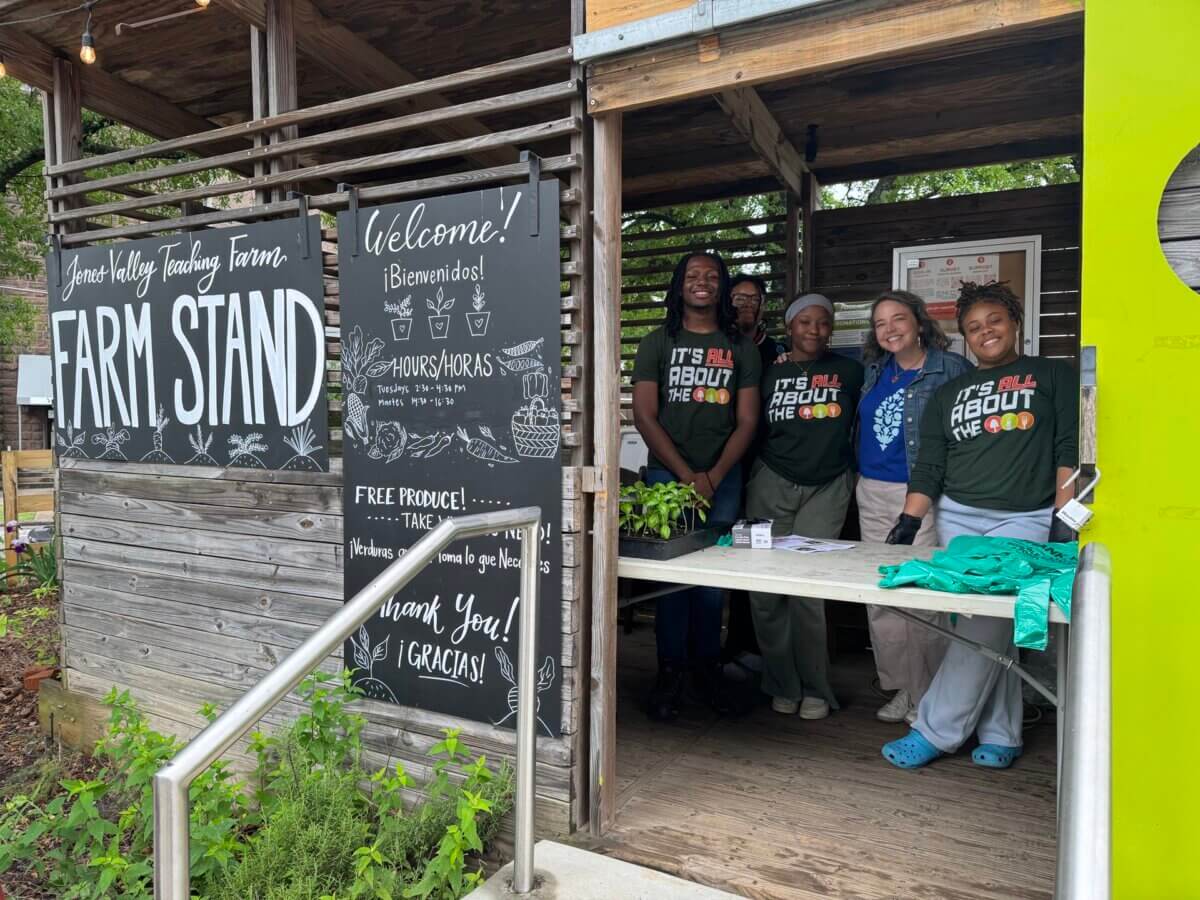
Our Teaching Farms become living classrooms where students grow, harvest, cook, and share food while building skills in leadership, teamwork, and environmental stewardship. In addition, we believe in creating pathways for young people via paid internships for juniors and seniors, as well as a paid apprenticeship for college students over the summer.
What do you love most about the farm?
My favorite thing about the farm is that it illustrates growth on so many different levels. You see the growth of a city and the transformation of land that many people might have overlooked.
There’s something incredibly beautiful about seeing food grow in the middle of downtown, surrounded by buildings, concrete, highways, railways, and so much more.
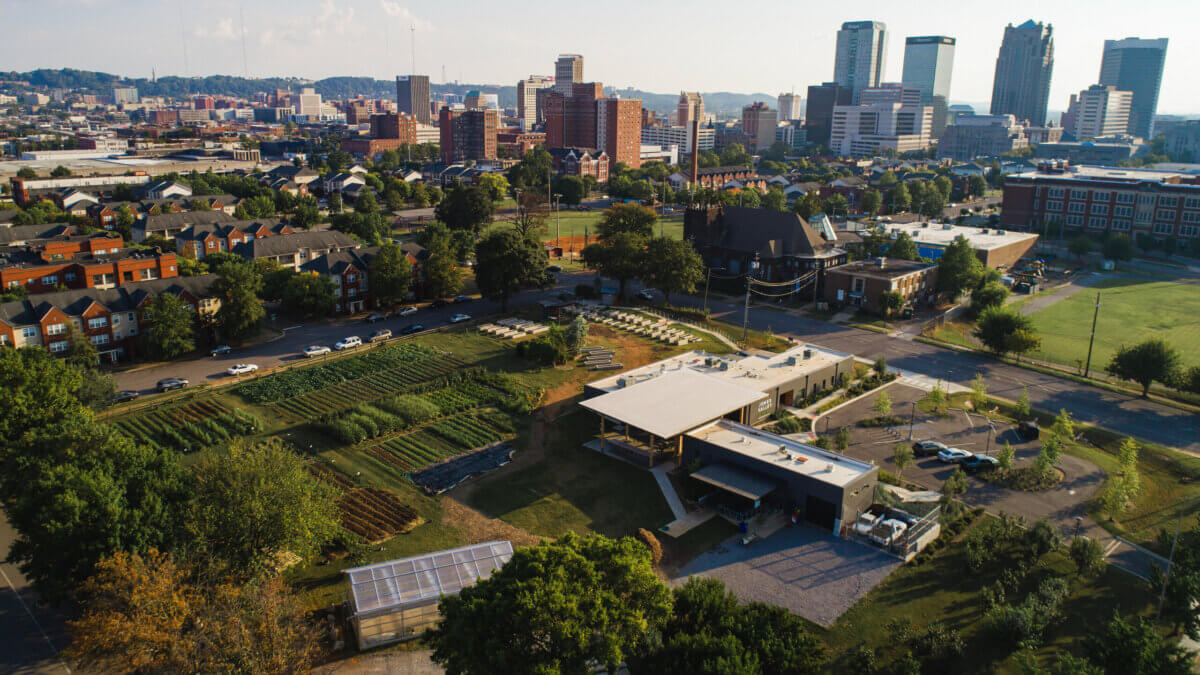
You also see growth in people. You watch students develop through their experiences with us, and you see participants in our Good Community Food Fellowship come in knowing very little or a lot about farming and leave committed to sharing that skill with others.
What are your dreams for the farm in the coming years?
Our dream is to reach as many young people as possible. Of course, we want to strengthen intergenerational connections and engage the broader community, too, but our core vision is that every child is reconnected to their food source and the land.
We want every young person to have the skills to grow, cook, and share food with their community. Centering our work with young people allows us to center food in their lives and create the kind of generational change to make our communities resilient and better able to care for ourselves and each other.
What’s your top tip for new gardeners wanting to grow something they can eat at home?
Don’t be afraid to mess up.
I think the biggest fear people have is that they’re going to fail. We are a teaching farm, and we know growth comes from taking risks. Sometimes you have to fail before you learn how to do something better. If something doesn’t work, don’t see yourself as a failure. Figure out what happened and try again. These are the lessons young people are getting every day in our teaching farms, and adults need to remember them, too!
I’d also encourage people to participate in our Good Community Food Program or attend one of our workshops. Jones Valley Teaching Farm is a place for everyone — you don’t have to be an experienced gardener to belong here. Our goal is education, so jump in and give it a try.
Even struggling to grow something gives you a deeper appreciation for our food system and for the farmers who work every day to keep all of us fed.
What do you like to do when you’re not working?
I love to cook. Cooking forces me to put down my phone, step away from email, and focus on one thing. I don’t listen to music or podcasts while I cook — it’s completely quiet. I love that it’s a process with a clear beginning and end, and that, at the end of it, someone gets to experience joy from something I’ve made. That brings me a lot of joy as well.
Who or what is inspiring you right now?
I’m constantly inspired by Maria Popova, who writes The Marginalian. I return to her work often because it explores the deeper meaning behind why we’re here and how we live. It continually fills me with wonder and joy. I’m also deeply inspired by the young people we get to work with every day. They constantly remind me to stay curious and hopeful.
What is your best piece of advice?
I don’t think I have any grand wisdom to offer. We’re all just doing the best we can with what we know. The quote that guides me every day is from Dr. Maya Angelou: “Do the best you can until you know better. Then when you know better, do better.”
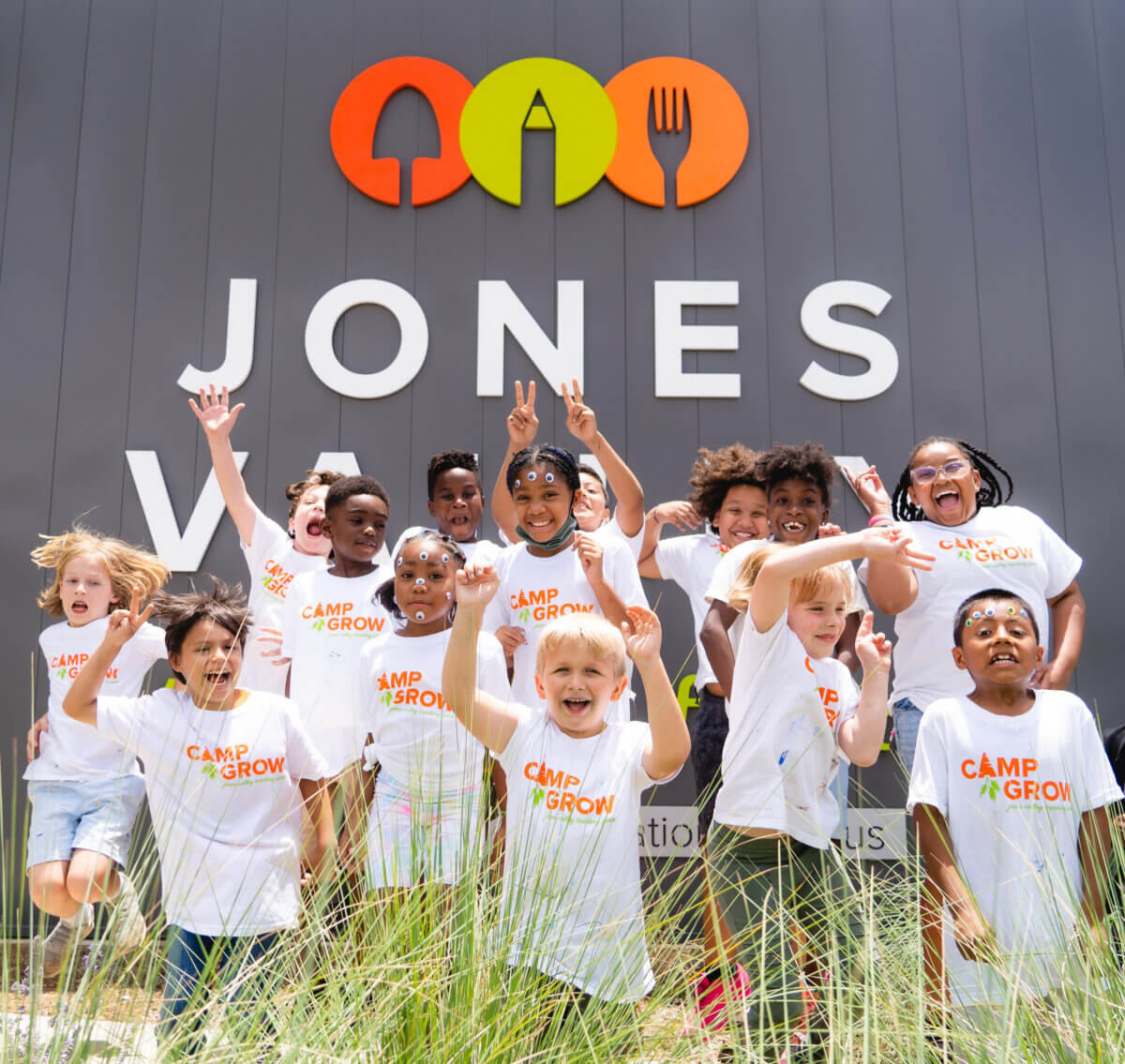
I also believe that, especially as adults, we can lose our sense of joy, curiosity, and wonder. Those childlike qualities shouldn’t disappear as we get older — they’re part of what helps us endure difficult times. My best advice is to hold on to those parts of yourself. Keep looking at the world with curiosity and wonder, and create the kind of spaces and opportunities that allow children to do the same.
LIGHTNING ROUND!
Favorite food to grow: Sungold tomatoes
Last delicious local meal: Our Camp Grow Lunch by Chef Ama
Favorite place to vacation: Iceland
Favorite recent TV show binge: The original Little House on the Prairie and The Morning Show
Book(s) on your bedside table: Traction by Gino Wickman and The Parable of the Sower by Octavia E. Butler
Three things you can’t live without: New York Times games (Wordle, Connections, Strands Mini, Midi, and Daily Crossword — in this order), Dr. Maya Angelou’s quotes, and Glazed Lemon Loaf Tea before bed. Bonus answer: Nugget ice!
This article contains product affiliate links. We may receive a commission if you make a purchase after clicking on one of these links.
**********
Birmingham women are doing inspiring work. Meet more of them over at our FACES archives!

Katie Leigh Matthews
A Birmingham native, Katie is a lifelong waterfall chaser and is passionate about the outdoors. She also loves connecting with remarkable women in the Birmingham community and bringing their stories to life. Katie has been writing professionally for over six years; you can find more of her work at Moms.com and Islands.com.