

How To Be a Good Friend to Someone With Cancer
At a loss for what to do when your friend is diagnosed with cancer? We spoke with cancer survivors, caretakers, family members and medical professionals to find out their suggestions for navigating this sensitive time.

What should you say (or not say)?
I think people are sometimes nervous that they will say the wrong thing, so they don’t say anything. That is the worst thing you can do for someone fighting cancer because it is powerful to know that you have a whole army behind you.
— Kirstin Hoff, cancer survivor, Founder and Artist of Chick4aCause
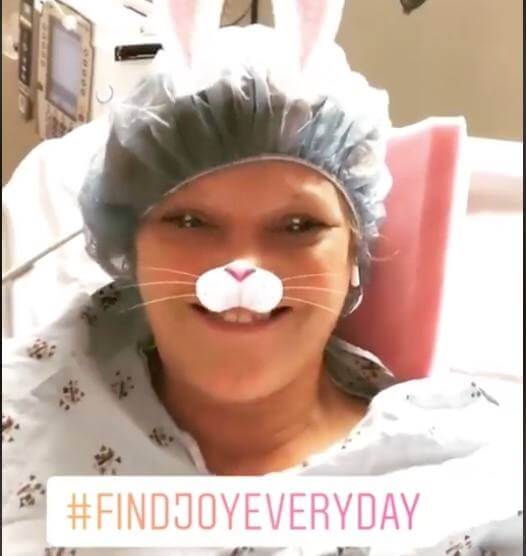
— Suzie Cooper, cancer survivor, 1st Vice President of UAB Volunteer Services Angel Squad
Just being with someone without saying a word can be the reassurance they need. Let the person guide you as to how much they want to discuss details of their diagnosis.— Emily Thomas, Founder and Executive Director, The Cancer Card Xchange
— Avi Madan-Swain, Ph.D.; Caroline Davis, MS; and Christina D’Angelo, MA, Children’s of Alabama
You can say, “We are praying and thinking about your family during this time.” Do not say, “You know there is treatment they can do with ‘natural medicine.’”— Jenny Landstreet, parent of cancer survivor at St. Jude Children’s Research Hospital
It is important for friends and family to know that every cancer is different. Every treatment is different. It usually isn’t helpful to share too much about your own personal experience with chemotherapy or radiation. Your experience may not be relevant to your friend’s experience at all. Even worse is offering insight found on the internet. The best thing the family can do is to rely on us to give them clinical advice.— Arash Rezazadeh, M.D., medical oncologist, Norton Cancer Institute
Keep things positive and encouraging — it is not the time to focus on anything negative. Sometimes it’s hard to find the right words to say, but we can always listen and show kindness. I think those are the very two things that helped me the most.— Allison Norris, cancer survivor and former patient at UAB Comprehensive Cancer Center
“Please let me know if there is anything I can do” is a phrase I have heard more times than I can count. A better idea is this: “I have lasagna for four in my freezer with your name on it. Let me know when you hit a dinner-less evening, and tell me a time. I will leave it on your doorstep — no need to dress or let me in.”— Suzie Cooper, cancer survivor and 1st Vice President of UAB Volunteer Services Angel Squad

— Emily Thomas, cancer survivor, Founder and Executive Director of The Cancer Card Xchange
Don’t tell the patient why you think that they have cancer. Also, please don’t tell the patient and caretaker that there has to be a cure, and all of these drug manufacturers are just making money off chemo drugs and cancer treatments. Treatment is a personal choice for everyone.— Heidi Fuller, cancer survivor and owner of Awakenings Boutique
What should you bring or send?
Children and adolescents love to receive blankets, fun pillowcases, arts and crafts activities, card games and board games to keep them busy and distracted while receiving their cancer treatment. Even more importantly, though, bring yourself, and offer to play with them or do a craft together. Often your time and positive energy are a welcome break from the monotony of the hospital. Also, don’t forget the siblings! Often siblings of children with cancer spend many days and nights in the hospital room with their family — bring a special gift to let them know you are thinking of them too.— Avi Madan-Swain, PhD., Caroline Davis, MS, and Christina D’Angelo, MA; Children’s of Alabama
Cancer planners are a thoughtful gift that will be used. There are many planners that are great for keeping detailed information such as details about surgeries, medications, chemo drugs, doctor visits and other notes. Also, care packages that are filled with inspirational items and products that will help them feel comfortable like blankets, pillows, recovery and healing items.— Heidi Fuller, cancer survivor and owner of Awakenings Boutique
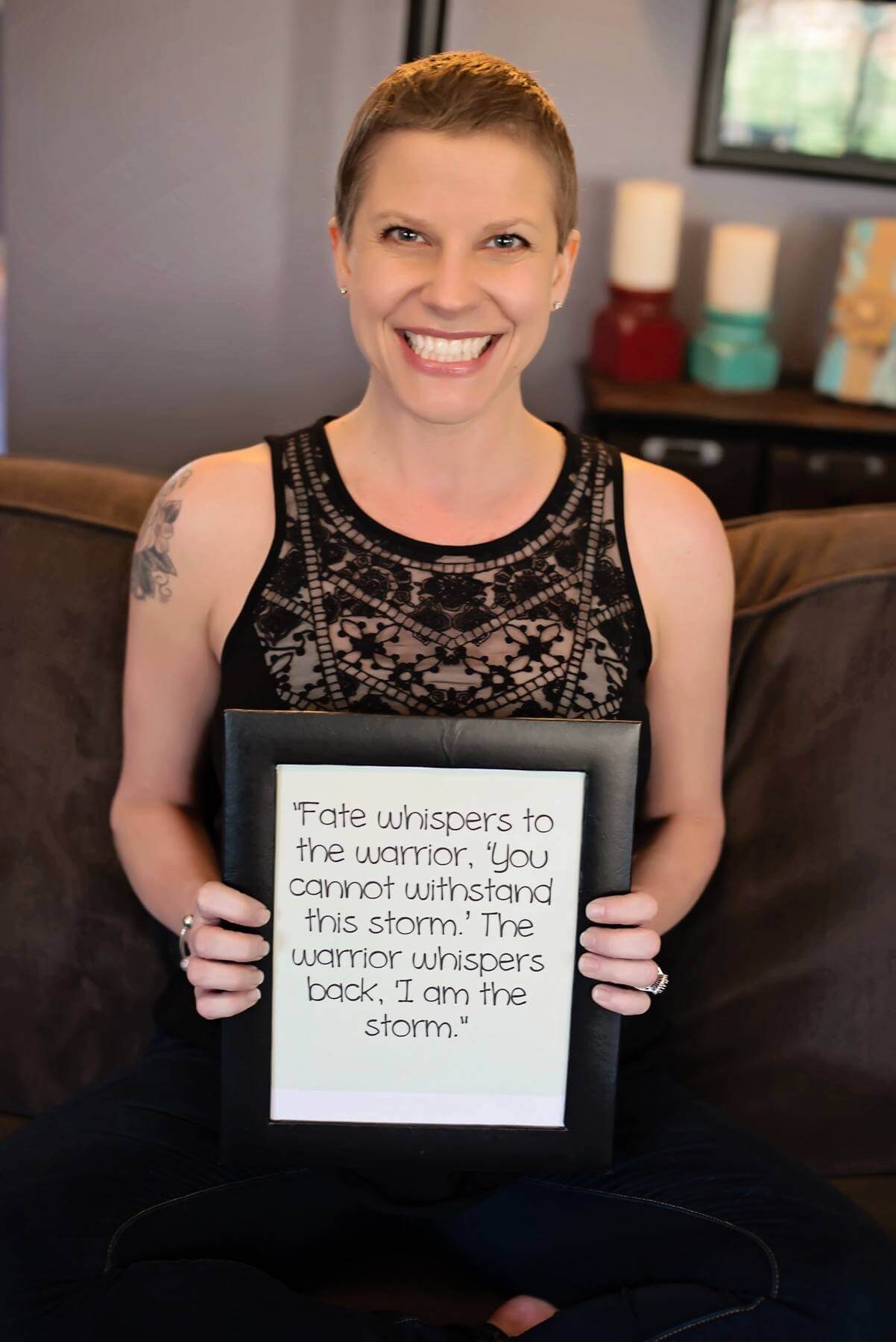
— Kirstin Hoff, cancer survivor, Founder and Artist of Chick4aCause
Products for dry mouth, journals, comfy socks and magazines are nice. I received an unbelievable number of cards. Some people sent at least one per week for months. They certainly brightened my day!— Paula Miller, breast cancer survivor and former patient at Norton Cancer Institute
Check with the family before bringing food — sometimes hospitalized children cannot eat for a variety of reasons, so bringing their favorite meal can quickly become a source of disappointment or frustration. When in doubt, bring a cheerful attitude, a helping hand and a new game or two to distract the family and brighten their day!— Avi Madan-Swain, PhD., Caroline Davis, MS, and Christina D’Angelo, MA; Children’s of Alabama
Stay away if you could be sick. Send them a card.— Jenny Landstreet, parent of cancer survivor at St. Jude Children’s Research Hospital
I really appreciated my friends keeping in touch with me through phone calls, video calls, text messages and emails. I also really liked when they visited me in the hospital! It made me happy when people tried to bring “a bit of home” to me in the hospital. I liked when they would bring pictures of family, friends and pets or special blankets from home and also when they’d bring traditions — like Elf on the Shelf — right to my hospital room!— Cancer survivor and former patient at Children’s of Alabama
Besides food and gifts, what can you do to be supportive?
Fatigue is a significant aspect to any cancer treatment. Ways to relieve pressure vary per patient. However, many times, it is the everyday duties that become difficult to complete whether due to fatigue or not enough time to complete such duties secondary to doctors’ appointments, physical therapy, cancer rehabilitation appointments, etc. Therefore, ways to relieve pressure from the patient and caregiver include cutting grass, grocery shopping, house cleaning and assistance with the upkeep of home and family duties, such as taking kids to school and extracurricular activities.— Gina Morrison, RN, BSN, OCN, Oncology Patient Navigator – Survivorship, Norton Cancer Institute
My church group, not asking but doing by taking over three meals per day; After surgery, a friend came to wash my hair; and my sister sitting with me during chemo, taking the time (away from her four kids and husband) to listen.— Heidi Fuller, cancer survivor and owner of Awakenings Boutique
— Suzie Cooper, cancer survivor and 1st Vice President of UAB Volunteer Services Angel Squad
Help manage the patient’s phone texts.— Paula Miller, breast cancer survivor and former patient at Norton Cancer Institute
I liked when my school invited me to participate in activities like pep rallies if I was feeling up for it! It is hard to miss out on so much school, so anything they did to include me from home was great!— Cancer survivor and former patient at Children’s of Alabama
Time is the most valuable gift you can give someone. And keep things as normal as possible. I didn’t like being fussed over — regular, everyday activities can become very important.— Allison Norris, cancer survivor and former patient at UAB
Find the person who is closest to the person with cancer. It might be a parent, a best friend or a coworker. Go through them so that you fill a definite need. Dropping off practical items like laundry supplies, paper goods or snacks on a doorstep would be a great idea.— Emily Thomas, Founder and Executive Director, The Cancer Card Xchange
It helped so much when people would come to walk our dog.— Kirstin Hoff, cancer survivor, Founder and Artist of Chick4aCause
— Arash Rezazadeh, M.D., Medical Oncologist, Norton Cancer Institute
What can folks do for the main caretaker/family (often the person closest to the patient, which makes it also very hard on them emotionally, physically and psychologically)?
You can offer many of the same services that you may offer to the patient in order to help the caretaker during this time as it will relieve their stress and let them focus on the patient. You can also offer a listening ear, friendship, gift certificates for special services like a massage or special event to attend – one of the most helpful ideas is to offer to spend time with and take care of the patient so the caretaker can have time to themselves to care for their own needs – again, like respite and self-care.— Marsha Newton, Patient Navigator at Princeton Baptist Medical Center’s Cancer Center
Check in with the caretaker. Text and call. Do not be absent in their lives. Be a “sounding board” for their feelings and thoughts. Let them know that their feelings and thoughts are safe with you.— Heidi Fuller, cancer survivor and owner of Awakenings Boutique
Recognize all the stress and emotion the caretaker and family is also going through. Send them a card just as often.— Kirstin Hoff, cancer survivor, Founder and Artist of Chick4aCause
Simply give them a call and let them know you are thinking of them. Ask them how they are doing. Keep this up after the initial wave of post-diagnosis support fades. Often the support immediately after a child’s diagnosis is high and then wanes as time goes on. Continue to check in with the family throughout their (sometimes long) cancer journey to let them know you are there for them.— Avi Madan-Swain, PhD., Caroline Davis, MS, and Christina D’Angelo, MA; Children’s of Alabama
Apps & other digital platforms to support patients and their families:
“Cancer not only affects our physical bodies, but it also affects our minds. With that said, it is important to take care of our mental health as well,” says Gina Morrison, RN, BSN, OCN of the Norton Cancer Institute. Apps to help support the mind and body for both patients and families include:- Headspace
- Breathe2Relax
- Smiling Mind
- Calm
- Stop Breathe & Think (Kids)
- Daily Yoga
- Coloring Book for Adults
- New Horizon – Meditation and Relaxing Music YouTube channel
- Stress Management Strategies: Ways to Unwind YouTube video
- Mindfulness Made Easy YouTube video
***********
For more articles like this, check out our Health & Beauty section.
Lauren Helmer
Lauren Helmer is a writer, editor, and artist with a passion for food, the arts, interiors, and the people who create them.