
Blame Reese Witherspoon? How Boy Names Go Girl (and Never Come Back)
Ashley, Frances, Beverly, and Whitney were once exclusively male names. Discover why names migrate from traditionally male to traditionally female — but never the reverse. Image: iStock
I’ve always been fascinated by names. Maybe it’s because my name is one that has been passed down for hundreds of years on my mom’s side of my family, and I love that. It connects me to the past in a tangible and emotional way.
While thinking through the history of names, I’ve often wondered what happened to names more prevalent for men in my parents’ generation that have all but disappeared, at least for men. Frances, Meredith, Stacey, and Ashley were all once exclusively male names!
These names, which most of us now associate with our girlfriends, sisters, and daughters, once belonged solely to the boys’ club. It’s not just a random coincidence, either — it’s part of a documented cultural pattern that’s been happening for centuries.
Here’s the kicker: This gender shift almost always goes in one direction. A traditionally male name starts appearing on birth certificates for baby girls, thus beginning a slow migration. This name eventually becomes so “feminized” that parents stop using it for boys altogether.
Sociologists call this “gender contamination” (harsh term, I know), suggesting that once a name gets feminine associations, parents of boys dismiss it.
Beverly, Evelyn, Kelly, Leslie, Lindsay, Shannon, Whitney … all originally boy names!
Take Ashley — a common female name for the past few decades. This name started as an Old English surname meaning “ash tree clearing” and stayed firmly in the men’s department until the 1960s. Remember Ashley Wilkes in Gone with the Wind? It’s classic male Ashley. Fast-forward to the 1980s, and Ashley was topping the charts for girls while virtually disappearing for boys.
And Frances — originally from Latin for “Frenchman” (ironic, right?). The feminine spelling gradually overtook the masculine, with boys more likely to go by Frank these days. Meredith meant “great lord” in Welsh, while Stacey comes from Greek roots meaning “resurrection.”
The list goes on: Beverly, Evelyn, Kelly, Leslie, Lindsay, Shannon, Whitney — all originally boy names! This trend really took off in the 20th century as traditional gender roles started shifting.
What’s telling to me is how rarely names move in the opposite direction. In fact, I can’t find one name that has gone from primarily being a “female” name to a “male” name. When’s the last time you met a baby boy named Elizabeth or Charlotte?
This one-way street reflects something deeper about how we value gender in our society — once something becomes associated with femininity, it often loses status in the eyes of many. Many may eye-roll at this: “There goes another woman talking about how society is set up to diminish women. Blah, blah, blah.” But it’s hard to argue this societal take on names.
The name Reese is shifting in real time …

My middle daughter is named Reese. It’s a family surname, and like I mentioned at the beginning of this article, I love connecting family names to past generations. I did not realize how trendy this name was becoming when we named her in 2001. But, when considering the name, I definitely had the thought, Reese Witherspoon has this name, and she’s female. We aren’t the first to do this.”
But now I see the name Reese is predominantly given to girls. The overall name migration I’m talking about is happening here in real time.
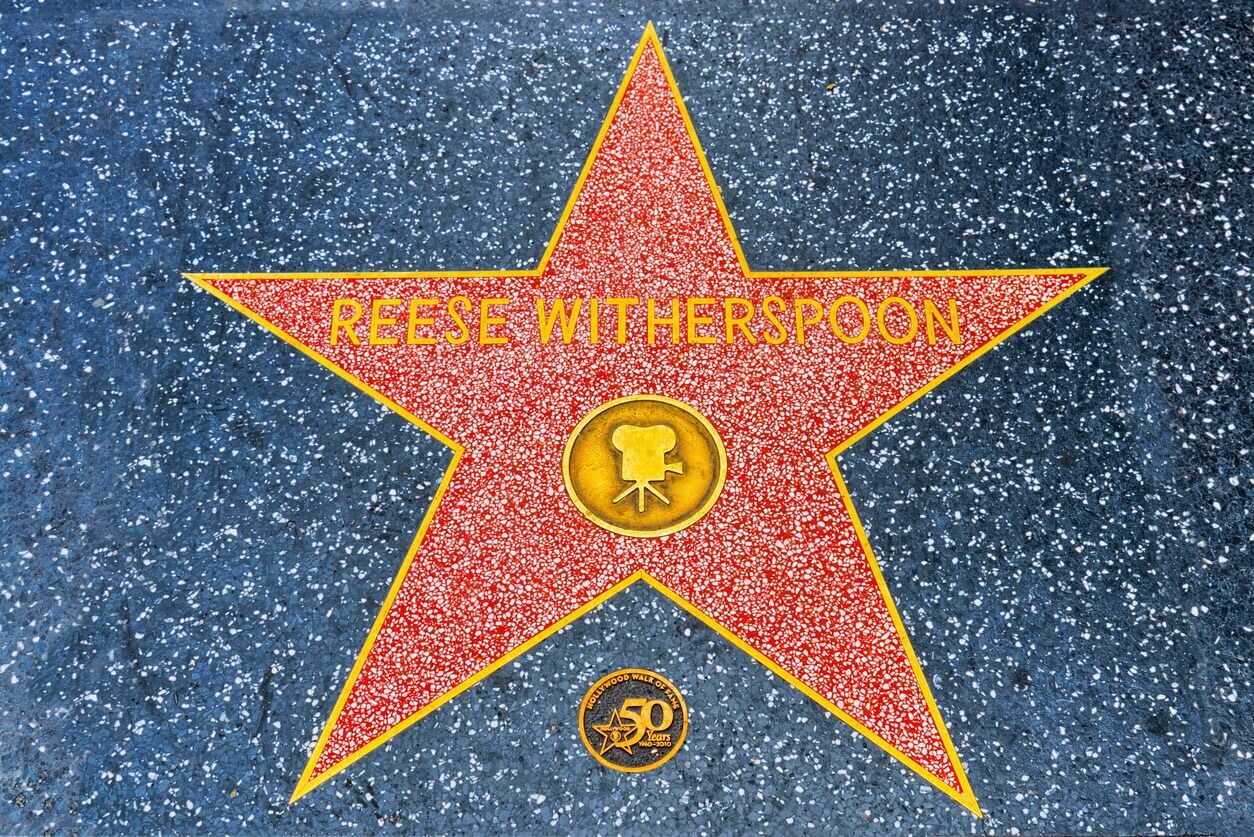
Reese was originally a Welsh surname (from “Rhys” meaning “enthusiasm”). It was given almost exclusively to boys until the 1990s. And yes, that famous “Reese” seems to be the catalyst that changed everything. As Reese Witherspoon’s star rose in Hollywood, so did the name’s popularity for baby girls.
The statistics tell the story dramatically: In 2000, about 650 baby boys in America were named Reese while fewer than 100 baby girls received the name. By 2010, the tables had turned, with approximately 850 girls to 550 boys. Fast-forward to 2023, and the ratio stands at nearly 5:1 in favor of girls (about 1,400 girls to 300 boys annually). In 2023, “Reese” was the 168th most popular name for girls but had fallen to 811th for boys.
And, this shift has happened over just two decades compared to the centuries-long migrations of names like Frances. The traditional Welsh spelling “Rhys,” meanwhile, remains predominantly male, showing how even spelling variants can resist the feminization tide.
Next time you’re debating baby names (or just playing the name game over brunch with friends), remember that today’s firmly feminine name might have been yesterday’s decidedly masculine moniker. And who knows what changes the future might bring?
**********
Enjoy a fun “me moment” in your inbox each day – sign up for StyleBlueprint emails!

Liza Graves
As CEO of StyleBlueprint, Liza also regularly writes for SB. Most of her writing is now found in the recipe archives as cooking is her stress relief!