
This BHAM Doctor Fights for Women’s Lives Every Day
October may be Breast Cancer Awareness Month, but working towards a cure is a year-round job for Dr. Erica Stringer-Reasor. Learn what keeps this leading UAB researcher, physician, professor, and mom of three motivated. Image: UAB
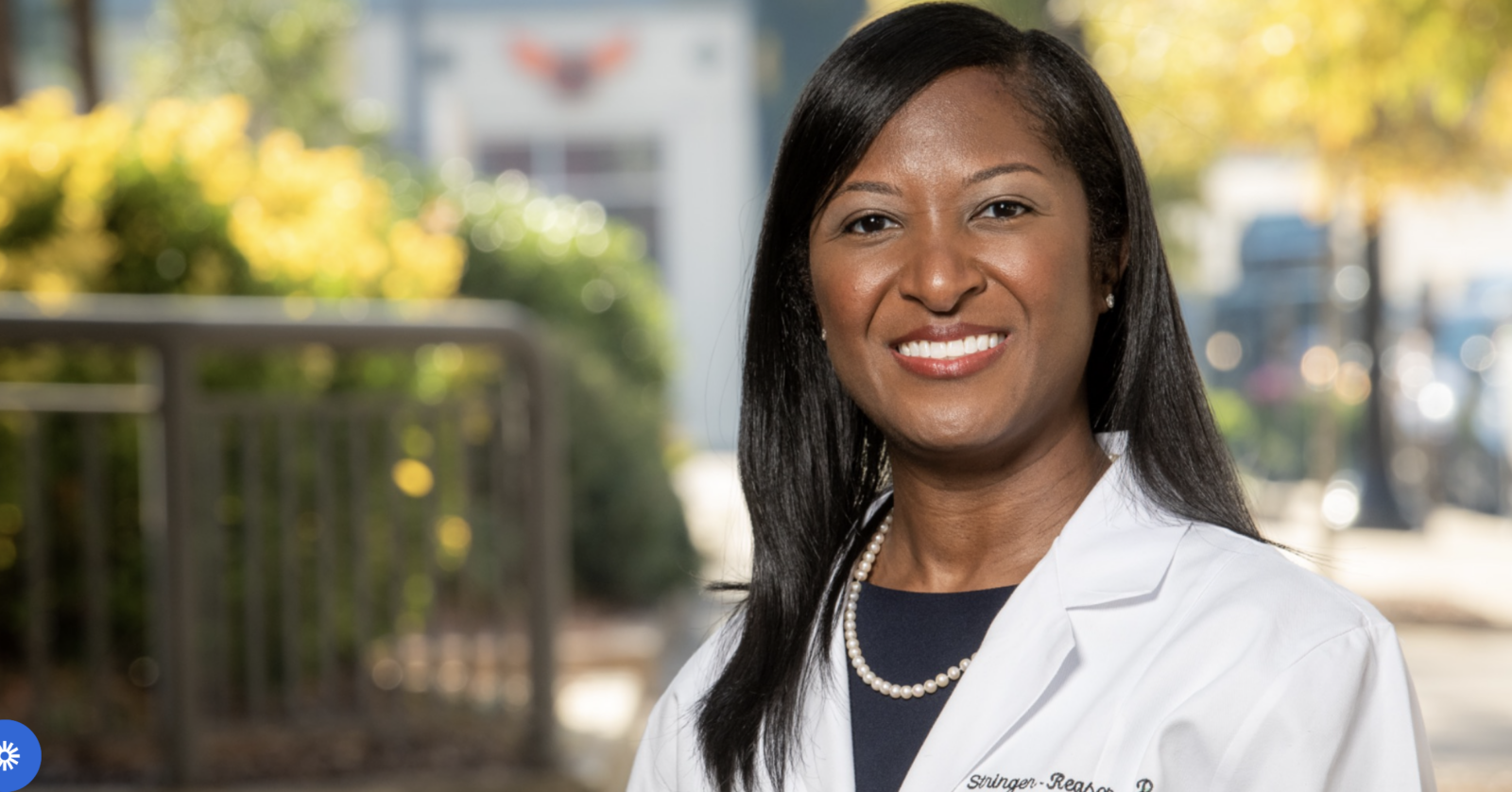
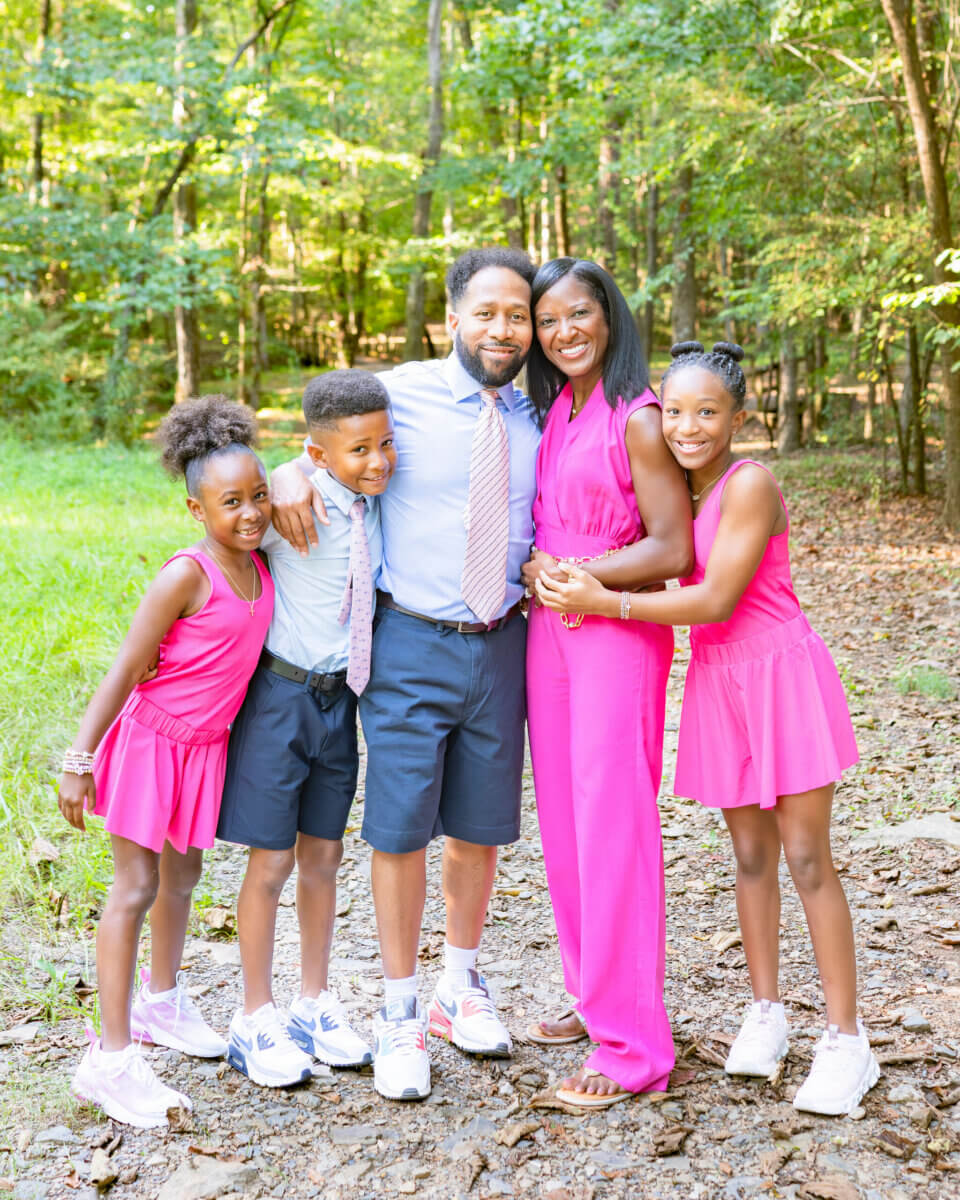
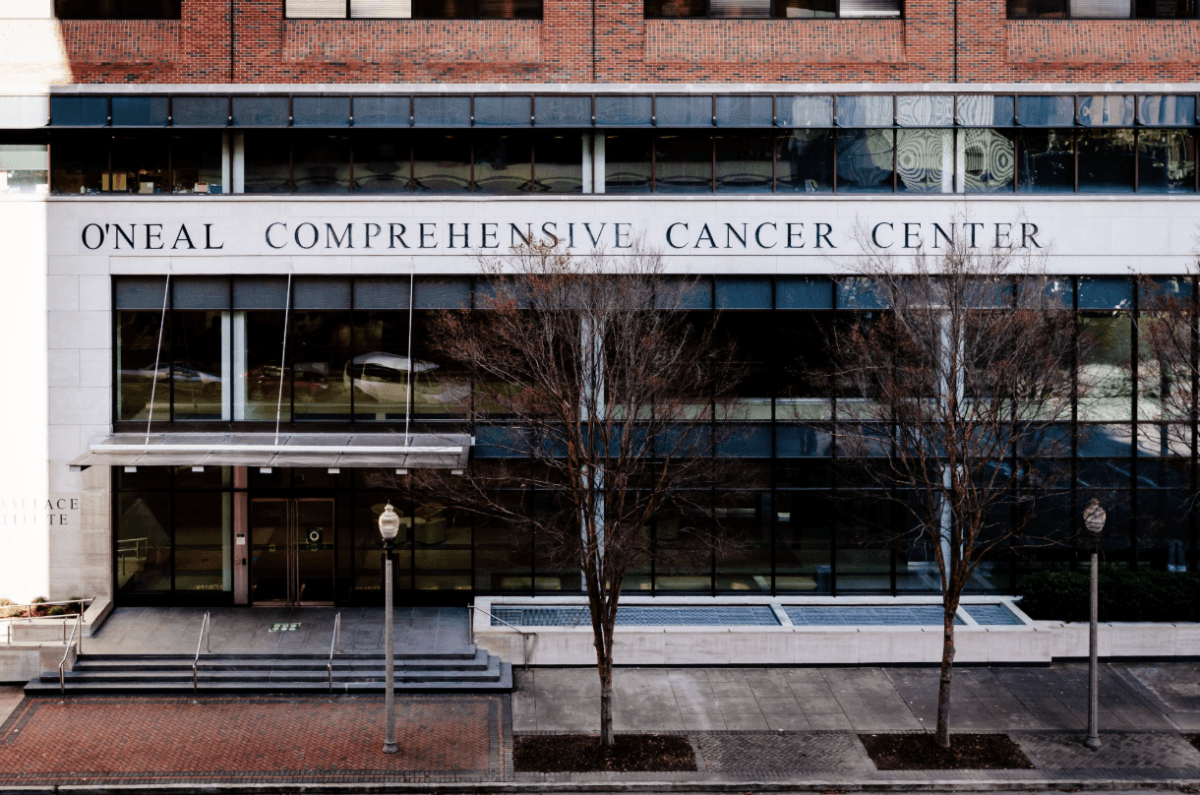
Balancing a demanding medical career with pioneering cancer research, teaching, and managing a household with three children is no small feat. But for UAB physician, associate professor, and director of the breast cancer program at the O’Neal Comprehensive Cancer Center, Dr. Erica Stringer-Reasor, it’s just another weekday. We caught up with Erica, who shares the deeply personal motivations that drive her work and lets us in on the one piece of advice that keeps her moving forward.
Did you always know you wanted a career in medicine?
I didn’t! Throughout high school, I imagined myself pursuing a career in law. However, medicine was always present in my life through my mother, who worked as a nurse. She would often come home and share stories about her experiences with patients and their families. My sisters and I were fascinated by the genuine connections she formed and the trust patients placed in her during some of their most vulnerable moments.
At the end of my junior year of high school, I began volunteering at a local hospital. That experience allowed me to see firsthand that healing extends beyond treating a disease or addressing a physical symptom. I witnessed how a compassionate conversation, a reassuring presence, or simply taking the time to listen could profoundly affect patients and their families. I began to understand that the human connection my mother had described was an essential part of caring for others.
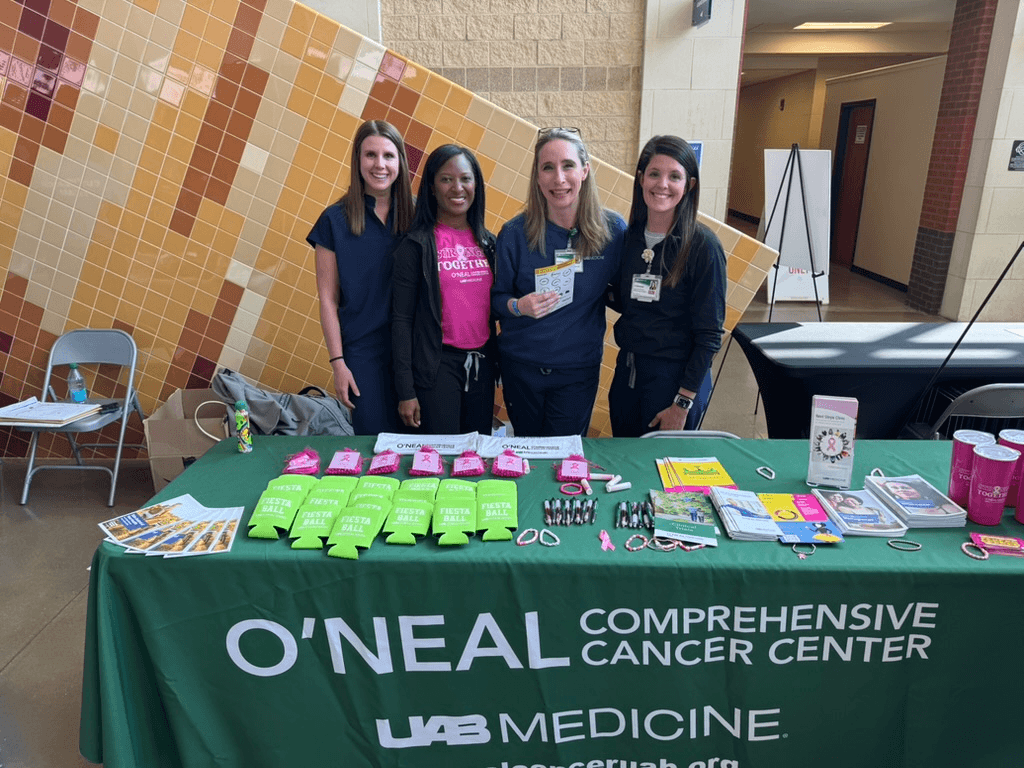
My experiences in the hospital changed the way I viewed medicine and ultimately changed the direction of my life. I realized that I wanted a career that would allow me to combine my interest in science with my desire to build meaningful relationships and serve people during some of their most challenging moments. That realization is what first led me toward medicine.
What drew you to women’s cancer research and treatments?
My commitment to cancer research and treatment is deeply personal. During college at Auburn University, I had a dear friend who served as my peer mentor on the pre-med track. She guided me through choosing courses and encouraged me to pursue summer programs to prepare me for medical school. Ultimately, we both attended the University of South Alabama College of Medicine.
Sadly, during medical school, my friend was diagnosed with advanced colon cancer. She was incredibly young to be facing an adult cancer diagnosis, particularly in the absence of a known family history. Watching someone I cared about navigate such a devastating diagnosis profoundly affected me and changed the way I thought about cancer. It made the disease no longer feel abstract — it became personal.
October is Breast Cancer Awareness Month. How do you feel during such big rallying moments like this?
Breast Cancer Awareness Month is an important opportunity to pause and remind everyone that education, prevention, and early detection can make a meaningful difference. While October brings a lot of national attention to breast cancer, I hope these conversations continue throughout the year.
Mammography remains an important screening tool, and understanding your personal and family history can help you have informed conversations with your healthcare provider about when and how you should be screened. I also encourage everyone to invest in their health and wellness now — not simply when a health concern arises. Maintaining healthy habits and being proactive about your health can help put you in the best possible position to face a health challenge if one occurs.
Most importantly, know your body, know your history, ask questions, and don’t be afraid to advocate for your health. Early detection can save lives, and awareness gives us an opportunity to act.
What would you say to a woman dealing with her own (or a loved one’s) cancer diagnosis?
First, I would want her to know that she’s not alone. A cancer diagnosis can be overwhelming, but there is also tremendous reason for hope. Breast cancer is highly treatable, particularly when detected early, and we have more treatment options than ever before. Advances in surgery, radiation, and systemic therapies are allowing us to personalize treatment and improve outcomes for our patients.
The pace of progress in breast cancer treatment has also been remarkable. In just the past two years, six new therapies have been approved for the treatment of breast cancer, and research continues to bring new options forward.
For women facing a diagnosis, I would encourage them to take things one step at a time, ask questions, and surround themselves with a trusted support system and medical team. For family members and friends, sometimes the most meaningful thing you can do is simply be present — listen, offer support, and remind her that she does not have to walk through this journey alone.
There are so many reasons for hope, and our understanding and treatment of breast cancer continues to evolve every day.
What has been your proudest career moment?
One was graduating from medical school and continuing a legacy of healthcare within my own family. My mother was a nurse, and my oldest sister is a physician, so I’ve been fortunate to grow up surrounded by people who demonstrated the privilege and responsibility that come with caring for others.
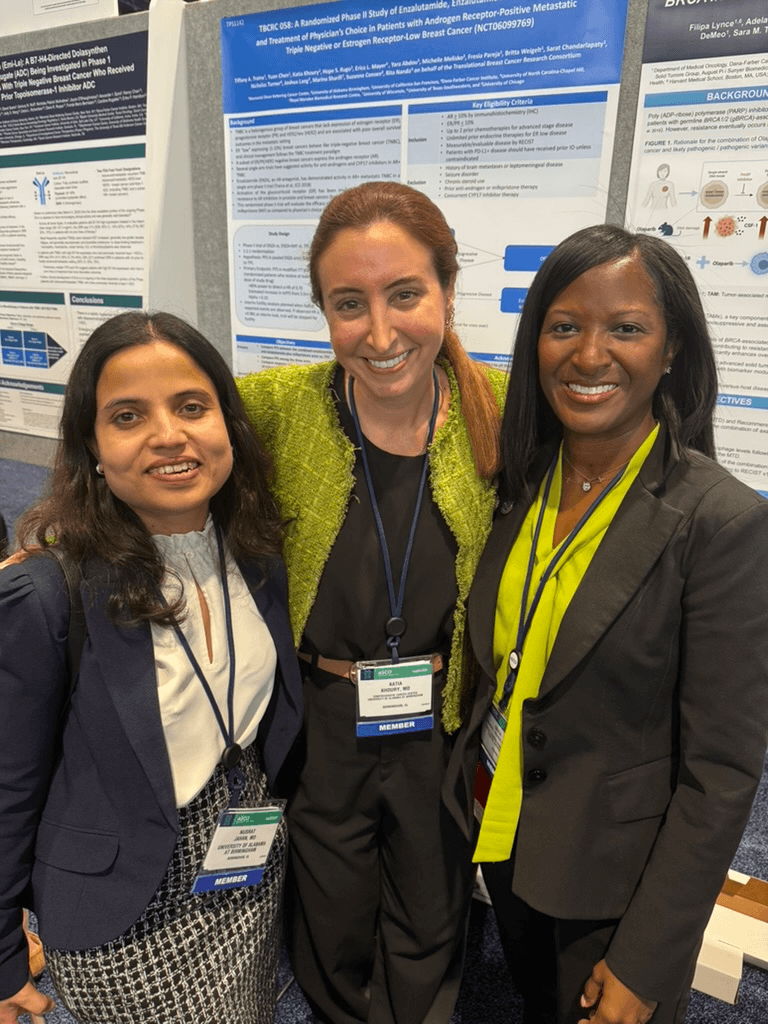
One area I am particularly passionate about is designing clinical trials that can translate scientific discoveries into meaningful advances in patient care. For me, there is something especially rewarding about taking an important scientific question, developing a thoughtful clinical trial to address it, and ultimately working toward treatments that can improve the lives of patients.
When I look back, I am proud not only of becoming a physician but also of finding a path that allows me to honor my family’s legacy while pursuing my own passion for research and innovation.
Do you think your children will follow in your footsteps?
My children all love science, and two of my three have expressed an interest in healthcare. I would certainly love for them to carry on the family tradition, but more importantly, I want them to find a career they are passionate about and enjoy.
What keeps you passionate about the work you do?
What continues to draw me in is the opportunity to make an impact at both the individual and the broader level. I really enjoy the research aspect of my career because the discoveries we make can potentially impact millions of patients. There’s something incredibly rewarding about asking important questions, pursuing new treatments, and knowing that the work we do today could change the way cancer is treated in the future.
I value the one-on-one relationships I develop with my patients and their families. Those relationships keep the work personal and remind me of the people behind the research. Being able to care for a patient while also working toward discoveries that could help countless others is what makes this career so meaningful to me.
The difficult moments are inevitable, particularly when caring for patients with cancer. I try to approach those moments with empathy, stay present for my patients and their families, and allow those experiences to reinforce why I do this work.
What is the best advice you’ve ever received?
“There is no elevator to success; you have to take the stairs.” — Zig Ziglar
For most people, success is built through consistent and intentional actions. It’s the daily and weekly actions that compound over time. What I have learned over the years is that this applies not only to your professional goals but also to marriage, parenting, exercise, cooking, and more.
LIGHTNING ROUND
Favorite Birmingham restaurant: Automatic Seafood
Go-to Birmingham shopping area: I enjoy the Summit!
Best book you’ve enjoyed recently: Theo of Golden by Allen Levi
This article contains product affiliate links. We may receive a commission if you make a purchase after clicking on one of these links.
**********
Inspired? Meet more Birmingham women in our FACES archives!

Erin Slay Wilson
Erin Slay Wilson is the Market Leader for StyleBlueprint Birmingham. She lives in the Crestwood neighborhood with her family and their golden retriever, Butter. When Erin isn't writing and building relationships within the community, she loves to read, go on walks around the city, garden, and scope out treasures at local antique malls.