

Healthy Smiles for Life: A Guide to Family Dental Care For Every Age
Taking care of your teeth is a lifetime commitment. Dr. David Roach of Nashville's Roach Family Dentistry offers dental health tips for every age and stage. Image: JBowman Creative
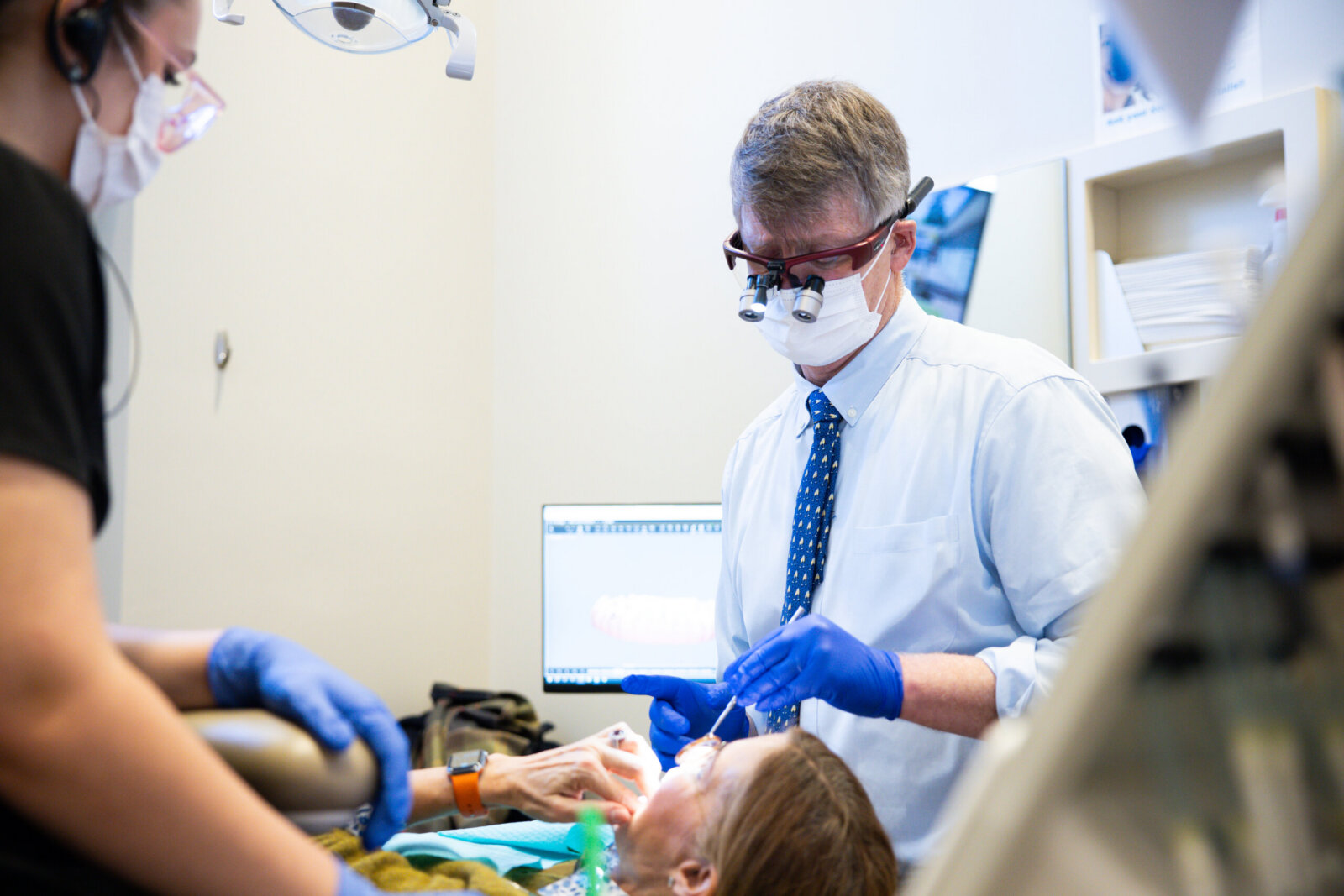
Taking care of your teeth is about more than just brushing three times a day. It is a lifelong journey that evolves over time. From establishing good habits in early childhood to preserving and protecting your teeth as you age, a proactive approach is key to maintaining good oral health. To help you smile through every stage, we asked Dr. David Roach of Nashville’s Roach Family Dentistry for dental health tips to keep your (and your family’s) teeth healthy, strong, and bright both now and for years to come.

Early Childhood: Build the Basics
Anyone who’s ever tried negotiating with a tired toddler over “tooth brushing time” knows it can be an uphill battle. But these are the years when good dental habits are established. The trick is to make it engaging. Dr. Roach recommends empowering young children by letting them pick out their own soft-bristled toothbrush and toothpaste flavor to get them excited about the process. You can also make it a family affair by brushing your teeth together or making a game of it.
“Make it fun and let them feel like they’re in control,” Dr. Roach advises, and adds that “praise goes a lot further than pressure at this age.”
By establishing routine and consistency in the formative years, you are building good habits that will help prevent cavities down the road.

“Cavities are almost always the result of gaps in a routine, not one bad day of eating candy,” Dr. Roach says. “Consistency — two minutes, twice a day, every day — is the single most important habit parents can instill.”
While it might be tempting to let your young child go it alone, Dr. Roach cautions that supervision remains essential until children reach age 7 or 8 (or can tie their shoes reliably).
“Because young children lack the fine motor skills to brush thoroughly, parents should perform a follow-up brush, particularly at night,” he advises.
When it’s time for that initial dental appointment, remember that first impressions matter. A negative experience can instill dental anxiety that can take years to overcome. Do your homework and find a dentist who is patient and understands the importance of making the visit enjoyable.
“A calm, unhurried first visit does more for a lifetime of good dental habits than almost anything else we do,” says Dr. Roach.
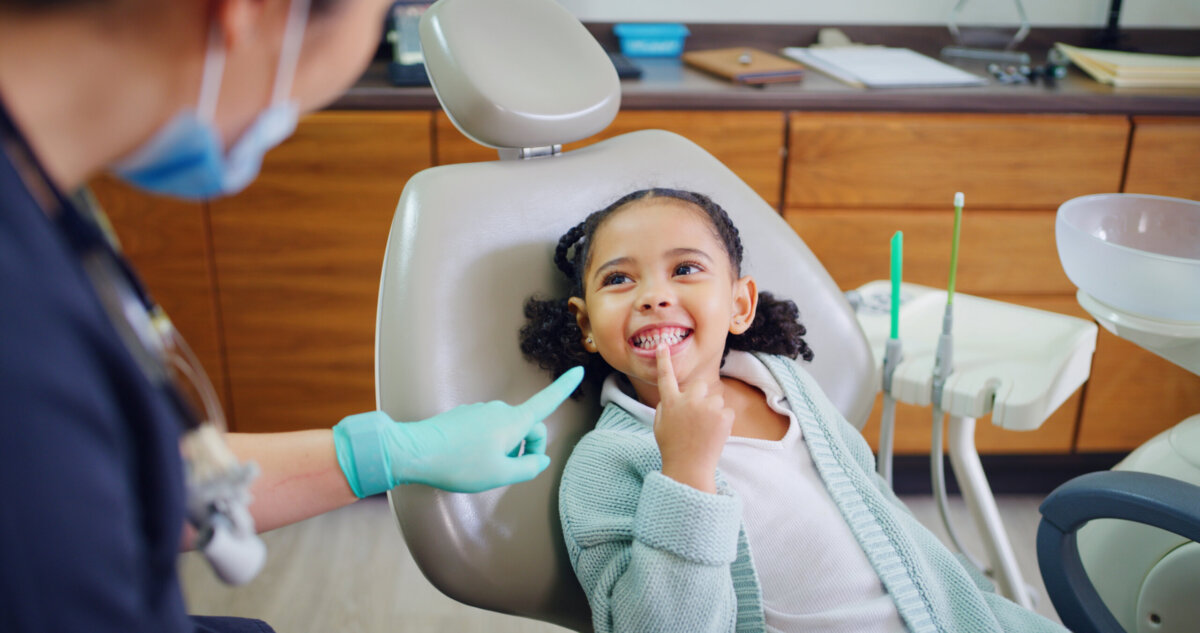
The Teen Years: Clean and Correct
If early childhood is where good habits begin, the teen years are where they pay off as children become more independent. If a regular dental routine is not in place, it becomes easier for teens to let things like brushing and flossing fall by the wayside.
“Once parents stop supervising, brushing time and quality often drop off, and busy schedules plus sports drinks, energy drinks, and snacking all day add up to more cavity risk than most teens realize,” cautions Dr. Roach.
To add to that risk, these are the years when orthodontic treatments begin, and braces and aligners create plenty of places for plaque to hide.
“Braces and aligners create more places for plaque to hide, so teens need to be more diligent, not less,” says Dr. Roach. “An interdental brush or water flosser helps get around brackets and wires, and clear aligner patients need to actually take their trays out to eat and drink anything other than water, then brush before putting them back in.”

It’s a lot of responsibility for a young person, and parental reminders (even when met with eye-rolling) can help keep your teen on track.
This is also the time to start keeping an eye on wisdom teeth. Regular X-rays can identify issues before they become a real problem. However, if your teen starts experiencing swelling, pain, or difficulty opening the mouth, Dr. Roach says these are things that need immediate attention rather than just monitoring.
Early Adulthood: Maintain and Modify
By now, maintaining good dental habits should come naturally, but it may be time to make some modifications. This is the time when people are starting careers, or starting families, or both! Between busy schedules and increased stress loads, the teeth can take a beating — often in the form of grinding and clenching. While that may sound harmless enough, Dr. Roach says it can lead to bigger issues.
“Watch for morning jaw soreness, headaches near the temples, flattened or chipped teeth, and heightened sensitivity,” he says, as those can all indicate you are wearing away at your teeth. Your dentist may suggest a night guard to help alleviate the problem and prevent things like TMJ.
For women, hormonal shifts during pregnancy can increase blood flow to the gums and cause inflammation and bleeding known as pregnancy gingivitis. Maintaining a strict regimen of brushing and flossing twice daily alongside routine dental cleanings is vital to safeguard maternal and overall health.
This stage of life often comes with increased intake of coffee, tea, and wine. Because these beverages are both acidic and staining, they may soften tooth enamel. So while it’s tempting to grab the latest whitening gadget, it’s wise to wait and talk to your dentist first.

“Avoid over-the-counter whitening kits with high concentrations of peroxide used too frequently, and steer clear of abrasive charcoal powders or baking soda scrubs that claim to whiten by scrubbing away enamel,” warns Dr. Roach. “A professional whitening treatment, or at least a consultation first, is much safer for your enamel long term.”
Mid-Life: Repair and Restore
By your 40s and 50s, fillings and crowns placed in your youth often reach the end of their lifespan. Regular checkups allow dentists to monitor older restorations for cracks, wear, or underlying decay before major issues develop.
Gums may also begin to recede during these mid-life years. Bleeding while brushing or flossing is an early warning sign of gum disease, often accompanied by tooth sensitivity or teeth appearing longer. Switching to a soft-bristled toothbrush and applying gentle pressure helps protect exposed areas.
“Once you notice recession, switch to a soft-bristled brush, be gentle rather than aggressive with brushing pressure, and see us more regularly so we can monitor and treat it before it progresses,” says Dr. Roach.
You may assume you’ve outgrown the risk of cavities by now, but that isn’t the case. Many common medications, including blood pressure treatments, antihistamines, and antidepressants, can cause dry mouth, which significantly increases cavity risk. To avoid new fillings, stay hydrated, chew sugar-free gum, and use alcohol-free rinses made specifically for dry mouth.
Senior Years: Preserve and Protect
A common misconception is that losing teeth is an inevitable part of aging. The truth is that with routine professional cleanings, early treatment for gum disease, and prompt attention to discomfort, most people can keep their natural teeth for life.
For seniors with reduced dexterity or arthritis, adaptive tools can simplify daily hygiene tasks. Electric toothbrushes with wider grips require less fine motor control, while floss picks, floss holders, or water flossers make interdental cleaning far more manageable.
And don’t forget to keep those regular checkup appointments. In fact, they may be more important than ever as the risk for oral cancer increases with age, and routine screenings are vital.
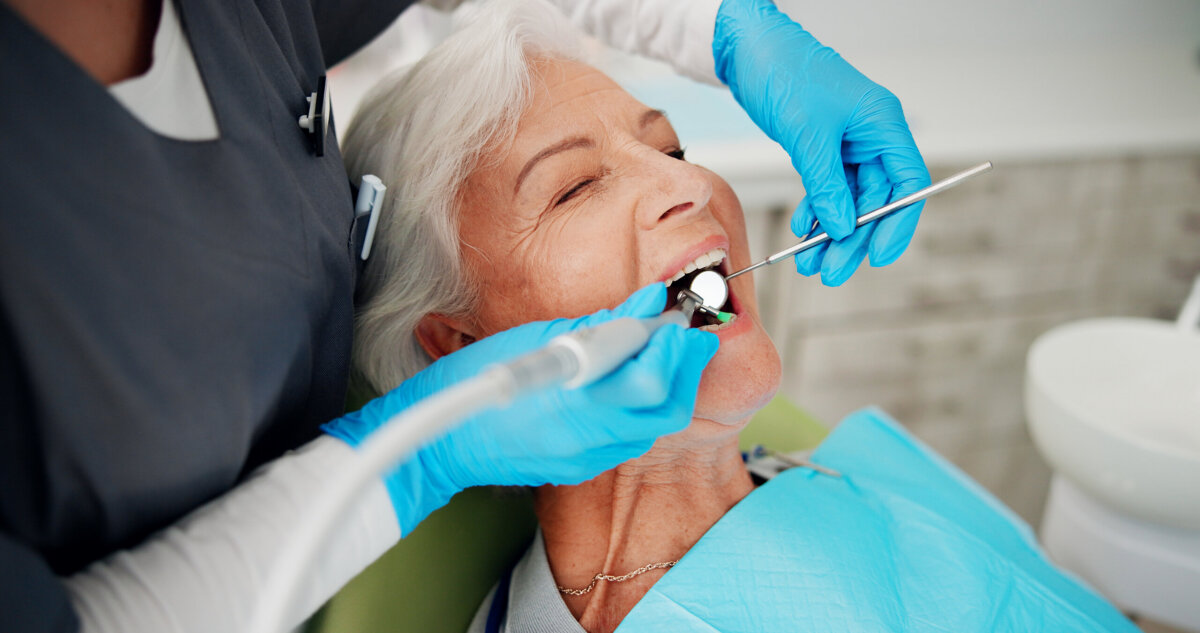
“Watch for a sore that doesn’t heal within two weeks, a persistent lump or thickened area, red or white patches in the mouth, or ongoing numbness or pain without an obvious cause,” Dr. Roach warns. “We do an oral cancer screening at every routine checkup, but catching something between visits and getting it checked early always makes a difference.”
Just like any other aspect of your health, your dental needs may change throughout your life, but the basics remain the same: consistent daily habits and regular professional care. Whether you are navigating your toddler’s very first appointment or protecting your natural teeth well into retirement, Dr. Roach and the team at Roach Family Dentistry are committed to providing compassionate, comprehensive care for every milestone. Because no matter your age, a confident smile never goes out of style.
Roach Family Dentistry is located at 3824 Bedford Ave., Nashville, TN 37215. To learn more, visit greenhillsdentist.net or call (615) 383-7801.
This article is sponsored by Roach Family Dentistry.

Bonny Osterhage
Bonny Osterhage is a professional journalist with more than 25 years of experience in both print and digital media. An avid fitness fanatic, when she isn't exploring the next trending topic, Bonny can be found cycling, running, and leading classes at SolidCore. Find more of her work at Mind Body Green, The List, Business Insider, and more.