

The Facelift Has Gotten a Major Rebrand
Thanks to celebrity news and social media, facelifts are at the forefront of conversations around aging and beauty. Have facelifts gotten "better," or has the stigma just dissipated? We spoke to experts about modern facelift techniques — and the culture of transparency they're watching evolve in real time. Image: iStock

Ten years ago, sharing that you’d had a facelift might have felt like dropping a major bomb into the conversation. But today, we’re living in an era of transparency. Celebrities are open about injectables, influencers document their aesthetic journeys, and the stigma around cosmetic surgery is fading.
The modern facelift is less about a drastic transformation and more about restoration. Surgeons and patients alike are focused on looking refreshed, not “done,” with procedures like the deep plane facelift leading the way.
We spoke to Dr. Don Griffin, a Board-Certified Plastic Surgeon at Nashville Cosmetic Surgery, about the shift in attitudes toward this formerly taboo topic. “While it’s true that facelift techniques have been refined over time, many of these ‘new’ techniques have actually been around for years,” he explains. “We just live in an age where people are talking about it more and are often more willing to talk about the work they’ve had done.”
That cultural shift has turned a once-whispered-about surgery into something more mainstream — just one more route to feeling confident in your skin.
Refinement, Not Reinvention
Modern facelift techniques build on decades of surgical evolution. Gone are the days of tight, windblown faces that looked stretched rather than lifted. Today’s surgeons understand the face in layers — skin, fat, muscle, and fascia — and approach each one differently to achieve natural movement and proportion.
“Patients today are far more informed, they’re coming in earlier, asking thoughtful questions, and prioritizing subtle, long-term results over dramatic, immediate change,” says Dr. Mark R. Murphy, a double board-certified cosmetic facial plastic surgeon in West Palm Beach, Florida.
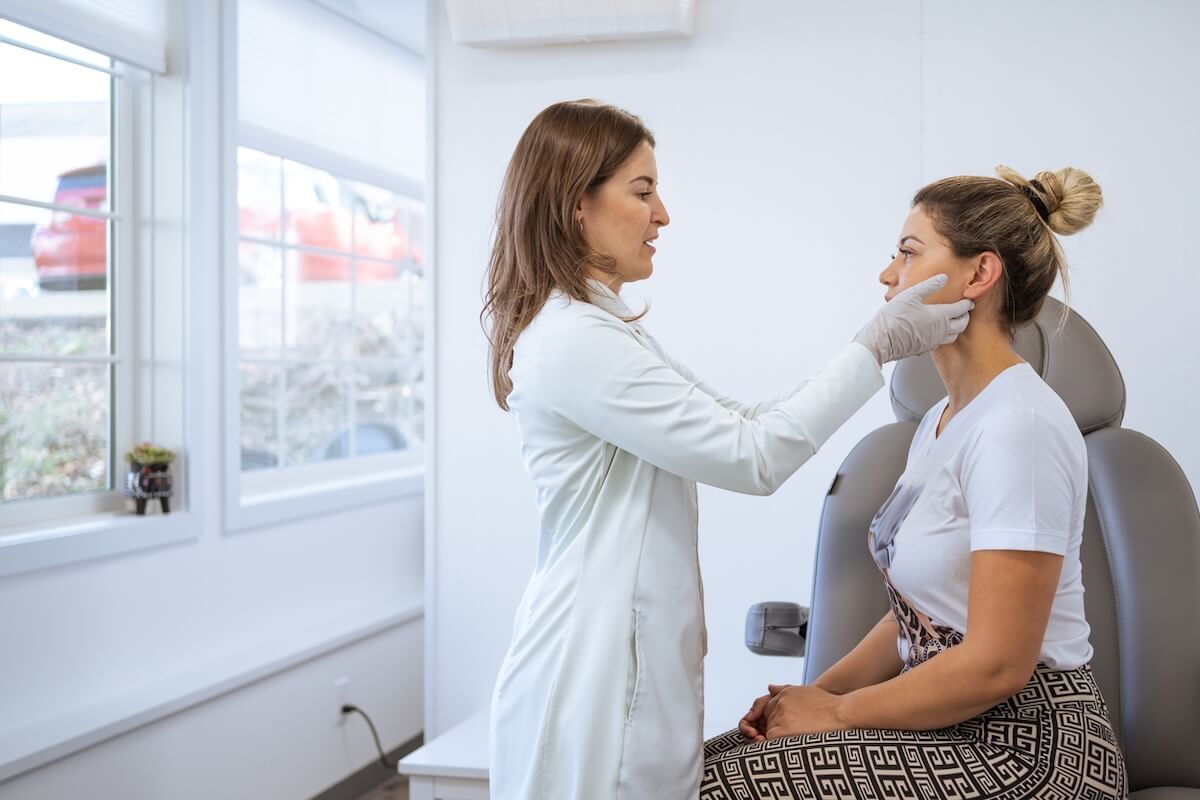
Among his services, Dr. Murphy offers Elévolve, an advanced Deep Plane Facelift technique that lifts and repositions the deeper facial architecture to address age-related sagging at its source. By restoring the underlying structure rather than tightening the skin, the technique achieves natural results with enhanced longevity and a more refined, predictable recovery experience.
“At its core, Elévolve is a collaborative process, pairing each patient’s goals with a trained eye for facial harmony and structural balance to create a plan that’s tailored to their anatomy and long-term vision,” he explains. “A good candidate is someone beginning to notice changes in the jawline, midface, or neck, and who is looking for natural, lasting results that align with their overall facial structure.”
The deep plane facelift, a term gaining traction on social media, actually dates back decades. It works by lifting the deep fibromuscular layer called the SMAS (Superficial Musculoaponeurotic System), which lies beneath the skin and subcutaneous fat of the face. Addressing this layer rather than just the surface layers yields a softer, more authentic result.
It’s important to note that facelifts are not a one-size-fits-all. “In my opinion, the patient’s anatomy and goals dictate the preferred procedure that will achieve the best results. Every face is different, and so I often combine techniques to help each patient look like a refreshed version of themselves,” says Dr. Griffin.
That “hybrid” approach, customizing technique for each face, has become the new hallmark of great aesthetic work. Think of it less as a standard recipe and more as a bespoke chef’s tasting menu: balanced, personalized, and mindful of what’s already working for you.
When “Mini” Isn’t Always Better
Social media has also helped popularize the “mini-lift,” often marketed to younger patients or those hoping for less downtime. But the term can be misleading. In reality, not every face benefits from a smaller procedure.
“A mini-lift does nothing to address laxity in the neck and often can create an abnormal rotation of skin lines by pulling the skin too vertically,” explains Dr. Griffin.
Translation: the wrong procedure on the wrong patient can cause distortion rather than rejuvenation. What seems “easier” can sometimes leave behind the very signs of aging one hopes to correct — sagging around the neck or jowls, for instance. This is because, as Dr. Griffin points out in a blog post, “Your face didn’t age in one layer — and it can’t be restored in one either.”
Subtle Changes, Big Impact
While surgical skill remains at the core of any good facelift, small refinements in technique have made the biggest aesthetic difference. A growing number of surgeons now integrate fat grafting to restore lost volume. Rather than pulling skin tighter, they subtly fill areas that hollow with time, such as the cheeks, temples, and tear troughs.
Dr. Griffin says that he has always attracted patients who want to look refreshed but natural. “Fat grafting is something I’ve started incorporating into more of my facelifts,” he tells us. “I use it mainly for areas like the medial cheeks and tear troughs for volume restoration.”
These micro-adjustments help preserve facial softness and restore the curves that define vitality (not youth, per se). According to the American Society of Plastic Surgeons (ASPS), fat grafting in facelifts has grown steadily over the last five years because it improves longevity and realism of outcomes. In other words, it looks good, and it lasts!
Sculpting from the Inside Out
Facial aging isn’t just about crow’s feet, “eleven” lines, or sagging eyelids. The jawline and neck also age as underlying structures shift, making them among the most telling areas.
Dr. Griffin points out that “Many patients need improvement in their necks, and some require deep fat and submandibular gland removal to achieve the best contour.”
Addressing the deep anatomy rather than just the surface is what differentiates a modern facelift from its predecessors. The result is a smoother transition from chin to neck, defined angles, and a more harmonious profile.
These techniques aren’t new, but they’re being executed with more finesse thanks to better imaging, lighting, and a culture of open discussion among surgeons and patients alike.
What to Avoid Before a Facelift
Technology may have advanced the conversation, but more isn’t always better — especially when it comes to combining treatments. Lately, some nonsurgical procedures have made future surgical work more complicated. So, what should you avoid if you’re considering a facelift at some point down the road?
Dr. Griffin explains that the rise of energy-based tightening devices and the overuse of fillers have created new challenges. These treatments, when used improperly, may melt fat or scar tissue, affecting how the skin drapes after surgery.
Moderation remains key. Used correctly, devices and injectables can enhance outcomes. Used aggressively, they can do lasting damage. As Dr. Griffin emphasizes, it’s not that these treatments are bad; it’s that they need to be handled by experienced providers who understand facial anatomy and long-term planning.
The American Board of Cosmetic Surgery also cautions patients to vet medspa providers carefully. Tightening tools such as ultrasound, laser, or radio frequency are safe only when properly calibrated and performed on the right candidates.
Can Fillers Fix the Problem?
A facelift is major surgery, and people who aren’t ready for the expense and downtime often turn to fillers as an alternative. However, fillers can only achieve so much. “One of the biggest things I caution patients against is overcorrecting with temporary treatments that don’t address the underlying structure. Over time, excessive filler can distort facial proportions and make surgical planning more complex,” cautions Dr. Murphy.
Not all fillers are created equal, and understanding the difference can empower patients to make better choices.
“Sculptra and Radiesse are categorized as biostimulatory fillers. They induce your body to replace the product with its own collagen as the product is broken down,” says Dr. Griffin.
Both Sculptra and Radiesse are known for improving skin texture and volume, especially in the years before someone might consider surgery. They don’t replace a facelift but can stave one off or complement it by enhancing overall skin quality.
Dr. Murphy, however, adds, “Biostimulators like Sculptra can be more tenacious because they stimulate collagen and scar-like tissue, making them harder to manage surgically compared to hyaluronic acid fillers, which are usually easier to manipulate.”
The Modern Facelift Ethos
Ultimately, today’s facelift isn’t about erasing age but about restoring vitality. Whether someone opts for a deep-plane technique, a subtle mini-lift, or a combination involving fat grafting and skin tightening, the intent is the same: refinement over reinvention.
The rise of social transparency has helped, too. Patients see realistic outcomes, compare options, and approach surgery as one part of a bigger self-care continuum that includes skincare, injectables, and healthy living. In his blog post, Dr. Griffin emphasizes the importance of diet, hydration, and rest as part of the big picture.
At the end of the day, “aging gracefully” means different things to different people, and finding a provider who understands what it means to you is the key to getting the results you want. Dr. Murphy says he strives to treat each patient like family. “We can help you age as you want to so that when you look at yourself five, 10 years from now, you like what you see,” he explains.
**********
For your favorite “me moment” of the day, delivered right to your inbox, subscribe to StyleBlueprint!

Miriam Calleja
Miriam Calleja is a Pushcart-nominated poet, writer, workshop leader, artist, and translator. Her work appears in numerous publications including Odyssey, Taos Journal, Modern Poetry in Translation, and more. A retired pharmacist, Miriam is passionate about health and wellness topics. When she's not writing, you can find her cooking, reading, crafting, and traveling.