
She’s Changing the Way Memphis Thinks About Clothing
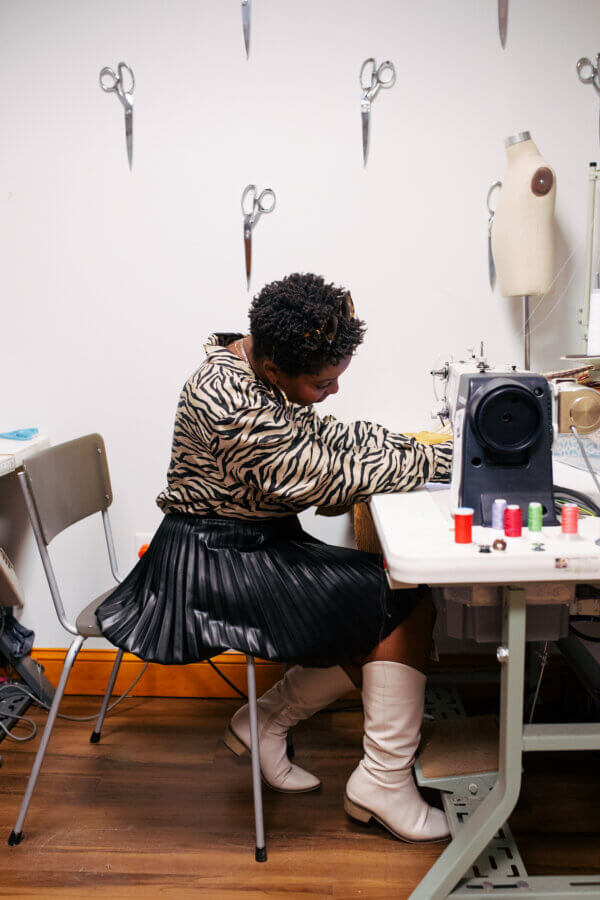
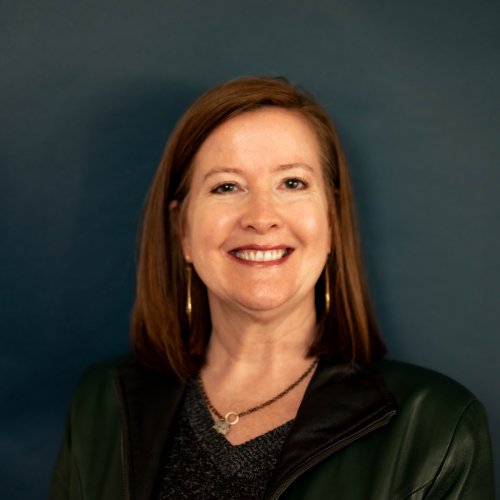
Meet the woman helping Memphis rethink the "maybe someday" dress. Cari Harris of Cari’s Closet is transforming wardrobes through mobile alterations and hands-on sewing classes, proving that the most sustainable style refresh is the one you already own. Image: Erica Haskett Studio
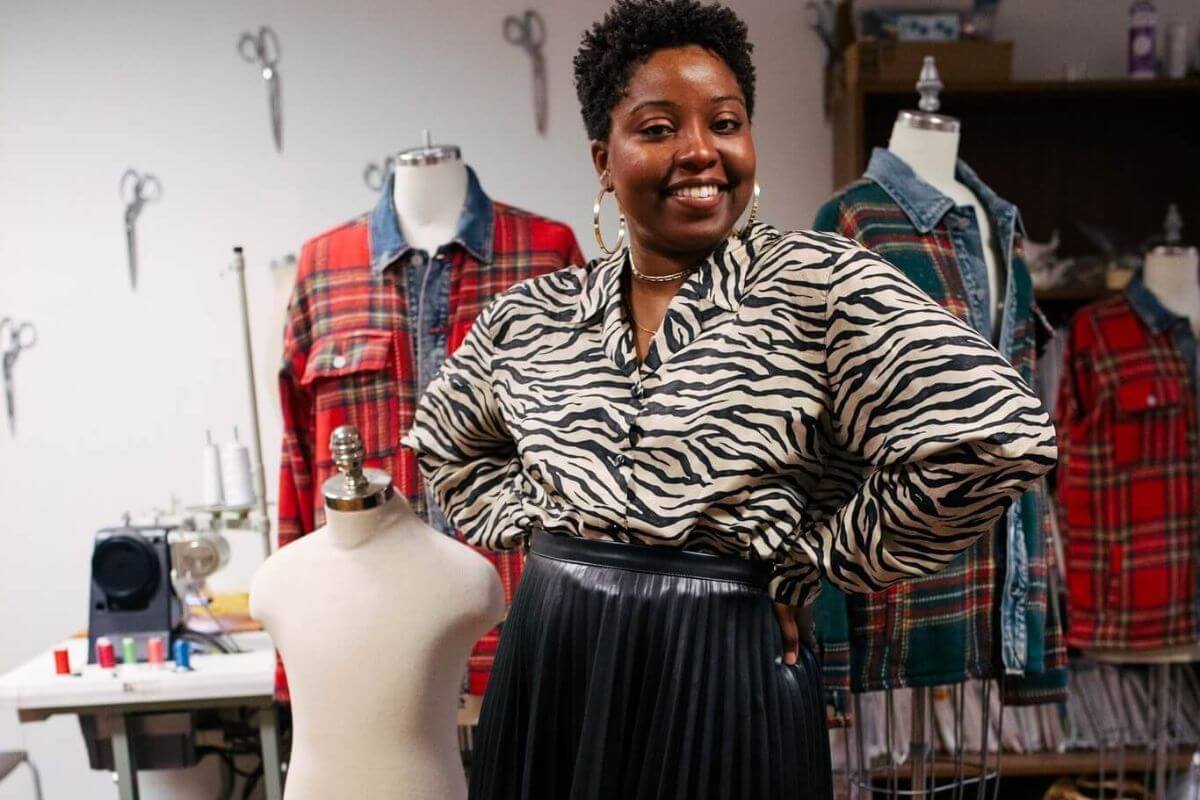
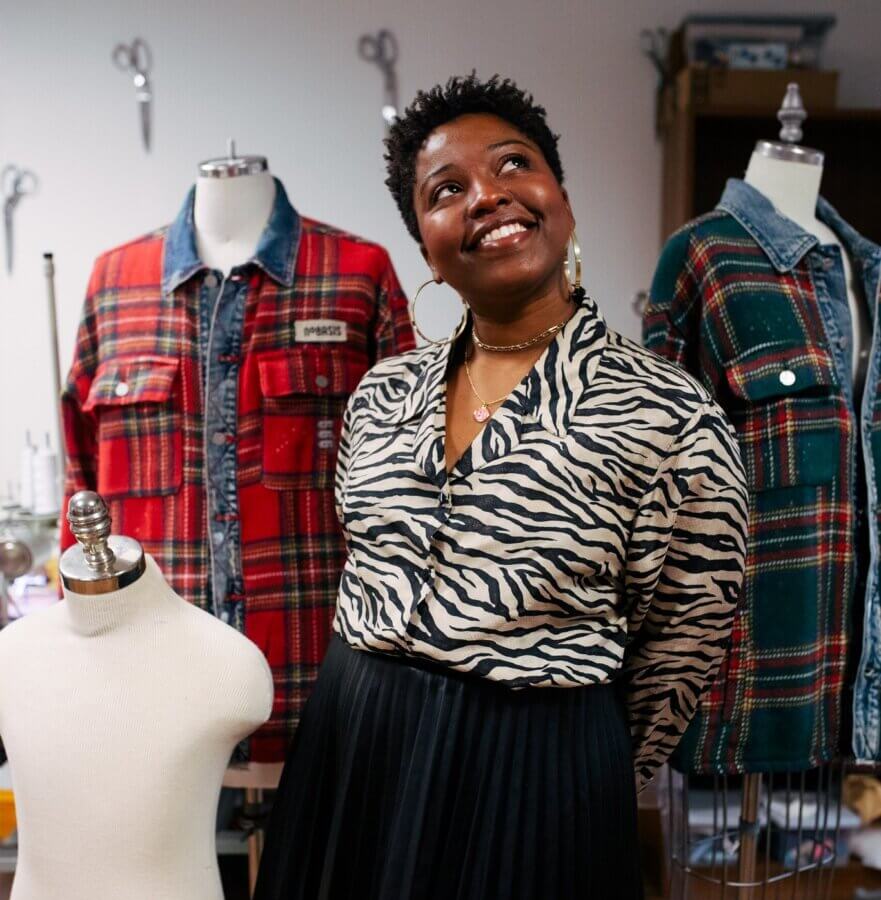
As the founder of Cari’s Closet, Cari Harris helps clients rethink what they already own — not as castoffs, but as possibilities. Through mobile clothing alterations, sewing education, and creative consulting, Cari empowers Memphians to refit, reimagine, and truly love their wardrobes again. Her philosophy is simple but powerful: the most sustainable garment is the one you keep wearing. And with skill, intention, and a little imagination, almost anything can feel new again.
Was sewing something you grew up around, or did you discover it later in life?
I discovered it later in life! My mom tried to teach me the basics when I was young, but it wasn’t until the pandemic that I bought a sewing machine and started learning to sew. I had a fantastic teacher, Ms. Susie Hunt, who really sparked my love of sewing.
What made you decide to open Cari’s Closet?
In 2020, like many people, I found myself working from home. After staring at my closet every day, I decided I wanted to transition to more secondhand clothing for sustainability. I loved the quality of the vintage pieces I found, but the fit was often off. I realized that if I wanted the look I had in mind, I needed to learn how to sew.
It wasn’t easy to find sewing classes, but once I did, my love for sewing really took root. I began looking for professional opportunities and was fortunate to land at a notable midtown atelier. Later, I was selected to run the Sewing Lab at Arrow Creative, where I gained experience teaching classes and learning more about the needs of small garment businesses.
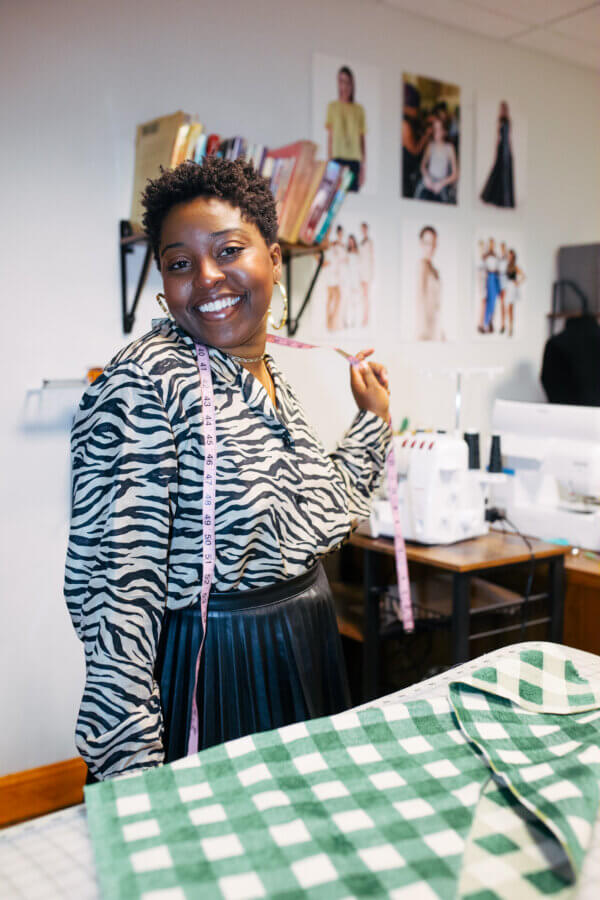
In 2023, I joined the Co.Starters program at Epicenter, and my cohort encouraged me to formalize my business offering alterations and sewing classes. The business plan and relationships I built there continue to support and guide Cari’s Closet today.
You describe Cari’s Closet as “your sustainable style solution.” How do you define sustainability when it comes to fashion?
Sustainability in fashion is multifaceted. There’s the production side, where sustainability shows up in garment construction methods, materials, and labor practices. Then there’s the consumer side, which includes the choices we make about what we buy, how we care for it, and how we eventually let it go.
At Cari’s Closet, I encourage people to think about sustainability in a practical, everyday way. Alterations help keep clothing in your closet and out of the landfill. Sewing education gives you the skills to repair, tailor, and upcycle pieces so you can extend the life of what you already own. It also helps you become a more informed shopper. Fast fashion often cuts corners to shorten a garment’s lifespan, but when you understand quality and construction, you’re less likely to be taken in by that cycle.
How do you approach your own wardrobe choices?
The majority of my closet is secondhand because I now prioritize quality. I choose clothes that are made with natural fibers and have clear longevity. Annually, there are about 100 billion new pieces of clothing produced, and most of them will be in the garbage in mere months because of the lack of quality. Knowing this, I try not to consume firsthand fashion, and when I do, I seek out small businesses or designers that produce small batches or use sustainable methods.
Can you share a favorite client transformation?
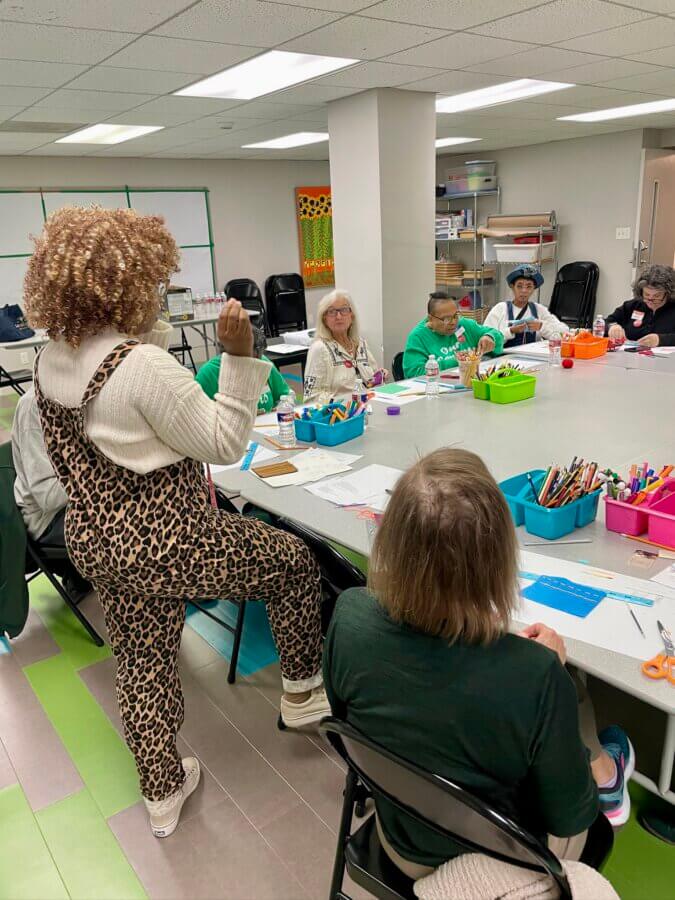
Currently, I’m teaching a Creative Aging Fiber Arts class at the Brooks Museum and have encouraged students to bring in materials that are meaningful to them. Folks brought in needlepoints their moms made decades ago, pieces from their first trips overseas, and items from their childhood or their children’s! They then incorporated them into art pieces that will be on display in a gallery show. The items they’ve brought add a depth to their pieces that just gives you chills. It’s beautiful to see their treasured items reimagined.
How does proper fit change the way someone feels in their clothing?
There’s a famous quote by Deion Sanders that explains it best: “If you look good, you feel good; if you feel good, you play good; if you play good, they pay good.” Most of my clients are professionals who need to feel confident in the way they look to feel good about the work they do and to advocate for themselves and others. An outfit that makes you feel confident and capable allows you to shine uninhibitedly.
What do you find most rewarding about your sewing education workshops and classes?
I love watching folks’ confidence grow. Sewing is really a survival skill. When people realize they can do it, you can see them feel more capable overall as humans. My classes always place the emphasis on practice over perfection, so when I see folks really trying, being persistent, and ultimately succeeding, it feels very much like we’ve been on a journey together.
You also provide creative project support to businesses and brands. What does that side of your work look like?
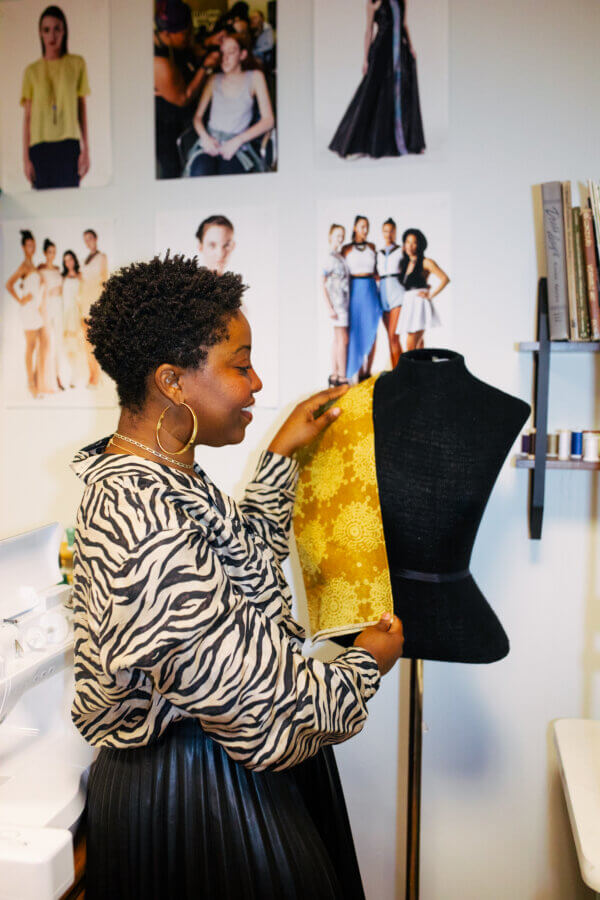
Creative project support can look a few different ways. Sometimes I help small businesses tighten their technical processes and workflows, so things run more smoothly. Other times, I’m stepping in to support designers or artists who have a gap in a project and need someone with sewing or construction expertise.
A lot of designers don’t have much sewing experience, so I help translate the idea in their head into something that can realistically be made. It pairs naturally with my sewing education work because both are about giving people the tools, skills, and confidence to bring their ideas to life.
Switching gears a little, where can we find you when you aren’t working?
Probably the Woman’s Exchange. I really love it there. As soon as the WeKeepingItP Poetry in the Park series starts up, you’ll find me outside!
What’s your best piece of advice?
Success is not the primary point. You are not failing, you are growing.
Finally, what are three things you can’t live without?
Safety pins, overalls, and the Genre seasoning!
**********
For more inspirational Memphis FACES, click HERE!
Gaye Swan
As a professional writer of over 20 years, Gaye is an avid traveler and enjoys highlighting food, culture, and attractions around the South. While Gaye is passionate about life in Memphis, she grew up in Meridian and is still a Mississippi girl at heart.