‘Bipolar Blonde’ Business Owner Opens Up About Finding Color in the Darkness
Bold prints, bright colors, and a story that's anything but picture-perfect. BURU founder and Kentucky native Morgan Hutchinson opens up about love and living with bipolar disorder in her new memoir, Bipolar Blonde. Image: Nick Mele
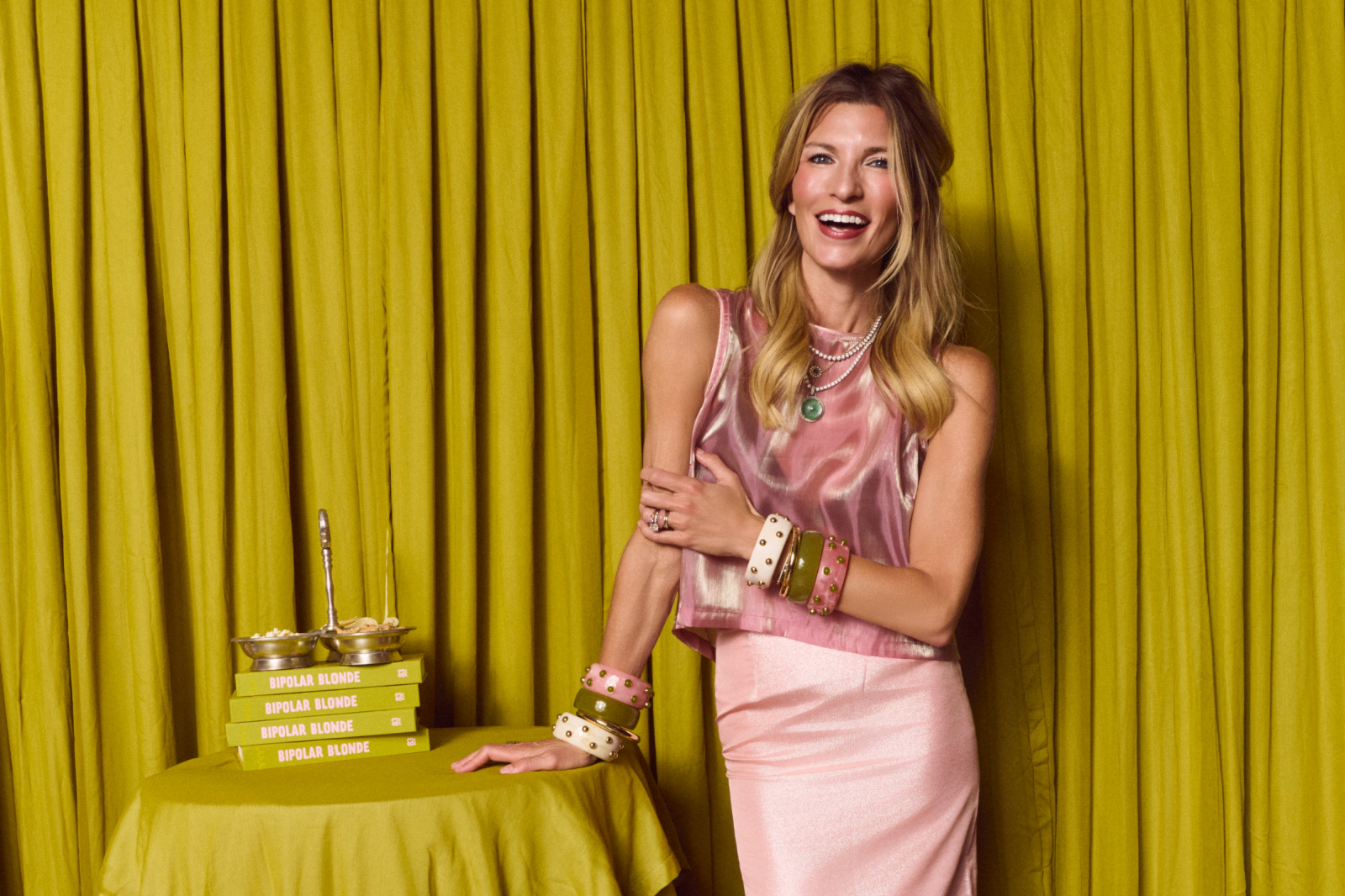
Kentucky native Morgan Hutchinson has always had a knack for bringing color and joy into women’s lives through her clothing label BURU. Now, she’s inviting them into a more personal side of that mission with her debut memoir, Bipolar Blonde, opening up conversations about mental health with the same warmth and humor that define her work. Raw, honest, and occasionally irreverent, the memoir follows Morgan as a young fashion entrepreneur in New York City (17 years ago), falling in love with her future husband and co-founder, Brett, as her mental health unravels. Through her story, she humanizes bipolar disorder and underscores that mental illness can affect anyone, regardless of circumstance or outward success.
Your memoir “Bipolar Blonde” almost has the pacing and emotional arc of a romance novel. How intentional was that?
I mean, it was the entire goal because when I was diagnosed at 27 and then tried to help family members understand, I sought out a lot of books, most of which were self-help. But even if they were memoirs, and there are some that are absolutely beautiful, they were very dark and sad at the same time. I’m sure my family lied to me and said they read them all. There’s no chance they got through it because they were so hard. And I think that actually made it even scarier for them.
That is not a knock on those beautiful books. I just felt something was missing, and it’s also just who I am. I’ve only been able to survive and deal with this illness through dark humor, through putting colorful clothes on to help me on days when I’m really struggling.
And I wanted the book to reflect that and hopefully be relatable to other people, whether they have a mental illness, know someone who does, or are just going through a divorce or other friendship challenges. I wanted to cover a lot in the book that women, and Southern women in particular, could really relate to.
What do you hope someone who has never experienced bipolar disorder understands after reading this book?
I hope they have an understanding of the importance of reaching out and being a safe space for anyone in their life who is struggling with any kind of mental illness. And, you know, we can’t be fixed, right? I think that goes for all humans, no matter what the illness or issue is. Really, other people can’t fix us. But they can be there.
There were people around who loved me, and I think things would be different if I had trusted them sooner to be open and really show what I was struggling with. The support is a lifesaver, honestly. So my hope is that the takeaway is just to check in. I received a text message this morning from a friend, and it just said, “Mental health check-in.” It wasn’t anything long, but those little acts of kindness and outreach are so impactful. In a lot of ways, I think saying the wrong thing is better than saying nothing.
How has your experience challenged the assumption that success and mental well-being go hand in hand?
My mom once gave me this amazing example of how my life as a mom is so different from hers. She’ll say, “When I was having to compare my mothering to people, it was to the neighbor on the left, the neighbor on the right, and maybe the person across the street … you all live in a world where people from all over the world are showing you their highlight reel.”
So, what I’m thrilled about is that this book shows I have such a messy side. And the truth is, we all do, whether or not it’s this intense. We’re all surviving and doing our best. But there is so much on the other side of the pretty picture, and I think knowing you’re not alone in your struggles softens life. It softens the expectations you have for yourself.
And of course, you can strive to do amazing things in your life. But failures are real. They are around every corner, and it’s how you pick yourself up and keep going.
Entrepreneurship is sometimes romanticized. What do you wish people understood about the less glamorous side of it?
There are a lot of sides that aren’t very glamorous. There’s obviously the physical schlep of having any type of product-driven business. But for me, and I think this is deeper and far more important for women to talk about — growing up in the South, I was told you didn’t talk about money, and I think there are still rules and manners around it.
But how hard it is to build something when you are self-funded — when you’re paying yourself a salary from the business — is often overlooked, especially with small, female-founded businesses. And I think it is so important that we share how hard it is and the pressures to make payroll and support other families.
I grew up with an amazing stay-at-home mom. My dad worked very hard. They were very traditional in their roles. So, in some ways, as women, we haven’t been trained for what that financial pressure might look like. It’s something I want my daughter to understand: how you can live and thrive with [financial pressure] without it being debilitating. It’s a beautiful thing to know that what you’re building is also creating jobs and paychecks for other families. But it is a lot of pressure.
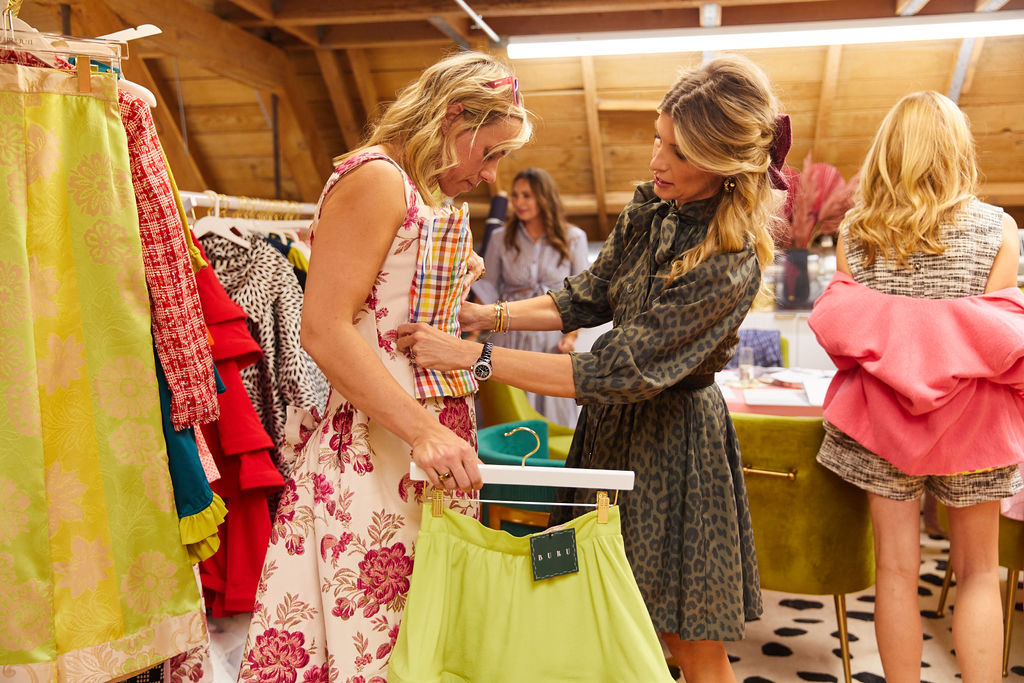
How did growing up in the South shape your relationship with fashion?
We were obviously taught to dress. I joke that we didn’t go to the grocery store without lipstick on, and that was just the frosting. It was head to toe — you were meant to be dressed, hair curled, all the things. Not in a negative way, but in a “Life is beautiful, we have access to these things, and we should respect where we’re going and what we’re attending” way.
The women in my life really loved fashion in a way that I think is so special. My great-grandmother had an insane collection of Dior turbans. I have inherited all of them, and they’re colorful, and I wear them to this day. They’re incredible. She taught me the value of things — really saving and finding the things you love the most. It was very similar to my other grandmother. She was such a quality person, and she could seek out beauty and find these treasures.
Finding beautiful things, treasuring them, wearing them, and actually using them, not just putting them away in a drawer, has influenced me to know that getting up, getting dressed every day, and designing things that bring joy into people’s lives is really important. It’s not saving lives, but it is bringing light in times when things sometimes feel dark.
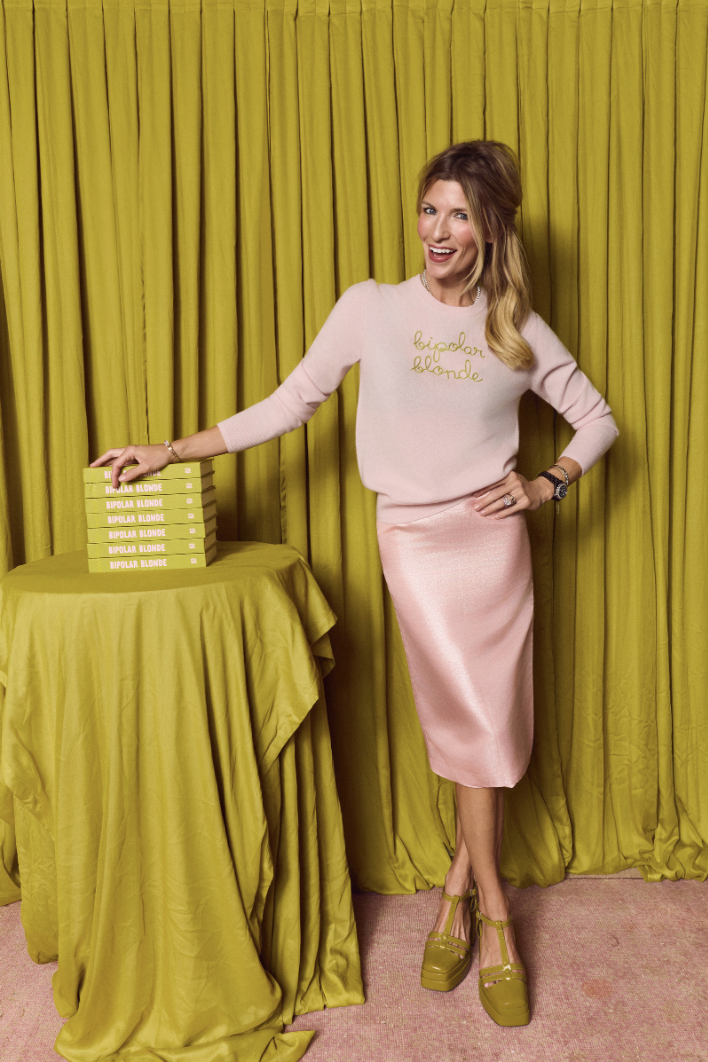
LIGHTNING ROUND
Who are your personal style icons? Audrey Hepburn, my dad’s mom, and my mom’s grandmother
What is your signature accessory? Bangles
One thing every woman should have in her closet? An amazing statement coat
What is the most Southern thing about you? My love for aerosol hairspray and hot rollers
This article contains product affiliate links. We may receive a commission if you make a purchase after clicking on one of these links.
**********
Keep up with the best parts of life in the South. Subscribe to StyleBlueprint!
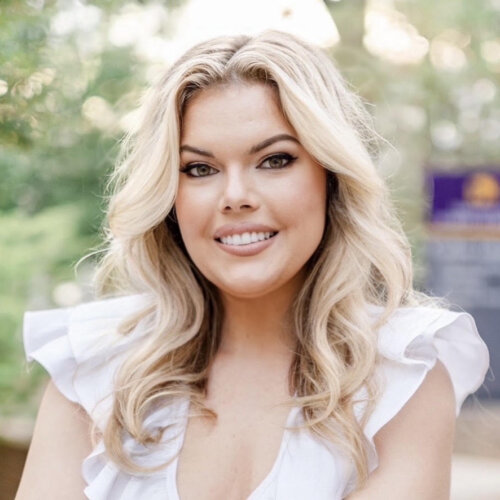
Shelley Akins
Shelley Akins is an Alabama-based travel writer who loves telling stories about her own backyard just as much as far-flung destinations. With more than five years of professional writing experience, her work has appeared in BBC Travel, Parents, Vessel Magazine, and more.