

Beyond Birth: Why Women Are Choosing Midwives for Everyday Care
Midwifery care is often associated with pregnancy, but at Diana Health, it extends far beyond childbirth. More women are choosing midwives for routine gynecological care, contraception counseling, and menopause support. Image: Diana Health
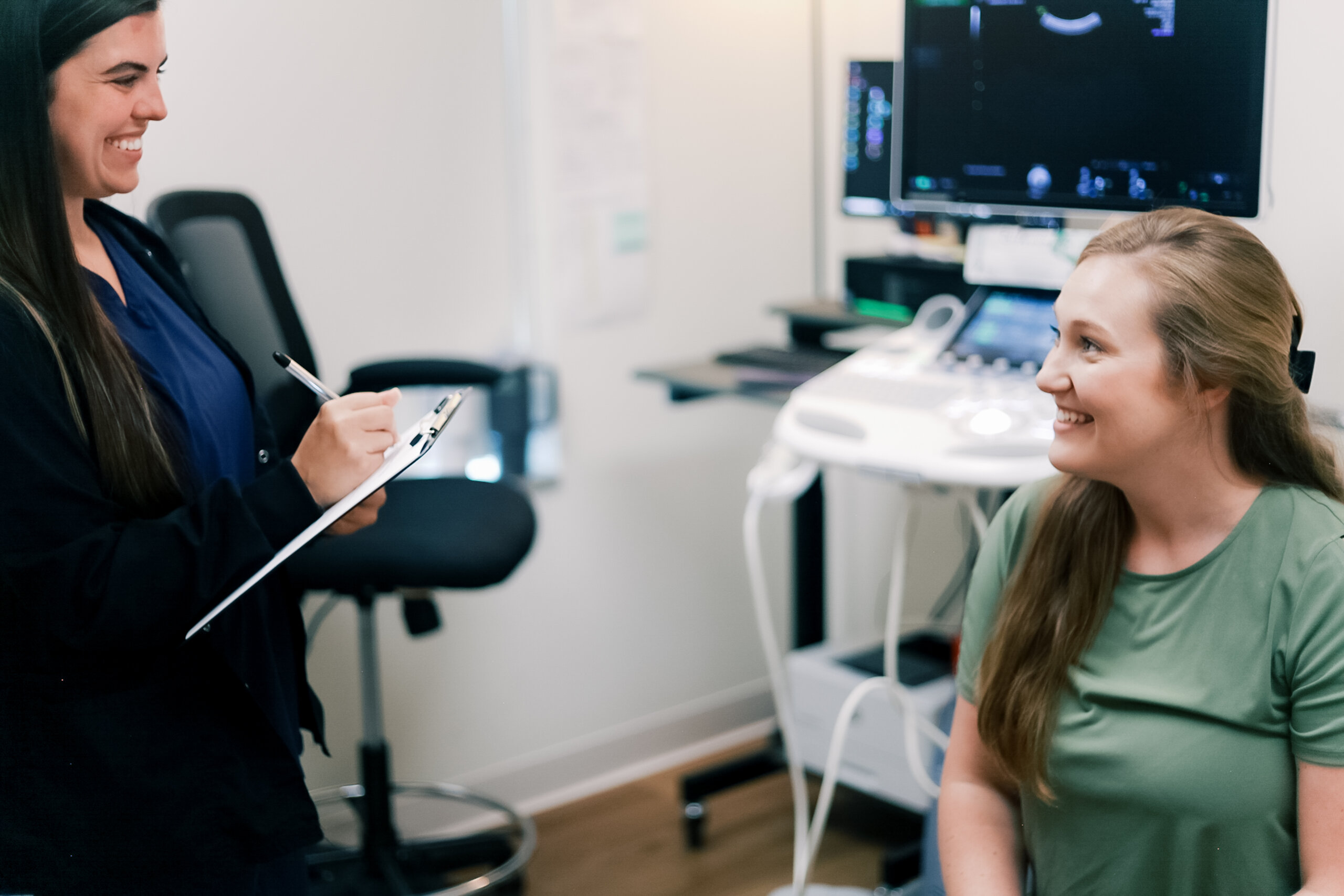
When you think of midwives and their role in healthcare, you likely associate them exclusively with pregnancy and childbirth. However, the benefits of midwives extend far beyond that. In fact, more patients are turning to midwives for routine gynecological care, contraception counseling, menopause support, and ongoing reproductive health needs. At Diana Health, this approach is especially prominent, as midwives serve as long-term partners in women’s health rather than providers limited to a single stage of life.
What is a Midwife? Understanding Their Role in Women’s Healthcare
The term midwife translates to “with woman,” and the role is best understood as that of an advanced nurse practitioner. In addition to caring for patients during pregnancy and childbirth, midwives support women throughout multiple stages of life. This can include annual wellness visits, abnormal bleeding evaluations, care for perimenopause and menopause, as well as fertility and preconception needs.
Certified Nurse Midwives (CNMs) complete extensive clinical and academic training. This includes a bachelor’s degree in nursing, licensure as a registered nurse (RN), a master’s or doctoral degree in nursing, hands-on clinical experience, and successful completion of a national certification exam.
“Midwives are all nurses first,” says Megan Donohue, Regional Clinical Director for Tennessee at Diana Health. “There’s an intentionality behind the way we provide care. We come in to educate because we want patients to feel informed to make the best decision for themselves.”
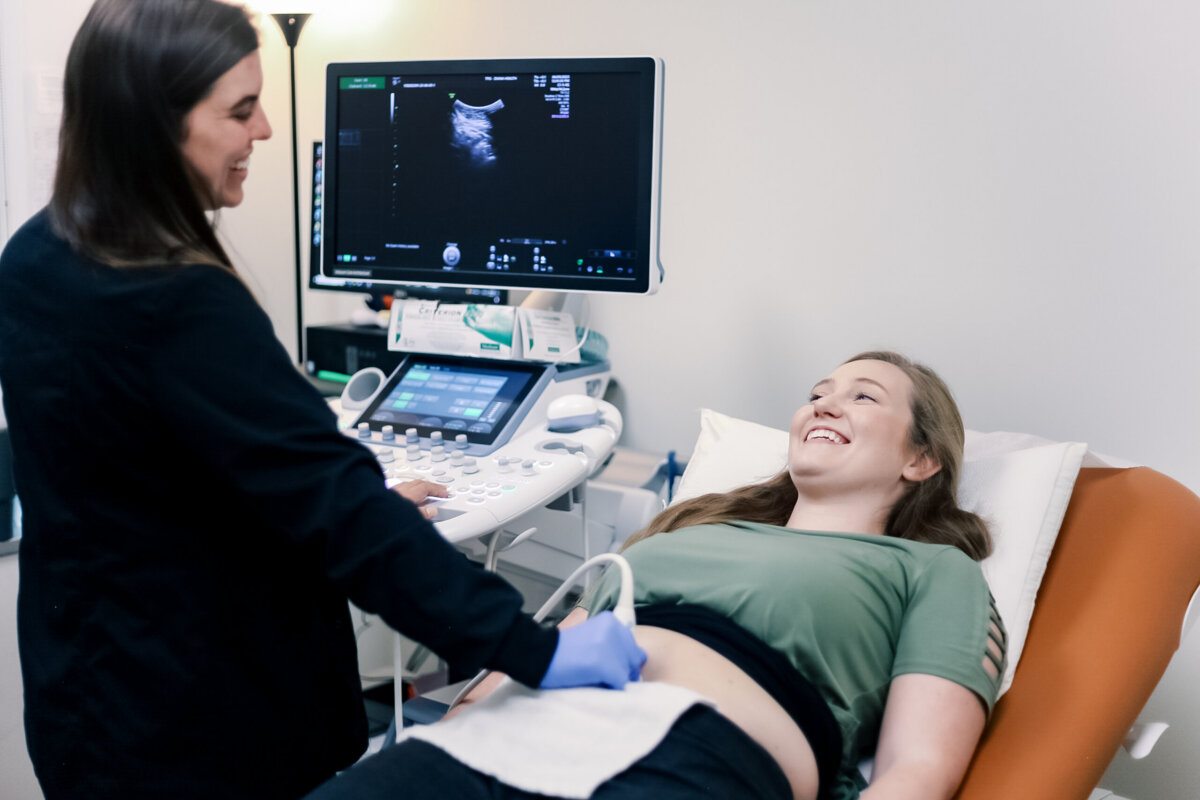
In practice, this means patients aren’t just seen during isolated moments of care. Instead, they’re followed and supported over time by a midwife who understands their full health history and personal goals. At Diana Health, appointments are designed to allow space for conversation, questions, and education, so care becomes a collaborative process rather than a quick, impersonal exchange.
Why More Women Are Seeking the Midwifery Model
For Diana Health patients, midwifery care often feels different from the start. Most notably, there is a patient-centered approach that emphasizes an education-first philosophy.
“Research has shown the positive impact midwives have on patient care,” says Chanille Witham, Lead Midwife at Diana Health. “The patient is in the driver’s seat, and we really want them to have an experience that is meaningful to them. We encourage and invite patients to take an active role in their care throughout their lifespan.”
This experience is intentional, and it reflects a broader philosophy of how care is delivered.
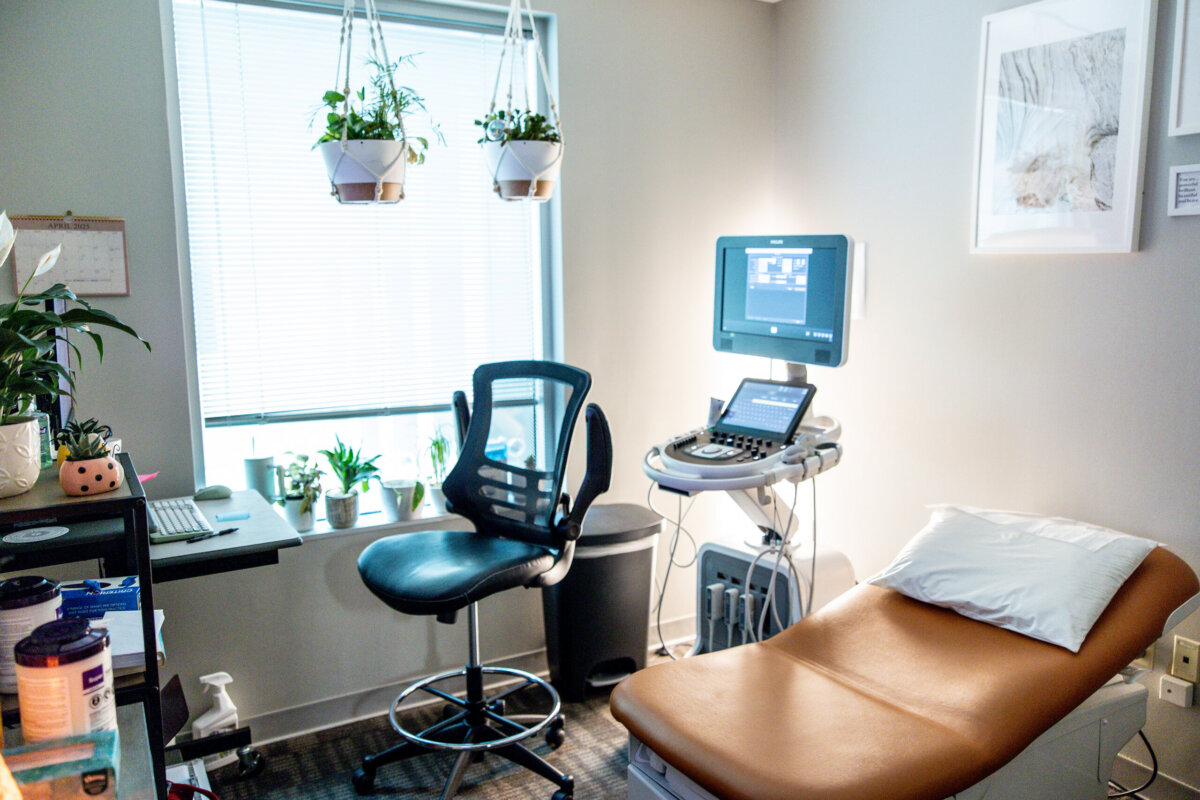
“Nurses are advocates for patients, and that really drives the intentionality behind how we provide care,” adds Megan. “Everything we do is rooted in education and support, making sure patients have the full picture before any decision is made. That advocacy is what shapes our entire model of care.”
This level of collaboration and partnership — where patients are informed, supported, and actively involved in their care — is a key reason why many women are choosing midwifery care today.
Trauma-Informed & Relationship-Based Care
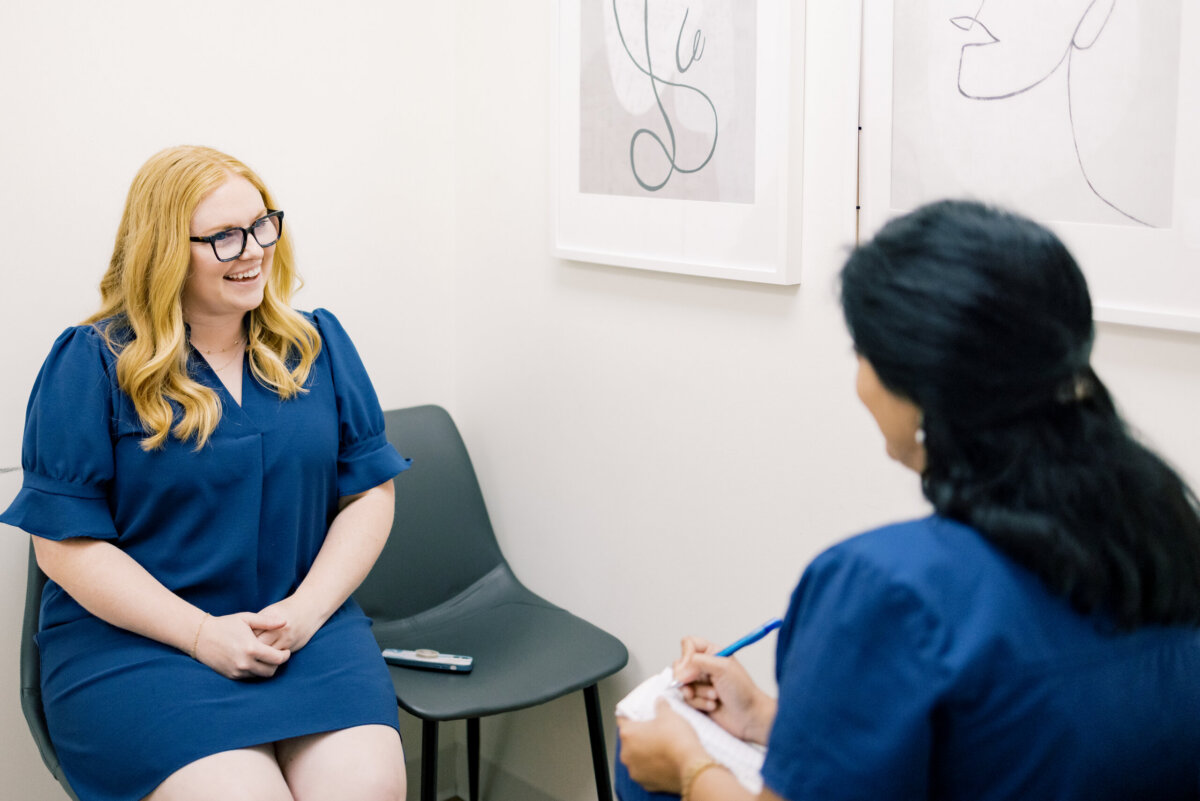
Many patients come to Diana Health after negative healthcare experiences, and these often surface quickly once trust is established. “People really feel heard in midwifery care,” says Chanille. “Their concerns are understood and taken seriously, which creates space for them to fully share what they’re experiencing.”
In many cases, this level of openness is something patients haven’t felt comfortable accessing elsewhere. Some share that they haven’t seen a provider in years after feeling dismissed or rushed during prior visits, and the shift in approach becomes immediately noticeable once they step into a Diana Health office.
Hearing about these experiences led to Diana Health’s trauma-informed, relationship-based model of care, designed to rebuild patient trust from the ground up. “From the moment you step into the lobby, you matter,” says Megan. “We really target our care from trauma-informed care. We want patients to feel the difference. We want them to feel safe.”

This focus on intentionality shows up in small but meaningful ways throughout a patient’s visit, such as explaining procedures before they occur, asking for consent at every step, and allowing patients to pause or ask questions without pressure. Even moments of stillness are seen as part of care when they help a patient feel safe.
“Sometimes the best care we can provide is to just not do anything, to be still,” says Chanille.
In this model, care is not only clinical — it’s relational. And for many patients, that shift is what makes returning to care feel possible again.
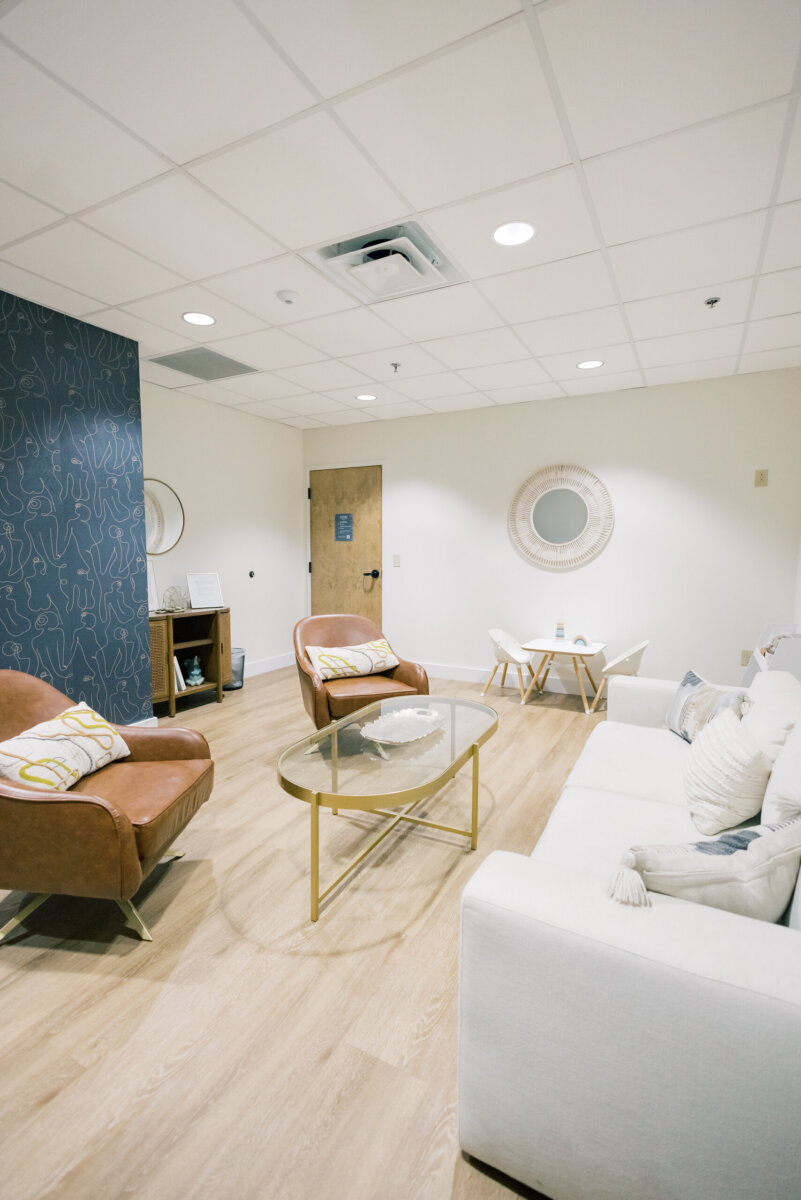
A Different Kind of Women’s Healthcare Experience
Midwives are not only pregnancy providers but also trusted healthcare providers through every stage of life. At Diana Health, midwives create an experience where women feel well-informed and supported.
At the end of every appointment, both Chenille and Megan agree that they want patients to feel heard, honored, and safe enough to return.
“We want Diana Health to be a safe landing space for patients, and that extends to every interaction — from the front desk to our remote providers. Anyone who touches a patient is aligned in that same approach,” says Megan. “So while yes, we are a midwifery model of care, that philosophy trickles into every inch of our organization.”
The result is a unique model of care that prioritizes continuity, trust, and collaboration at every stage of the experience.
Diana Health offers virtual care options alongside physical locations throughout Tennessee, Florida, and Texas. To learn more and schedule your appointment, visit heydianahealth.com.
This article is sponsored by Diana Health.

Brianna Goebel
Brianna is StyleBlueprint’s Associate Editor and Sponsored Content Manager. She is an avid fan of iced coffee and spends her free time reading romance novels.