Barista Secrets: They’re Spilling the Beans on Coffee
From coffee etiquette to how to get the most caffeine out of your drink selection, some of our favorite local baristas are giving us their insider secrets.
Whether you drink it black or doctored up, use a French press or a standard drip, make it at home or have a daily spot where they know your name and your drink of choice, coffee likely has a place in your morning (or all-day) routine. No matter your level of coffee consumption, it’s never too late to broaden your knowledge and increase your confidence for the next time you place your order. We asked some of our favorite local baristas to weigh in on all things coffee. From the newest brewing techniques to the latest trends, here are some fun facts and behind-the-scenes secrets for making — and ordering — coffee.
Pin“It’s fun to ask the barista what they recommend or what they’re enjoying from their shop at the moment,” offers Crema barista Victoria Quirk. She’s pictured here, working her coffee bar magic! Image: Missi Calvert
We are grateful to all our sponsors:
Coffee beans aren’t technically beans.
Surprise! Coffee is a fruit. A coffee bean is actually a seed located inside of the coffee berry, which is a stone fruit just like standard cherries. “A lot of people don’t know it’s a fruit,” Ryne Hambright, director of operations for Dose Nashville, says of coffee. “It may seem like common sense to some, but for me, it wasn’t. I always associated beans with vegetables, but the coffee cherry, which the bean is inside of, is part of the Coffea plant.”
The taste of tap water changes the taste of your coffee.
Tap water dramatically affects the flavor of your coffee. If you’re brewing at home, using a filtration system such as a Brita filter can remove water impurities, offering a more consistent and clean flavor.
Grinding right before you brew makes for fresher coffee.
Whole bean coffee lasts much longer than ground coffee, and a cup of freshly ground coffee is best. With that said, grinding right before you brew is optimal but not imperative. As a side note, a ground bag of coffee typically stays fresh for at least a week.
The lighter the roast, the more caffeine it contains.
It’s somewhat deceiving, but just because a lighter roast may not have a strong flavor doesn’t mean it has less caffeine. In fact, if measured by scoops, it actually has more (though it’s minimal). “It’s a helpful tip for those unsure of which roast to purchase or order,” says SB’s Editorial and Marketing Assistant Manager, and former barista, Bailey Torkelson. “The lighter the roast, the more caffeine you’ll get. That’s why breakfast blends are always a light roast coffee. The flavor is also lighter compared to a rich, chocolatey dark roast.”
Bitter isn’t better.
“A lot of people like dark and bitter coffee because that’s what they think coffee is supposed to taste like,” says Victoria Quirk, barista and social media manager at Crema. But light coffee offers nuances that some darker roasts may hide. Single-origin coffees tend to be on the lighter side and are worth checking out since you can pinpoint the location where the coffee was grown. Rather than blending beans from various estates or crops, single-origin coffees are typically higher quality because they come from a specific coffee farm. It’s also important to consider the ratio of coffee to water. Too much coffee can distort the taste and make it stronger than intended. For this same reason, you should clean your coffee pot at least once a month, if not every two weeks. Residue from past brews can leave a bitter taste, which may be reflected in newer batches.
The microwave is not your coffee’s friend.
While the microwave might offer convenience when your coffee has gone cold, baristas typically aren’t fans of reheating coffee since it can alter the taste and potentially burn it. “Coffee is best enjoyed not long after brewing it,” offers Victoria. And Ryne playfully quips, “You shouldn’t be able to make coffee the way you make Hot Pockets. You can quote me on that.” Nevertheless, sometimes you need a cup of coffee, and reheating one in the microwave is the only viable option. “Sometimes you’ve gotta do what you’ve gotta do,” admits Victoria. “Just maybe don’t tell your barista you’re doing it.”
If you’re looking to avoid reheating, but you’re trying to salvage every last drop of your coffee, try pouring any unfinished coffee over ice instead.
We are grateful to all our sponsors:
Decaf is underrated.
If caffeine makes you feel too jittery, keeps you up at night, or your health doesn’t allow for it, decaf is a saving grace. Still, many of us find ourselves wondering, Is there even a point to decaf? According to the experts, the answer is an emphatic yes! “Decaf is so underrated,” says Ryne. “Not everyone needs the caffeine from coffee; they just like the habit and the taste profile. Also, there is typically around 3% caffeine even in decaf, so it can still give you a little giddyup.” Throwing some love at his fellow coffee gurus at Crema, he adds, “Crema has a decaf right now that I would put up against any coffee. It is so good.”
“A lot of us have been burned by bad decaf, but I promise there’s some good stuff out there,” adds Victoria. “At Crema, we have decaf coffee that’s decaffeinated through an ethyl acetate process. There’s a lot to read about this process online if you’re interested, but what you need to know is that it’s generally much sweeter and less bitter than other decaf coffees.”
Lastly, if you’re looking to reap the benefits of caffeine without the full dose, Bailey recommends opting for a half-caf, which is typically available for espresso as well as drip coffee.
You can do fancy coffee art at home; you just need the proper equipment.
As with many things, it’s probably best to leave the art to the professionals. Nevertheless, if you’re feeling super ambitious, homemade coffee art isn’t impossible, so long as you have the appropriate equipment. “Typically, you need an espresso machine with a nice steam wand, and those don’t usually come cheap,” says Ryne.
“It gets a little tricky if the steam wand on your espresso machine doesn’t have very much power, but it’s still doable,” Victoria adds. “Don’t be discouraged if you don’t get it right away — even experienced baristas on great machines failed many, many times before getting it right!”
Bailey offers a trick of the trade: “If you want to practice frothing milk without wasting product, use soap water with your milk frother.”
PinMaking at-home coffee art isn’t necessarily a pipe dream.
You should have a backup at-home brewing method.
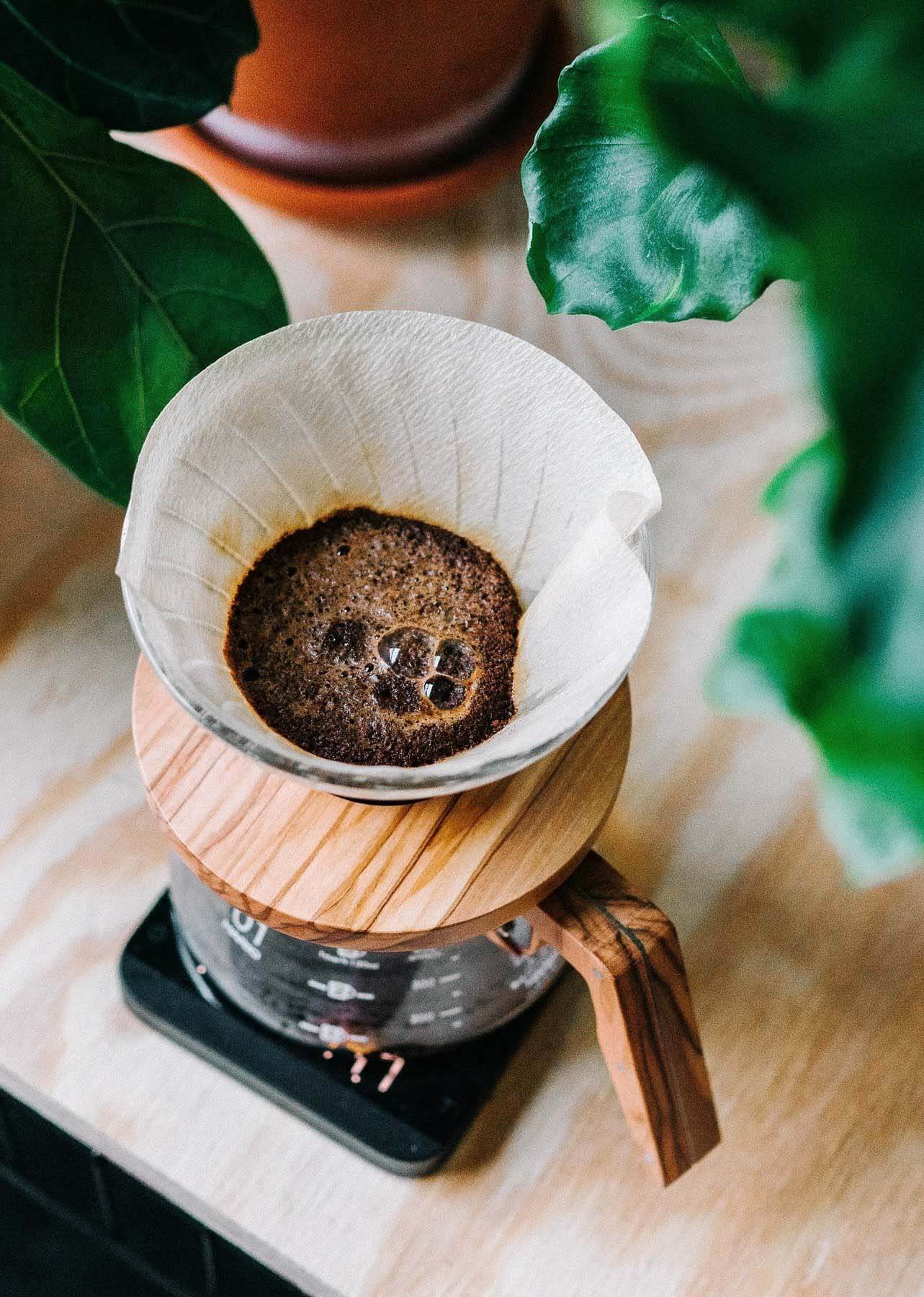
Since we’re all spending more time at home these days, and getting out to a coffee shop in the middle of the workday isn’t always feasible, it’s good to have a Plan B in case your trusted coffeemaker goes kaput. Ryne suggests having a few reliable at-home brewing methods you feel confident executing. French press, AeroPress, or pour-over options such as the Kalita brewer and Chemex are all secondary options to consider keeping on hand.
Here’s how to get the most caffeine out of your drink selection.
Have you ever wondered how to get the most caffeinated bang for your buck? A 12-ounce cup of coffee has about the same (and maybe a little more) caffeine than a double shot of espresso, so Victoria says plain drip coffee is actually an excellent way to go if you need an extra boost.
Red Eyes are a solid choice as well, Ryne tells us. “Red Eyes (either drip coffee or cold brew with a shot) are the most caffeinated thing we serve [at Dose] — the iced Red Eyes, in particular.” And while adding extra shots of espresso may not ruin the integrity of your drink, it changes the taste profile, so more isn’t necessarily better.
PinIf you’re feeling overwhelmed by a coffee shop menu, and you’re still unsure about asking your barista for help, try your favorite shop’s brew of the day. It’s likely the freshest option and allows you to expand your horizons.
We are grateful to all our sponsors:
Don’t feel intimidated by your barista.
Being a barista doesn’t automatically make someone a coffee snob. While your local barista may have a broader palate thanks to more experience, that simply means they’re the perfect person to rely on for suggestions. And just because your barista knows how to make the perfect Americano doesn’t mean he or she is judging you for your order. “I try to get good coffee as much as I can,” says Ryne, citing favorites such as single origins, sundried coffee, and Direct Trade providers, “but Waffle House coffee just hits different, in the best possible way — especially with the hashbrowns.”
Victoria admits some baristas might be considered coffee snobs, but only because they believe the work that the coffee farmers do is important and worth honoring. “Most of us still enjoy a sweet latte from time to time or consume a cup of gas station coffee on a road trip,” she says, “but we still know and appreciate (and prefer) coffee that’s been roasted and brewed well. Who wouldn’t?”
Hone your coffee etiquette.
Using a bit of coffee etiquette will go a long way toward endearing you to your barista, and all of our experts agree that asking questions is the best first step. “I think so many people are intimidated by what is considered ‘basic’ coffee questions or the lack of ‘basic’ knowledge, but we love it when people ask before ordering as opposed to being disappointed or disillusioned by what they thought they were getting,” explains Ryne. “We don’t expect you to know anything before you enter our store, but we’re happy to help get you there.”
Bailey seconds that notion, adding, “If you’re not at Starbucks, try not to use the terms tall, grande, etc. Of course, it’s not purposeful for the most part, but it sets up the barista to know that if your drink doesn’t taste exactly like your Starbucks drink (in almost every case it won’t because Starbucks uses its own products), you may be disappointed.”
Have we piqued your coffee curiosity? Then check out these 5 Coffee Trends to Check Out!
Happy caffeinating!
Jenna von Oy Bratcher is StyleBlueprint's Editorial Operations Manager and Lead Content Editor. The East Coast native moved to Nashville almost two decades ago, by way of Los Angeles. She is a lover of dogs, strong coffee, traveling, and exploring the local restaurant scene bite by bite.
Our unofficial motto at StyleBlueprint is "Be kind. Do good." We encourage this to be the basis for all comments on our articles. Provide feedback that adds to the story. Some controversy or disagreements are part of any good dialogue between friends, but anything that tears down or belittles others is subject to disapproval or removal. Thank you for being a member of the StyleBlueprint community! View our Community Guidelines.