
Pillow Talk with B. Viz Design’s Rebecca Vizard
Born an enterprising only child in Alaska. Raised in a tiny Louisiana town. Destined to transform forgotten textiles into coveted luxury pillows. Meet Rebecca Vizard of B. Viz Design. Image: Paul Costello
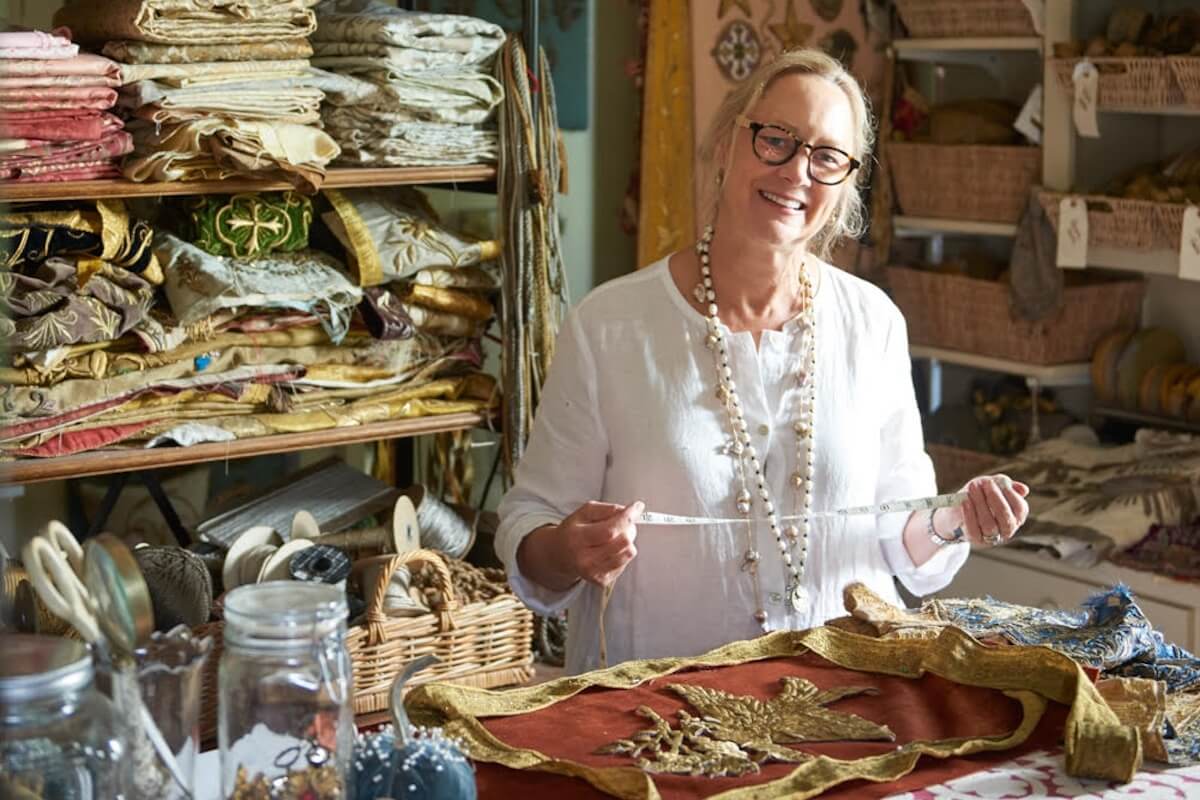
When Rebecca Vizard left her tiny hometown of St. Joseph, Louisiana, she was certain she’d never look back. She loved Tulane, the pulse of New Orleans, the promise of a bigger world. “I thought my life was over when we moved back here,” she admits with a laugh.
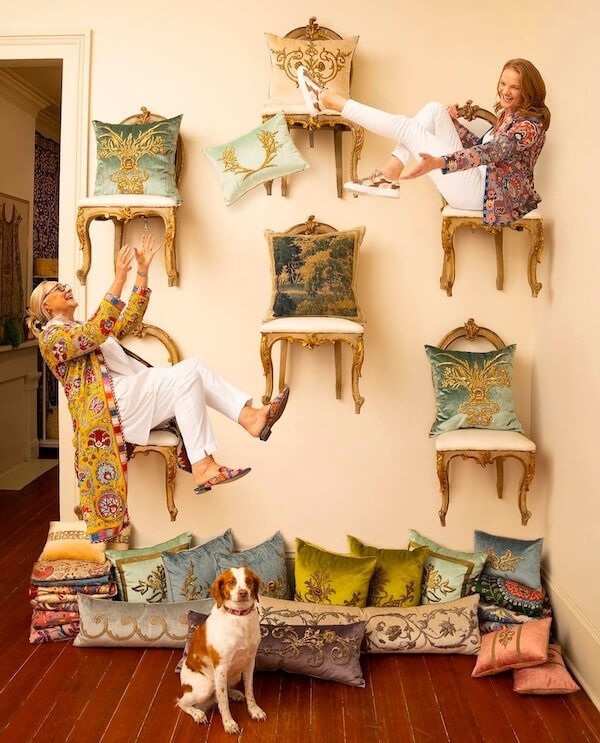
But life had other plans. Her husband, a New Orleans native, unexpectedly fell in love with the rural pace and serene outdoor living. Rebecca’s father ran the local bank and asked her husband to help expand it. The place Rebecca once couldn’t wait to leave suddenly became a launching pad for her growing family and her artistic endeavor, B. Viz Design.
From Splattered Socks to High Design
Creativity was always there. Even as a kid, Rebecca sewed Barbie clothes and drew run-throughs for the high school football team. Math came easy, too, but she swapped a calculator for a paintbrush in college (much to her father’s horror). “He said, ‘I’m not paying for you to be an art major.’ So I double-majored in art and communications. Stubbornness runs deep,” she grins.
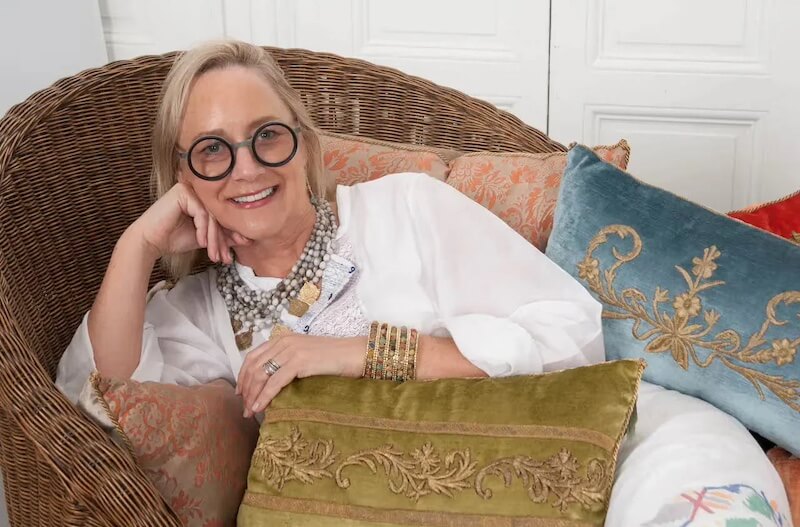
Her first business idea in St. Joe? Splatter-painting baby socks. “It was a fluke,” she says. “I was just trying to make money.” Despite being turned down for a business loan by her own banker father, big retailers like JCPenney and Dillard’s took notice, and truckloads of blank socks were showing up at her house. She learned quickly what success felt like, but Rebecca wanted more than volume. She wanted beauty.
The Pillow That Launched a Thousand More
The splatter paint sock money allowed the Vizards to build and decorate their dream home on the banks of Lake Bruin, a popular second-home outpost in the Delta for nearby cities. “My friends would see what I was doing to my house and ask, ‘Can you do that to mine?’” Rebecca’s interior design business began taking root from coast to coast.
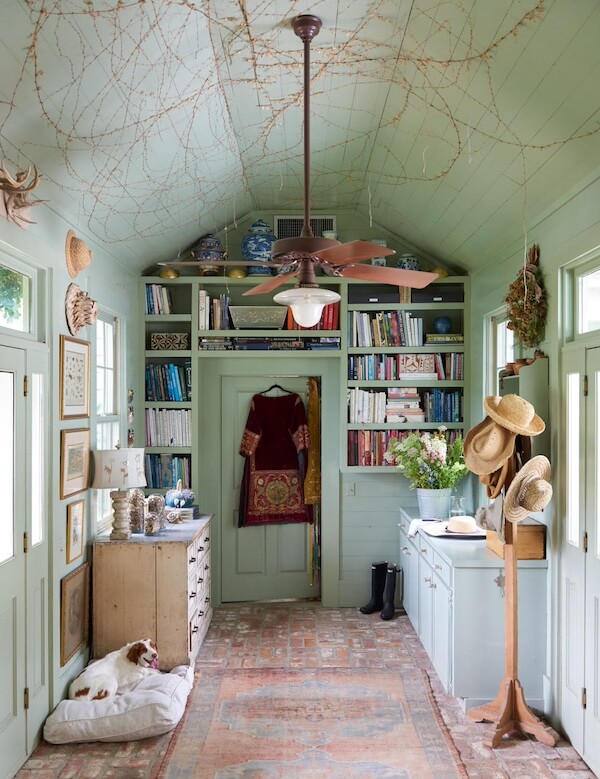
While designing a modern New York interior, she needed something to “bring some age across the room.” The solution took months, but it finally came from an Upper East Side flea market: a 19th-century drapery panel and a priest’s vestment — both with gold embellishments — that she combined into a single, sophisticated pillow.
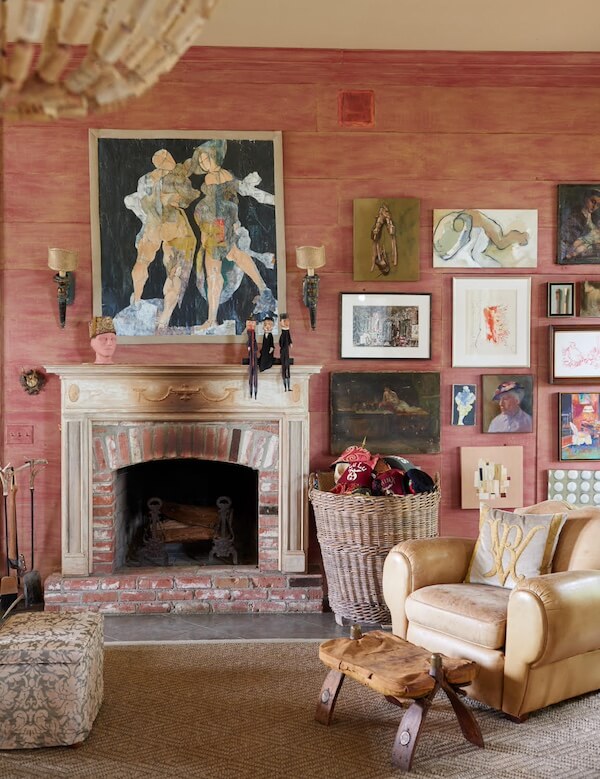
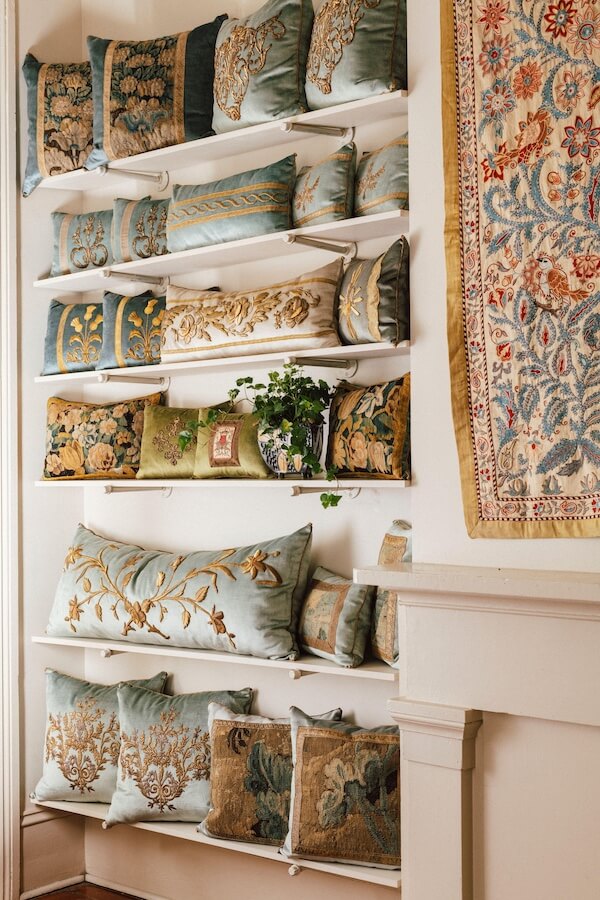
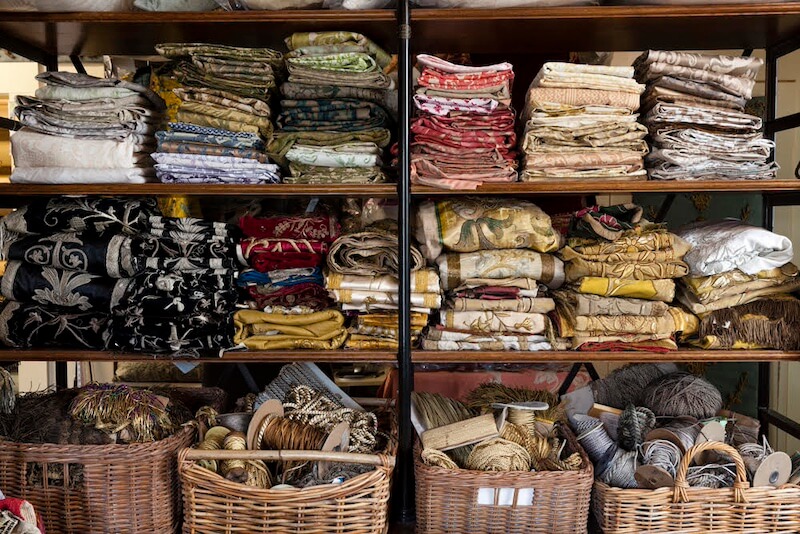
After this pillow revelation, everywhere Rebecca looked, antique textiles were either overloaded with fringe or relegated to dusty trunks. She saw an opportunity to respect history and fill a void in the design market. She made a few more pillows and brought them to New Orleans design icon Gerrie Bremermann. Gerrie sold them. They sold out. More appeared. Those sold too.
Interior design gigs gave way to full-time pillow-making. Rebecca was happier. And where designing full rooms never actually felt complete, her perfectionism finally had a place to rest in a finished pillow.
Taking the Pillows Online and Work to the Community
Following the introduction of the first pillow in 1994, sales quickly gained momentum, thanks to the internet. “I would make 15 to 20 pillows a month and email photos to my list. Whoever replied first got the pillow. It was so much fun,” Rebecca says. As demand grew, so did the assembly work.
B. Viz Design’s head seamstress, Belinda, started as the Vizard’s housekeeper, but she soon became the self-taught webmaster, too. “Within a week of my asking, she was running my website,” Rebecca says. “She is brilliant, but just never had an opportunity.” Rebecca still strives to bring the high-end budgets of her design clients back into the rural community she’s proud to call home.
Katrina, Chaos, and an Unexpected Business Boom
Hurricane Katrina in 2005 and the 2008 recession uprooted lives everywhere — including Rebecca’s clients and seamstresses. “Katrina was wild. People scattered everywhere,” she recalls. St. Joe became a quiet refuge for many as Rebecca and her husband worked to fill their neighbors’ empty summer houses.
One evacuee mentioned she could sew and was soon stitching pillow masterpieces for Rebecca. “She had lost everything,” she says. “And she became one of my top seamstresses. She still sews for me.” Forced pause led to clarity: pillows were the path forward. The business took off in an unexpected season of resilience.
A Shop So Good It Revived a Town
Fueled by a growing number of knock-offs, Rebecca decided to write a book about her process. Once Upon a Pillow debuted in 2015, catapulting B. Viz Designs into the national spotlight. Press coverage stacked up. Designers came calling. Storage space vanished. She needed a shop.
The first shop in downtown St. Joe (about to celebrate its 10th year) breathed fresh energy into an otherwise empty main street. Buses of clubs and groups arrived from Jackson and Shreveport. Customers browsed pillows, then lunch at the local gas station became part of the itinerary. Rebecca began selling other artists’ wares, creating retail magic in the most unlikely of places.
A Mother-Daughter Destiny
Rebecca was admittedly exhausted, traveling constantly for business talks, book signings, and pillow shows. Her daughter, Sarah, noticed. “I realized later in life how special this is,” Sarah says. “I wanted to help keep it going.”
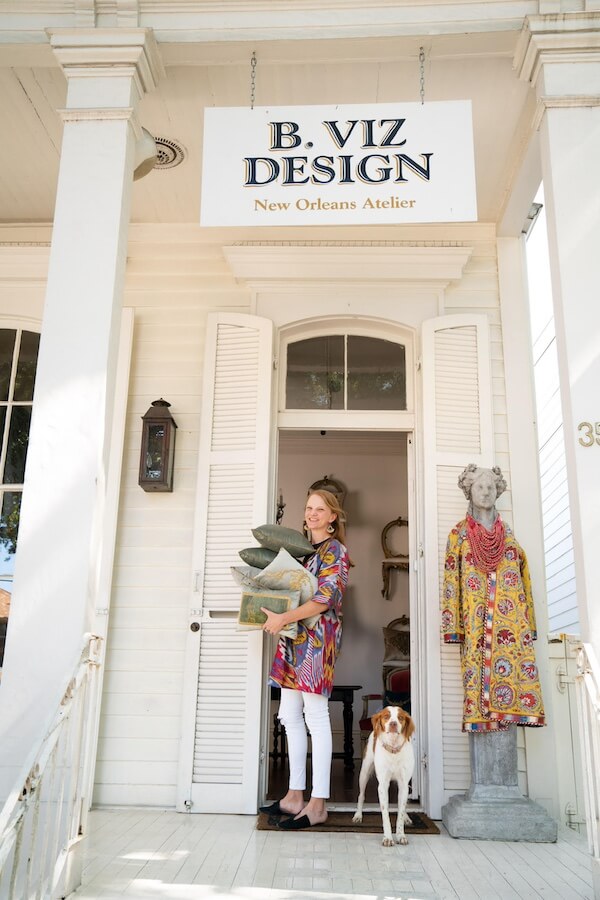
Sarah had been hustling through the post-recession job market, delivering pillows to Gerrie’s shop when home for visits. In 2017, she officially joined the business and helped open the New Orleans storefront on Magazine Street.
Designers from across the country now put B. Viz on their must-visit list when coming to the city. “Antiques and our pillows,” Sarah smiles. “They go together like shoes and dresses.”
Couture Craft, Math Brain, and the Pursuit of Perfection
Rebecca treats a pillow like a couture garment. Her seamstresses are artisans. Every inch of trim is measured for cost. Every stitch is calculated — literally. “It’s a math problem,” she says. “I tape off where the pillows will come from and divide the cost by the number of fronts. It keeps emotion out of it.”
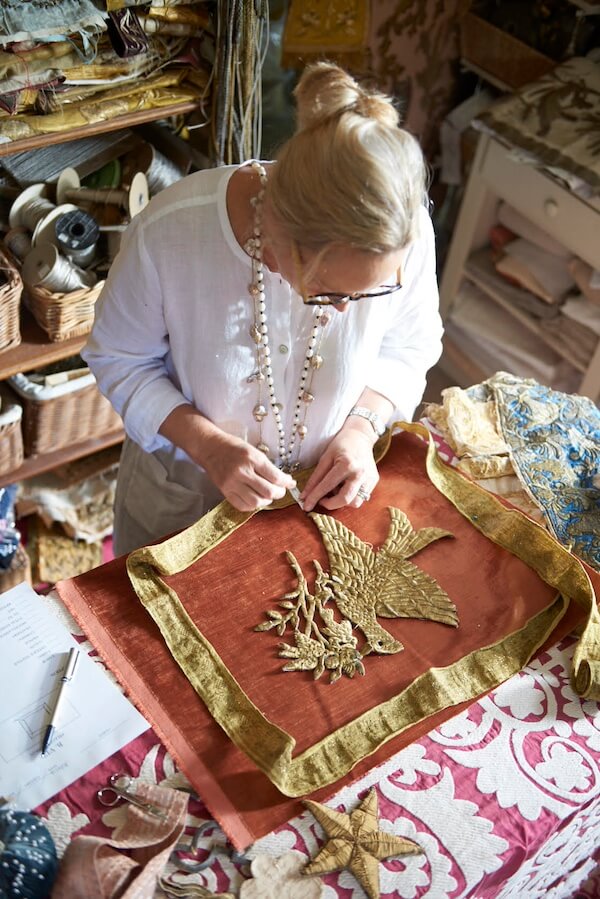
She values the craft as much as, if not more than, the beauty. Seamstresses price their work by the hour for embroidery or by the inch for sewing. No rushing. No shortcuts. Just joy in doing it right.
Treasure Hunting Across the Globe for the Perfect Thread
European flea markets are Rebecca’s second home. Sarah still laughs about their first sourcing trip together when she got a little too excited over a find. “I saw this stunning tapestry of pale blues and greens that I felt two or three customers would just die over,” Sarah says.
“The dealer’s eyes lit up,” Rebecca says with a knowing look. “I whispered, ‘Don’t look excited.’” Today, Rebecca does her own pricing. “I’ll say, ‘I can give you $1,200,’ and if they can make money, great. If not, it doesn’t work. I want them to stay in business. It has to be fair on both sides,” she says.
Why People Become Pillow Addicts
B. Viz clients don’t just buy one pillow — they become collectors. Communities form. Obsessions grow. One New Orleans client confessed, “Is there a support group for this? Pillows Anonymous?” One step into the shop, and you get it. These aren’t just pillows. They’re remixed history. Hand-touched artwork.
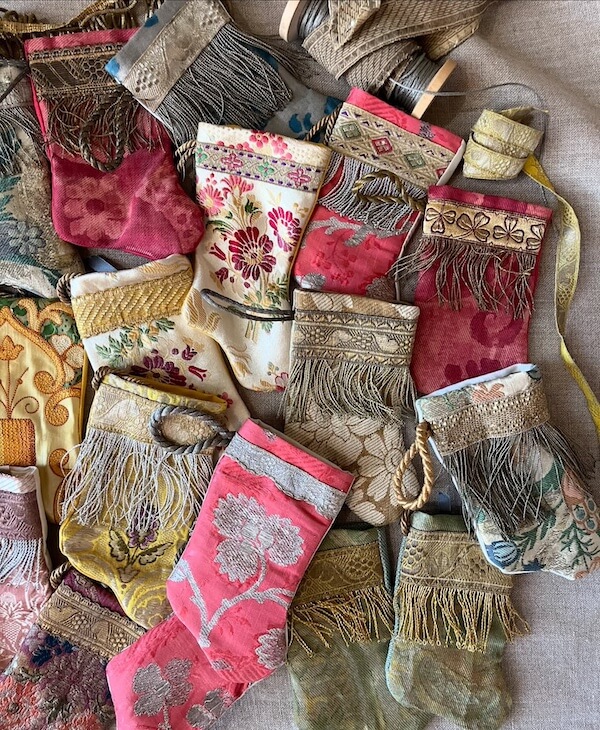
And to think it all began in the tiniest Louisiana village, where Rebecca once believed her creativity would wither. Instead, it bloomed. “I love what I do,” she says. “And I love that it helps other people make a living. That’s the real reward.”
“B. Viz” isn’t only making pillows, she’s stitching a rural community tightly together, one regal recycling project at a time.
This article contains product affiliate links. We may receive a commission if you make a purchase after clicking on one of these links.
**********
Start your mornings with a dose of Style + Substance — subscribe to our daily emails HERE.

Zoe Yarborough
Zoe is a StyleBlueprint staff writer, Charlotte native, Washington & Lee graduate, and Nashville transplant of eleven years. She teaches Pilates, helps manage recording artists, and likes to "research" Germantown's food scene.