

How to Shop for Antique Furniture for Your Home
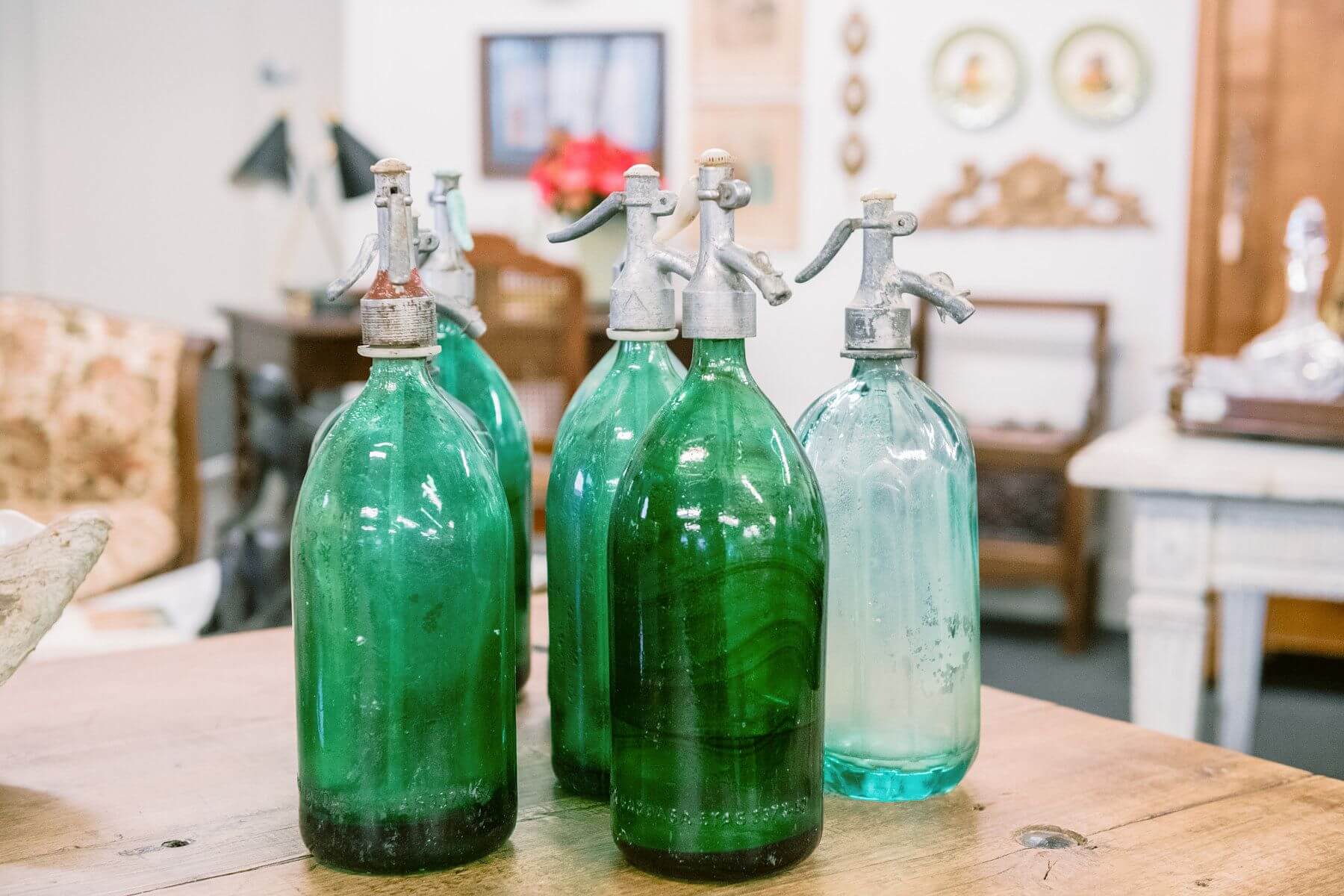
If you love antiques but haven't a clue on how to shop for antique furniture, we have you covered. The antiques experts from Lolo French Antiques et More share their top tips for selecting antiques.
How to Shop for Antique Furniture for Your Home
Quality Counts
Laurent “Lolo” Gouon has nearly 30 years of experience in the antique business. A native of Brittany, France, Lolo travels to his homeland every 90 days in search of authentic antique pieces to bring back to Birmingham. He cleans and restores his finds while maintaining the integrity of each piece. “I stand behind my product,” Lolos proudly declares.
Authenticity Matters
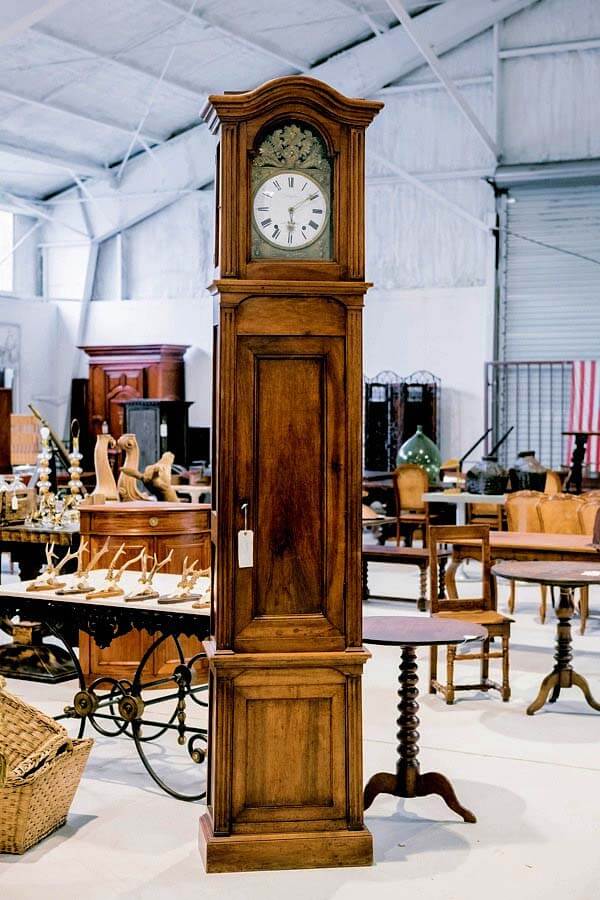
Perhaps you’re overwhelmed by the idea of antiquing because you’re not sure how to know what’s real and what isn’t. “People sometimes are under the impression that antiques might not be quality furniture because they are looking in shops or antique malls that are selling vintage reproductions from the 50s and 60s, for instance, and calling them antique,” Lolo says. Just because something is purchased from a used furniture store or even a vintage furniture store doesn’t mean it’s an antique. An item must be at least 100 years old to be considered a true antique. “Unfortunately, there are plenty of reproductions and brand-new items that are being sold as antiques,” Mimi adds. “The best way to make sure a piece is authentic is to purchase from someone you can trust who is reputable and has experience. Ask questions and find out all you can from them. As dealers, we try to find out as much as we can when we buy a piece in France.” Do research on your own about the maker of the piece, too. “Check for handmade dovetail joints,” Mimi says. “They are slightly irregular because they are custom to the piece.” And if a piece is in perfect condition, that could be a clue that it’s not actually an antique. “Imperfections are a sign that a piece is old,” Mimi explains. “The patina and cracks, dings, and marks add character to a piece and are a sign of age as well.”
What to Buy
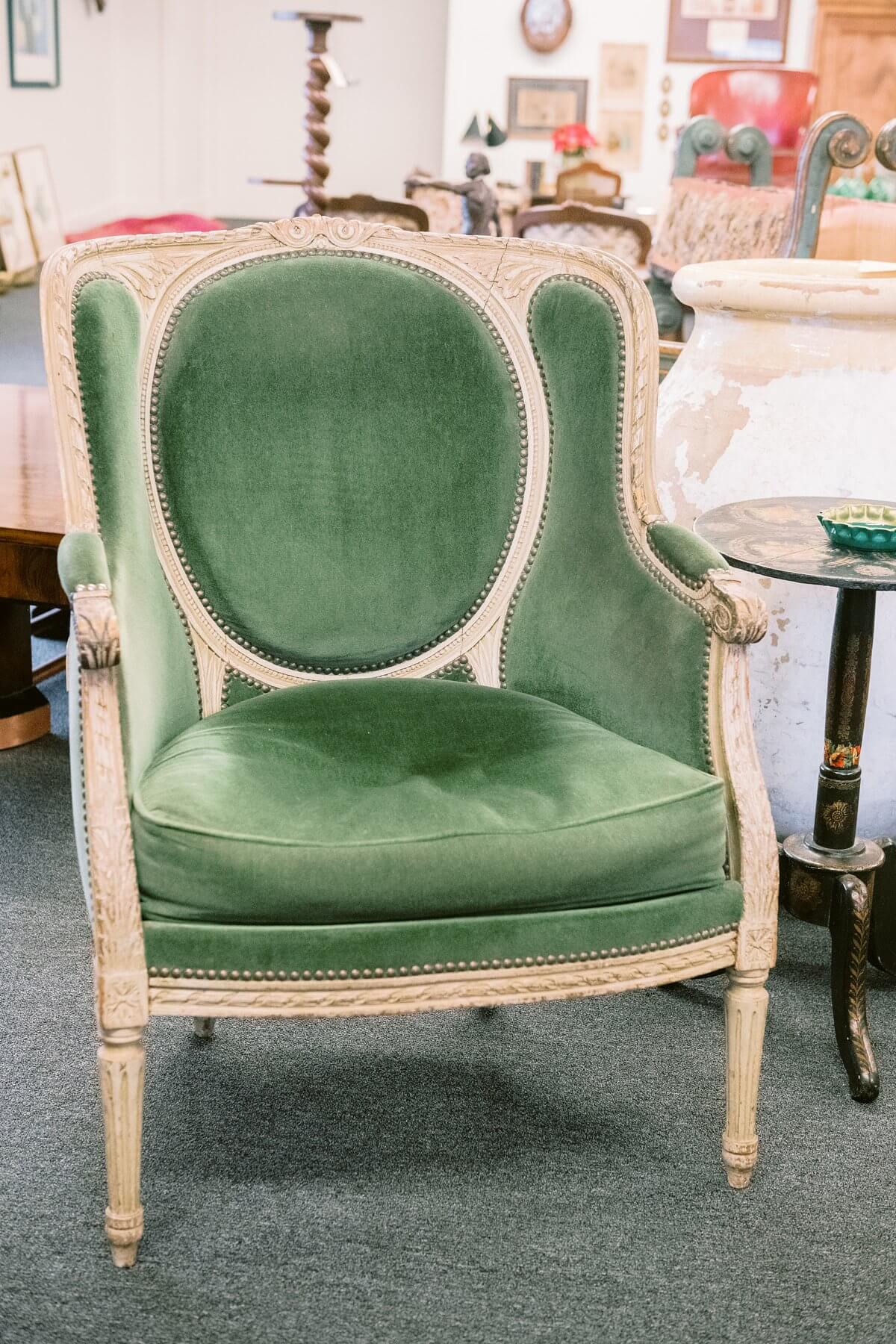
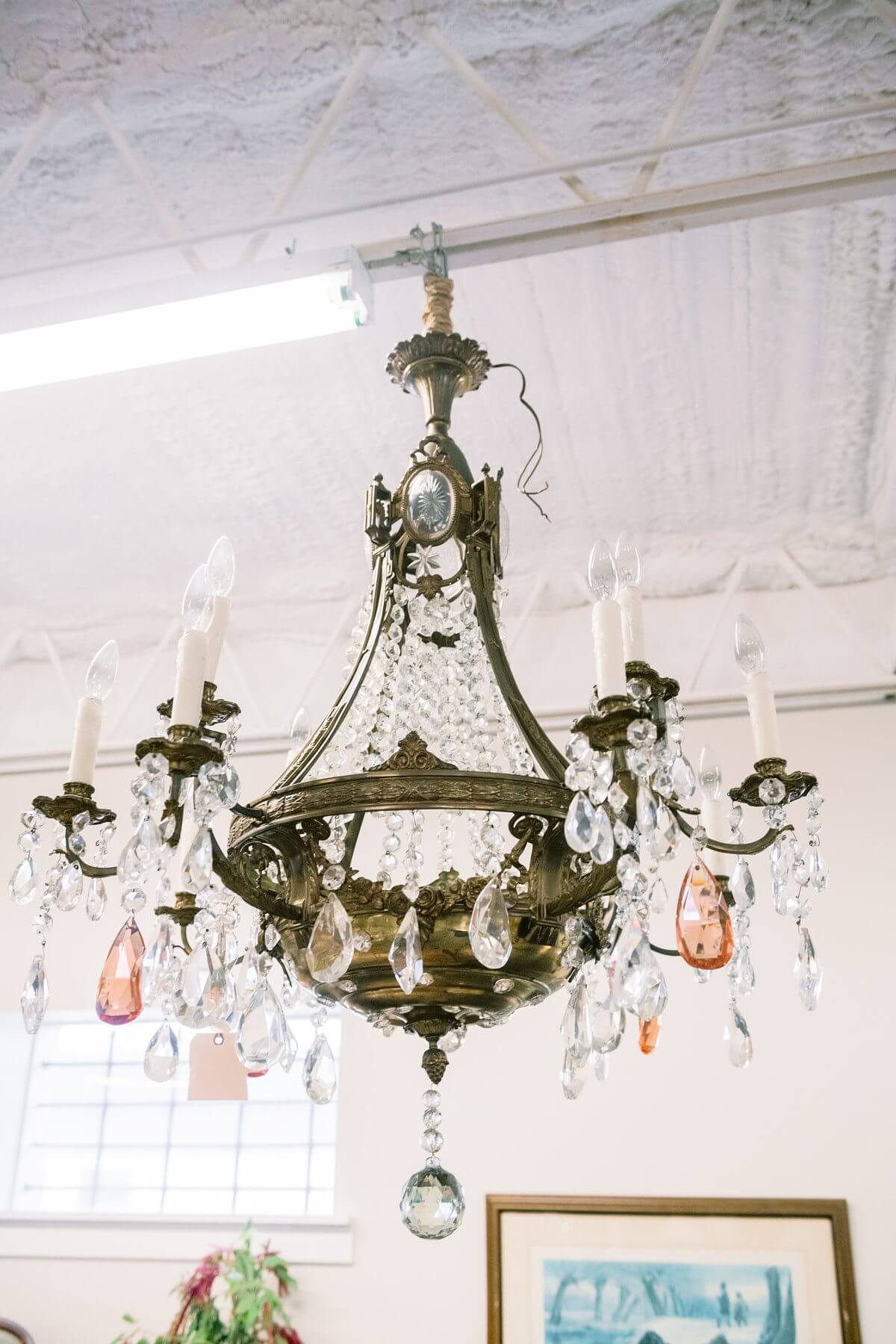
While pieces in the Louis Philippe style of the 1800s and the Louis XV style of the early 1700s are still popular picks, Lolo says the Louis XVI style is most in-demand these days when it comes to antique French furniture. The Louis XVI Neoclassical style began in the 1750s and was first applied to furniture in the 1760s. Pieces from this era are marked by straight lines, right angles, fluted columns, and carved friezes. “It works very well with modern [pieces],” Lolo says, explaining the popularity of Louis XVI. Mimi adds that people shouldn’t be afraid to mix things up. “Buy new upholstered pieces, but mix those with antiques that have character and age,” she says. “I always suggest, to young buyers especially, that they buy a beautiful antique table, chest, buffet, or mirror to start with. A mirror with antique mercury glass that has dark spots or wavy glass is always a good choice, as is an antique trestle table with a three-inch thick top that the whole family can gather around.” RELATED: Lolo French Antiques et (So Much!) MoreMake Your List and Check It Twice
Lolo’s top tip for antiquing is simple: Do your research. Once you know what kind of piece you want, be sure you know what size piece you need. Measure the space where you want to put the piece, making note of the height, width, and depth of the area. Consider the color you want, too. Do you want dark or light wood? What color would be better suited for the room you plan to place the piece in? Research various antique dealers online to get an idea of what you can expect to spend on the pieces you want and set your shopping budget. Once you’ve purchased a piece, make it your own. “Unless it is a museum-quality piece, make it work for your home or space,” Mimi says. “If you have to add a rod so that you can use an armoire as a closet, then add one.”

Javacia Harris Bowser
Javacia Harris Bowser is a Birmingham-based freelance writer and the founder of See Jane Write, an online community and coaching service for women who write. With over 20 years of journalism experience, Javacia has received awards from the National Federation of Press Women, Alabama Media Professionals, Alabama Press Association, and the Alabama State Council on the Arts. When she’s not writing, she’s usually practicing Pilates, getting her 10K steps a day, or watching crime shows. Follow Javacia on Instagram @seejavaciawrite.