
Meet the Woman Who’s Inspiring Memphis’s Next Generation of Theater Artists
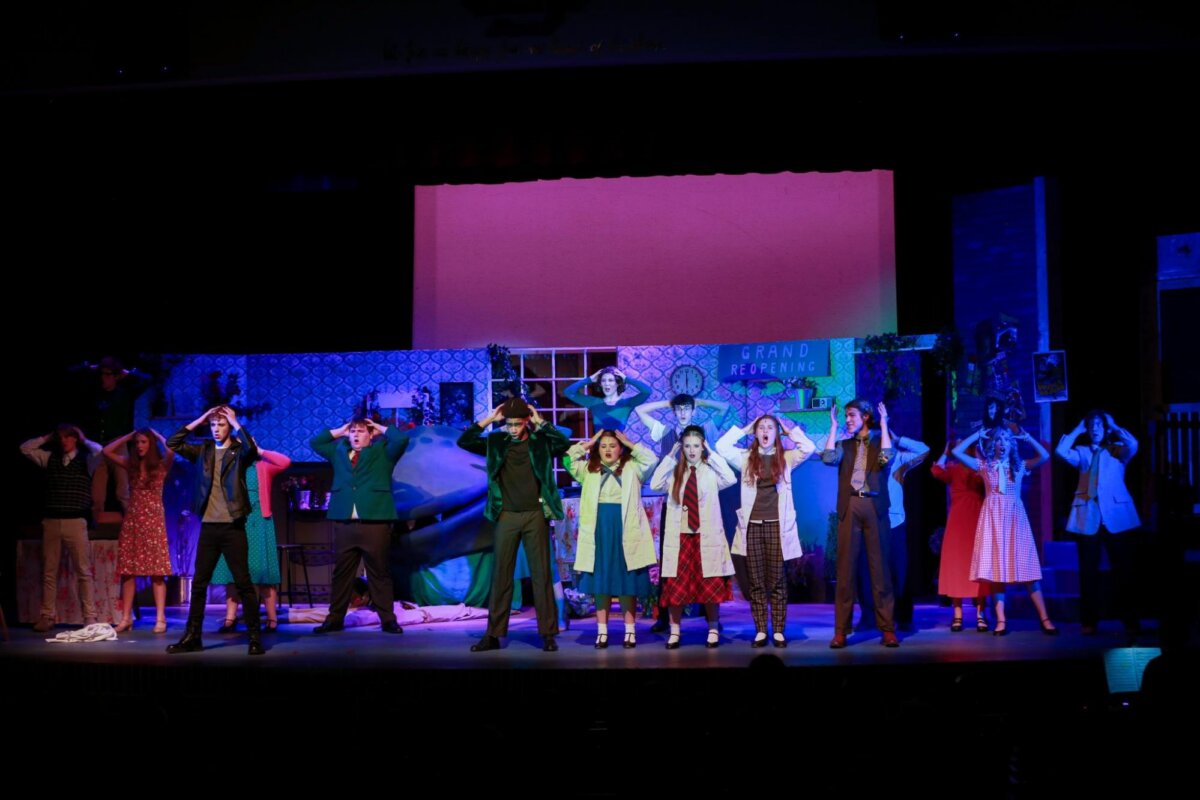
From touring with theater companies across the country to inspiring young performers right here in Memphis, Jennifer Aycock has spent her career proving that the magic of theatre goes far beyond the stage. Image: Tiny Roses Photography
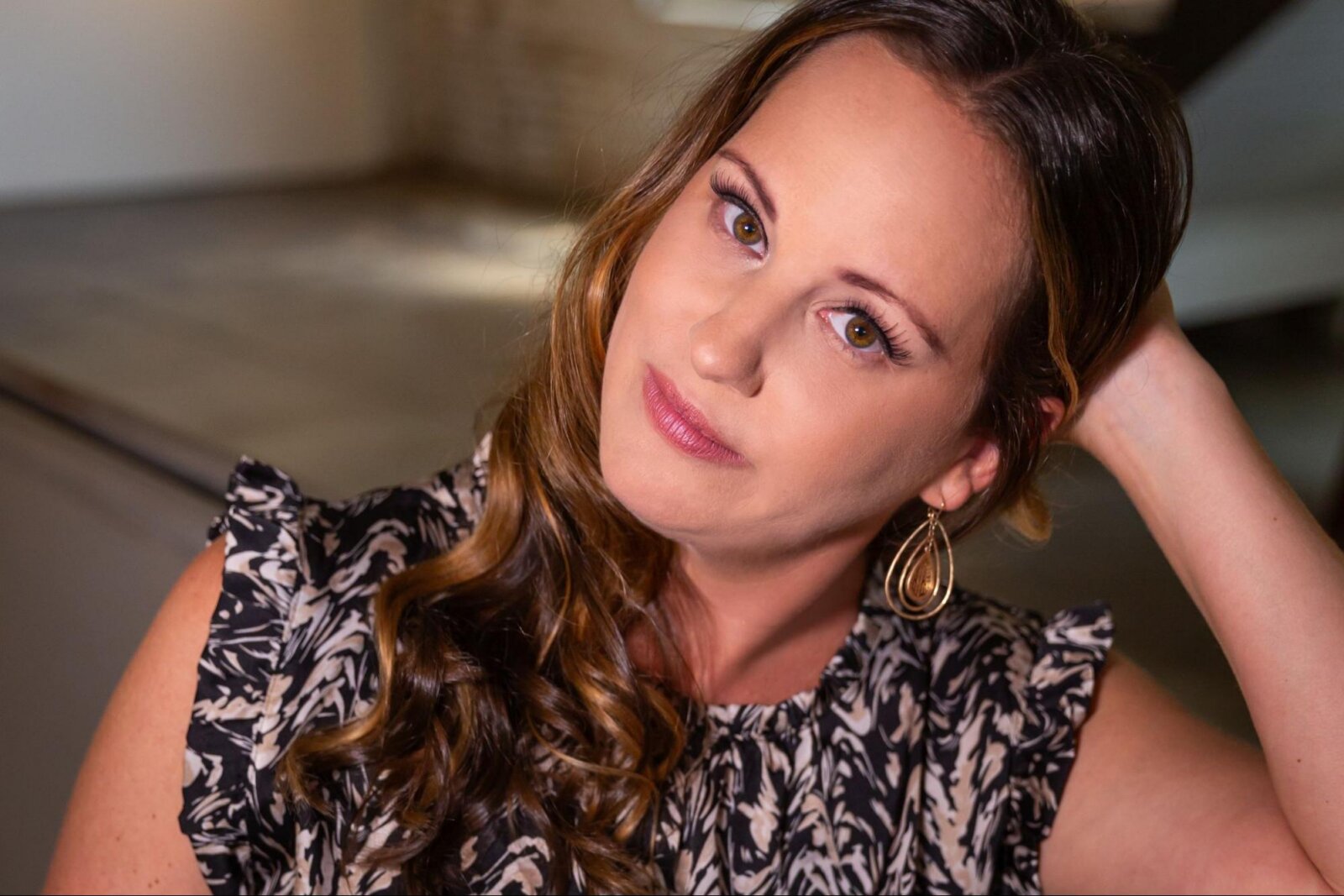
For Jennifer Aycock, theater is about so much more than what happens onstage. After years of performing and touring with different companies, she returned to Memphis with a passion for creating welcoming spaces where young performers can grow, take creative risks, and discover their potential.
Today, she brings that philosophy to her work as the theater director at Christian Brothers High School (CBHS) and co-owner of Sunfish Children’s Theatre. We caught up with Jennifer to talk about her journey, the power of arts education, and the Memphis community that continues to inspire her.
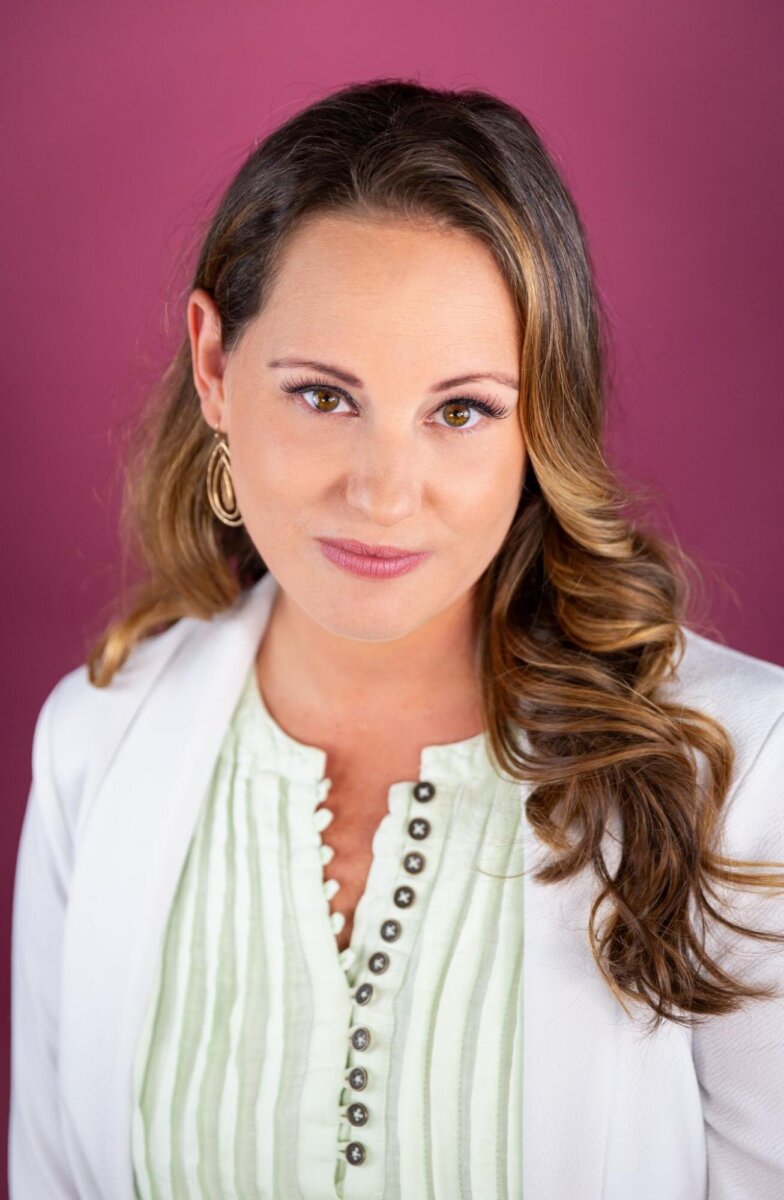
What was life on the road with a traveling theater group like?
When I was on the road, the groups I traveled with became like family. We had to trust and rely on one another to get from point A to point B, and all of us had to pull our own weight. When performing in different cities, some of the cities or towns were extremely small, and we were the only theater experience they would have access to for the entire year.
We are very lucky in Memphis, and very privileged, to have such a thriving and exuberant arts community.
How did your early days as a performer shape your teaching philosophy?
I spent a lot of time backstage, in the wings, and in the dressing rooms at local theaters when I was very small … and everyone was always very welcoming. I was able to see the process from all different angles and viewpoints, and I believe that it set an example for me — that the atmosphere and positive, welcoming spaces are where the best art is created.
As the first female theater director at an institution with such a rich, historic legacy like CBHS, what has that trailblazing experience been like?
I’ve been able to bring different perspectives to the theater program. I push my students because I know what they are capable of and believe in them even if they do not believe in themselves quite yet. I care about them not just as actors, but as people.
Each year, the rehearsal process becomes more streamlined, and as every show brings its own unique twists and turns, we take care to learn and grow from each one as we enter into our next project.
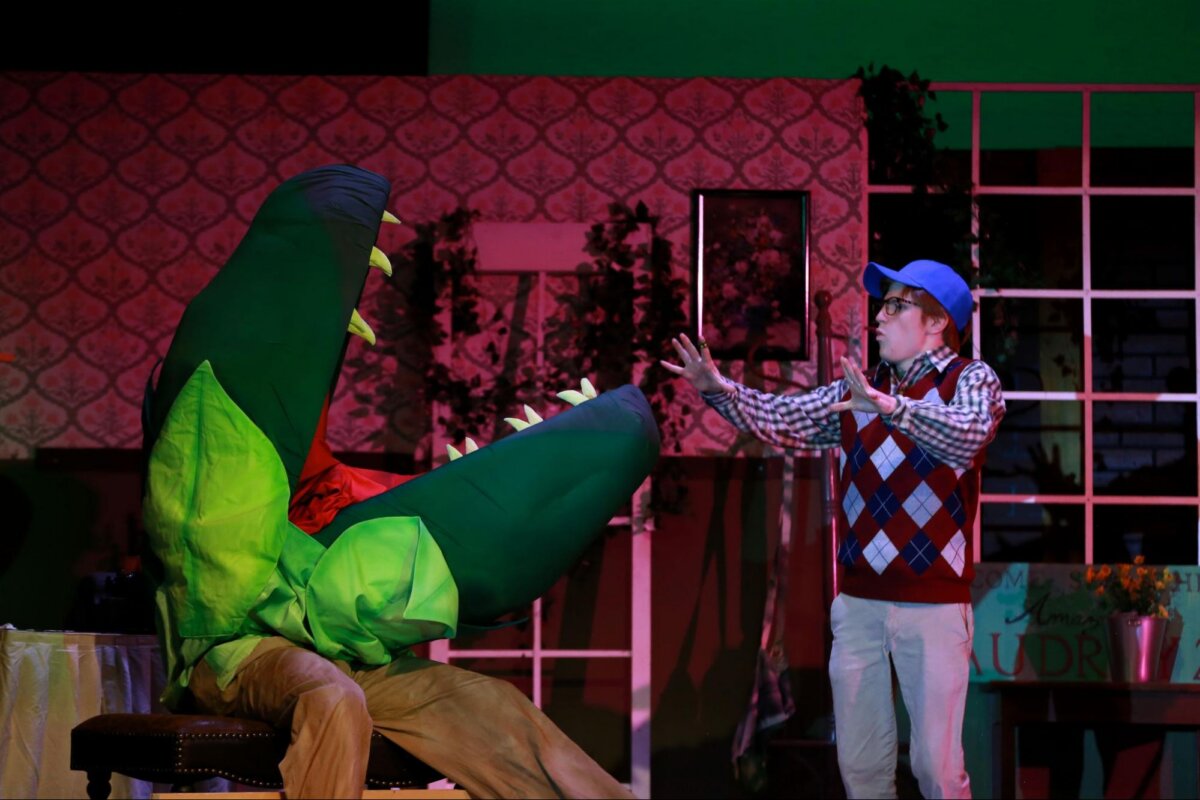
How has your professional background shifted the artistic choices of the student actors?
I want my students to understand that theater is about learning to work together, being independently responsible, and pushing themselves creatively. I give them the freedom to make their own choices, while still holding them to high expectations.
One of the major shifts my students said they have noticed is the focus I place on self-reliance. Trust has become a major factor in the ensembles of each show, helping everyone pull their weight and develop strong artistic voices.
How do you balance traditional theatrical standards with keeping teenagers fully engaged and inspired?
It is important that you try to teach each individual student rather than the entire class as a whole. Each class I instruct during the day is made up of students who have varying levels of experience with theater and acting, if any at all.
I make it clear at the beginning of each school year that I recognize this, and try to hook the students with whatever their interests are coming into the class, whether it be performance, technical theater, design, leadership, or any other number of life skills the performing arts can provide once they leave high school and go out into the real world.
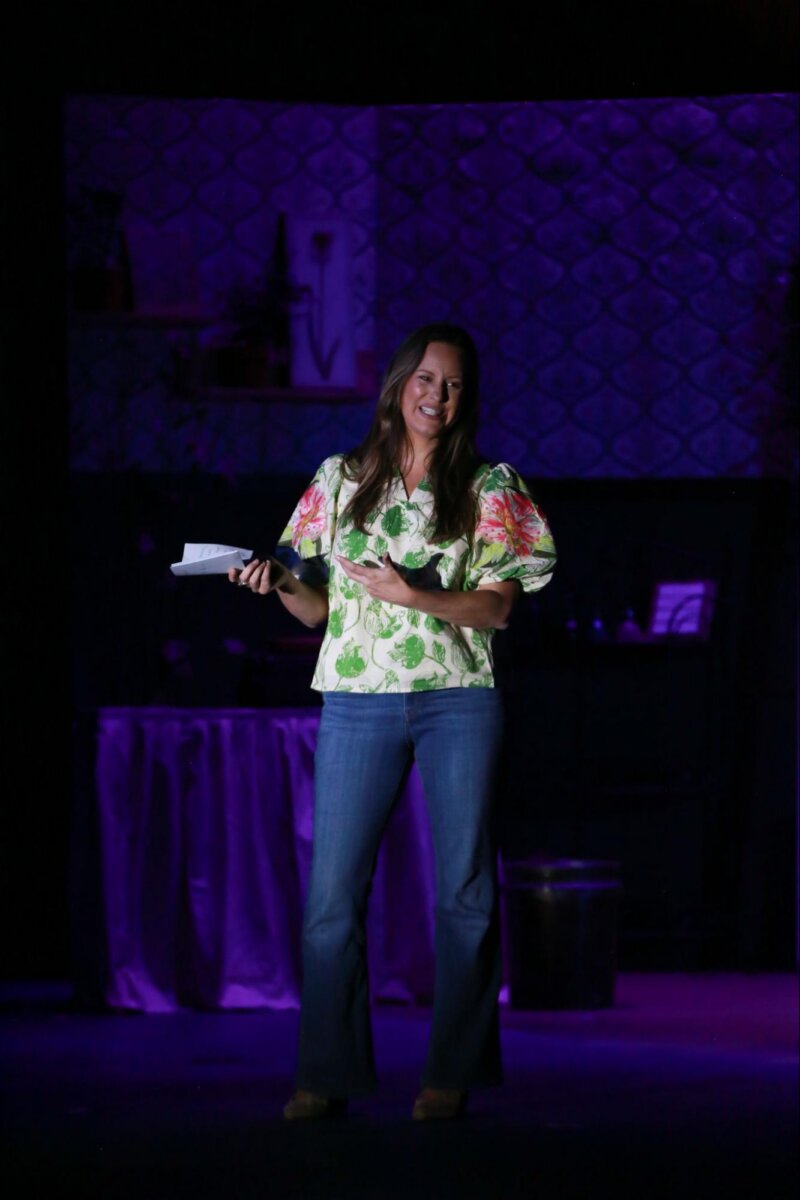
What inspired you to build a haven specifically for young performers?
My husband and I acquired Sunfish from its original creator, Erin Lindberg. She was moving away, and I saw she was closing the company. I reached out to learn more, because if anything, we need more youth education in the community, not less! I believe she began the company with her young girls in mind, and this was also a factor in my decision to continue Sunfish.
I believe that if the introduction to the performing arts begins at a young age, it will encourage them to continue in the future. It isn’t necessarily about acting, but what the arts can do for individuals in the long term, mentally and emotionally, teaching discipline across all aspects of life.
You work with performers of all ages, from young children at Sunfish to high school students at CBHS. How does your approach differ between the two?
Each environment requires energy and passion, setting solid examples and outlining clear expectations. I try to model what I want in both atmospheres, so it is obvious what the process looks like. And I suppose that for the younger actors, it is more process-than-product-based, while with the older actors there is an expectation of a professional end product.
Memphis has such a vibrant, collaborative arts community. How do you see Sunfish helping young performers become part of that community as they grow?
I am already seeing this unfold, and it is so beautiful to watch. I recommend different programs, theater conservatories or camps, and also individuals for private coaching based on each child’s need for growth. There are students performing in shows all over the city, and already training with some of my former students who I taught when they were the same age.
If you could handpick any production to direct next, with zero budget limits or constraints, what would it be and why?
Proof by David Auburn. It isn’t a big, flashy show, but the family dynamic and struggle with grief and truth is something everyone has gone through, and I believe its impact would be lasting.
I also just read John Proctor is the Villain this past summer, so in the right setting, I would love to get my hands on it.
What advice would you give your younger self as you were beginning your career?
Lean into the individuals who are your backbone and cheerleaders. Those are your people. They see your vision, and they are the family you will be able to fall back on when you are not sure if you can continue moving forward.

What does your ideal weekend in Memphis look like?
Lazy mornings at our house with my family and dogs, then brunch at a local spot, and getting out and about in whatever area of the city has something fun and interesting going on, followed by date night with my husband, going to dinner and a concert, dancing, and music. Reading a good book on Sunday afternoon, curled up with everyone on our couch.
What are a few of your favorite local Memphis businesses or hidden gems?
I love Acre. The atmosphere, the food … all pristine! Primas is a must for treats and cakes, and Sweet Lala’s has a secret little space I escape to every now and then to get some quiet work done.
This article contains product affiliate links. We may receive a commission if you make a purchase after clicking on one of these links.
**********
For more inspiring FACES of Memphis, click HERE.

Rachel Mullen
Born and raised in Memphis, Rachel is a third-generation Memphian, professionally trained pastry chef, and owner of Primas Bakery. As StyleBlueprint’s Memphis Market Leader, she is passionate about highlighting the people, places, and stories that make the Bluff City special, with a focus on community, culinary experiences, and meaningful connections.