7 Spooky Southern Legends That’ll Make You Lock Your Door Tonight
Boo Hags, Mothman, and Rougarous, oh my! Spooky Southern folklore reveals the eerie stories lurking on pretty porches, quiet bayous, and mountain trails. Image: iStock
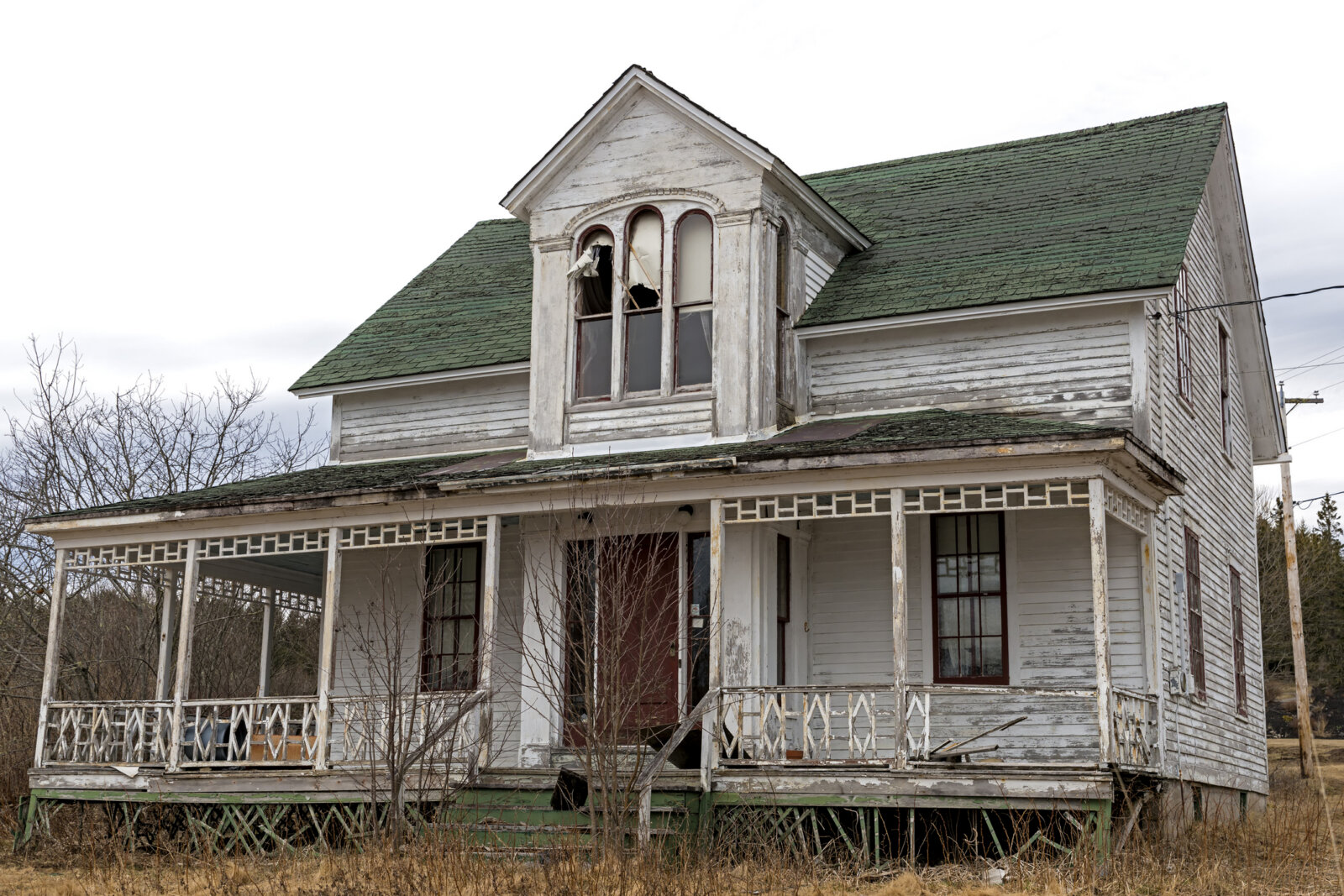
Your memaw, your camp counselor, and your neighbor up the road probably all have a haunting story that still gives you chills. Across the South, eerie tales and curious superstitions pass through families and towns, resurfacing around campfires when the air turns crisp. From familiar porch traditions to creatures you don’t want to run into, these Southern legends might have you actually locking the front door tonight.
Haint Blue: A Pretty Color with a Protective Purpose
That pale blue porch ceiling might pair perfectly with your spring hydrangeas, but its backstory has less to do with curb appeal and more to do with keeping away unwanted guests.
The Gullah Geechee people descended from enslaved Africans who worked the rice, indigo, and cotton plantations of the lower Atlantic coast. Haint blue has long been associated with the spiritual traditions of the Gullah Geechee communities along the South Carolina and Georgia coasts.
Blue paint lacquered on doors, windows, and porch ceilings is thought to offer protection from “haints” or spirits. One explanation holds that the watery color discourages spirits that are unable to cross water. Another says a sky-like ceiling confuses them into moving along.

Though traditions and explanations vary, and not every Gullah Geechee family uses the term or shares the belief, the color offers a glimpse into a history much deeper than a paint swatch. The next time you admire a blue ceiling, consider what its earliest occupants might have hoped to deter.
Waking Up Exhausted? A Boo Hag Could Be to Blame
A crummy night’s sleep takes on a much creepier meaning within the story of the Boo Hag, another prominent figure from Gullah Geechee folklore. Remember, this is a community of enslaved people scattered across some pretty remote islands in the Lowcountry. The histories and customs of their African homelands lived and evolved through art, song, and storytelling.
In some tellings, the Boo Hag looks pretty basic by day, but come nightfall, she slips out of her skin to go hunting. The skinless creature squeezes through tiny openings to reach a sleeping victim, pins them down, and drains their energy. Some versions describe her as stealing their breath. By morning, the sleeper is exhausted, while the hag reclaims her daytime disguise.
Victims are said to have some defenses against the Boo Hag. Salt or the aforementioned blue paint can deter her, while a broom beside the bed can provide another obstacle. In some tellings, the hag must count the broom’s straws, buying the sleeper time until sunrise. With each retelling, the folklore lives on.
Some say the Boo Hag’s story was born from the Gullah Geechee’s religious connection between the dead, reconciling unfinished business with the living. Others point to its representation of the oppression and soul-stripping experience of slavery. This well-researched PBS Monstrum episode on the Boo Hag offers more context and is a good watch!
The Rougarou: Louisiana’s Werewolf?
Y’all already know that Louisiana’s swamps have plenty of creatures worth giving a wide berth. Cajun folklore adds one more: the Rougarou, a cursed person capable of taking a wolf-like form. The name comes from the French loup-garou, or werewolf, and the stories have taken different shapes across generations.
Some describe a beast that stalks the bayou. Others use it as a warning to misbehaving children or to Catholics who fail to observe Lent. One particularly unsettling telling offers a way to break the spell, with a catch. Draw the Rougarou’s blood, and the creature becomes human again. The person who wounded it, however, inherits the curse for the next 101 days.
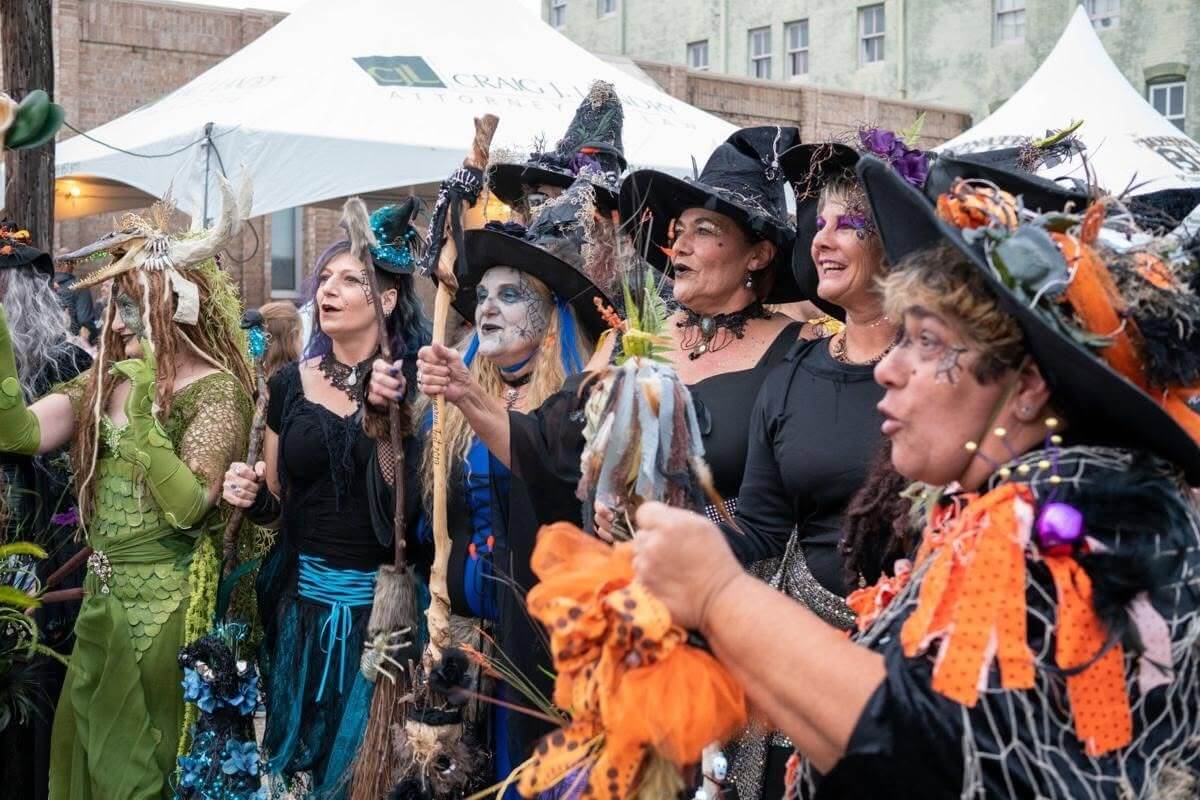
Today, the legend takes a more cheerful form at Houma’s Rougarou Fest, where costumes, raucous music, and parading krewes celebrate Louisiana folklore.
The Mysterious Breaux Manuscript
An account of household customs doesn’t sound especially frightening until you reach the part about witches’ gatherings and pervading superstitions. An anonymous text known as the Breaux Manuscript was completed in 1901 and recounts Louisiana Cajun life dating back to the 1840s. Judge Joseph Arsenne Breaux left it to the Louisiana State Museum in 1926. Although it’s unsigned, evidence suggests Breaux himself may have written it.
Reading throught it, it’s fascinating that, alongside cozy descriptions of schooling and family life, there are accounts of some pretty out-there supernatural happenings. One section describes these “astonishing apparitions” — nighttime gatherings of “wizards and little devils” in the woods, accompanied by music, cries, and laughter. Travelers have felt invisible hands stop them and seen figures passing above them. Others noticed strange footprints, abandoned shoes, broomsticks, and banquet remains in the morning.
Yes, these are dubiously recorded stories and beliefs, not evidence of supernatural events. But what makes them linger in the story lover’s imagination is their proximity to ordinary life. Read through the superstitions and see if you recognize any from your own Southern upbringing.
The Moon-Eyed People: Appalachia’s Unsolved Legend
Let’s move from the Lowcountry up to Appalachia, the South’s other super-saturated place of superstition and lore. For centuries, witnesses have described a mysterious people whose eyes can’t tolerate daylight. The small, nocturnal “Moon-Eyed People” were said to predate the Cherokee, who arrived in the southern Appalachian Mountains around 1100 AD.
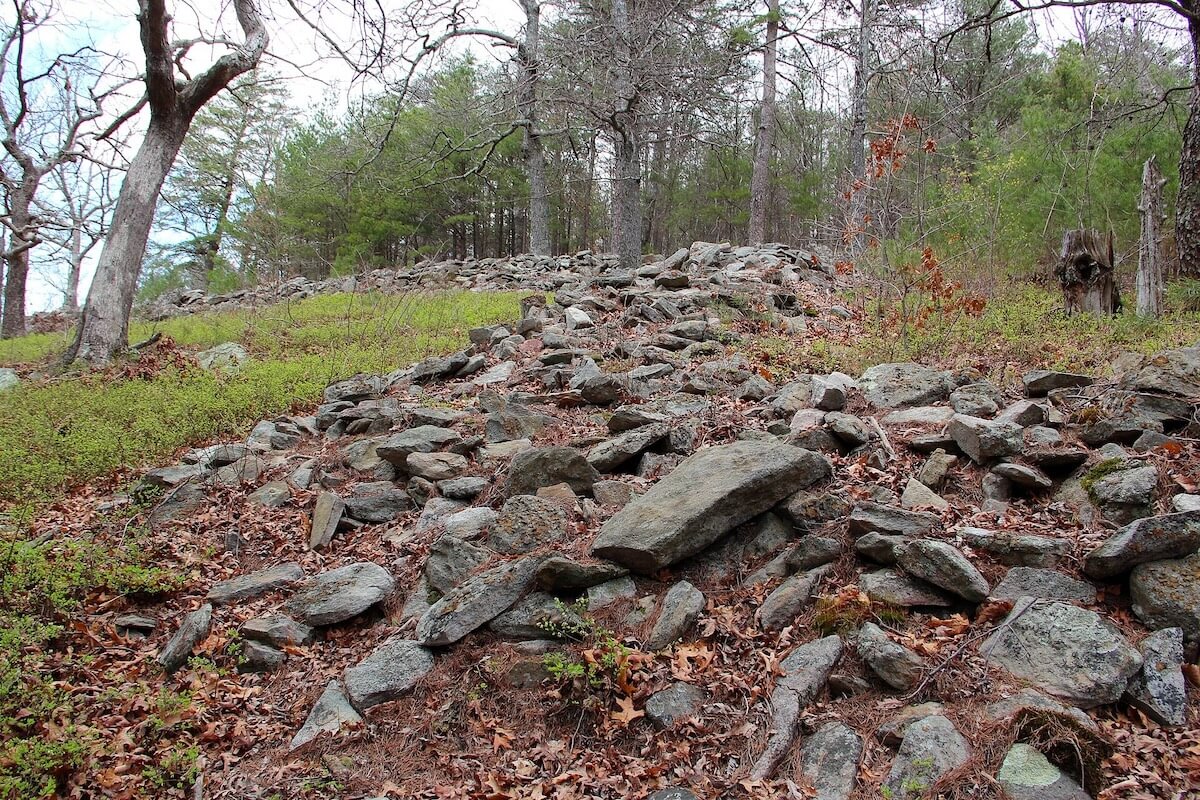
The Moon-Eyed People’s origins remain a mystery, but regional lore links them to unexplained stone walls and fortified places across the Southeast. Among the best-known is the roughly 850-foot stone wall at Georgia’s Fort Mountain State Park. Its connection to these legendary inhabitants is unproven, but curious visitors show up in droves to ask about it.
Sixty miles away in a Cherokee museum in Murphy, North Carolina, sits a mysterious three-foot-tall talc and soapstone statue. Found by a farmer in the 1840s, it seems to depict the oval faces and crescent eyes of other isolated tales.
So, who were these supposed nighttime inhabitants? Theories range from an earlier Indigenous population to Welsh settlers, with later storytellers adding increasingly fantastic explanations that include aliens.
Their disappearance has inspired competing stories, too. According to the Creek, an attack beneath a full moon left the light-sensitive Moon-Eyed People defenseless and forced them to flee. Another, attributed to the Cherokee, says they were driven westward into what is now Tennessee. In other tellings, they retreated underground, never to return.
Mothman: Red Eyes Over West Virginia
Not every regional legend stretches back centuries. One of Appalachia’s creepiest and most famous creatures entered the public imagination in the 1960s, and you really don’t want to see its red eyes in your headlights.
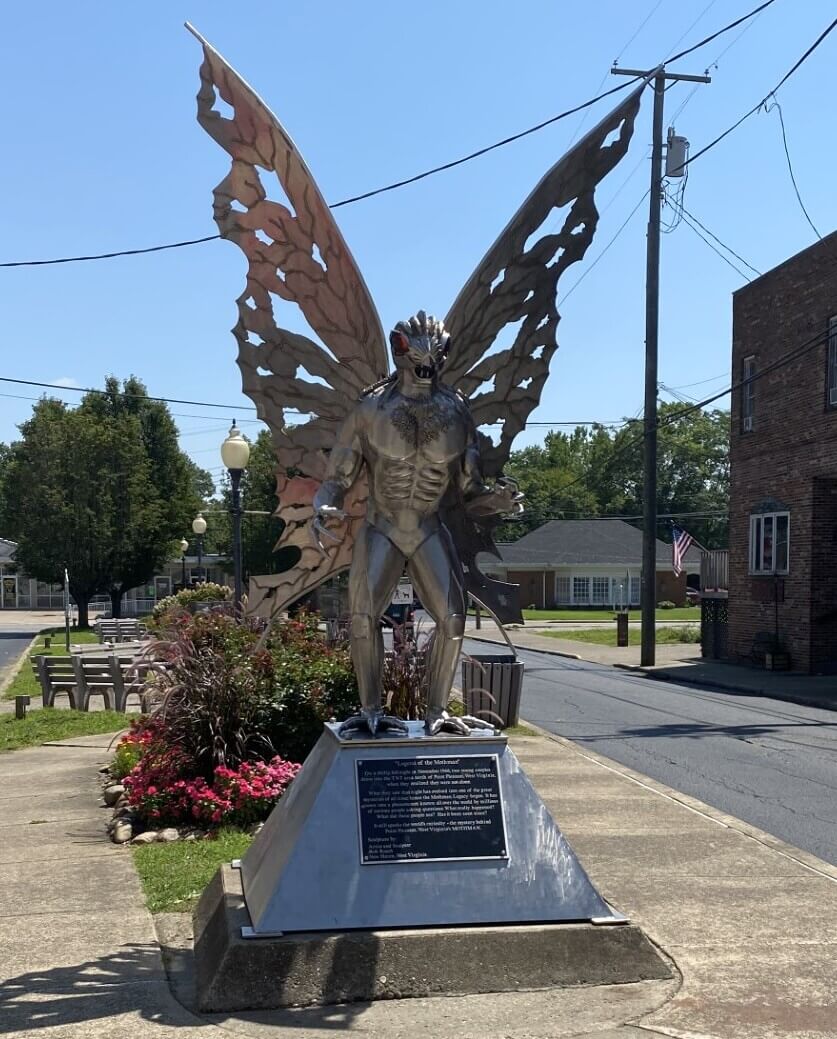
On November 15, 1966, two couples driving near an abandoned TNT factory in Point Pleasant, West Virginia, reported encountering a large, winged figure with glowing red eyes. Their account became a news sensation. More sightings of the cryptid followed, and online spooky-obsessed sleuths still explore the Mothman region today.
The story of the newly-named Mothman took a darker turn after the Silver Bridge collapsed in December 1967, killing 46 people. Later retellings linked Mothman to the tragedy as a possible omen, but that connection is all legend.
Heard Something in the Appalachian Woods? No, You Didn’t
If you’ve spent time on the spooky side of social media, you know the warnings: don’t whistle back, don’t look up into the trees, don’t answer the voices, don’t be out from dusk to dawn, and if you heard something weird — no, you didn’t.
Online accounts often invoke “mimics” or an “Appalachian Whistler,” an unseen presence that uses sound to lure the unsuspecting into the woods. These stories are chilling to outsiders, but the viral “rules” shouldn’t be presented as a single, ancient Appalachian tradition. They mix regional lore with contemporary horror and borrowed material. That nuance deserves its own article entirely.
Folklorists point out that documented Appalachian ghost stories often feature spirits seeking justice or protecting the living, just like we saw in Lowcountry folklore. TikToks titled #HauntedAppalachia may suck you in, but there’s much more to the region than a forest full of things waiting to grab you.
**********
Meet inspiring people, discover new travel destinations, find delicious recipes, and more — Subscribe to StyleBlueprint.

Zoe Yarborough
Zoe is a StyleBlueprint freelance writer, Charlotte native, Washington & Lee graduate, and Nashville transplant since 2012. She teaches Pilates, helps manage recording artists, and likes to "research" Germantown's food scene.