

Cycle Syncing 101: What to Eat During Each Phase of Your Cycle
A Certified Hormone Specialist shares how subtle diet changes can support your hormones through the four phases of your menstrual cycle — plus a delicious new recipe to reach for during each phase! Image: Elliot Smith-Hastie
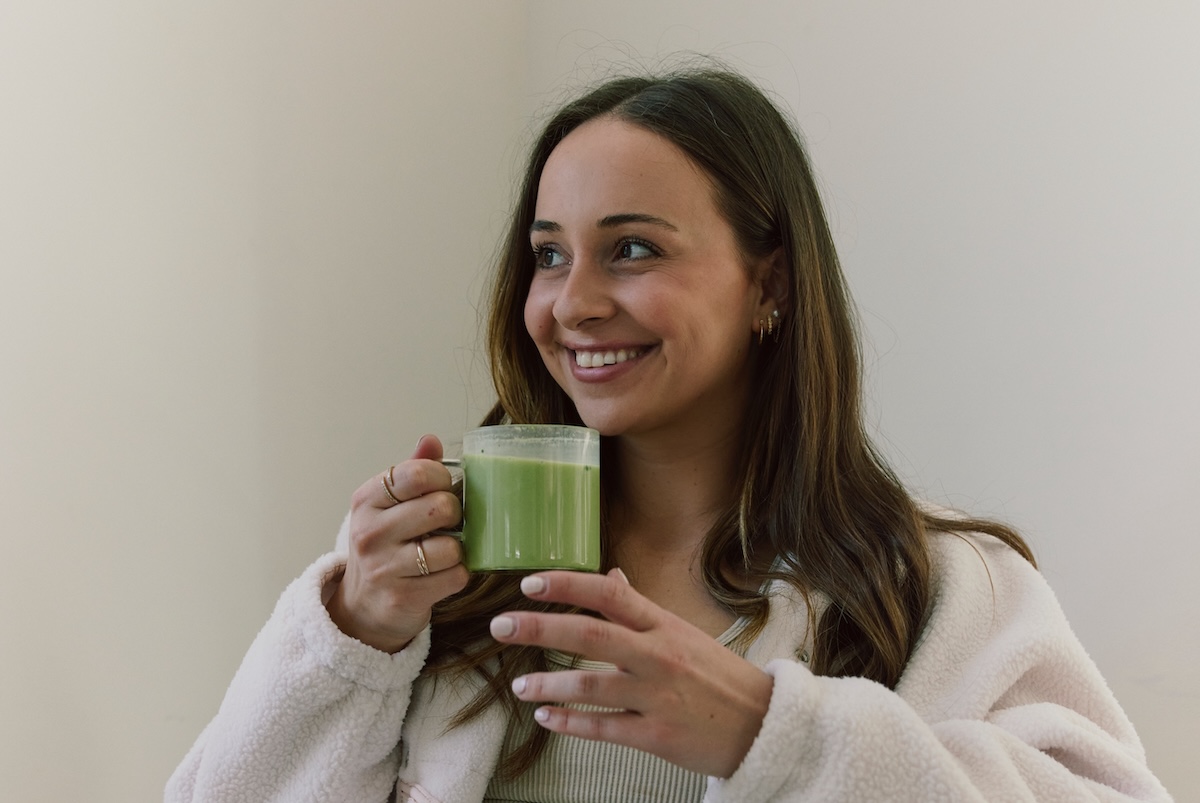
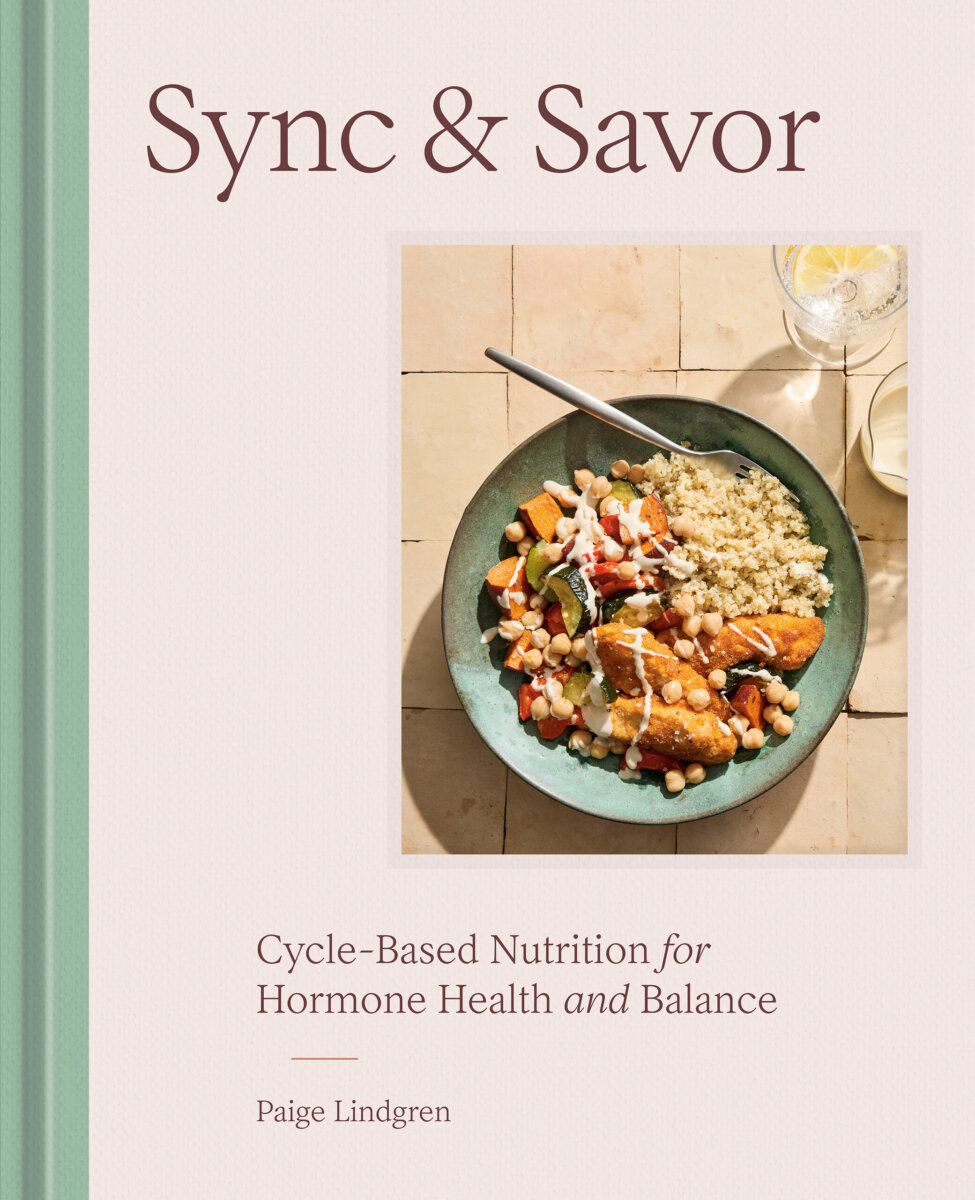
Today’s article comes to us from Certified Hormone Specialist and Holistic Nutritionist Paige Lindgren. You can find lifestyle tips and recipes in her debut cookbook, Sync & Savor: Cycle-Based Nutrition for Hormone Health and Balance.
**********
For many women, the menstrual cycle feels like something to push through rather than something to understand. But once you start paying attention to it, a different picture begins to emerge — one where energy, cravings, mood, digestion, and motivation are not random, but rhythmic. Through “cycle syncing,” you can support your body through each phase with simple shifts in your routine.
What is Cycle Syncing?
Cycle syncing is the practice of adjusting your food, movement, and lifestyle habits to support the natural hormonal shifts that occur throughout your cycle. Instead of expecting yourself to feel and function the same every day of the month, you begin working with your hormones instead of against them.
The goal isn’t perfection. It’s awareness. And for most women, that awareness alone is what begins to shift everything — how they eat, how they rest, and how they understand their own energy.
Once you understand your cycle, nutrition stops being about control and starts becoming about support.

The Four Phases of the Menstrual Cycle
The menstrual cycle has four phases: menstrual, follicular, ovulatory, and luteal, each with its own hormonal rhythm and, in turn, its own nutritional needs.
During menstruation, both estrogen and progesterone are low, which often shows up as lower energy and a natural need for rest and replenishment. After that comes the follicular phase, when estrogen begins to rise and energy, focus, and motivation often return. Ovulation follows as the peak of the cycle, when estrogen is highest, and many women feel more social, confident, and energized. Then comes the luteal phase, when progesterone rises, and symptoms like cravings, bloating, fatigue, and mood shifts can appear — not as something to fight, but as signals that the body’s needs have changed.
When you understand this rhythm, you realize your body isn’t inconsistent. It’s responsive.
THE FOLLICULAR PHASE
The follicular phase often feels like a reset. Energy begins to rise, digestion feels lighter, and there’s a natural pull toward freshness and simplicity. This is when I encourage women to lean into colorful produce, lean proteins, fermented foods, and fiber-rich carbohydrates — things like berries, citrus, leafy greens, quinoa, and yogurt. It’s also a phase when motivation tends to return, making it an ideal time to try new recipes, re-establish routines, or meal-prep more intentionally.
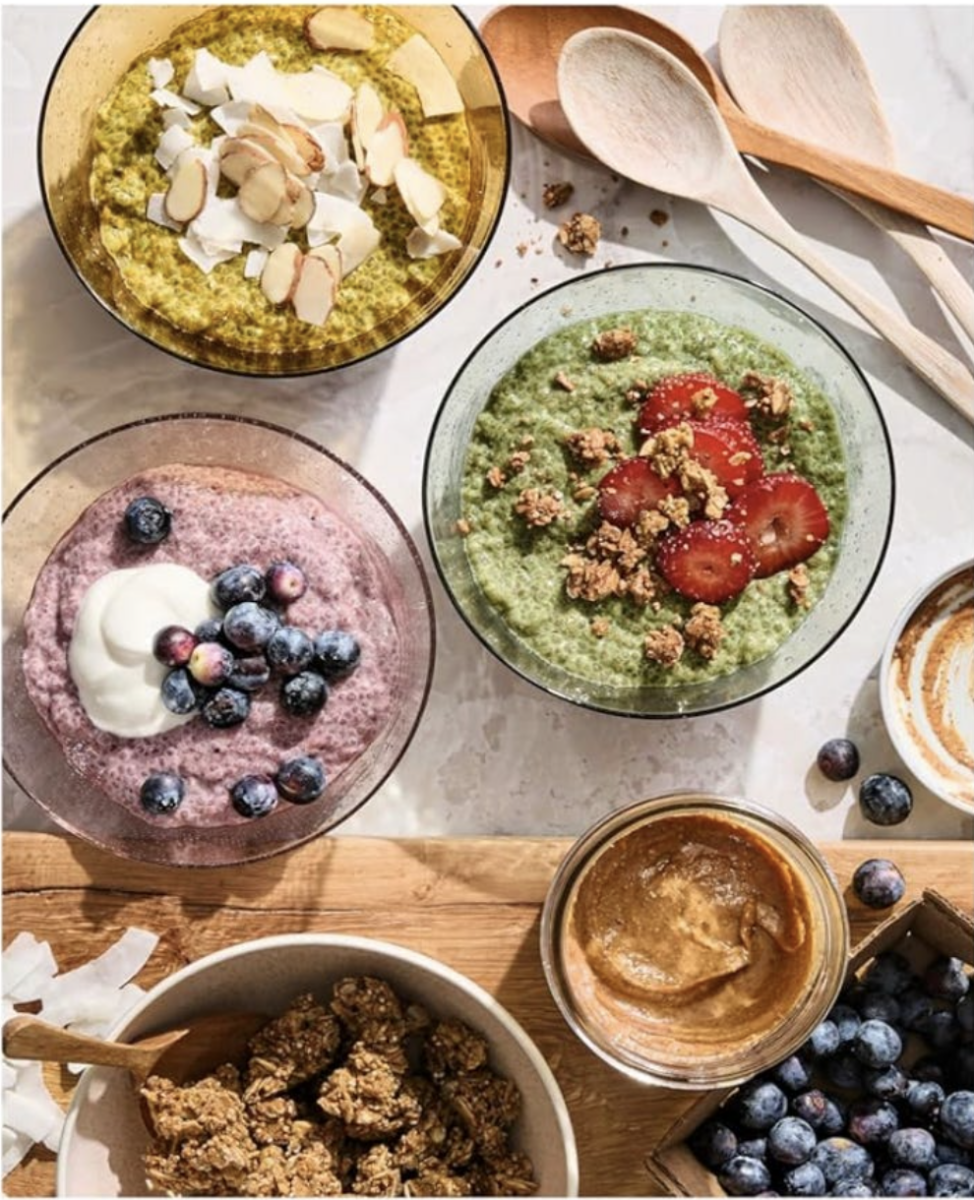
What to Eat: Chia Chia Pudding
Chia pudding has been one of my go-to breakfasts for years because it’s like a blank canvas, ready to take on whatever flavors I’m in the mood for. Chia seeds are rich in omega-3s and fiber, which help support steady energy levels — just what you need during the follicular phase as your body gears up for ovulation, when energy demands increase, hormone production ramps up, and balanced blood sugar becomes essential to support your rising estrogen levels. Get the recipe HERE.
THE OVULATORY PHASE
Ovulation is often the most outward-facing point in the cycle. Energy is typically at its highest, confidence increases, and many women feel more social and expressive. During this phase, I focus on supporting hormone metabolism and maintaining steady energy through cruciferous vegetables like broccoli, cauliflower, and Brussels sprouts, along with antioxidant-rich fruits, leafy greens, healthy fats, and quality protein. The goal here isn’t restriction — it’s sustainability, supporting the body as it functions at its peak.
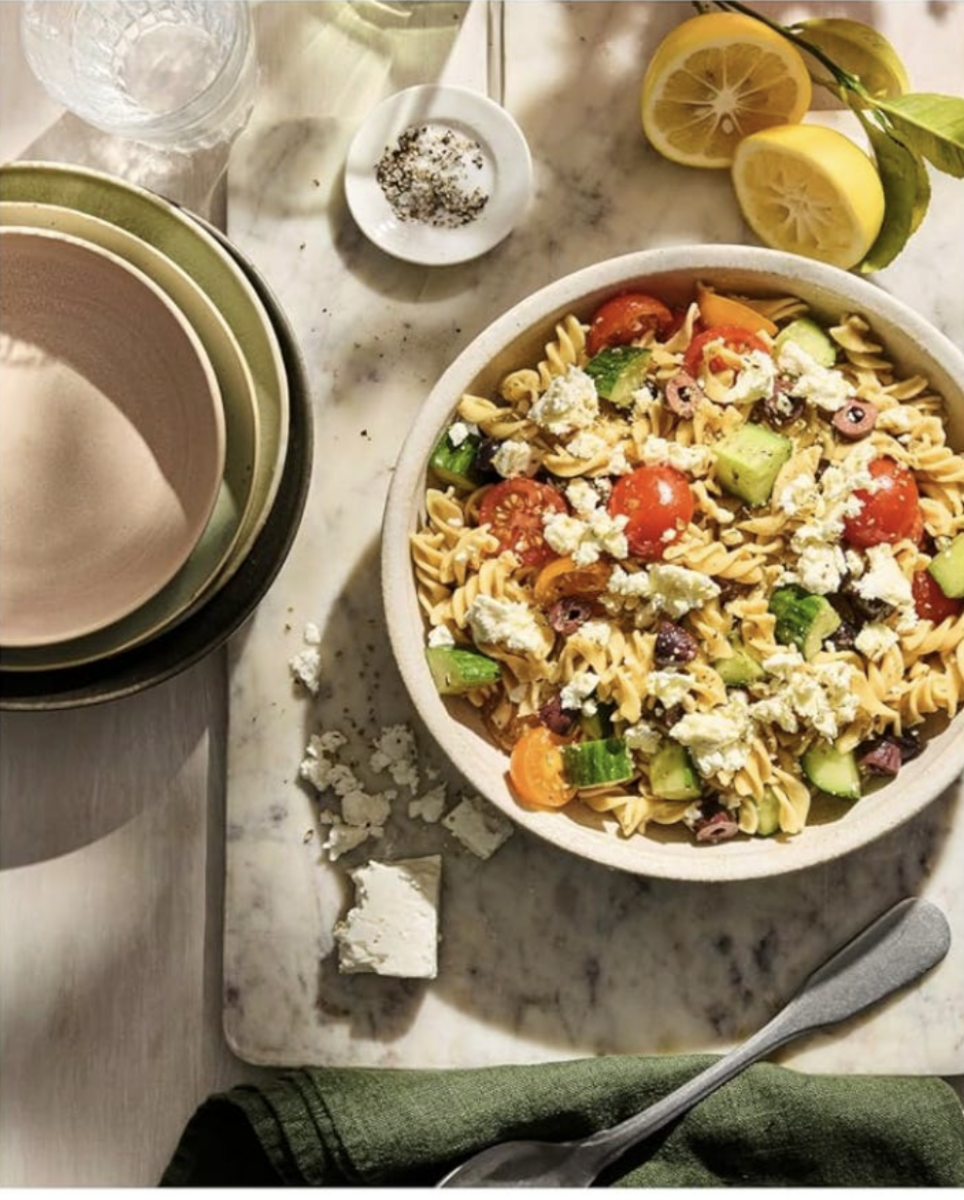
What to Eat: Peak Energy Chickpea Pasta Salad
Chickpea pasta is a total game-changer, turning a traditionally carb-heavy dish into one that’s loaded with protein and fiber to keep you full, support digestion, and balance blood sugar. This pasta salad is light yet satisfying, with a mix of crisp veggies, a tangy dressing, and the perfect bite from the chickpea pasta, which is slightly nutty, hearty, and so good at soaking up flavors.
Make a big batch of this at the beginning of the week, and you’ve got yourself a quick, protein-packed lunch or dinner that’ll keep you fueled. Get the recipe HERE.
THE LUTEAL PHASE
The luteal phase is often where women feel most disconnected from their bodies, but it’s also where the most misunderstanding happens. After ovulation, progesterone rises as the body prepares for a potential pregnancy, increasing energy demands and shifting appetite, digestion, and mood. Cravings often intensify, but not because something is wrong — rather, because the body is asking for more support.
Blood sugar becomes more sensitive, digestion can slow slightly, and caloric needs often increase. When women under-eat during this phase, symptoms tend to feel more intense. Instead of resisting these signals, I encourage women to support them with balanced meals that include protein, fiber, complex carbohydrates, healthy fats, and key minerals like magnesium and potassium.
My most comforting, grounding recipes are featured in my cookbooks — soups, hearty bowls, baked oats, and higher-protein snacks designed to stabilize energy rather than fight it. Chocolate also has a place here. Cacao is rich in magnesium, antioxidants, and iron, all nutrients the body often craves more of during this phase.
Remember: Your body isn’t working against you. It’s asking for more support.
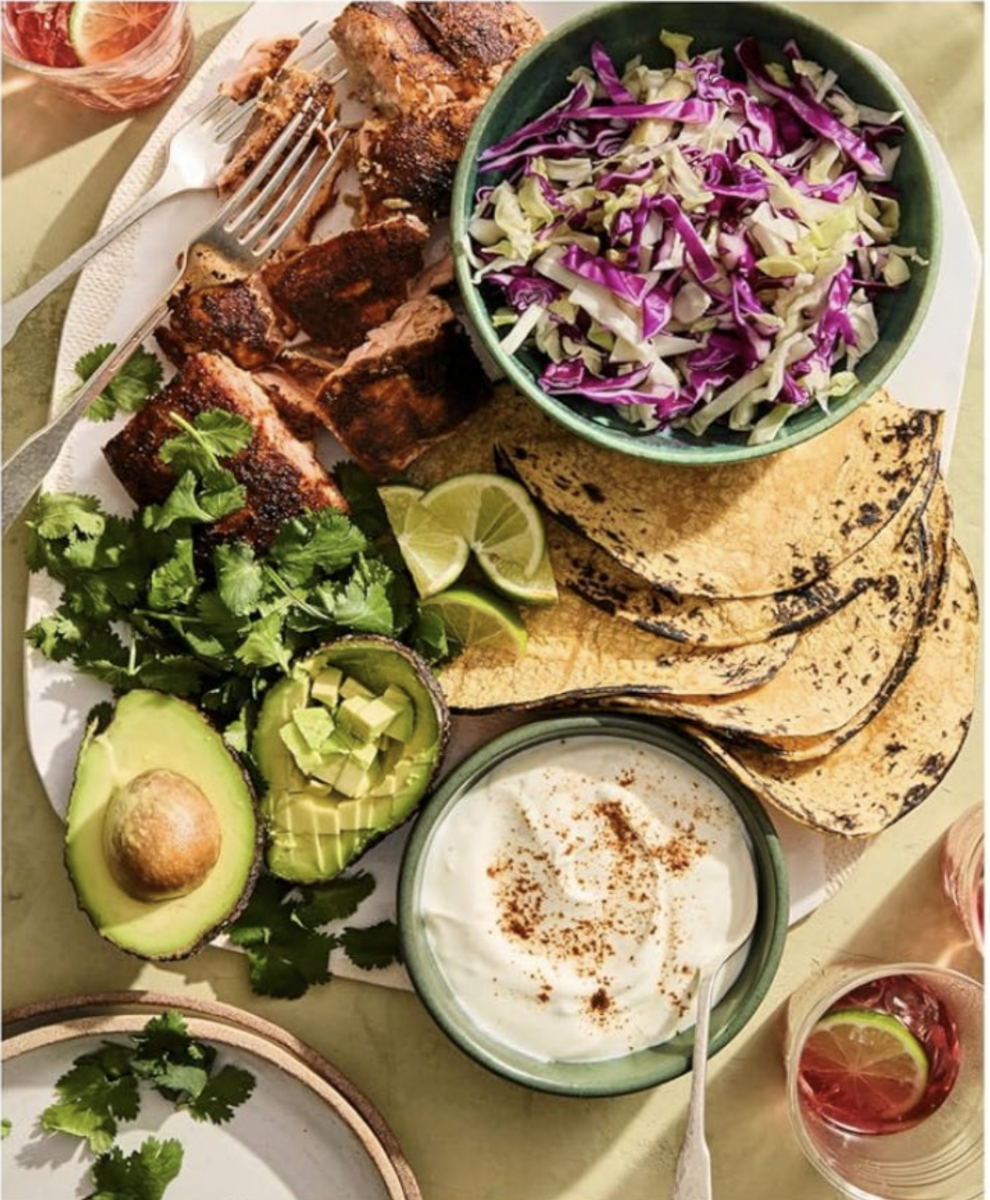
What to Eat: Sooth and Savor Salmon Tacos
Salmon is packed with omega-3s to help reduce inflammation and ease bloating, while the healthy fats and protein keep blood sugar steady — and that helps prevent the energy crashes and cravings that can hit during this time. The tangy lime juice boosts iron absorption, and the crisp cabbage brings fiber to support digestion and hormone detox.
I love topping my tacos with avocado for extra creaminess and Greek yogurt for a gut-friendly sour cream swap. Pair these with a chilled hibiscus tea and pretend you’re by the beach! Note: One serving is two tacos. Get my recipe HERE.
THE MENSTRUAL PHASE
During menstruation, the focus shifts back to nourishment and restoration. Energy is naturally lower, and the body benefits from warmth, hydration, and simplicity. Rather than overthinking nutrition, this is a time to keep things easy and supportive — protein-rich meals, iron-dense foods, soups, smoothies, and anything grounding and easy to digest. Even small shifts, like not skipping meals or adding protein to breakfast, can meaningfully change how this phase feels.
The most common mistake I see is undereating. Many women are running on coffee, salads, and willpower, then wondering why they feel exhausted, emotional, or out of balance. Hormones require consistent energy and nutrients to function properly.
What to Eat: Cacao Dreams Chocolate Protein Pudding
When those chocolate cravings strike during my period, this is one of my favorite desserts to make! As progesterone levels drop in the late luteal phase, your body often craves quick energy and comfort foods like chocolate. This happens because lower progesterone can decrease serotonin, the “feel-good” hormone, prompting your body to reach for serotonin-boosting foods like chocolate.
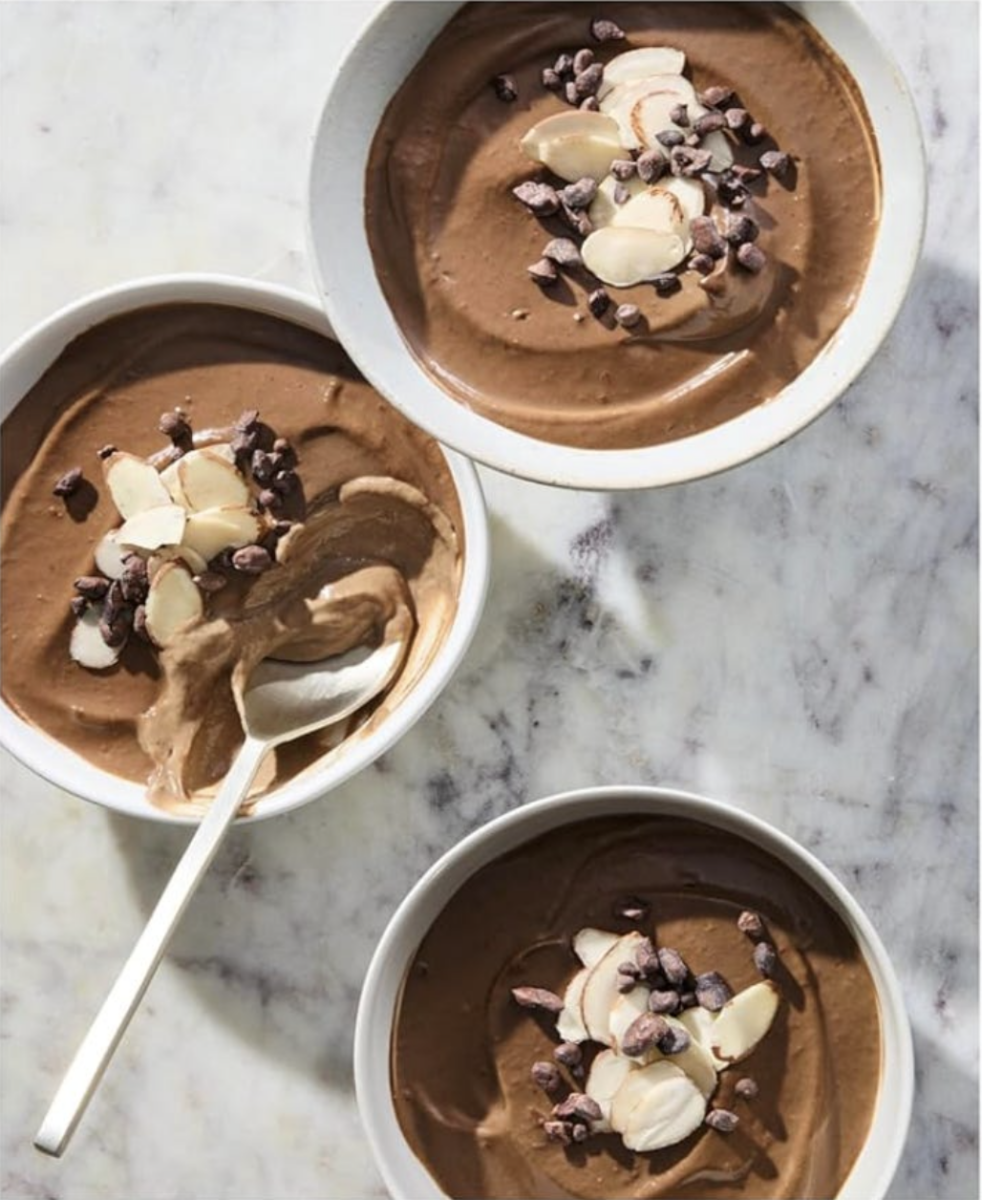
The cacao powder here is rich in magnesium, which supports serotonin production, helping lift your mood and soothe tension. Bananas bring in potassium to reduce bloating and water retention, while the avocado provides healthy fats and fiber to keep your blood sugar stable and prevent energy crashes. Almond butter adds a subtle nuttiness and a boost of healthy fats, and the chocolate protein powder makes it a satisfying snack that tackles both cravings and nutritional needs! Find the recipe HERE.
Eating to Support Your Hormones
Cycle syncing does not need to feel overwhelming. The best place to begin is awareness — simply noticing where you are in your cycle and how you feel. From there, small foundational shifts go a long way: prioritizing protein at every meal, building meals around fiber-rich foods, staying hydrated, and increasing nourishment during the luteal phase. Even incorporating one recipe from Sync & Savor each week based on your cycle can create meaningful change over time.
This is not about creating four separate diets. It is about learning how to respond to your body in real time.
A hormone-supportive day does not need to be rigid. It just needs to feel balanced and sustainable.
Breakfast might be a protein smoothie, baked oats, chia pudding with berries and healthy fats, or an egg-based dish. Lunch could be a nourish bowl with roasted vegetables, chicken, quinoa, and dressing, leftovers from dinner, or salmon nori wraps. A snack might be yogurt with fiber-rich toppings or a higher-protein treat. Dinner might be something warm and grounding — salmon with roasted vegetables, a hearty pasta, or a simple soup.
And, dessert is always part of the picture.
For more hormone-supportive nutrition, recipes, and cycle-syncing education, you can find Paige on Instagram, TikTok, YouTube, or her Substack, Back to Balance.
This article contains product affiliate links. We may receive a commission if you make a purchase after clicking on one of these links.
**********
For your favorite “me moment” of the day, subscribe to StyleBlueprint!

Paige Lindgren
Paige Lindgren is a Los Angeles–based Certified Hormone Specialist, Holistic Nutritionist, and Pilates instructor whose work centers on helping women sync with their biology rather than fight it. She teaches how hormones influence energy, mood, metabolism, and digestion and shows how simple, intentional lifestyle choices can make a profound difference.