
Laura Hutfless: FACES of Nashville
Laura Hutfless' philanthropic efforts led her to develop and launch Triumph Over Tragedy, an inspiring program that offers support and healing to nationwide survivors of mass shootings.
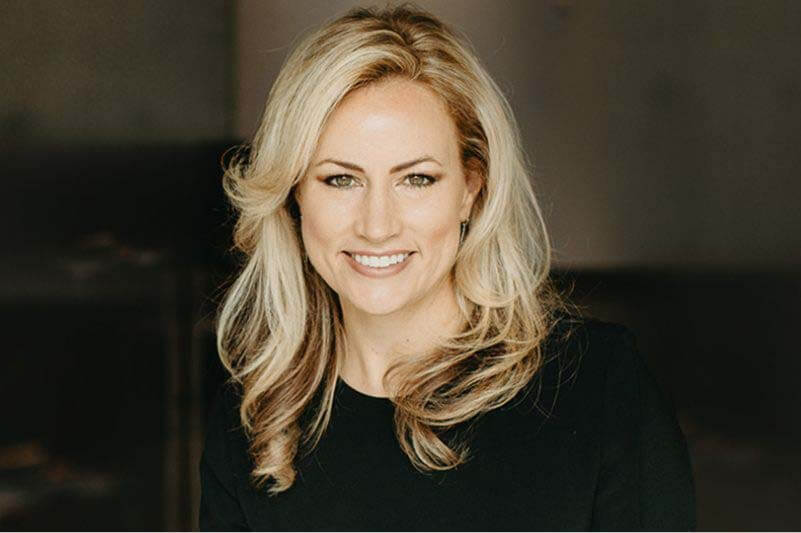
A successful music industry veteran who has continually been honored by Billboard for being a major power player, Laura Hutfless is also one-half of the duo behind Nashville-based entertainment marketing agency FlyteVu. But despite her list of career accomplishments, which are impressive and numerous, it’s her philanthropic efforts that truly inspire. Laura’s lifelong passion for giving back to the community, coupled with the heartbreaking and unexpected loss of a loved one several years ago, led her to develop and launch Triumph Over Tragedy, a therapeutic program through The Onsite Foundation that offers resources, support and healing for survivors of mass shootings. Please welcome our newest FACE of Nashville, Laura Hutfless.
What prompted all of your philanthropy work?
I love this question because it makes me think back to what started it all. I grew up in a very philanthropic family. We didn’t have a lot, but my parents always found a way to give — it was always expected of us. I can remember as far back as when I first had an allowance, and it was probably a dollar or two, but I was required to give 10% away. It didn’t matter if you had a dollar or $10; it was always 10%. I just knew that to be a fact. I started doing missions work as a teenager, and as I got older, I started traveling to other countries to learn about other cultures. I had a global perspective of the wealth we have here in America.
What led to your work on the board of The Onsite Foundation?
I’ve worked in music for 15 years. I was having a hugely successful year — I’d just produced my first Super Bowl campaign and launched FlyteVu — but I was caught in this hamster wheel of expectations. I was hustling for my worth without any way to stop that wheel or live the life I truly wanted to live. I realized that I had lost my purpose in all of that, so I went to Onsite myself in 2019. It radically changed my life. They gave me the tools and understanding of how I even got onto the wheel in the first place. I desperately want everyone else to have that experience for themselves — no matter what they’re struggling with or what trauma they have in their life. I want them to understand it and heal it.
They say there are five stages of grief, which is true, but there’s also a sixth, which is finding meaning. To be clear, it’s not about finding meaning in death or tragedy; it’s about the meaning or purpose you take from it to move your own life forward. I had great tools and resources to get through my grief journey, and I want to give that to other people.
RELATED: Nashville’s Most Inspiring Murals
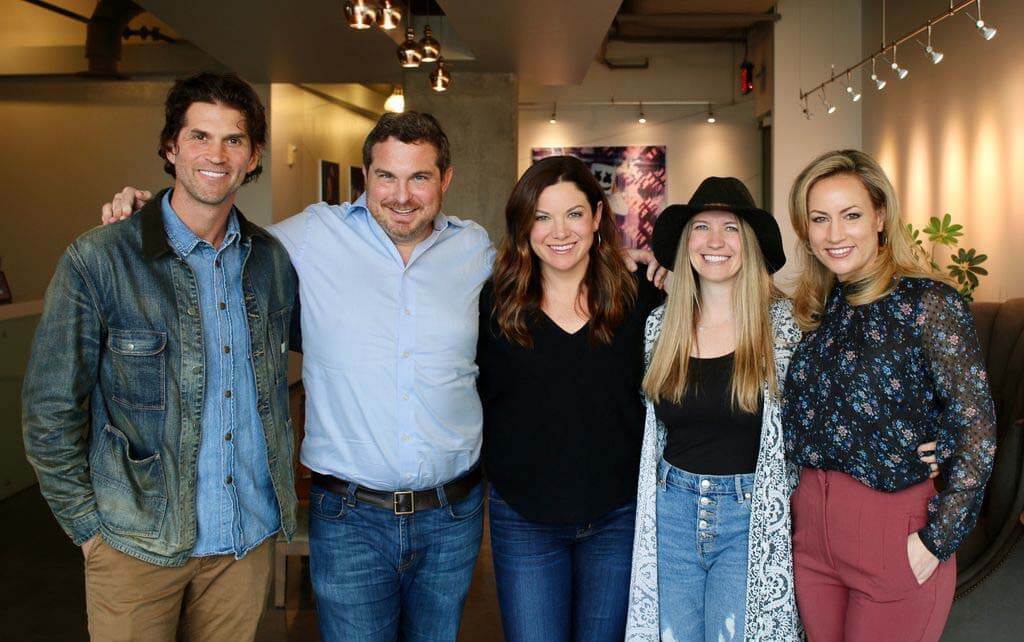
What prompted the Triumph Over Tragedy program?
I’ve been in music my whole career, and I watched as mass shootings affected our industry — the Vegas tragedy in 2017, and then the country music club in Thousand Oaks, CA. First, it was schools, and then it was concerts. People felt unsafe and nervous attending events, and one of my staff members was in the Vegas shooting. So, I saw how that was affecting the industry and my own sense of safety. Then, I met Austin. He was a survivor of the Columbine school shooting when he was 17, and he lost his best friend in it. I intimately got to know and understand how those tragedies affect someone for their whole life and the struggles that go along with processing that.
Not long after the 20th anniversary of Columbine, Austin overdosed and lost his life. That was a shock to all of us and the whole survivor community; he had been such a role model. I started understanding the deep-rooted trauma — that there was no resource for survivors to really process. In the immediate aftermath, there are a lot of resources. The community comes together. But you’re not processing it in the immediate aftermath. It takes months and years to unravel that, and the resources aren’t there months and years afterward. So, that’s where we saw a need with the foundation board, inspired by Austin and his story. We decided there needed to be a program for survivors to feel safe and process, and we started creating that with Onsite. Austin’s family and I also established the Austin Eubanks Memorial Fund under the Onsite Foundation, so we leveraged those resources to begin the program, inspired by his story. It was meant to be how everything lined up in a really beautiful way to help a lot of people. It’s really incredible.
The program has a curated advisory council of trauma experts and survivors. Can you talk about how the board came together?
Shortly after Austin passed away, I started receiving calls and emails from other survivors who I could tell were in a lot of pain. They were trying to offer me solace, but they were really struggling themselves. I’m such a fixer. I wanted to find resources for these survivors, and I couldn’t find any.
When a tragedy happens, everybody rushes into the town or city to offer resources, but for survivors who’ve just had their safety taken away from them, they don’t trust other people coming in. So, as we were starting to build this program, I was hearing from survivors that they were excited about it, but they only trusted other survivors. I knew that I had to build a small team of survivors to go through the program so they could be the voices the other survivors would trust. We built the Survivor Advisory Council for that reason. It’s led by Crystal Miller, who was under one of the tables with Austin in Columbine’s library. She became a wonderful advocate. She helped us curate the group and lead everyone through the first workshop. That whole group gave us really helpful feedback, and then they were the voices to reach out to the survivor community to invite people to sign up for the actual program.
RELATED: Why Nashville Needs Mickey Guyton

What is the best piece of advice you’ve ever been given?
“Don’t accept a ‘no’ from someone who doesn’t have the authority to give you a ‘yes.'” That has been powerful for me. Another one that I like is a Brené Brown quote, because who doesn’t love Brené Brown? She always says, “Don’t listen to people who aren’t in the arena, also getting their ass kicked.” That has been a really great piece of advice, especially starting a new company and this program. Everyone wants to be critical; everyone has an opinion. I’ve learned to only listen to the people I respect, who’ve earned what I call “trust marbles” in my life, and who are also in the arena every day. They have the perspective I trust, and that’s healthy for me to hear.
Outside of faith, family and friends, what are three things you cannot live without?
I’m just gonna have fun here. Ice cream, sunshine — I love the outdoors — and music.
Thank you for sharing your inspiring story, Laura.
**********
Check out more of our dynamic FACES of Nashville!

Jenna von Oy Bratcher
Jenna von Oy Bratcher is StyleBlueprint's Editorial Operations Manager and Lead Content Editor. The East Coast native moved to Nashville almost two decades ago, by way of Los Angeles. She is a lover of dogs, strong coffee, traveling, and exploring the local restaurant scene bite by bite.