Harding Academy implements a unique, evidence-based approach to education, ensuring students are successful in high school, college, and in their lives beyond graduation.
Harding Academy‘s PreK-8 Model celebrates each stage of a child’s development and intently focuses on the first foundational years of education. We sat down with Dr. Eric Fecht, Director of Teaching and Learning at Harding Academy, to hear about their commitment to The PreK-8 Model and its remarkable educational, social, and emotional benefits.
Why PreK-8?
“The PreK-8 Model allows us to support and grow with students during the most formative years of their lives,” explains Dr. Fecht. “The beauty of this model is that we help develop habits and mindsets before high school, and, ultimately, we help students see what is best about themselves.”
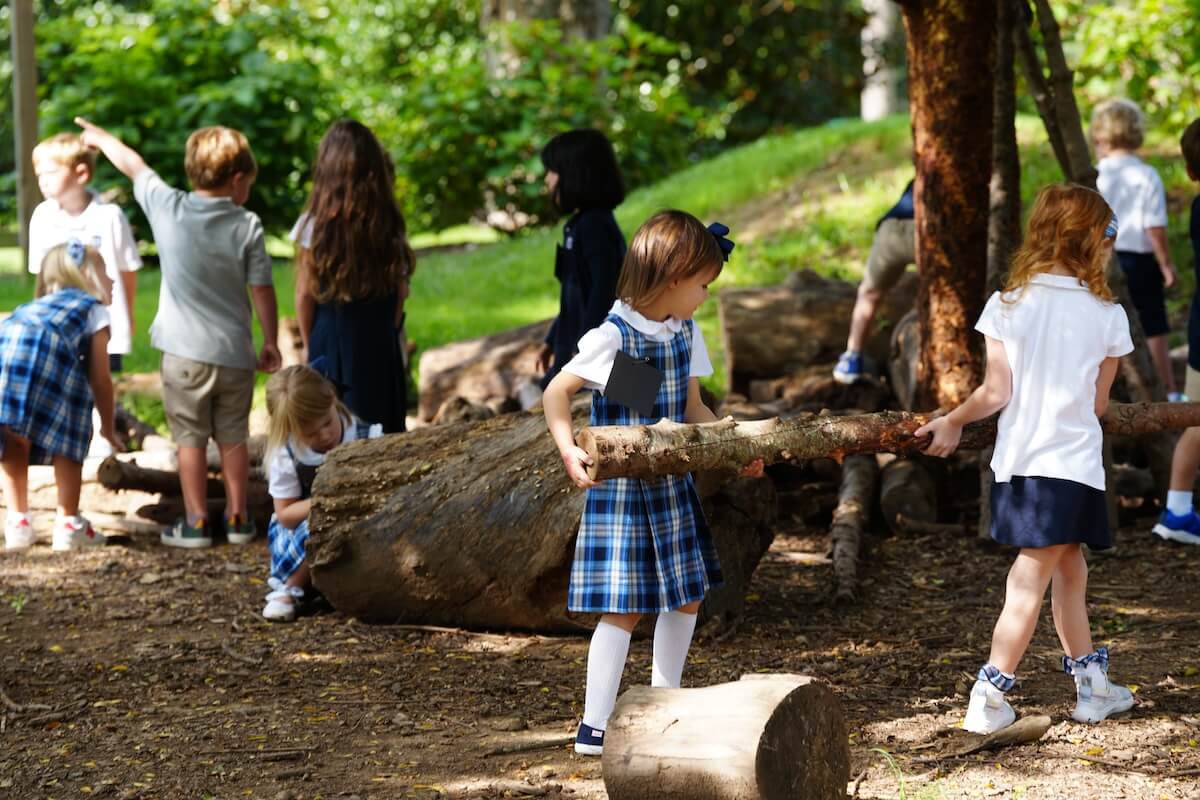
While the model undoubtedly prepares students for the future, it’s not designed to make them feel pressured by it. In fact, they are encouraged to be present, ask questions, make mistakes, and simply be children. Through opportunities in academics, arts, and athletics, Harding students discover their interests, passions, and talents and emerge as multi-talented individuals ready to contribute to their community.
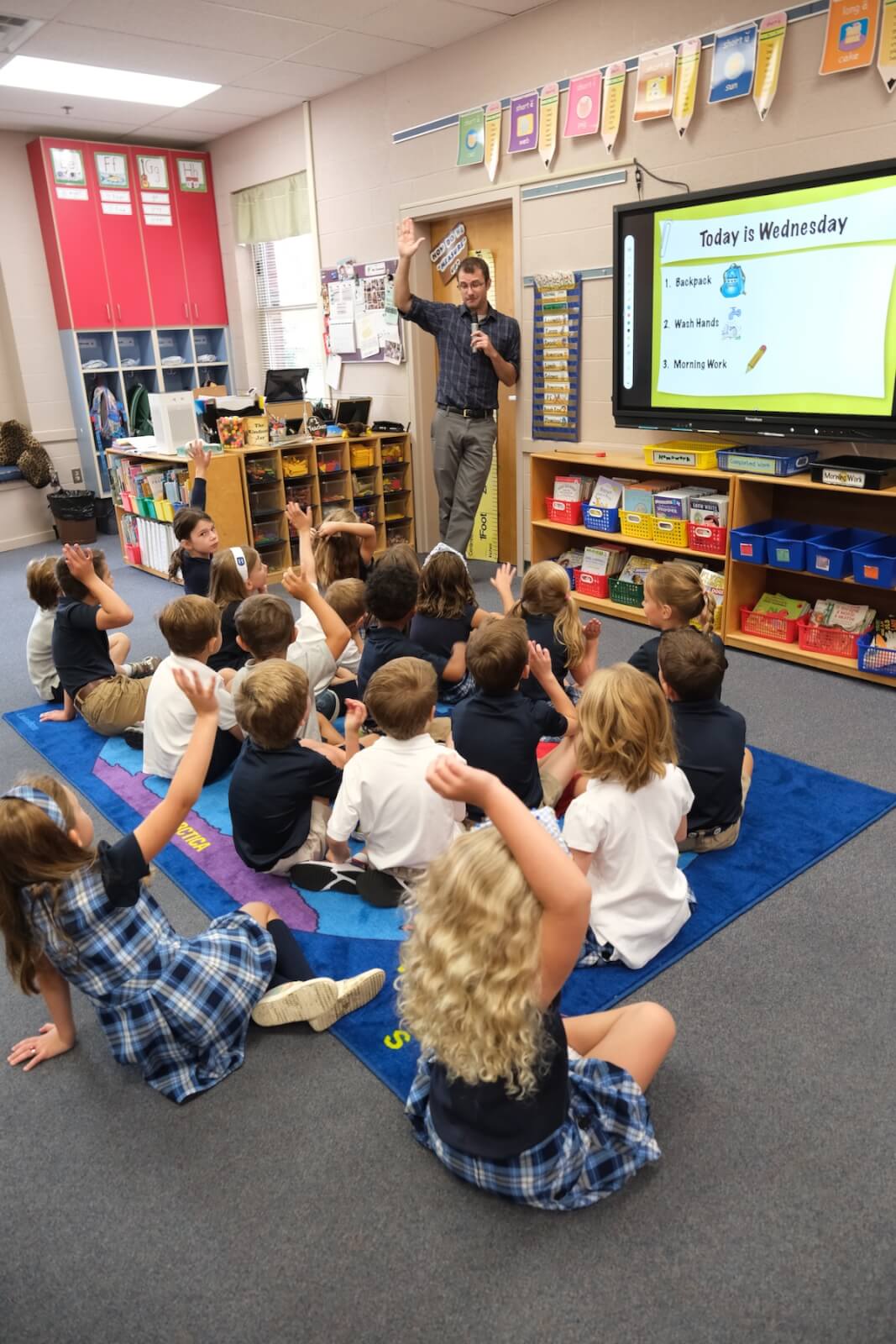
PinHarding Academy‘s PreK-8 Model encourages students’ curiosity and creativity through academics, athletics, and the arts.
“The PreK-8 Model allows our students to be kids for longer,” explains Dr. Fecht. “There is a huge developmental shift between middle and high school … We expose our students to challenging content and opportunities to debate. The model holds itself to the academic and social-emotional round that we want our students to be in.”
As a PreK through eighth-grade school, Harding Academy also provides a safe and stable environment for students, as they do not have to undergo the transition of changing schools between grade levels. This allows students to familiarize themselves with the campus, get to know teachers on a more personal level, and make mistakes and learn from them.
PinHarding Academy students don’t change schools between grade levels, offering them a safe and supportive learning environment throughout their academic journey.
Two Mindsets
Harding Academy helps students develop two distinct mentalities: a lifelong learner mentality (where students are encouraged to keep growing and learning long after formal education) and a true growth mentality (where students believe their abilities and skills grow and increase through hard work).
“We’re doing whatever we can to facilitate a lifelong learner mentality and true growth mindset,” says Dr. Fecht. “A lot of that is done by our exceptional teachers. They are a caliber of educators who are responsive to the needs of students — whether that is through the data we gather anecdotally in the classroom or through standardized testing.”
Harding educators encourage students to practice leadership as they learn. From a student-led musical to organizing a book drive for a community partner, Harding encourages students to find opportunities to learn and lead in and outside of the classroom.
Pin“Our goal in preparing our students to head off to high school, college, and the world beyond is about that lifelong learner mentality and a true growth mindset,” explains Fecht. “We know that our objective is to help students grow forward in their own way and on their own path.”
Building Confidence
Dr. Fecht adds that The PreK-8 Model also helps students build their confidence to speak up and listen — whether in a classroom setting or during an extracurricular activity. The process begins as early as kindergarten, when students participate in a play production.
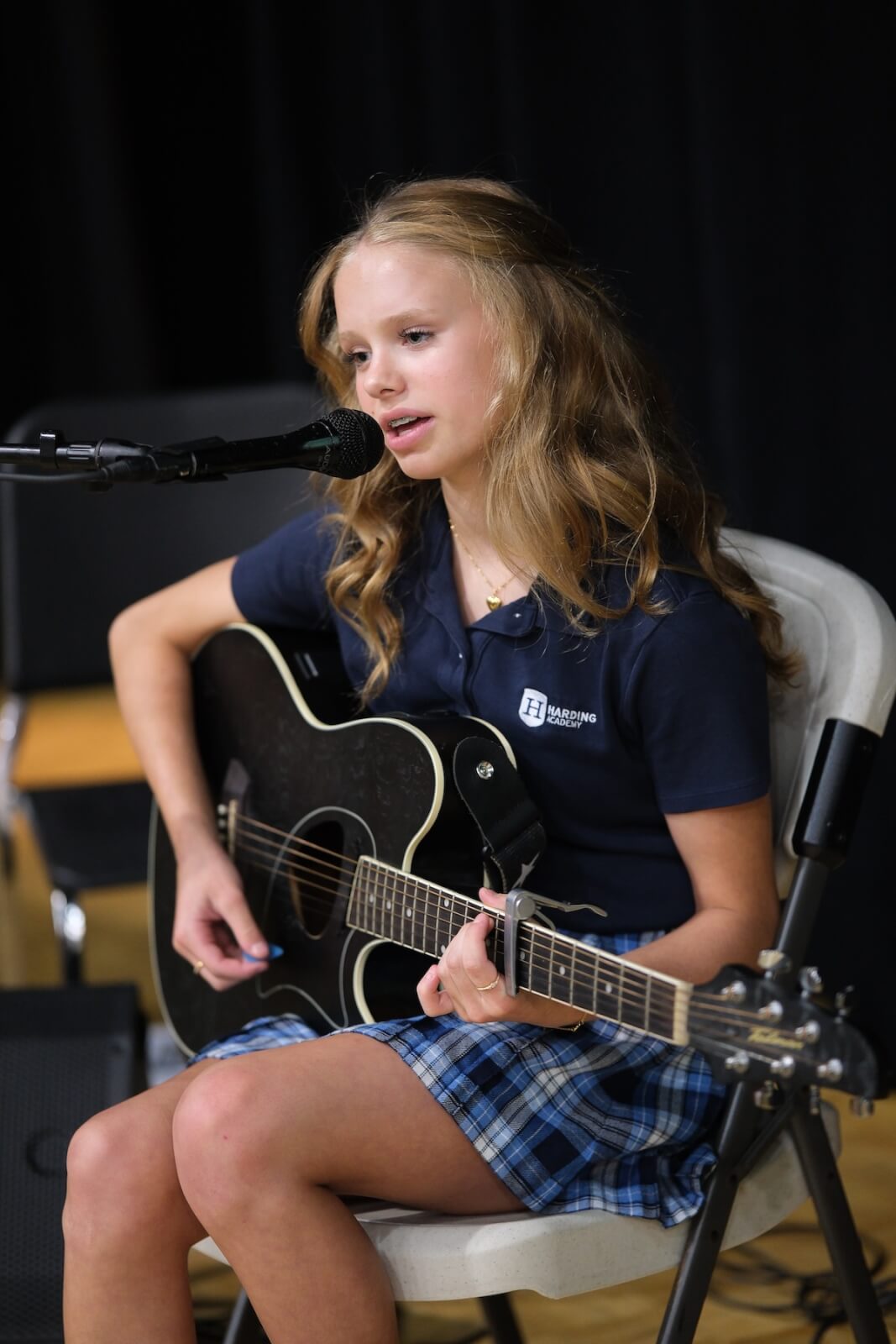
“We don’t expect every one of our kids to be the big performers on stage, but we want our students to have the confidence to step up to the microphone,” says Dr. Fecht. “That starts with a kindergarten play where every kid has a line. They memorize their lines, and their knees may be really shaky, but that’s okay because everybody’s knees are shaky.”
PinThe PreK-8 Model extends beyond the classroom, often encouraging students in extracurricular activities — from music to art and athletics.
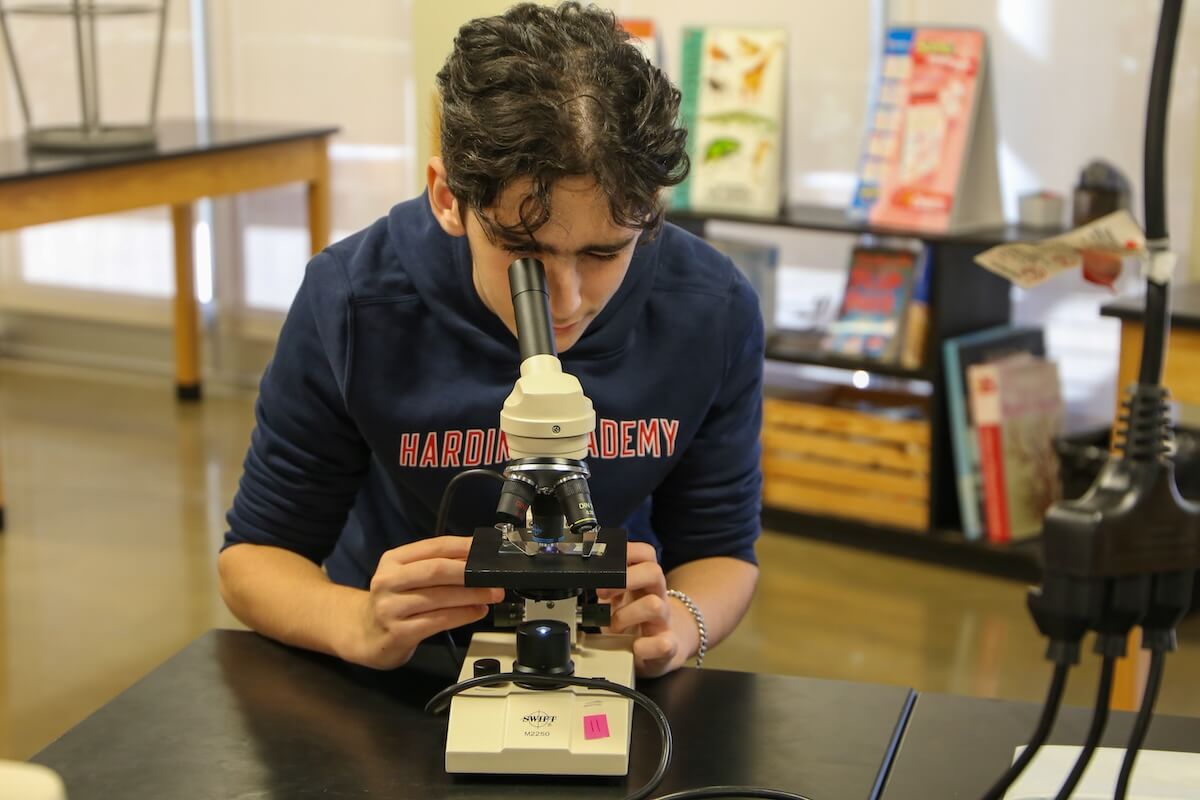
This focus on speaking, listening, and confidence continues through middle school as students take on more project- and presentation-based learning. During their seventh-grade year, students create an in-depth science project where they collect data, test their hypothesis, and reach out to outside experts to provide professional insight and answer questions.
“Students are taught how to approach an individual and ask for information and insight,” says Dr. Fecht. “Then, by the time our students head into high school and beyond, they are confident speakers, writers, and thinkers.”
Harding Academy ensures its students are set up for success — both inside the classroom and in life beyond. From learning the importance of trying new things to building confidence, the institution’s PreK-8 Model helps enrich the academic, emotional, and social needs of each and every child.
Harding Academy is located at 170 Windsor Dr., Nashville, TN 37205. If you’re interested in touring the campus or learning more, visit hardingacademy.org or call (615) 356-5510.This article is sponsored by Harding Academy. All photography provided.
Brianna is StyleBlueprint’s Associate Editor and Sponsored Content Manager. She is an avid fan of iced coffee and spends her free time reading romance novels.
Our unofficial motto at StyleBlueprint is "Be kind. Do good." We encourage this to be the basis for all comments on our articles. Provide feedback that adds to the story. Some controversy or disagreements are part of any good dialogue between friends, but anything that tears down or belittles others is subject to disapproval or removal. Thank you for being a member of the StyleBlueprint community! View our Community Guidelines.