The Ancient Community You’ve Driven by Hundreds of Times
At the corner of Hillsboro Road and Old Hickory Boulevard, the remains of an ancient community were discovered. Find out more about Aaittafama' and how a local team is dedicated to preserving this historically significant finding.
Nestled in between Nashville and Franklin lies Forest Hills, a small community with an ancient secret. Just below the surface of the ground lies the remains of a 15th century Mississippian Indian civilization. The community thrived around 1420 B.C. before it mysteriously disappeared by 1450 B.C. Today, plans for upcoming Aaittafama’ Archeological Park are moving forward, and soon, the public will be able to experience a special piece of history on the corner of Old Hickory Boulevard and Hillsboro Road.
What is “Aaittafama’,” and how in the world are you supposed to pronounce it? That is the exact question that Ridley Wills, a Nashville native and founder of The Wills Company, wants you to ask. Ridley was “roped into” this project in 2014 by Bill Coke, the former mayor of Forest Hills. Coupled with his passion for history, Ridley’s design, remodeling and renovation skills made him a perfect candidate to join the project. “I care about the built environment,” Ridley says, “and these were real humans living in this civilization, just like us.”
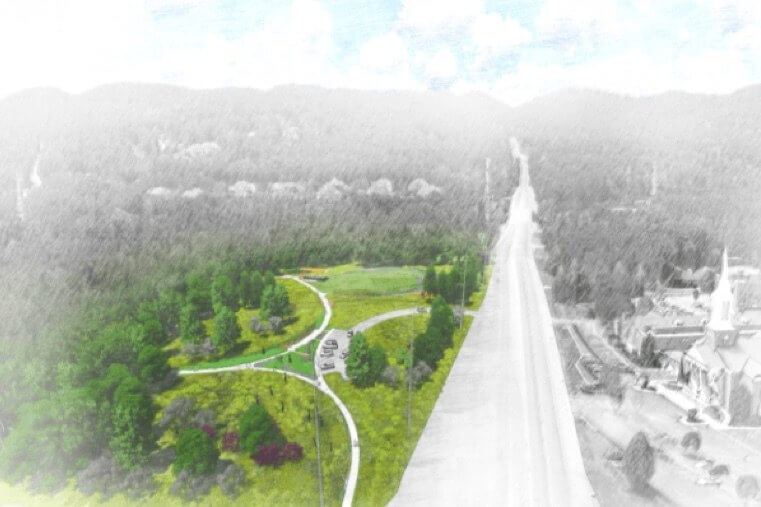
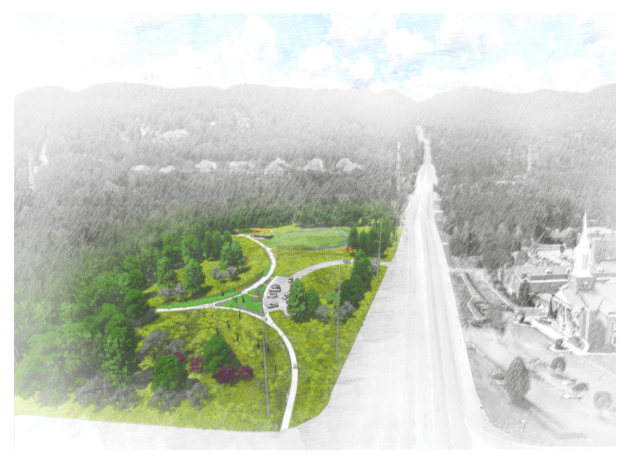
PinRidley Wills has been a part of the team working to design the Aaittafama’ Archeological Park.PinAaittafama’ is a planned park that will preserve the only archeologically intact ancient community in Davidson County. Image: Hodgeson Douglas, LLCRELATED: 6 Southern Communities We Want to Move to Tomorrow
In 1997, Gary Barker, the archaeologist who discovered the site, named the area “Kellytown.” Twenty years later, the team decided the civilization needed a name that connected to its Native American roots. Tribes of the Southeast, such as the Chickasaw, communicated with the Muskogean language. The team contacted the Chickasaw Nation and came up with “aaittafama’” (pronounced: a-ta-FA-ma), which means “a place for meeting together.” Given its new name and importance, the site can serve as a place to meet and learn in community. Aaittafama’ looks hard to pronounce, but Ridley remarks that the creation of an unfamiliar Muskogean name was intentional. If people ask about the name, he says, they will learn more about the untold story of the centuries-old site.
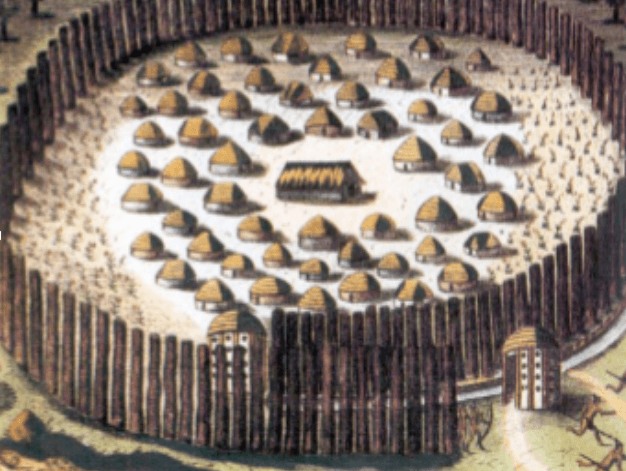
Aaittafama’ is the last ancient community in Davidson County that remains archeologically intact, making it especially important to preserve. Accordingly, the team decided against building a museum or building. Ridley notes that it is important to not develop the land so the civilization below ground remains undisturbed. Instead, the design for the space is simple. The main attraction is an abstract version of the original palisade wall that encircled the civilization’s community.
PinThe site was originally named “Kellytown” in honor of the property owner, Mrs. Elizabeth Douglass Levine Kelly. Image courtesy of Ridley WillsPinThe ancient community utilized a palisade wall that wrapped around the perimeter. Image: Ridley Wills
We are grateful to all our sponsors:
PinThe concept for the park includes an abstract interpretation of the original palisade wall. Image: Hodgeson Douglas LLCPinSeeds (pictured above), pottery and other artifacts can be viewed at the Forest Hills City Hall. Image: Ridley Wills
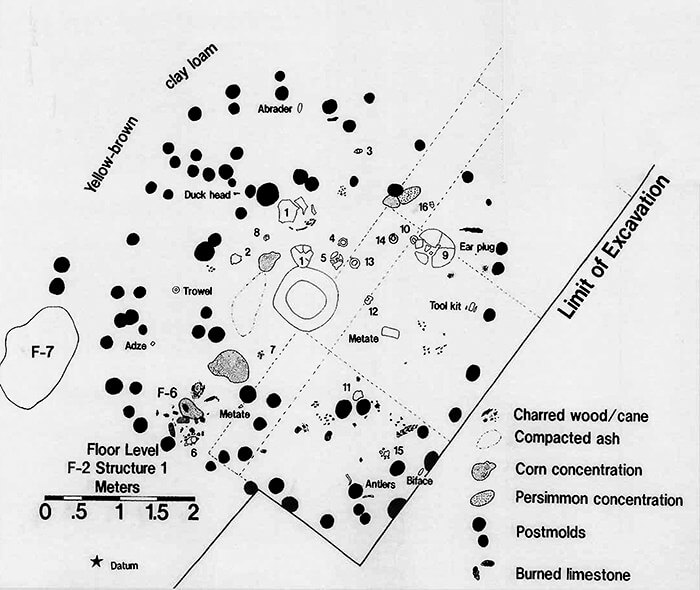
The park’s design plans center around the attraction of an untold story. The few things we know about this particular ancient community include the graves, pottery and leftover seeds. We can piece together bits of history using facts relating to the broader Tennessee region. For instance, in 1100 B.C., more people lived in the Forest Hills and Brentwood areas than do today. That’s more than 50,000 people! With its location on a visible street corner, the once lively community acts as an alluring highway attraction. Ridley says that the site should serve as a sign post to advertise the stories belonging to ancient civilizations.
RELATED: Southern Storytellers Keep an Ancient Art Alive, One Story at a Time
Thanks to the help of money raised through state grants and donations, construction for the park will begin soon. Ridley says the team hopes to open the park by Fall of 2020. The Friends of Aaittafama’ website will include information about the history of the ancient community, while the park will serve as a historical site and an educational opportunity for school children and adults alike. Ridley states, “I care about where people live — centuries ago, people lived here, and their story deserves to be told.”
**********
Get to know Nashville’s many intriguing neighborhoods. Check out “Neighborhood Guides” section HERE.
Abigail is an Atlanta native who is eager to travel and get to know a city through its food. When she's not finishing an essay for her English class, you can catch her on a trail run, window shopping, or munching on some fish tacos.
Our unofficial motto at StyleBlueprint is "Be kind. Do good." We encourage this to be the basis for all comments on our articles. Provide feedback that adds to the story. Some controversy or disagreements are part of any good dialogue between friends, but anything that tears down or belittles others is subject to disapproval or removal. Thank you for being a member of the StyleBlueprint community! View our Community Guidelines.