
She’s Putting Nashville’s Hidden History on the Map
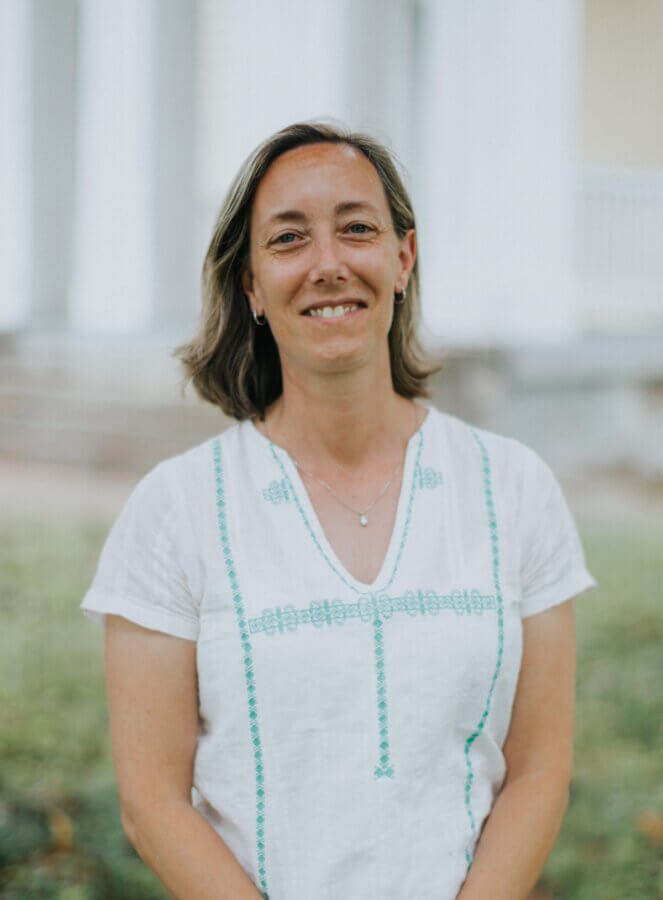
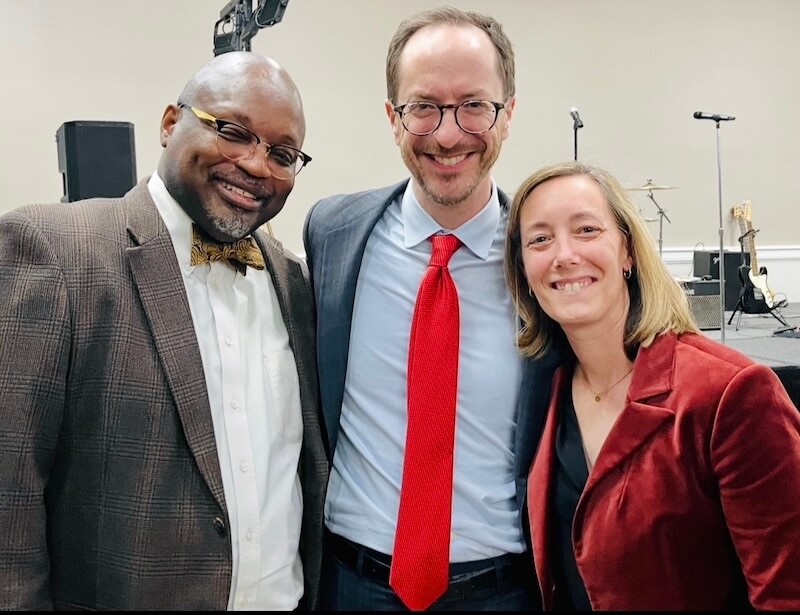
Dr. Mary Ellen Pethel, founder of Nashville Sites, is bringing the city’s layered history to life through free, story-driven walking and driving tours. Image: Sydney Whitten
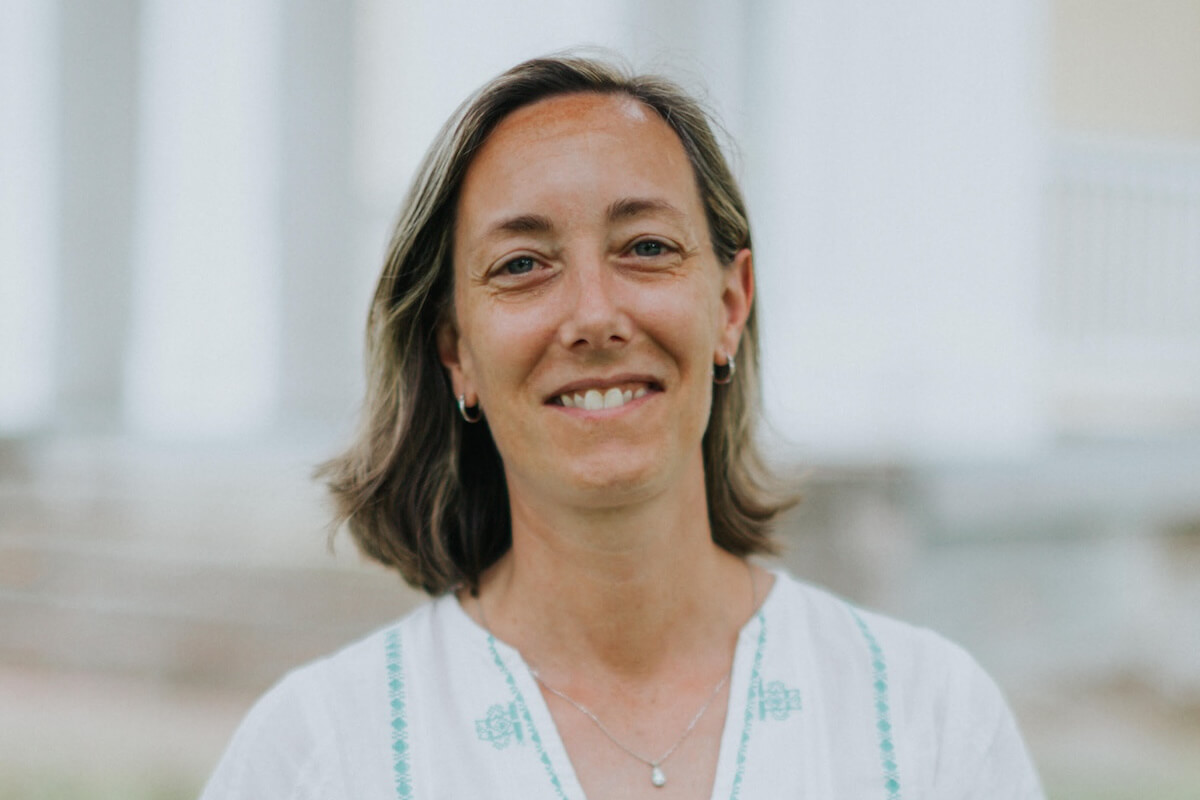
If you’ve ever wondered what stories lie beneath Nashville’s surface, Dr. Mary Ellen Pethel is the person to ask. As a historian, an author, and the founder of Nashville Sites, she’s on a mission to help us see the city with fresh eyes. Through free, self-guided, story-driven tours, she brings overlooked voices and layered histories to life — blending research, technology, and heart. We caught up with Mary Ellen to talk about preserving the past, shaping Nashville’s future, and why every story, as her grandmother says, has two sides.

What brought you to Nashville?
I moved to Nashville in 2007 while finishing my Ph.D. dissertation on Nashville as the “Athens of the South,” exploring the city’s identity as a center of higher education. I was drawn to Nashville’s layered history and the way education, culture, and community intersect here.
Professionally, I’m a historian, an educator, and an author. I currently serve as the Associate Director of Belmont University’s Global Honors Program and as an Associate Professor of Global Leadership and Honors. Earlier in my career, I taught at Harpeth Hall before joining Belmont.
In 2017, I published my book Athens of the New South: College Life and the Making of Modern Nashville. Around that same time, I completed a post-graduate certificate in Digital Public Humanities at George Mason University, which helped me think about how historians can share stories in new, accessible ways.
How do you usually explain what you do to someone you just met at a dinner party?
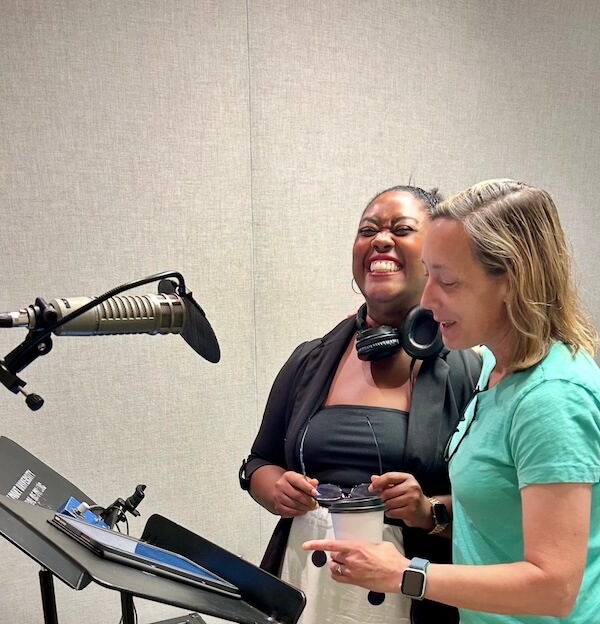
At heart, I’m a storyteller and a lifelong learner. In addition to teaching and leading at Belmont, I’m also an author of six books and the founder of Nashville Sites. Nashville Sites has remained my greatest labor of love — a nonprofit that creates free, self-guided walking and driving tours that are accessible to anyone and everyone from Nashville to the Netherlands to Namibia.
I want people to understand the history that surrounds them and how the past informs the present and sets the stage for the future.
It’s really about helping people see Nashville beyond the surface — connecting them to stories they might otherwise miss while walking through neighborhoods or historic spaces.
Nashville Sites helps people see the city in a completely different way. What originally sparked the idea to turn history into self-guided, story-driven tours?
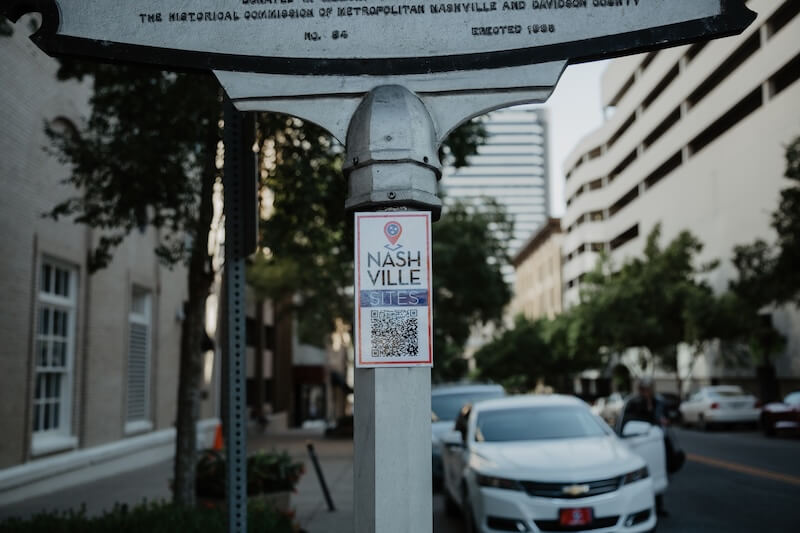
The idea started while I was studying Digital Public Humanities. I took a class focused on place-based history projects and partnered with the Metro Historical Commission to build a digital walking tour using Nashville’s historical markers.
That project made me realize two things: Nashville didn’t yet have a digital heritage tourism platform, and with the city growing so quickly, it felt important that Nashvillians tell their own stories.
Nashville Sites officially launched in 2019 with about 20 tours, and we now offer 45. Our tours are free and mobile-friendly, featuring narration, historical research, archival images, and mapping tools. Users can explore them in person with GPS guidance or virtually from anywhere in the world.
At its core, my work is about preserving history while making it engaging, accessible, and relevant to modern audiences.
One important part of Nashville Sites is its focus on Black history. What do you hope people will better understand after experiencing those tours?
We believe Black history is Nashville history. Rather than separating those stories, we try to present a fuller picture of how Black leaders, artists, educators, and communities have shaped the city.
I hope people walk away with a deeper understanding of both the triumphs and challenges that helped form Nashville. For example, our Jefferson Street tour highlights the corridor’s importance as a center for Black business, culture, and music, while also exploring how Interstate 40 physically divided that community.
We also highlight Nashville’s HBCUs and the legacy of McKissack & McKissack, the nation’s longest continuously operating Black-owned architecture firm.
Ultimately, these tours invite people to see the city through a more inclusive and historically accurate lens.
Nashville has changed a lot during your time here. Is there a place in the city that holds personal meaning for you?
The Arcade between Fourth and Fifth Avenues holds special meaning for me. It’s such a beautiful historic space, and it represents Nashville’s ability to honor its past while continuing to evolve.
I’m also deeply connected to Historic Music Row. It tells the story of Nashville’s creative identity and reminds me how preservation helps maintain the city’s cultural soul even as it grows.
When you’re not researching, teaching, or writing, how do you most enjoy spending your time?
I love traveling, reading, and exploring Nashville’s neighborhoods. I’m always curious about the stories behind places, whether that’s a historic building, a local restaurant, or a filming location around the city.
I also enjoy spending time outdoors and finding new corners of Nashville that connect history with everyday life.
What’s something about Nashville that still surprises or delights you? Any hidden gems you can recommend?
I’m continually surprised by how many layers of history exist within neighborhoods people drive through every day without realizing it.
Wedgewood-Houston is a great example. It has a fascinating industrial and cultural history while also feeling incredibly creative and vibrant today. I also love pointing people toward filming locations across the city — places like Bobbie’s Dairy Dip, The Bluebird Cafe, and the Tennessee State Penitentiary. They’re wonderful entry points into Nashville’s broader cultural story.
What’s one thing most people would be surprised to learn about you?
People are sometimes surprised that I spend a lot of time researching Nashville through film and pop culture. I love tracing how the city is portrayed in movies and television and using that as another way to connect people to history.
What’s the best advice you’ve ever received?
My grandmother once told me, “Even a very thin pancake has two sides.” It’s a simple reminder that every story has multiple perspectives. That idea has shaped both my historical work and how I try to approach life — with curiosity, empathy, and openness.
LIGHTNING ROUND!
What’s a small, everyday moment that brings you joy? Discovering a new historical detail or story about Nashville — especially when it connects past and present in an unexpected way.
Outside of faith, family, and friends, what are three things you can’t live without? Books, travel, and long walks exploring historic neighborhoods.
What’s the best book you’ve recently read? 21 Lessons for the 21st Century by Yuval Noah Harari.
What’s on your nightstand? Usually a mix of historical nonfiction, current reads, and whatever Nashville-related research I’m exploring at the moment.
This article contains product affiliate links. We may receive a commission if you make a purchase after clicking on one of these links.
**********
For more inspiring stories about women in Nashville and beyond, visit our FACES archives!

Jenna von Oy Bratcher
Jenna von Oy Bratcher is StyleBlueprint's Associate Editor and Lead Nashville Writer. The East Coast native moved to Nashville almost two decades years ago, by way of Los Angeles. She is a lover of dogs, strong coffee, traveling, and exploring the local restaurant scene bite by bite.