
Meet the Visionary Behind Maker’s Mark: Margie Samuels
Get to know the woman who made her mark with this iconic Kentucky straight bourbon whiskey brand. Image: Maker's Mark
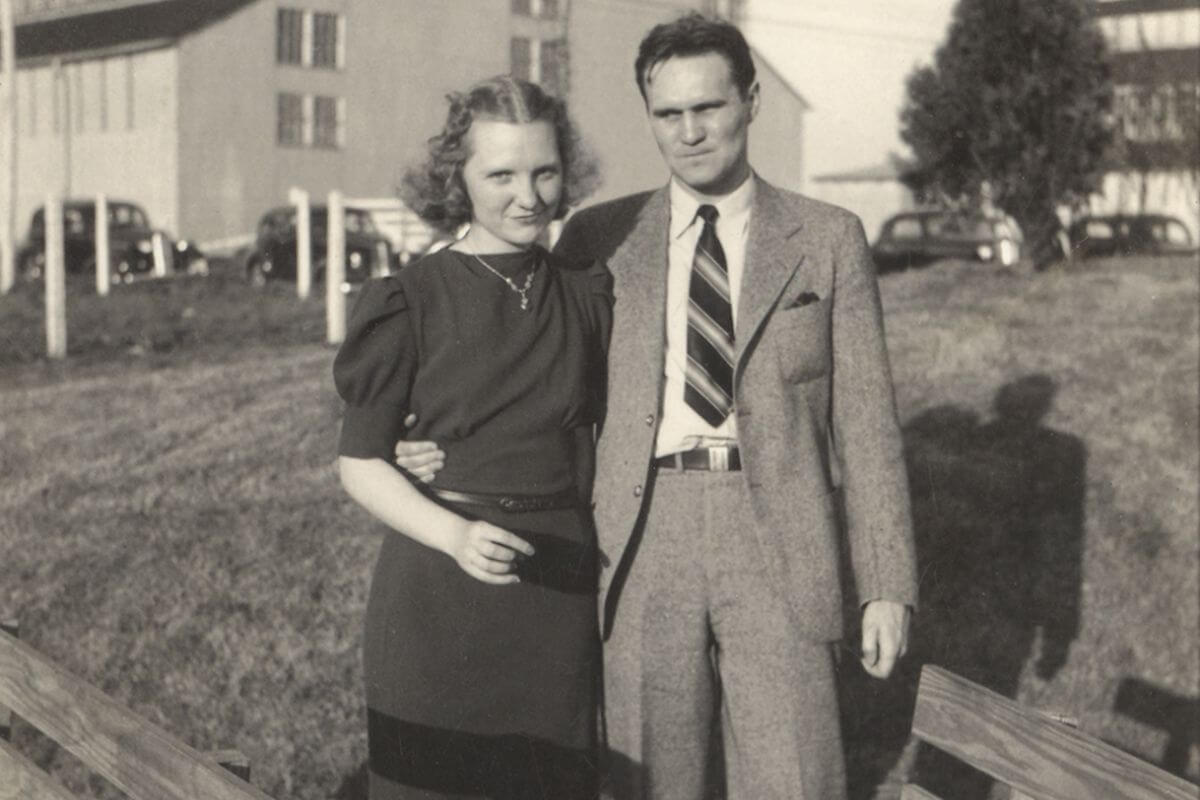
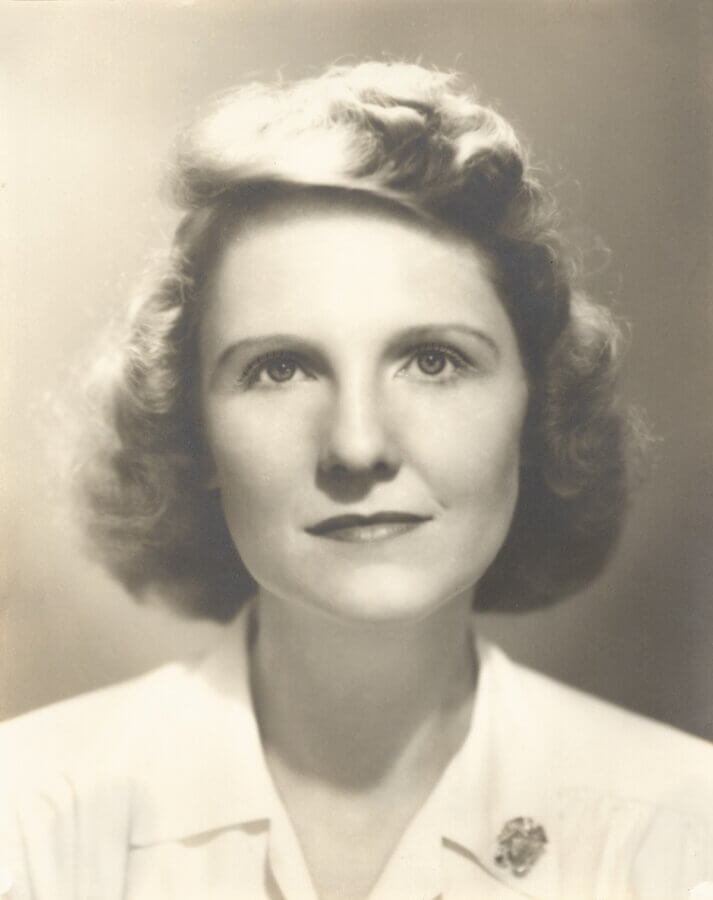
The story behind Maker’s Mark usually starts with Bill Samuels, Sr., who set it all in motion with the ceremonial burning of an old family recipe, trying to create a bourbon without the burn. But what many people don’t know is that there are two Samuels behind the iconic brand: Bill, the engineer-turned-craftsman, and his wife, Margie, the creative businesswoman.
A Pioneer in Bourbon Branding
“[Margie] and her husband were co-founders of Maker’s Mark,” says Valerie Netherton, Director of Higher Purpose at Maker’s Mark. “Bill focused on everything inside the bottle, but Margie really did everything else.”
All the elements that first draw the eye to a Maker’s Mark bottle — its shape, iconic red wax seal, parchment-paper-like deckled label, and even its name — can be credited to Margie.
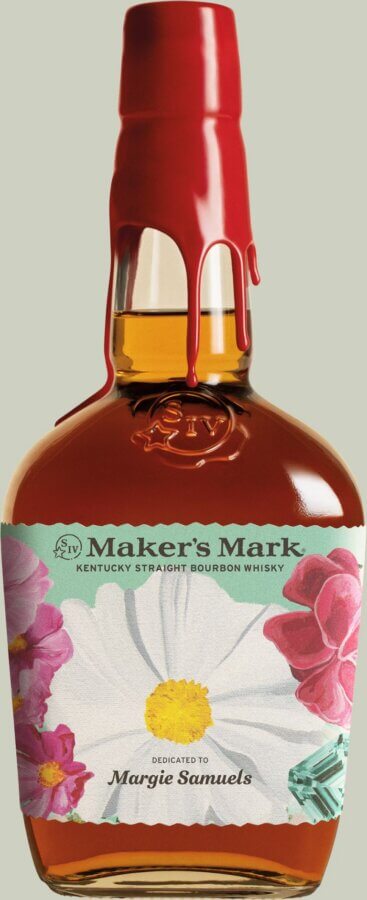
“I love the story of her coming into the kitchen one day,” Valerie says, “and she told [her husband and son] the bottles were going to be dipped in red sealing wax.”
Though neither Bill Sr. nor Bill Jr. could fathom how they would pull this off — and more importantly, how people would open the bottle — Margie was determined.
“Her mind was made up,” Valerie explains. “The challenge was then to figure out how to make that work.”
And figure it out she did. To this day, every bottle of Maker’s Mark is hand dipped in red wax, ensuring no two seals are exactly alike. A talented calligrapher and designer, Margie created the signature labels, which are painstakingly applied by hand. The distinctive deckled edges are courtesy of a hand-operated 1935 Chandler & Price printing press at the Loretto, KY, distillery.
As for the name, Margie chose the word “Maker’s” to highlight the idea of a craftsman, someone who makes something by hand. She paired it with “Mark,” a reference to the tradition of artisans placing a personal mark or signature on their work to show pride and accountability. Together, Maker’s Mark suggests “the signature of the maker.”
“Margie is really responsible for the first time you pick up that bottle, because it’s so iconic,” exclaims Valerie. “And then the quality of the bourbon is so good you buy another one!”
From Distillery to Destination
Though Margie is well known for the brand’s packaging, she’s in the Bourbon Hall of Fame for inventing bourbon tourism. Valerie says that the Samuels family purchased their Loretto property because of its proximity to farmers and a water source — but Margie was thinking beyond practical purposes.
“It was Margie who said, ‘Let’s invite people to the distillery like it’s our home,'” explains Valerie.
Her idea inspired the creation of a space that felt less like a manufacturing site and more like a place to entertain family and friends. It also led to the booming bourbon industry and dozens of distillery tours that exist today.
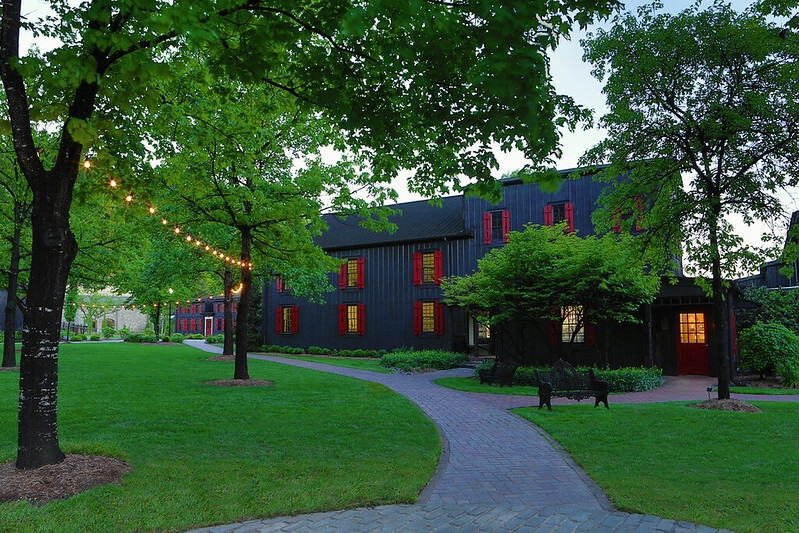
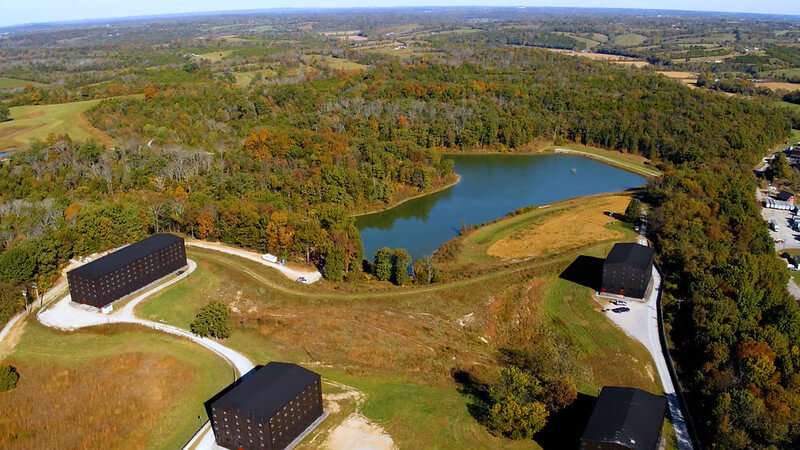
Surrounded by rolling farmland and wooded hills, the Maker’s Mark campus feels more like a small historic village rather than a distillery. White buildings with black roofs and distinctive red shutters dot the property, while warehouses stretch across the hillsides. Nearby, a limestone-fed stream runs through the property, which is designated a National Historic Landmark.
Setting the Stage for Women in Whiskey
In the United States today, less than 20% of distillers and winemakers are women, and fewer than 8% of distilleries are owned by women. This reflects how male-dominated the world of spirits is now — but during Margie’s time, it was even more so.
In the 1950s, most distilleries were run by men, and women were largely confined to bottling lines or clerical roles, so Margie’s influence on branding and design was highly unusual. Was it Margie who created her own seat in the male-dominated whiskey community, or did Bill provide the opportunity?
“I think there’s a bit of a mix in there,” says Valerie. “I think Bill really valued her opinions — he knew she was smart and creative, and he welcomed her voice as they created this bourbon brand.”

Margie’s voice and the opportunities she created, Valerie adds, are still being felt to this day.
“Our general manager is female, our VP of marketing is female, and our innovation blender is female,” she continues. “There are all these women in leadership roles with Maker’s Mark, and that’s probably unique to this industry. That was Margie really setting the groundwork for the space for women in whiskey.”
A Legacy of Community and Connection
Both Bill and Margie Samuels were deeply committed to being a force for good in the world, and it’s through community engagement and give-back programs that the Maker’s Mark brand continues to emphasize this philosophy.
“So much of what Bill and Margie [did], the foundation that they laid for us, is still our guiding light today,” Valerie says, adding that Maker’s Mark is constantly raising funds for various nonprofits and stewarding the brand in a way that gives women a voice.
A current initiative, Spirited Women, provides people the opportunity to honor a spirited woman in their lives with a free, limited-edition, personalized Maker’s Mark label that recognizes her passion, perspective, and purpose. Designed by artist Ashley Longshore, the labels are available through March 31, 2026, and each one supports women through a donation to Vital Voices, an international nonprofit that supports and develops female leaders worldwide.

“I get to spend a lot of time … just making sure we’re doing right by the world, and leaving the next generation of bourbon drinkers, and the world, better than we found it,” Valerie says, “and I credit Margie for a lot of that foundation, and just her ethos and value system of being more than just a whiskey on the shelf.”
**********
Want more stories about the South’s most inspiring women? Subscribe to StyleBlueprint!
Lennie Omalza
Originally from Hawaii, Lennie Omalza is a Louisville-based freelance writer of over 18 years. Lennie is a yoga-loving foodie who travels as often as she can and enjoys writing about food, homes, and weddings. You can find more of Lennie's work at Eater, Hawaii Home & Remodeling, and The Louisville Courier-Journal.