Meet the Louisville Woman Giving Retired Racehorses a Second Chance
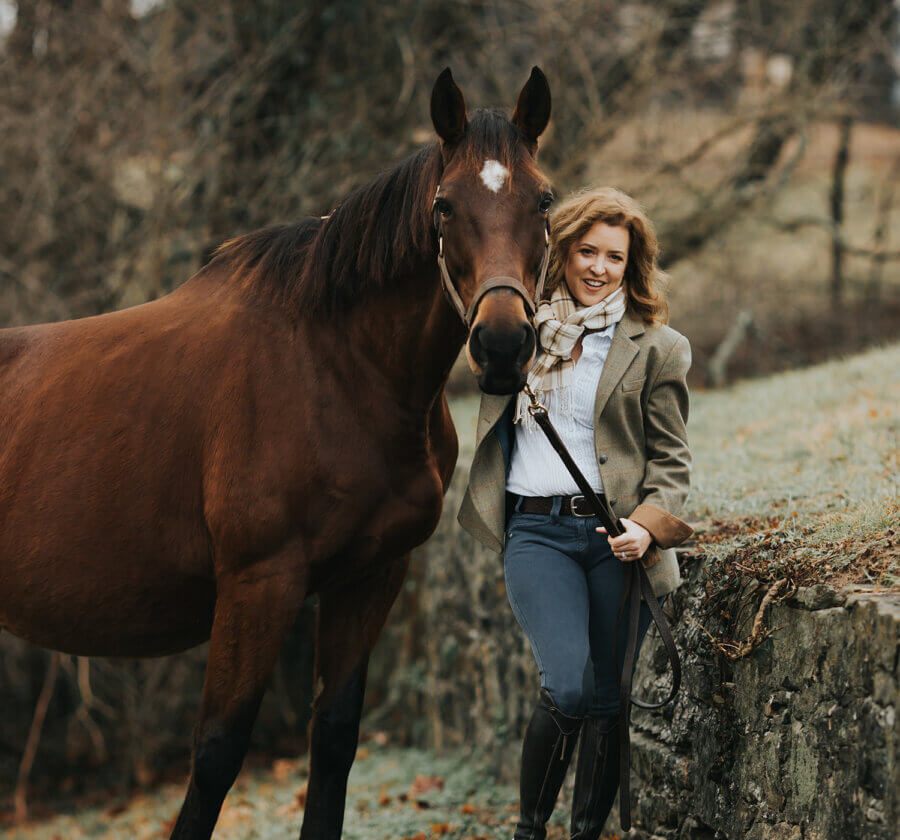
A lifelong equestrian, entrepreneur, and advocate, Kim Smith is the founder and executive director of Second Stride, a nonprofit transitional safety net aftercare program for thoroughbred horses. Image: Gwen Davis
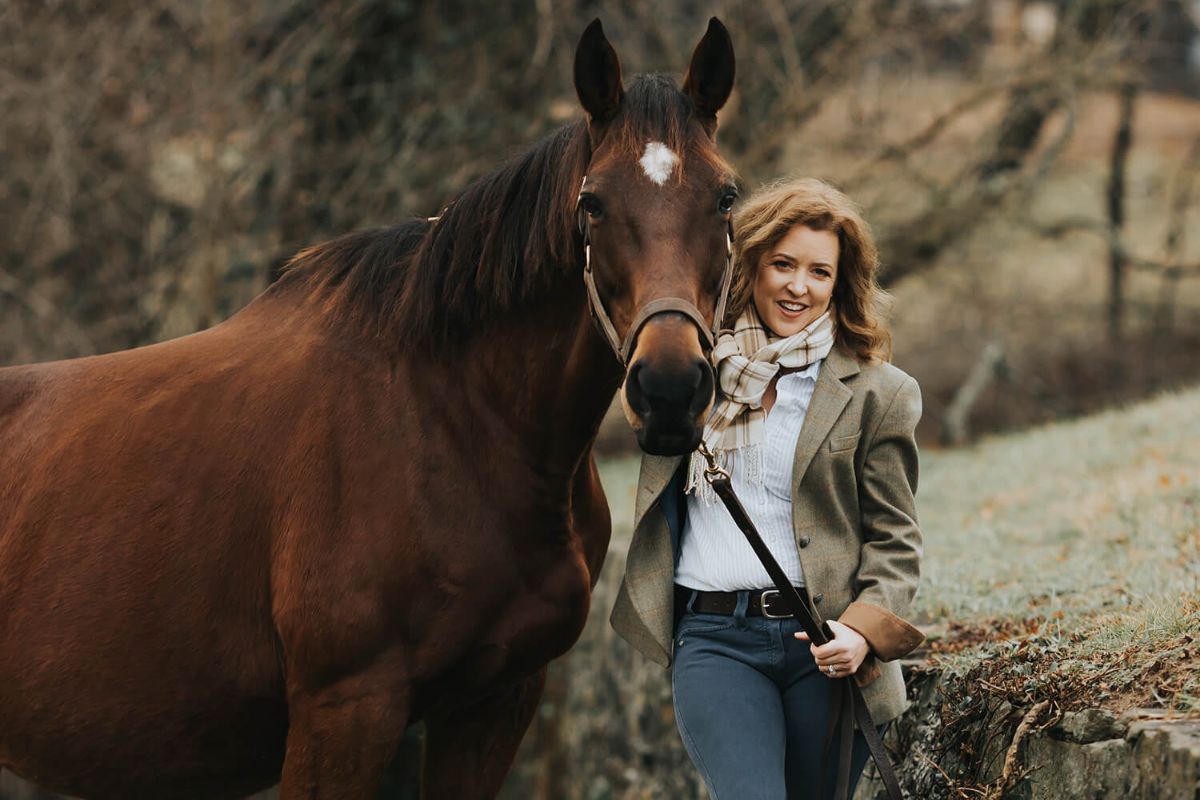
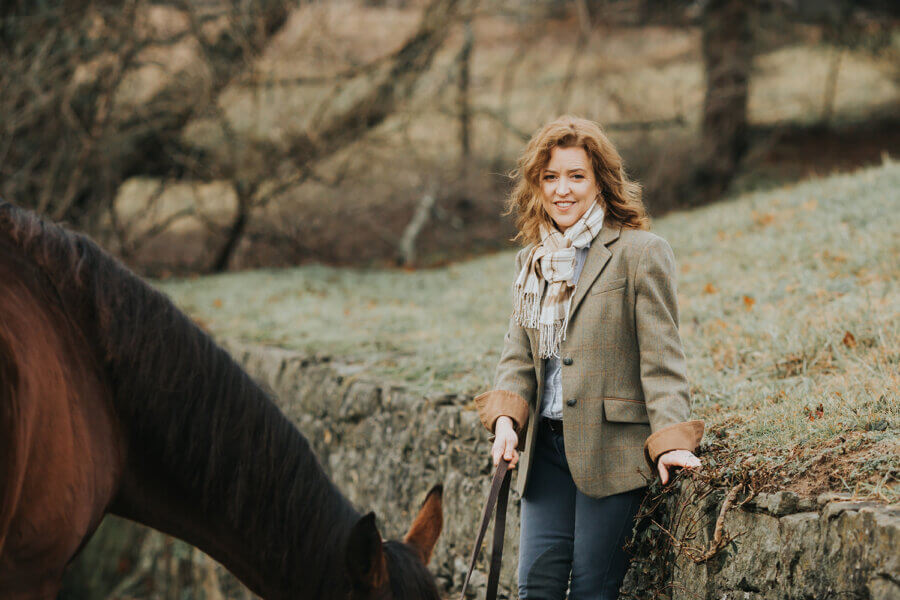
For Kim Smith, horses are a calling. A lifelong equestrian, entrepreneur, and advocate, she’s the founder and executive director of Second Stride, a nonprofit program for thoroughbred horses. Her career spans every corner of the equine world, from riding and training to breeding and industry leadership. Through it all, she’s ensuring these animals are valued long after their time on the track ends.
How would you describe the work you do?
That’s a little tricky to answer because I wear so many hats. At my core, I’m someone who has spent her entire life working with horses — riding, training, boarding, buying, and selling. That evolved into building connections between different parts of the horse world, especially between the racing industry and second-career homes.
I founded Second Stride to create a pathway for thoroughbreds after their racing careers. Today, I serve in a leadership and advisory role, helping ensure the organization’s long-term sustainability while staying involved in the broader industry. I’m also an agent at horse sales, sourcing racehorses for clients, and I’ve owned and operated a boarding business.
I advocate for horses across the state by serving on several boards, including the Kentucky Thoroughbred Association and the Keep Kentucky Equine Education Program. So, in a nutshell, I’m deeply embedded in the equine world, working to support horses at every stage of their lives.
What is your earliest horse-related memory?
I was horse-crazy from the beginning. Before I ever rode, I would pretend — galloping up and down the hallway, jumping laundry baskets like they were fences. I’d turn anything into a horse, even my dad’s armchair.
My first real experience came when I was about seven; my dad secretly got me a pony. It wasn’t a calm, easy pony; no one could catch it except me. They even had to hire someone to lasso it at one point. But I could walk right up to it, and from then on, it was mine.
Looking back, it almost feels like horses found me as much as I found them. Throughout my life, I kept encountering situations where I’d be asked to help — catching loose horses, rehoming them, or stepping in when someone needed guidance. It became a pattern that I never really planned. It just kept happening.
If you weren’t in this industry, what would you be doing?
I can’t imagine not working with horses in some capacity. I’d still be involved, probably just more on the breeding side. I used to foal out broodmares and stand a stallion, and I loved that work. It’s demanding because you’re essentially on call 24/7, but it’s rewarding.
That said, I did have a career in business and healthcare management earlier in life. My degrees are in anthropology and psychology, and I worked in mental health care administration and subrogation. It was fine, but it never felt fulfilling. It was just a job.
With horses, it’s different. Even though the work is constant and demanding, it’s meaningful. You don’t clock in and count down the minutes — you just keep going because it matters.
What are you most proud of?
First and foremost, my two boys. They’ve grown up in an unconventional environment — spending time at barns, playing in shaving piles, being around horses constantly — and they’re now incredible young men. I’m really proud of who they are.
Professionally, I’m proud of Second Stride. It’s been around since 2005 and has survived and grown without major funding or a large benefactor. It’s always been a hand-to-mouth operation, driven by passion and dedication.
What I’m especially proud of is the team. Management isn’t my strongest skill set — my gift is with horses — but the people who work alongside me are extraordinary. They accomplish so much with limited resources, and that’s something I never take for granted.
What’s one thing people would be surprised to learn about you?
I’m terrified of heights! It’s funny because I’ve spent years jumping horses over high fences without any issue. But I get queasy on a staircase or walking up to an airplane.
I think the difference is that when I’m on a horse, I feel like part of a team. There’s a trust there that overrides the fear. But outside of that context, heights are not my thing.
Are there any common misconceptions about the horse industry that you’d like to debunk?
There are a few. One is that the racing industry doesn’t care about its horses. That’s simply not true. The industry has come a long way and is continuing to develop systems to better support horses after their careers. There’s still work to be done, but there’s genuine care and a growing commitment to doing better.
Another misconception is that thoroughbreds are overly reactive or difficult. They’re just like any other breed. Some are calm, some are energetic, and most fall somewhere in between. They’re versatile animals and can excel in many disciplines beyond racing.
Finally, people often think horses are incredibly sturdy. In truth, they’re quite fragile. Their physiology makes them prone to certain issues, and they require careful management. They’re strong and delicate at the same time, which makes them fascinating but also challenging to care for.
What’s the best way to get involved with Second Stride?
Awareness is key. People often assume volunteering means working directly with horses, but that’s not always the most helpful. Horse care requires specific skills and consistency, and many volunteers aren’t able to commit in the ways that are needed.
Where we really need help is with networking, fundraising, and professional expertise. That could mean helping organize events, promoting our mission on social media, or connecting us with potential donors or sponsors.
We also benefit greatly from professionals with expertise — current or former attorneys, accountants, or business strategists — who can offer their services. Attending events, supporting fundraisers, or even organizing small initiatives like birthday fundraisers or workplace giving days is great, too. Every bit of awareness and support helps us continue our work.
When you’re not busy doing all things equine, where are your favorite spots to eat and shop?
I’m definitely a foodie, so Louisville is a great place to be! Some of my go-to restaurants are DiOrio’s — especially the Prospect location — and Blackstone, which is close to my facility and a fun local spot. If I have a little more time for something special, I love Lou Lou on Market for its New Orleans-inspired menu.
For shopping, I gravitate toward locally owned stores and consignment shops. I love finding unique pieces and giving things a second life — it kind of mirrors what we do at Second Stride. Places like Two Chicks and Anabel’s are favorites; I also frequent consignment shops like Stella’s and Sugar Baker’s.
Any other local hidden gems to share?
One of my favorites is the art walk at Hermitage Farm. It’s free, open to the public, and well done — with lights, sound, and even moments where you see horses moving through the landscape. It feels like a full experience, whether you’re there for a date night, with kids, or hosting out-of-town guests.
What is the best advice you’ve ever given or received?
It’s 1 Peter 5:7. Overthinking will kill your peace. Pray and leave it to God.
BONUS: Check out these upcoming events for easy ways to get involved with Second Stride!
April 27, 2026: Champions Night at Valhalla Golf Club
An elegant, Derby week evening at Valhalla Golf Course, bringing together supporters, owners, and visitors for an exclusive Kentucky experience.
May 3, 2026: Barn & Stable Party
A family-friendly event the day after the Kentucky Derby, offering a behind-the-scenes look at Second Stride’s work, with opportunities to interact with the horses at Chorleywood Farm in Prospect.
May 18, 2026: Fore the Horses Golf Scramble
Hunting Creek Country Club hosts this community-driven day on the course, ideal for businesses and supporters looking to blend fun and philanthropy.
**********
Discover more Southern stories worth sharing. Follow us on Instagram!
Lennie Omalza
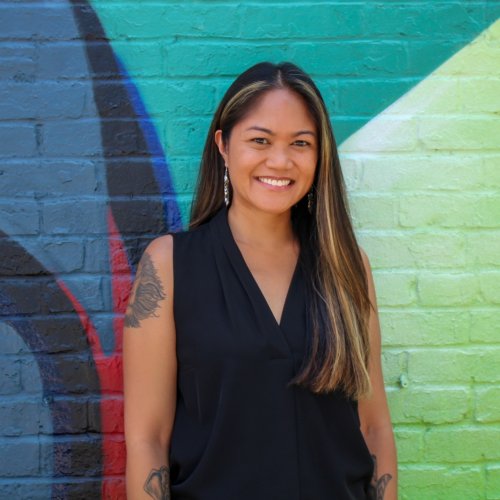
Originally from Hawaii, Lennie Omalza is a Louisville-based freelance writer of over 18 years. Lennie is a yoga-loving foodie who travels as often as she can and enjoys writing about food, homes, and weddings. You can find more of Lennie's work at Eater, Hawaii Home & Remodeling, and The Louisville Courier-Journal.