Meet the Woman Keeping Florida’s Oldest Fishing Village Thriving
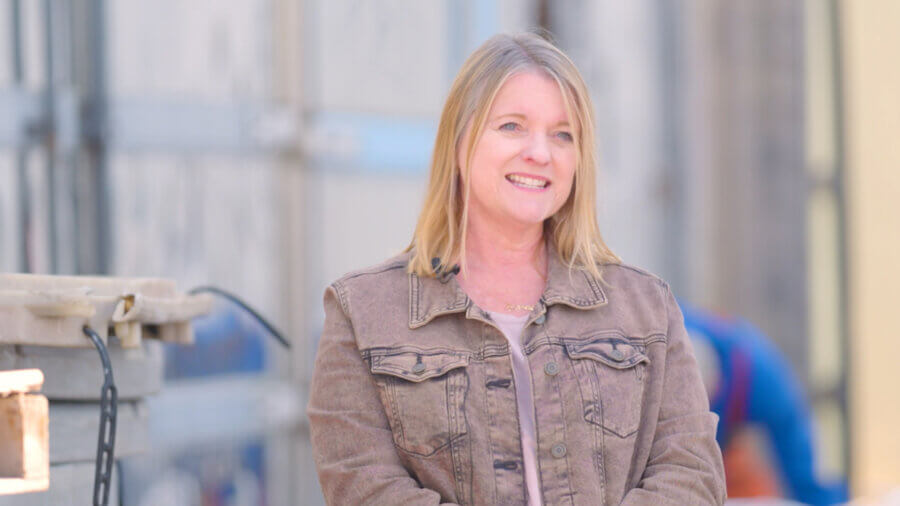
In Florida’s oldest working fishing village, Karen Bell, head of A.P. Bell Fish Co., is elevating “Southern caviar” to a sought-after culinary treasure. Image: Bradenton Area Tourism Bureau
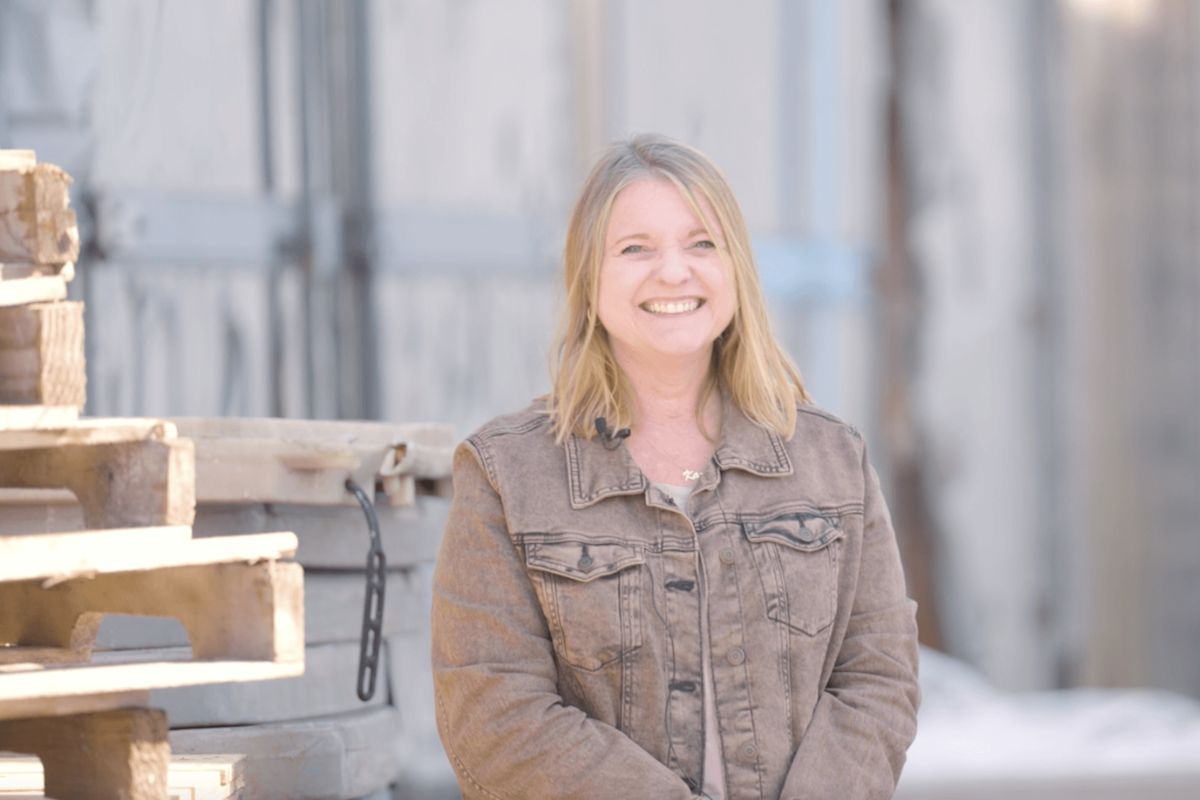
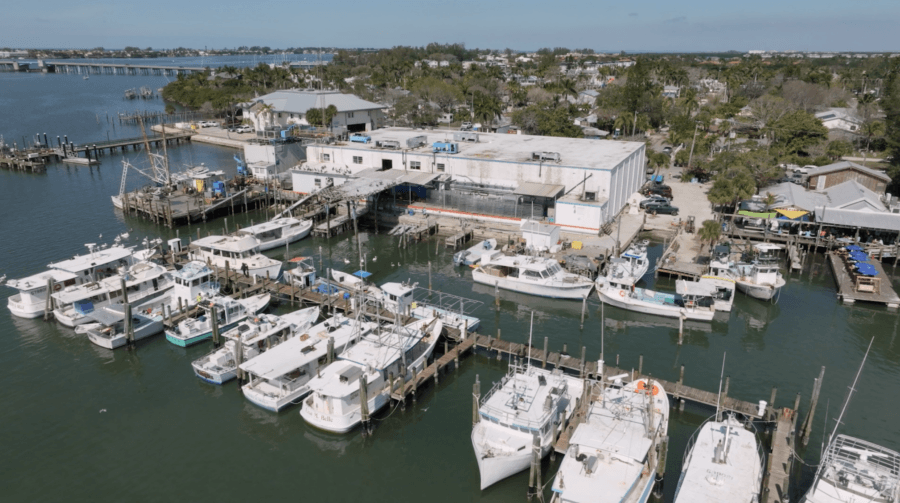
In the small Gulf Coast village of Cortez, Florida’s oldest still-working fishing community, Karen Bell is blazing a new trail while honoring tradition. As the third-generation owner of A.P. Bell Fish Co. — and the owner of Star Fish Company seafood market and dockside restaurant, as well as part-owner of Tide Tables — she leads the nation’s largest producer of American-made bottarga, now prized by chefs nationwide. Rooted in sustainability and family legacy, she’s proving even the humble mullet can carry maritime heritage into the 21st century.
What are some of your earliest memories of growing up in your family’s fishing business?
When my sister and I were little, we had horses, so we always wanted to be at the barn. Every Sunday, though, we were made to spend the day in Cortez at my grandmother’s house. (Now I think it was a way for our mother to have some time to herself!) We would spend most of the day outside on the net spreads and running around the fish house.
Our grandmother’s house had an amazing garden, and we spent time on the “back 40,” which is what we called her huge yard. When I moved away for college, I really missed the simplicity of the time we spent in Cortez. That was part of the reason I decided to return home once I graduated.
Did you always imagine yourself stepping into the family business, or did your path take a few turns along the way?
I definitely did not see myself being in Cortez when I was thinking about what to do with my life. While attending college at Florida Atlantic University, I worked part-time at IBM in their Marketing and Acquisitions Dept. I enjoyed that, but kept thinking about Florida’s west coast, and specifically Cortez. I missed the authenticity of home and decided I wanted to return.
For those who are unfamiliar, how would you describe bottarga?
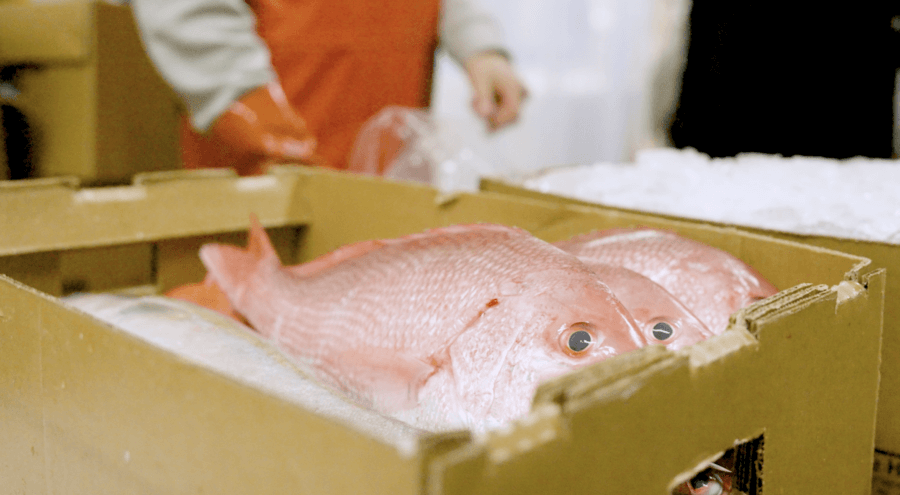
Bottarga is a salt-cured and dried mullet roe. Its texture is firm, much like Parmesan cheese, and it is bright yellow. The taste is briny, with an essence of the ocean. Bottarga has a high oil content, which is where the savory, “fishy” flavor comes from.
Your grandfather founded the company. What do you think he would be most proud of in how the business has evolved?
Aaron Parx Bell started this business in the 1920s, though he had partners at that point. I think he would be proud that the business is still functioning 100 years later. His children worked and fished for the business, and now their descendants are still doing basically the same thing he did — buying and selling fish. A large part of why we’re still here is because Aaron set the ground rules for working hard and treating everyone fairly.
What does modernizing the maritime world look like?
Modernizing the traditional maritime industry through Cortez-produced, premium mullet roe (bottarga) involves shifting the narrative from a “low-value” commodity to a high-end, sustainable, artisanal delicacy.
It’s happening slowly, but roe can now be found in restaurants and large cities where consumers are learning to appreciate this unique offering. By leveraging the history of Cortez fishermen, the industry can bridge the gap between traditional practices and modern luxury culinary demands.
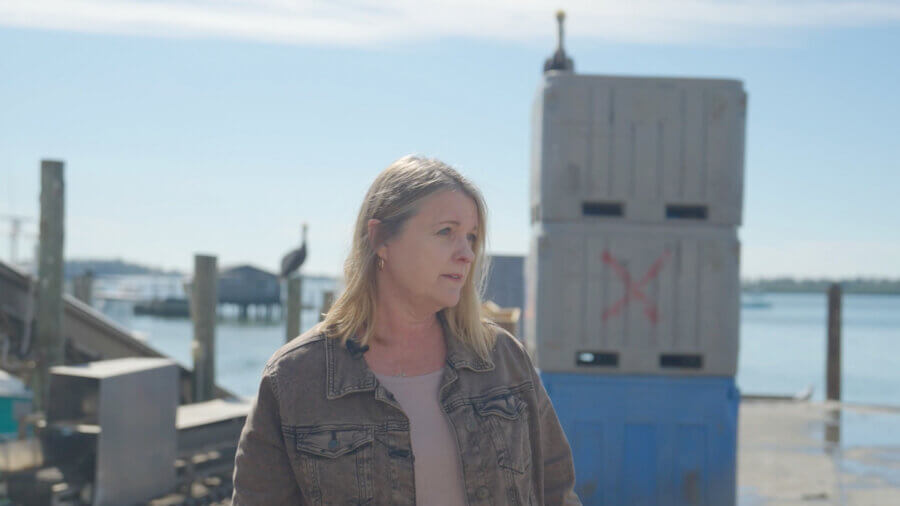
A.P. Bell began producing bottarga wholesale in the 1970s as a way to use more of the mullet sustainably. Can you tell us about that decision?
In the 1970s, my father, Walter, was approached by a gentleman from Taiwan who was interested in Florida’s roe mullet harvest. Mullet had been harvested during the spawning season previously, but the fish were marketed whole. It made sense to process the eggs in Cortez rather than shipping the entire fish overseas.
What developed is a processing system that has allowed us to add value to a species we were already producing. It meant more money for the fishermen, more money for A.P. Bell Fish Co., and ultimately more money going into our local economy.
At home, Karen’s favorite way to enjoy bottarga is to dry a roe sack in the traditional manner, using heavy amounts of salt over several days, then pressing the remaining moisture out with marble slabs. Image: Bradenton Area Tourism Bureau
Why do you think American-made bottarga is resonating with chefs and diners across the country right now?
I think consumers today like the idea of enjoying traditional foods and the idea of domestically harvested, wild-caught seafood. Bottarga is also considered a healthy food option that is loaded with omega-3 oils, much like sardines.
Switching gears a little, what is something most people would be surprised to learn about you?
Most people don’t know that I really enjoy renovating Cortez cottages. In my 20s, I bought my first old Cortez cottage, and my dad thought I was nuts. He said I paid way too much ($55K) as it was built for $3,000 in the 1920s. I love taking these beautiful little places and giving them a new life while retaining their original historic charm.
Where can we find you when you aren’t working?
I have a small house on Mason Creek in Homosassa Springs. Even though I love Cortez, Homosassa Springs is my haven. It’s an acre that is wooded and fenced, so my dogs can run free, and it’s only a two-hour drive north. It is so peaceful and quiet up there.\
What’s your best piece of advice?
I really believe that one’s attitude makes such a huge difference in life. I’ve been told that I’m ridiculously positive, but I don’t see much sense in dwelling on negative things. Even when things go wrong, it’s important to learn from them and, hopefully, figure out how not to let it happen again. In the same way, I try to see the good in everything — people, places, and things.
What are three things you can’t live without?
First, quiet. Because I am usually surrounded by lots of people and activity, I really, really value quiet time.
Second, kindness. There is so much chaos in our world right now that I try very hard to show kindness to those around me.
And third, my dogs. I have a German Shepherd and a Pekingese. They bring me so much joy; I love having them in my life. They truly have the best qualities: love, devotion, joy, happiness, and fun. Life is just better with dogs!
**********
To meet more inspiring FACES, click HERE!
Gaye Swan
As a professional writer of over 20 years, Gaye is an avid traveler and enjoys highlighting food, culture, and attractions around the South. While Gaye is passionate about life in Memphis, she grew up in Meridian and is still a Mississippi girl at heart.