
She’s Building a Support Network for Nashville’s Live Music Community
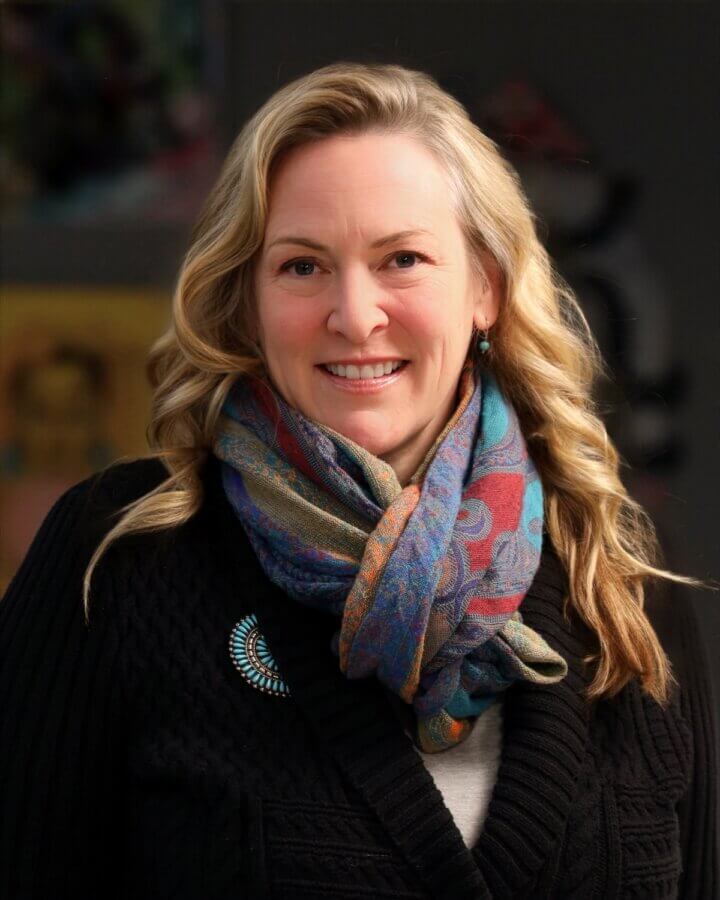
Live music depends on the people behind the scenes. Kara Kemp, General Manager of ECCHO Live, is helping bring mental health support and practical resources to the crews who make it all happen. Image: Enis Demirci
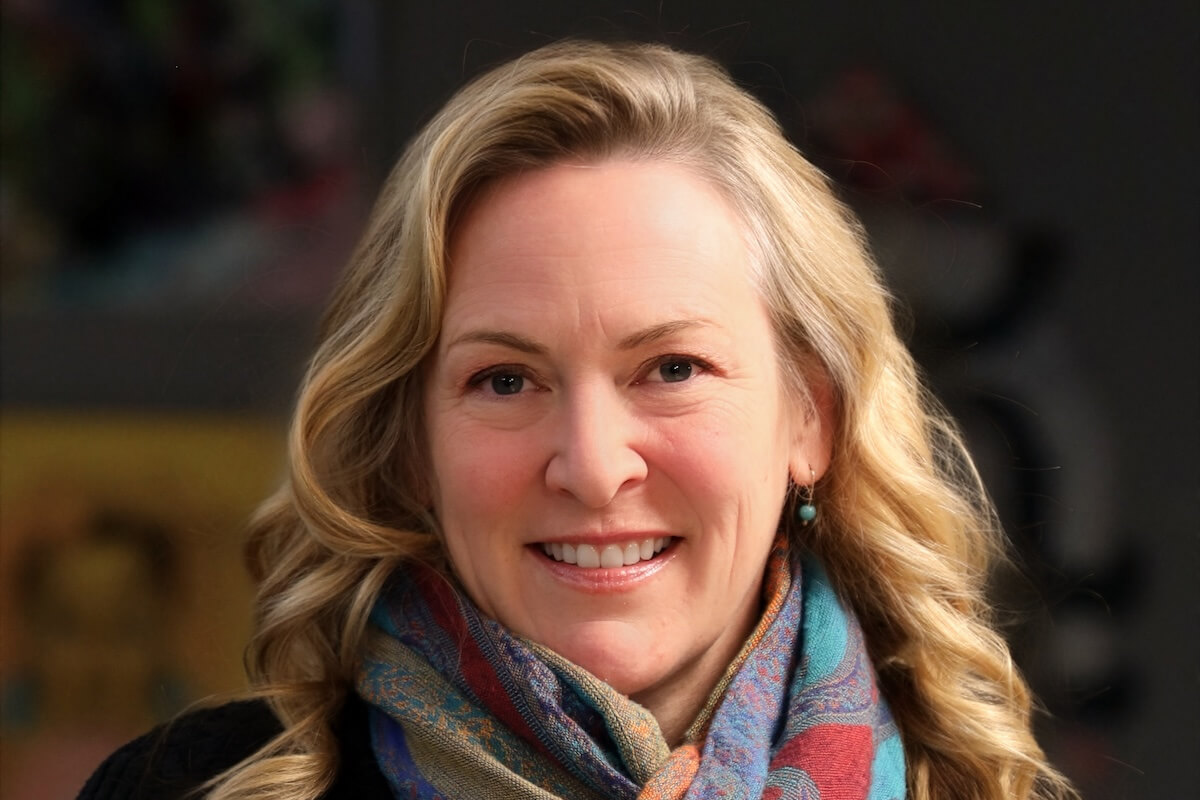
From the outside, live music may look like all-access passes and concert-going. But Kara Kemp knows the other side. After years of working in live music catering, she now serves as General Manager of ECCHO Live, an organization dedicated to caring for the people behind the scenes. From free counseling sessions and on-site therapy at major festivals to guidance around retirement savings and healthcare, ECCHO Live fills the gaps for an industry built on temporary gigs.
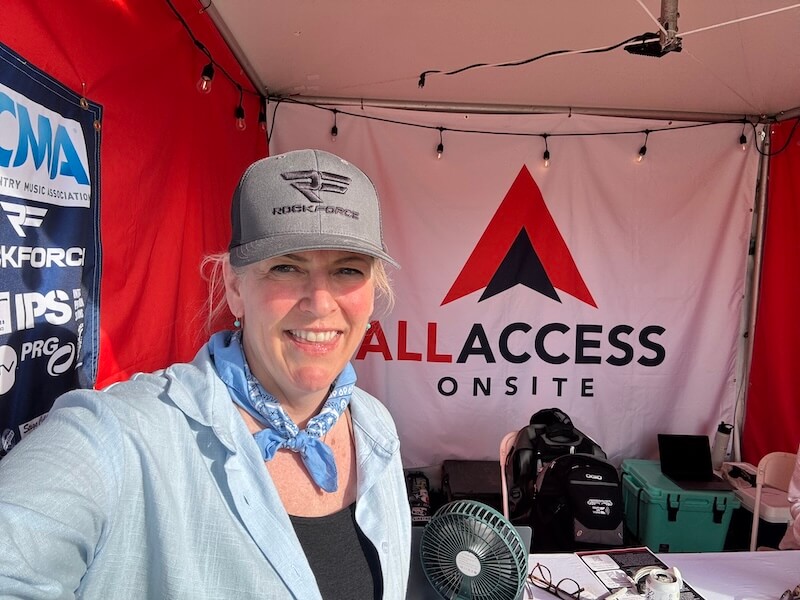
“Chance and curiosity first led me into the live music industry,” Kara says of her career start. “I grew up in a musically-inclined family, and, in my early 20s, said yes to an invitation to join Dega Catering’s touring crew working exclusively with bands on the road. I was drawn to the adventure, and was already working within the performing arts … and I thought it might be a cool way to spend my summers.”
Once on the road, the culture felt instantly familiar. “As the youngest of nine kids raised on a farm, I learned early how to navigate many personalities and work hard under pressure,” she says. “So stepping into a touring environment, a living organism made up of hundreds of skilled people doing essential, often invisible work, made immediate sense to me.”
Catering became her entry point into the live events ecosystem. “I loved the challenge of creating spaces that felt welcoming — delivering delicious, inventive food, and helping the crew feel nourished in every way,” Kara says. What started as a seasonal leap quickly became a decade-long career.
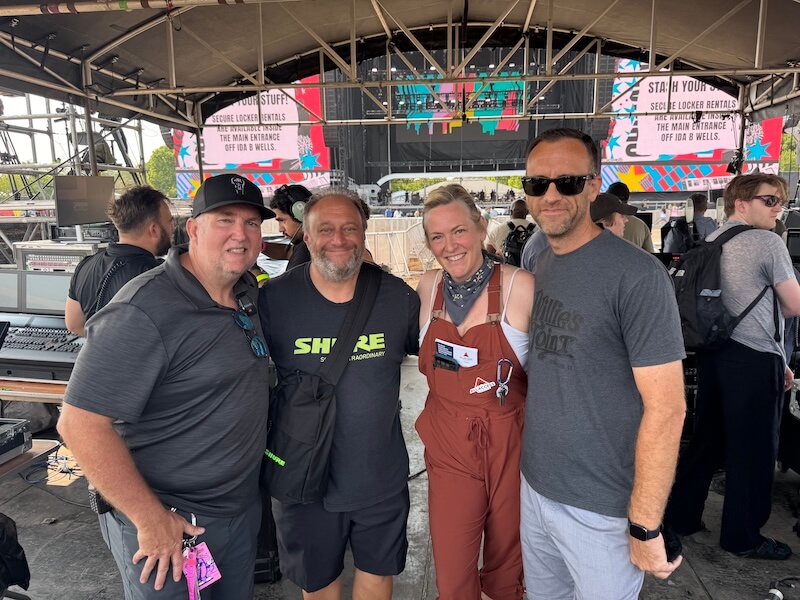
“Tour catering teaches humility fast. It’s a tough grind. You see everyone, from load-in to load-out, and come to understand, on a cellular level, how much care it takes to keep a crew functioning,” Kara says. “My role wasn’t just about feeding people; it was about paying attention: to how stress moves through a system, how exhaustion compounds, and how small gestures, such as a favorite meal, a remembered detail, a pause, can shift the energy of an entire day for a crew. So I figured out how to make it happen.”
Alongside the moments of connection and creativity were challenges that rarely get airtime. “The work also deepened my awareness of the quieter, less visible side of touring,” she shares, “the isolation of a day off alone in a hotel room, far from home and routine; the ache of missing people; the ways we numb ourselves from feeling; and the stories we tell ourselves that shape our time in solitude.”
While mental health was more taboo when Kara started in the industry, she credits thoughtful leadership for planting early seeds. “When I was coming up, mental health wasn’t openly discussed, though I was fortunate to work under mindful leadership — another trailblazing, thoughtful woman, Hollis Church, who led with heart-forward business acumen and encouraged self-care for her crews.”
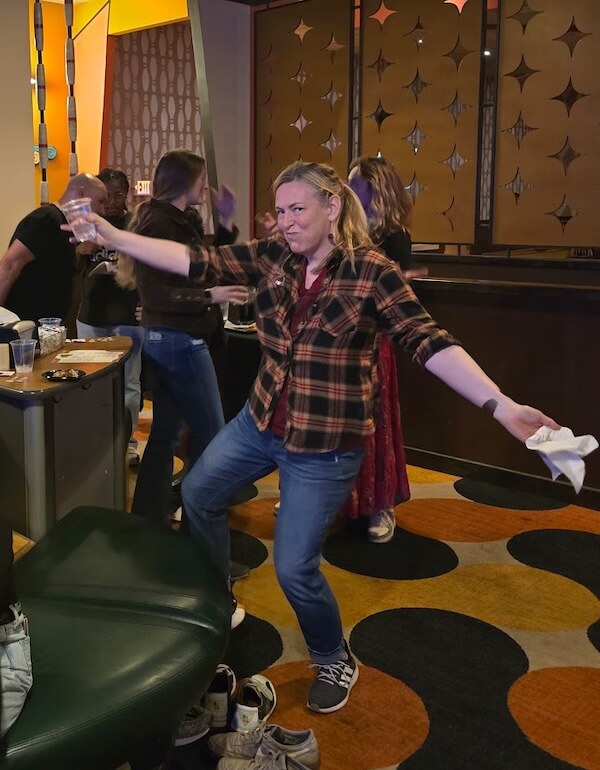
But burnout eventually caught up with Kara, as it does with many touring professionals. “Those years also brought hard-earned lessons about burnout and sustainability, which eventually led me to step off the road,” she says.
When she did, her instinct to care for others didn’t disappear. “I continued caring for people through leadership and coaching, helping creatives and professionals build careers with balance.” That throughline led her to ECCHO Live. “This mission aligned seamlessly with the question that has guided my career at every step: What would it look like if we took better care of people?”
Her ability to advocate for music workers is informed by experience both on and off the road. “I began my career in nonprofit theater leadership, and that foundation is what eventually led me on the road,” she tells us. “Before touring, I lived the scrappy life of building community, writing grants, and managing budgets, carrying the constant mental lift required to keep a nonprofit running.”
Taking a touring job didn’t mean leaving that pressure behind. “I took a touring gig as a way to step away from that weight, only to discover you don’t escape the heavy lift. You simply exchange it for another.”
That view shapes ECCHO Live’s approach today. “My career spanned the full spectrum of touring life: the brilliant, unique moments and the grinding, painful ones,” Kara says. “That range allows me to advocate from lived experience, rather than theory, a perspective I carry fully into the nonprofit and philanthropic world, where the work, at its core, is about paying close attention to the needs of the community at hand.”
That philosophy is embedded in the organization’s mission. “Live event professionals often fall through the cracks,” she explains, adding that they often freelance too much for traditional benefits, move too quickly for consistent support, and are conditioned to push through rather than ask for help.
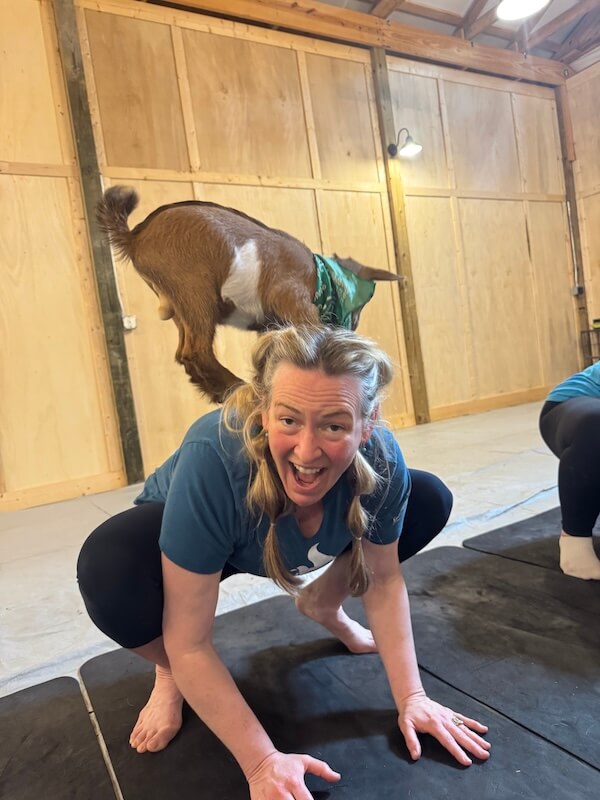
The organization’s name reflects its scope. “Our name is an acronym: Education, Community, Connection, Health, and Opportunity — the five areas which are essential to building lasting careers in this industry.”
The goal, Kara says, isn’t a complete reinvention. “Our goal isn’t to overhaul the industry overnight, but to create holistic support that feels authentic, human, realistic, and within reach. Hopefully, releasing the pressure valve of stigma and reminding people it’s okay to not be okay.”
Mental health is often the first place that support begins. “Burnout, anxiety, depression, substance misuse, trauma, grief, and identity loss between gigs are common in the live events industry, and too often they’re normalized as part of ‘pushing through,’” Kara says.
ECCHO Live’s All Access program immediately addressed one of the most significant barriers. “We built a trusted network of providers who understood the realities of [the] industry, and we covered the cost of sessions — no questions asked, so access could be simple, confidential, and stigma-free.”
Over time, that work expanded. “It became clear that mental health support is often just the entry point to whole health,” Kara explains. Today, ECCHO Live also supports partners, spouses, and dependents, while addressing financial pressures, career sustainability, and overall wellness.
And that philosophy extends to job sites themselves. “All Access On Site began offering activations at festivals, stadium builds, and arena events in 2023 with a simple goal: to continue removing the barriers that keep people from accessing the support they need … especially the reality of not having enough time,” Kara shares. “It means meeting people where they are, quite literally.”
Long-term stability is another gap ECCHO Live works to close. “Retirement savings and healthcare can feel out of reach in an industry built on temporary gigs,” Kara says. “ECCHO Live emerged in 2011 in great part because gig workers often lacked access to basic information about long-term planning: retirement, independent insurance options, and other essential conversations simply weren’t happening or felt out of reach.”
That need anchors the organization’s annual ECCHO Live Workshop. “It’s a space designed to give live event professionals real tools without strings attached,” she tells us. “It’s not a sales pitch, but a room full of people who get it.”
In an industry built on sound, spectacle, and motion, Kara’s work centers on something quieter but essential: sustained care for the people who make live music possible, long after the lights come up and the tour bus rolls on.
**********
For more inspiring stories, visit our FACES archives!

Jenna von Oy Bratcher
Jenna von Oy Bratcher is StyleBlueprint's Editorial Operations Manager and Lead Content Editor. The East Coast native moved to Nashville almost two decades ago, by way of Los Angeles. She is a lover of dogs, strong coffee, traveling, and exploring the local restaurant scene bite by bite.